

























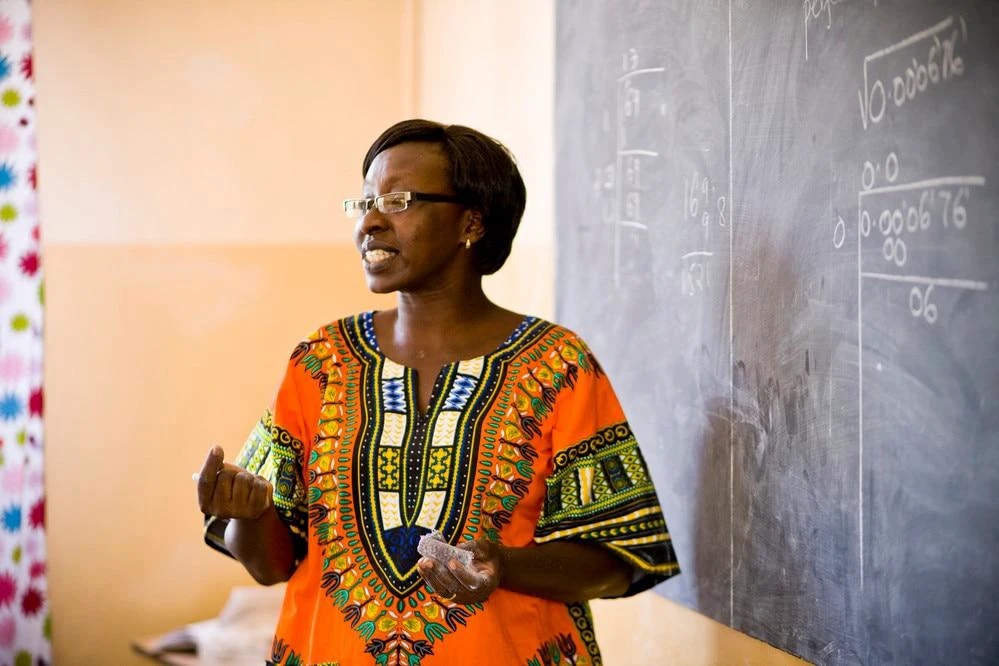
Increasing the number of teachers to guarantee the right to a high-quality education
Ensuring that every pupil has a qualified teacher who is available and receives long-term support is a key responsibility of education systems. The World Association for Development (AMD) regards the strengthening of the teaching workforce as essential to ensuring equal opportunities and continuity of learning. This ambition requires coherent policies on recruitment, training and retention.
Access to education depends on the women and men who make it possible on a day-to-day basis. An open school, an up-to-date curriculum or new equipment are not enough when posts remain vacant or teaching teams are constantly changing. The consistent presence of teachers who are well-prepared for their role remains a fundamental condition for the continuity of learning.
In its Global Teachers’ Report published in 2024, UNESCO estimates that 44 million additional primary and secondary school teachers will be needed by 2030 to achieve universal education at these levels. This forward-looking estimate highlights the scale of recruitment and replacement needs worldwide.
Why increase the number of teachers?
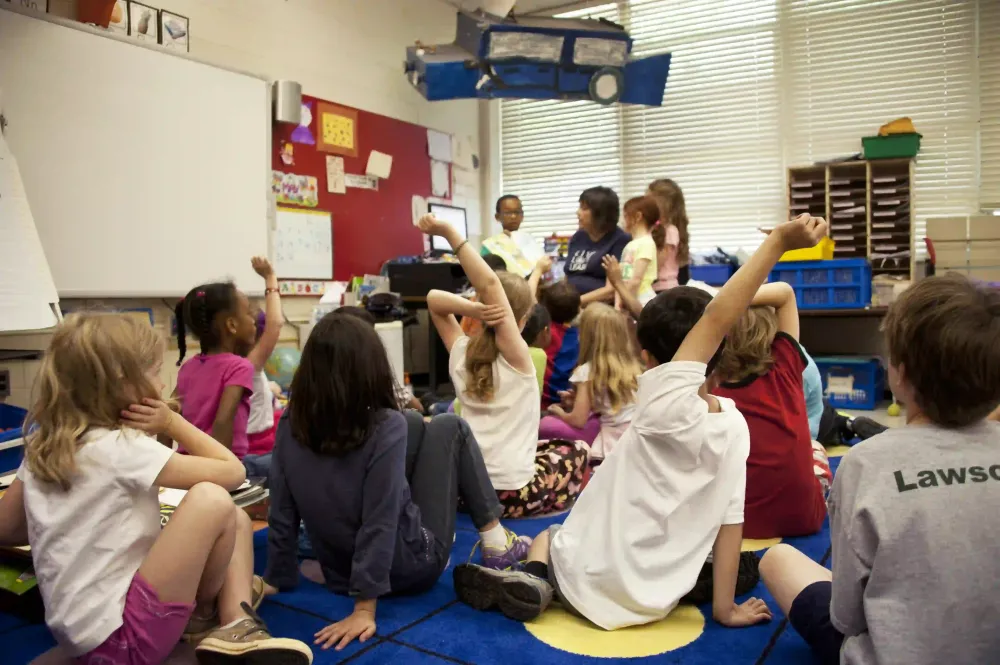
When a school does not have enough teachers, the difficulties affect the entire organisation. Class sizes may increase, certain lessons may be cancelled and opportunities for individual support may be reduced. For pupils who are already facing learning difficulties, such situations risk causing them to fall further behind.
Educational continuity also deserves particular attention. Learning requires time, a structured progression and a relationship of trust. Frequent changes of teachers can undermine the support provided to pupils and make it harder to identify their difficulties. Having stable teaching teams makes it easier to ensure continuity in learning from one year to the next.
Increasing teaching staff numbers must therefore be assessed on the basis of schools’ actual needs. The total number of people recruited does not, on its own, provide information on the availability of expertise in each subject, at each level of education and in each region. An effective policy must align recruitment decisions with the practical realities of schooling.
Different needs across the world’s regions
Pressures on teaching staff take various forms. The UNESCO report highlights, in particular, the considerable needs of sub-Saharan Africa and the difficulties in attracting and retaining staff that are also faced by high-income countries. The issue therefore concerns education systems with different resources and demographic trajectories.
This diversity means that one-size-fits-all solutions are no longer sufficient. A region with a growing school-age population must plan for the opening of new classes and the training of new teachers. Another may need to organise the renewal of ageing teaching staff or make certain specialisms more attractive. National policies would benefit from distinguishing between these situations before setting their priorities.
National averages must also be supplemented by a regional analysis. They may mask disparities between well-served schools and areas where teaching posts are difficult to fill. The challenge is to ensure there are enough teachers where educational needs are greatest, even when these areas are less attractive from a professional perspective.
How can we recruit without compromising the quality of teaching?
Rapid recruitment may become necessary to ensure the start of the school year or to maintain educational provision. However, the immediate response must form part of a long-term strategy for the profession. Teaching requires mastery of the subject matter, but also the ability to organise learning, assess progress and support pupils with different needs.
Recruitment planning must therefore be linked to the capacity of teacher training institutions. Creating more posts without providing for the necessary trainers, placements and support risks merely shifting the problem elsewhere. Conversely, training candidates without clear prospects of entering the profession may undermine their successful integration into the workforce.
The first few years of teaching are a crucial stage. A new teacher must be able to receive guidance, observe best practice and have someone to turn to when facing difficulties. Mentoring and teamwork offer opportunities for support, provided that the professionals delivering them have the necessary time themselves.
How can we ensure a long-term presence in underserved areas?
Administrative posting alone does not guarantee the stability of a teaching team. To work long-term in a particular area, a teacher must be able to live there under acceptable conditions, have access to essential services and continue their professional development. Depending on the context, solutions may relate to housing, travel, safety or access to teaching resources. Financial measures must be considered alongside these other factors. A bonus may encourage a posting, but it does not resolve all the difficulties associated with settling in or professional isolation.
Transparency in procedures is also important. Clear rules on recruitment, transfers and career progression enable teachers to plan for the future. They help to make decisions understandable and reduce the sense that they are arbitrary. This approach is in line with the position expressed by the AMD: education policies must bring about real changes in teachers’ working lives, particularly in the most underserved areas.
What measures can be taken to ensure that recruitment is sustainable in the long term?
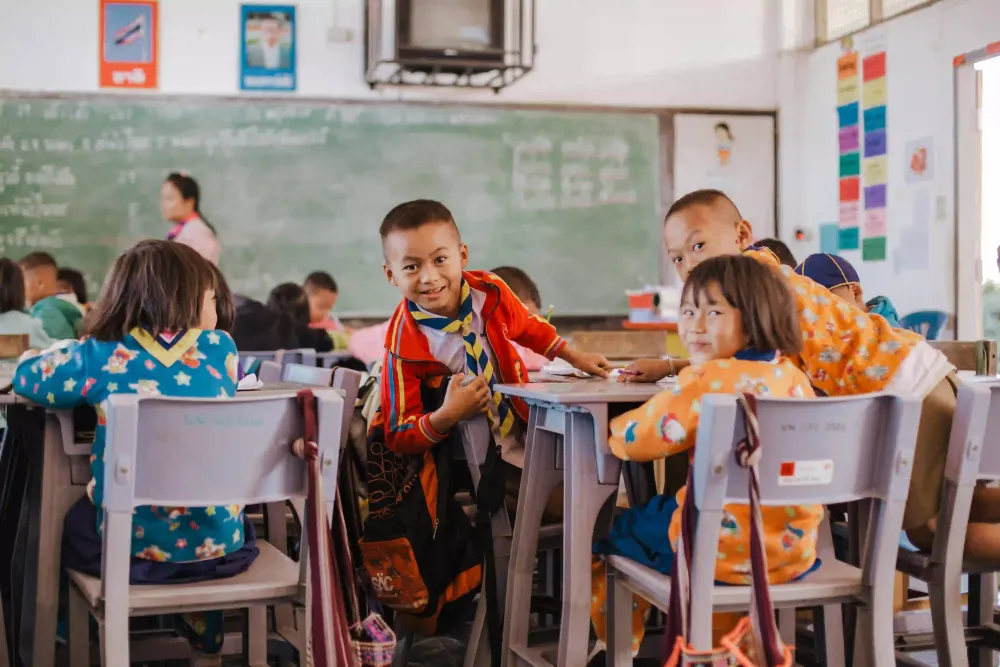
Increasing staff numbers requires funding a commitment spanning several years. Beyond initial recruitment, budgets must cover salaries, training, support and career prospects. The stability of teaching teams also depends on this financial certainty. Monitoring must focus on concrete results: are posts actually being filled? Are teachers staying in schools? Are essential subjects being taught? Are pupils benefiting from greater continuity in their lessons? These questions enable us to assess the real impact of the efforts undertaken.
The success of these policies is measured by the opportunity for every child to benefit from regular, high-quality education, regardless of their family’s income or where they live. The World Association for Development links this requirement to a concept of development based on individual autonomy and equal opportunities. Qualified, stable and equitably distributed teaching staff ensure that the right to education is translated into concrete reality in people’s lives.
Samyath A. AMOUSSA