













Statement by the Executive President of the World association for Development on the Occasion of the International Day of Peace
Investing in Peace Before We Have to Rebuild
There is a paradox that our time cannot ignore.
We know the human cost of war. We know what war does to economies, institutions, families, and generations. We also know that its consequences extend beyond borders and may endure long after the fighting has ended.
And yet, all too often, peace commands our full attention only after it has already been shattered.
On the occasion of the 2026 International Day of Peace, observed under the theme “Invest in Peace – For Everyone, Everywhere, Every Day,” the World Association for Development calls for a shift in perspective: peace must not be pursued only when violence erupts. It must be prepared for, supported, and sustained over time.
The urgency of this reflection is evident in the realities of our time.
By the end of 2025, 117.8 million people worldwide had been forcibly displaced. In economies affected by conflict or instability, 421 million people were living on less than $3 a day. That same year, 266 million people across 47 countries and territories faced high levels of acute food insecurity.
These figures capture only part of the cost of conflict.
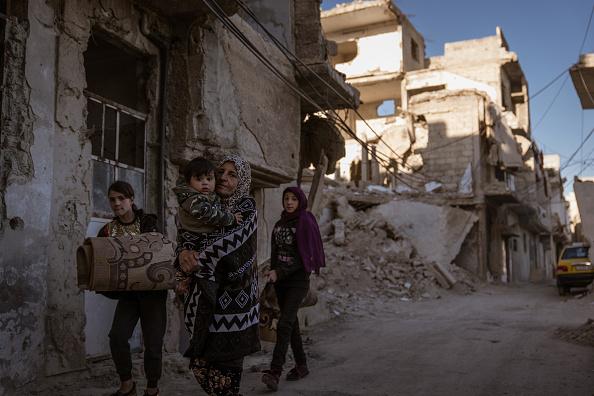
The other part is reflected in schools that cease to operate, weakened health systems, lost jobs and livelihoods, separated families, diminished institutions, and communities whose future has become uncertain.
It is also evident beyond countries at war.
When populations are forced to flee, trade is disrupted, food systems are destabilized, or humanitarian needs rise sharply, the consequences travel with the crisis.
Neighboring countries receive displaced populations. Local authorities must adapt their services. Additional needs emerge in health, education, housing, protection, and employment. Economies and communities that are not involved in the conflict may nevertheless experience its effects.
Borders may contain a territory. They do not always contain the consequences of war.
This is why peace is far more than the cessation of hostilities.
Silencing the guns remains an absolute necessity. Yet a society does not automatically regain peace simply because the fighting has ended.
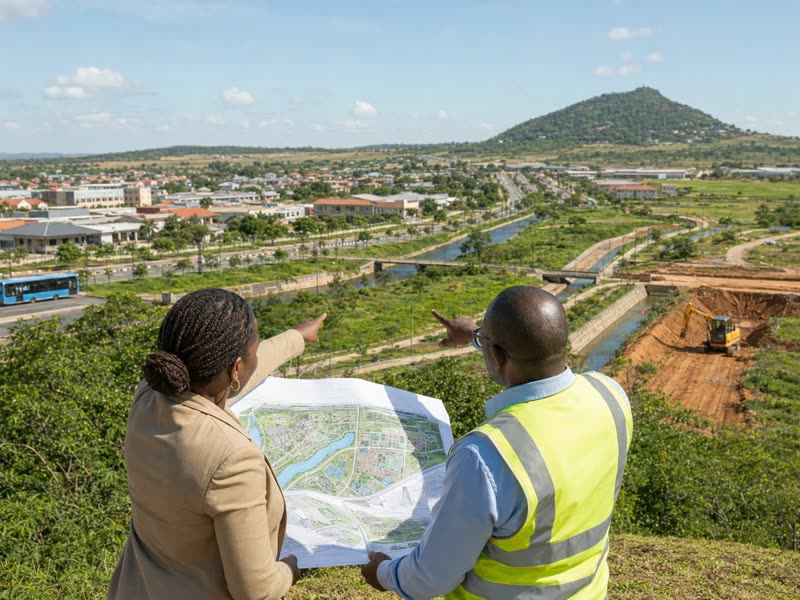
Infrastructure may need to be rebuilt. Public services restored. Economic activity revived. Livelihoods re-established. Displaced populations supported. Severely damaged social ties repaired. Trust between citizens and institutions restored.
Above all, the remaining vulnerabilities must not be allowed to sow the seeds of tomorrow’s violence.
It is precisely at this point that peace and sustainable development converge.
Development is no substitute for diplomacy, mediation, or the political mechanisms required to resolve conflicts. Nor can development, on its own, guarantee the absence of violence.
It does, however, contribute to creating the conditions in which lasting peace can take root.
People with access to education, healthcare, justice, and economic opportunities have greater scope to shape their own future.
Institutions capable of serving populations, protecting rights, and addressing disputes strengthen the trust required for stable societies.
Women and young people who participate meaningfully in decision-making, dialogue mechanisms, and reconstruction processes bring essential capacities to conflict prevention and peacebuilding.
Communities that can withstand crises without losing all the gains they have achieved are better equipped to recover.
Investing in peace therefore means taking action across the entire peace continuum.
Action must be taken early enough to reduce the risk of breakdown.
Human dignity and the essential functions of society must be safeguarded when violence occurs.
Recovery must be supported once the fighting ends.
Investment must also continue after the crisis has faded from public attention, so that reconstruction can lay the foundations for lasting peace.
This continuity is essential.
Part of the cost of conflict is immediate. Another part emerges over time.
A child deprived of education for an extended period may bear the consequences throughout their life. A displaced family may remain uprooted for years. A severely disrupted economy may take considerable time to recover its capacities. Weakened institutions may experience a lasting loss of public trust.
Peace therefore concerns both present generations and those that will inherit the consequences of the choices we make today.
For the World Association for Development, this reality places a particular responsibility on development.
Our role is not to take the place of States, international institutions, or the diplomatic mechanisms responsible for preventing and resolving conflicts.
Our responsibility is to act where our mission can make a meaningful contribution: strengthening the human, social, and institutional capacities that enable populations to withstand crises, recover, and continue pursuing their development.
This requires action through education and human development.
Through the empowerment of women and young people.
Through capacity strengthening and stronger institutions.
Through inclusion and participation.
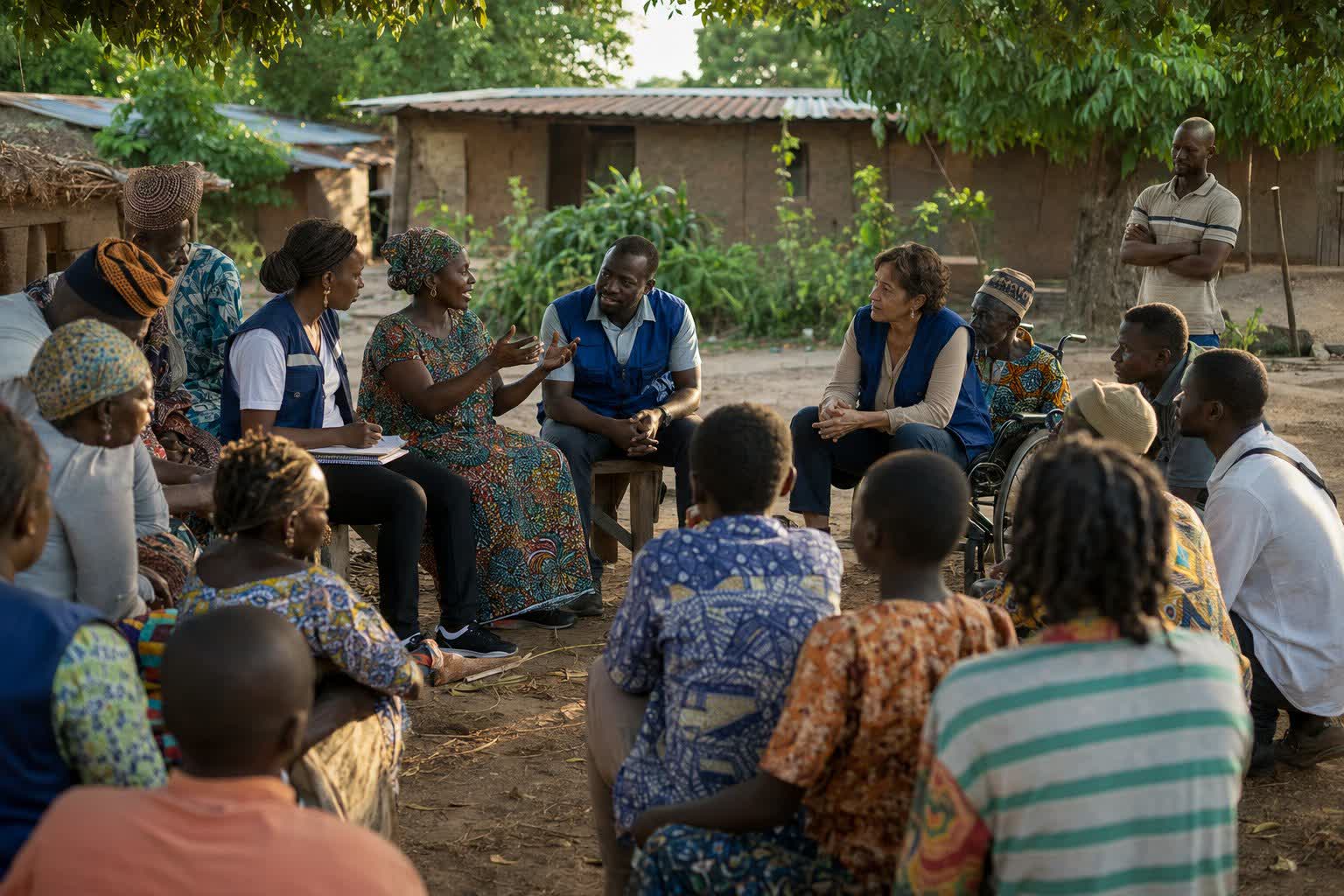
Through community resilience.
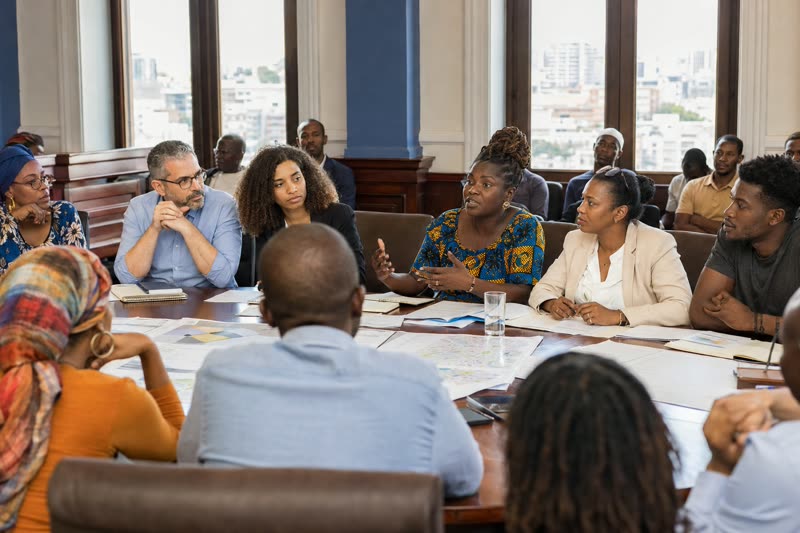
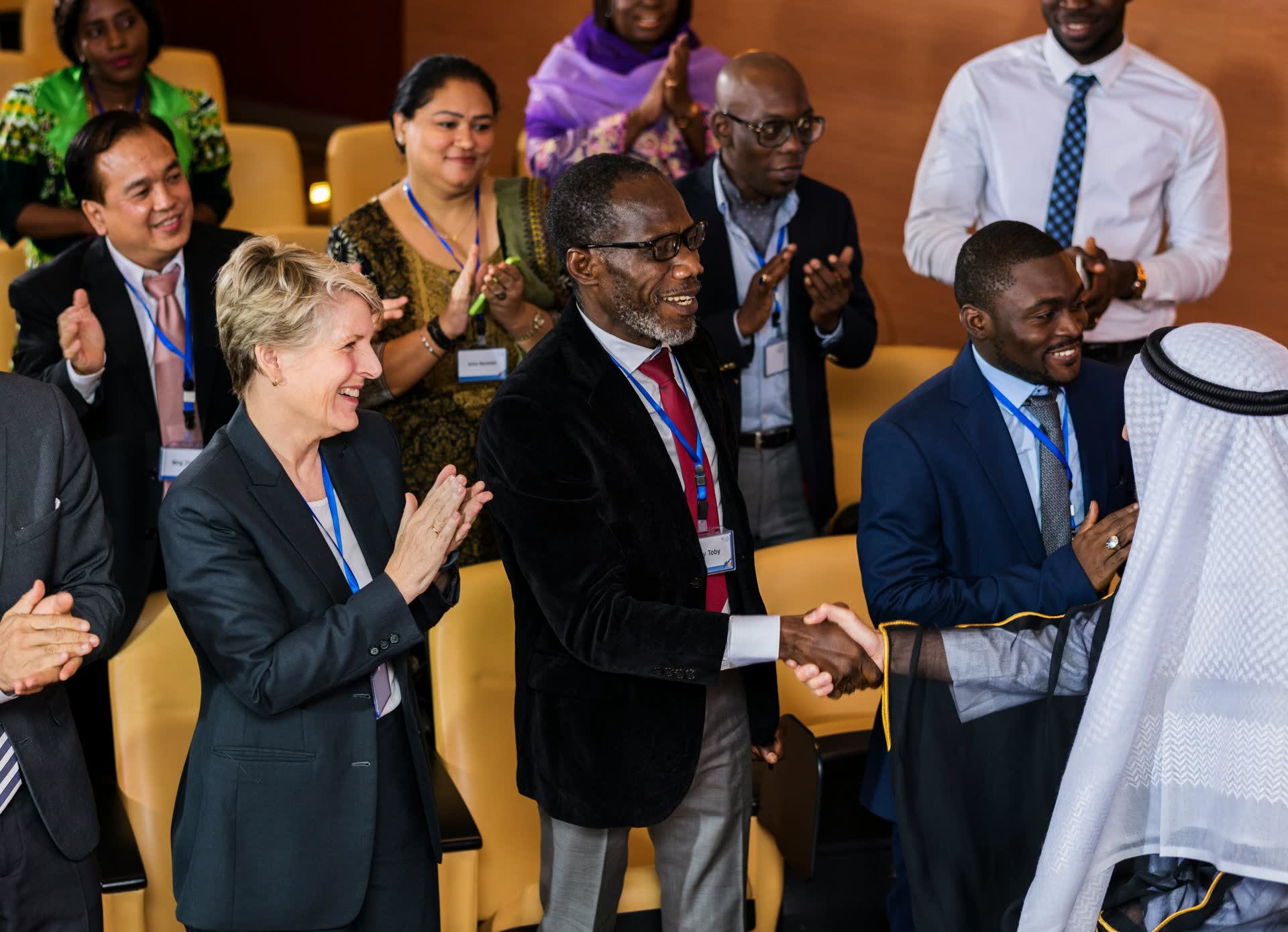
Through dialogue and cooperation among actors that share responsibility for development.
It is also from this perspective that the World Association for Development intends to further integrate prevention, social cohesion, and conflict sensitivity into its interventions and partnerships.
The international community devotes considerable resources to addressing the consequences of crises. This response will remain necessary for as long as populations need protection, relief, and support.
Yet a further ambition must now become imperative: progressively reducing what we will have to repair by investing more in what can be preserved.
Preserving a school before an entire generation loses access to learning.
Preserving institutions capable of functioning in times of tension.
Preserving spaces for dialogue before disagreements escalate into violence.
Preserving the economic opportunities that enable people to envision a future.
And, ultimately, preserving the fundamental capacity of societies to resolve their differences without destroying what generations have worked to build.
This is the meaning that the World Association for Development gives to the expression “invest in peace” on this 21 September 2026.
This is not a one-time investment.
It is a commitment that begins before a crisis, continues when peace is under threat, and remains necessary long after the guns have fallen silent.
The true cost of war is measured not only by what it destroys today, but also by everything it prevents peoples from building tomorrow.
Investing in peace is therefore a development choice: preserving today the conditions that will enable peoples to build their future without having to rebuild it tomorrow.
Issued on the occasion of the International Day of Peace,
21 September 2026
Executive President
Hugues B. GNIMADI
World Association for Development — AMD
For the Sustainable Advancement of Peoples and Communities