

























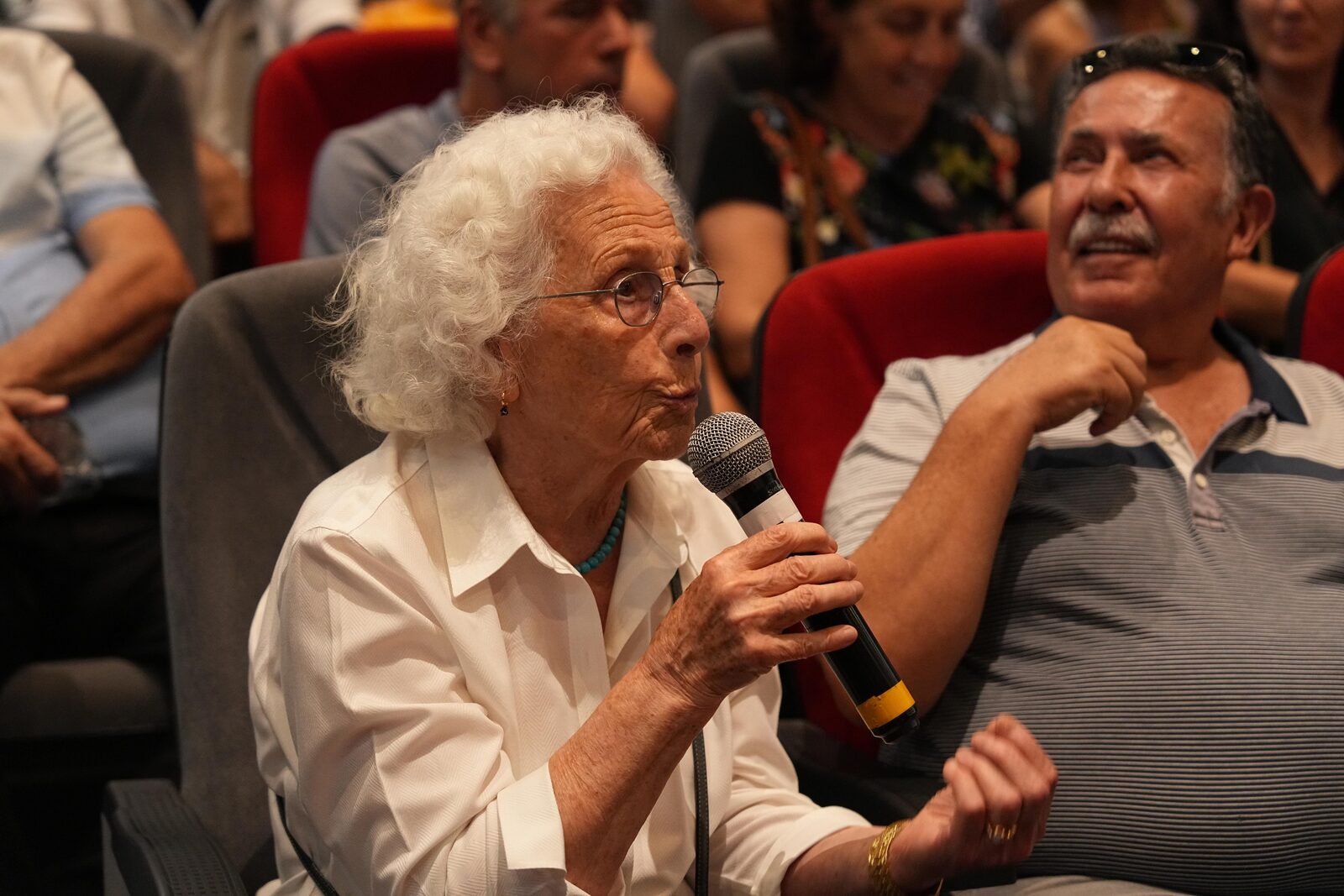
The rights of older people: combating ageism and exclusion
Advancing age should not diminish the scope of a person’s rights or their right to make decisions about their own life. For the World Association for Development, the dignity of older people requires that their voices be heard, their choices respected and their participation fully recognised. Age discrimination calls into question the ability of institutions and societies to guarantee equal rights at every stage of life.
The recognition of these rights is evident in the most everyday situations: being consulted directly, accessing a service, continuing to learn, managing one’s resources or choosing where to live. It is at this level that the place actually accorded to older people is put to the test.
How does ageism undermine equality?

Ageism encompasses stereotypes, prejudices and discrimination based on age. It occurs when belonging to an age group becomes the main criterion used to judge a person’s abilities, aspirations or worth.
The WHO describes a phenomenon that can be institutional, interpersonal or self-directed. Administrative practices, condescending attitudes or the internalisation of negative stereotypes can thus limit opportunities for participation.
The World Report on Ageism, published in 2021 by several United Nations agencies, estimated that one in two people worldwide held ageist attitudes towards older people. This estimate relates to attitudes and perceptions; it does not constitute a tally of legally established acts of discrimination.
The impact of these prejudices lies in their normalisation. Assuming that a person can no longer learn, adapt or take part in a decision can lead to them being sidelined before their situation has even been considered. Age then takes precedence over listening and individual assessment.
Why preserve freedom of choice?
Autonomy entails the ability to express one’s preferences and to participate in decisions concerning one’s own life. It deserves to be safeguarded even as the need for support increases.
Choosing where to live, consenting to care, maintaining relationships or organising one’s daily life are not secondary decisions. These choices determine how a person continues to live their life and exercise their rights.
The AMD advocates an approach to care that supports this freedom. A need for assistance cannot, in itself, justify disregarding a person’s voice. Recognising a person’s experience also means recognising their current preferences, even when these differ from those of those around them.
This requirement calls on institutions and professionals to present information in an understandable way, to address the person directly, and to ensure the conditions for their participation are in place. The ultimate aim of care must be to uphold the dignity of the person being supported.
How can we prevent exclusion from accessing services?
Exclusion can arise from a series of barriers: a building that is difficult to access, information that is hard to read, a complex procedure or a service that is exclusively digital. The accumulation of these barriers can reduce a person’s ability to carry out a procedure without relying on a third party.
An accessibility policy must be based on this practical experience. The modernisation of services would benefit from offering multiple access routes, in order to take account of differences in equipment, proficiency with digital tools and support needs.
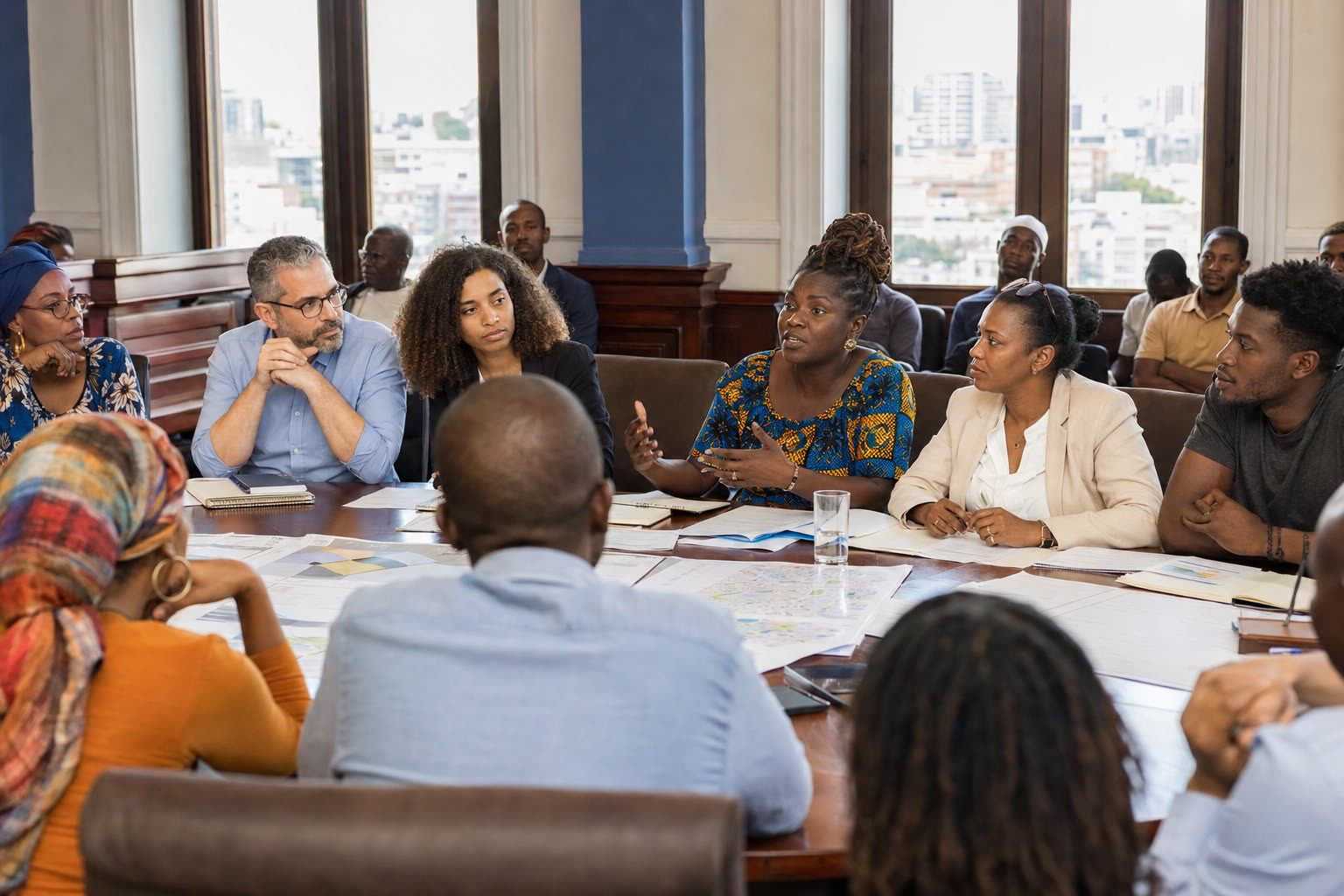
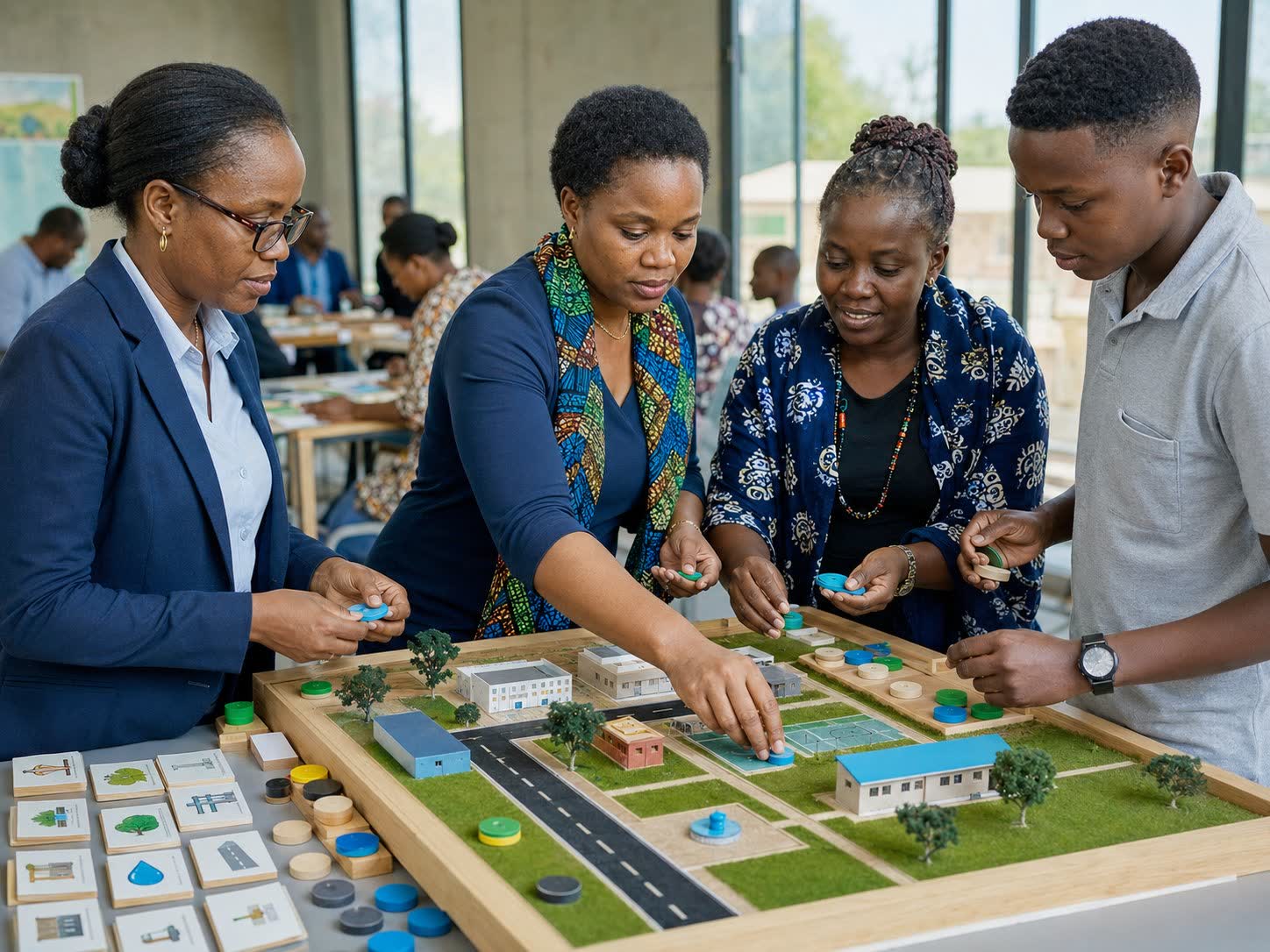
The same consideration must guide participation in public life. Older people must be able to contribute to shaping the housing, transport, health and local community policies that affect them. Consultations with them must take account of diverse circumstances and enable them to influence decisions.
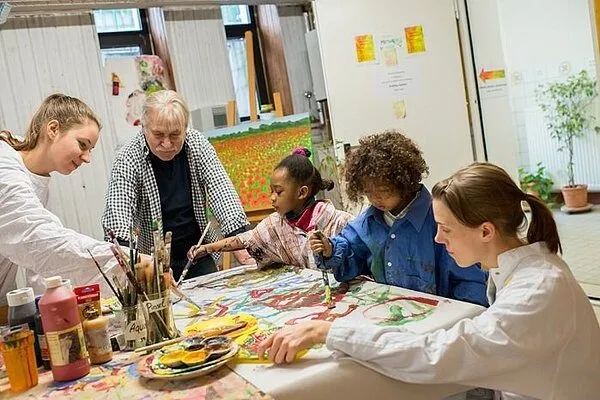
For the AMD, recognising older people as active participants in development means granting them a genuine role in these spheres. Sharing experience, involvement in voluntary organisations and civic participation must remain open options, exercised in accordance with each individual’s aspirations.
Why does abuse constitute a violation of rights?
Violence against older people can take physical, psychological, sexual or financial forms. It also includes neglect and abandonment, sometimes within relationships that are supposed to provide trust and security.
The WHO reports that an analysis of 52 studies conducted in 28 countries, published in 2017, estimated that approximately one in six people aged 60 or over had experienced some form of abuse within their familiar environment during the previous twelve months. This figure should be interpreted in the light of its reference period and the limitations of the available data.
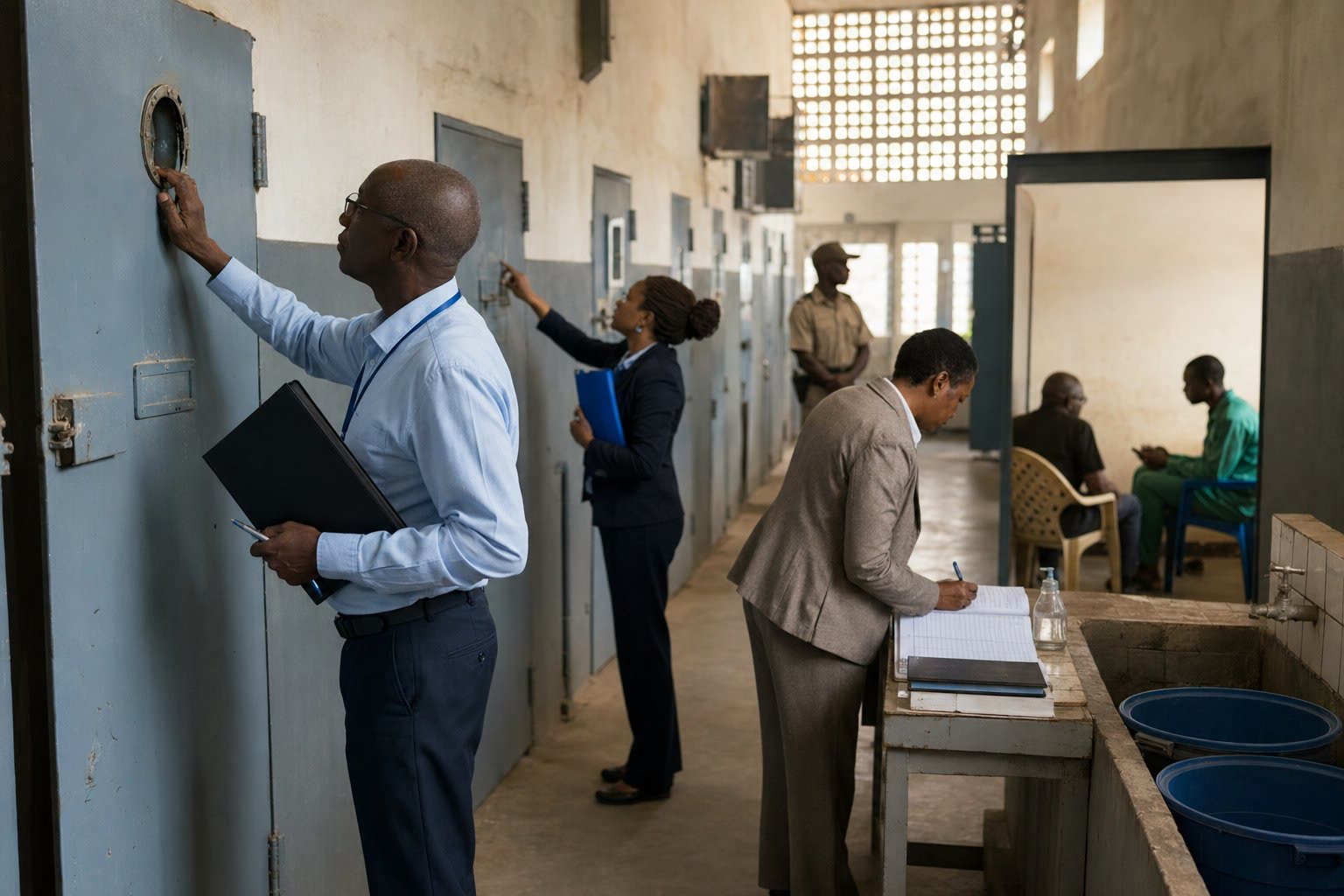
The seriousness of these situations calls for accessible prevention, reporting and redress mechanisms. People must be able to speak out in conditions that safeguard their safety and confidentiality. They must also be able to seek help without being solely dependent on the person whose actions they are reporting.
Institutional protection plays a crucial role here. It must enable the recognition of abuse, provide an appropriate response and, as far as possible, respect the choices of the person concerned.
What international progress has been made to strengthen protection?
In 2025, the United Nations Human Rights Council established an intergovernmental working group tasked with drafting a legally binding international instrument on the rights of older people. Its first session was held from 13 to 17 July 2026 in Geneva. This initiative is part of a drafting process and does not yet constitute a treaty that is in force. [4, 5]
This process provides a forum for clarifying safeguards and ensuring greater consideration of the barriers encountered. Its benefits should ultimately be reflected in the practical conditions under which these rights are exercised.
A shift in public perceptions also remains necessary. The Global Report on Ageism identifies policies and laws, educational initiatives and intergenerational engagement as key levers for combating this phenomenon. [2]
The World Association for Development enshrines this requirement within a vision of progress that safeguards everyone’s place throughout their lives. Dignity does not depend on age, level of independence or economic contribution. It entails a responsibility on the part of societies to ensure that every person can continue to be heard, respected and recognised in their rights.
SAMYATH A. AMOUSSA