


























Healthy School Program
Context and Rationale
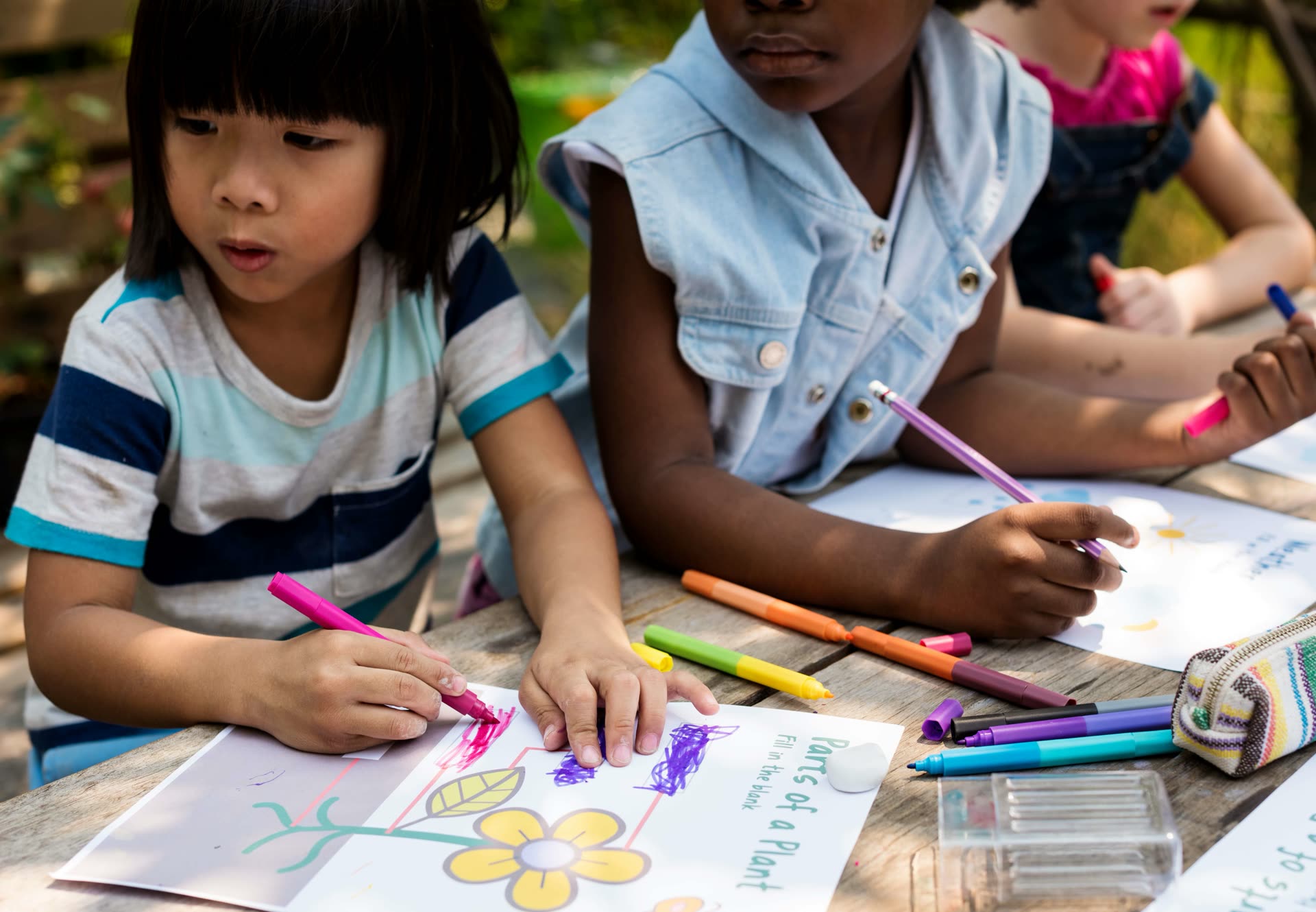
Despite progress in access to education, hundreds of millions of children around the world continue to learn in conditions of inadequate sanitation, marked by the absence of safe drinking water, hygiene facilities, and functional sanitation systems. This situation constitutes a major contradiction: the school, which is meant to be a space of protection, knowledge, and emancipation, becomes for many a site of exposure to disease, exclusion, and inequality. The school hygiene deficit is not a marginal issue; it reveals a structural fracture in global development and a fundamental failure in the prioritisation of public resources.
International data confirm the scale and severity of the problem. Hundreds of millions of pupils daily attend institutions without secure access to water or adequate toilets, with direct consequences for health, school attendance, and educational achievement. Water-borne and parasitic diseases remain one of the leading causes of absenteeism and school dropout, while girls are particularly disadvantaged by the absence of appropriate sanitary infrastructure, especially during adolescence. This situation perpetuates gender inequalities, weakens human capital, and durably compromises prospects for economic and social development.
In this context, the Healthy School Program stands out as a highly relevant and structurally significant response. It transcends the sectoral or infrastructural approach to treat school hygiene as a central issue of sustainable development, at the intersection of public health, education, gender equality, and governance. In alignment with Sustainable Development Goals 3, 4, 5, and 6, the program offers an integrated vision aimed at making the school a space of dignity, protection, and well-being. It thereby responds to a fundamental imperative: without a healthy school environment, there can be neither quality education, nor equal opportunity, nor lasting human progress.