
















World summit of Spouses of Heads of State and Government on Children’s Emergencies
Context and Rationale
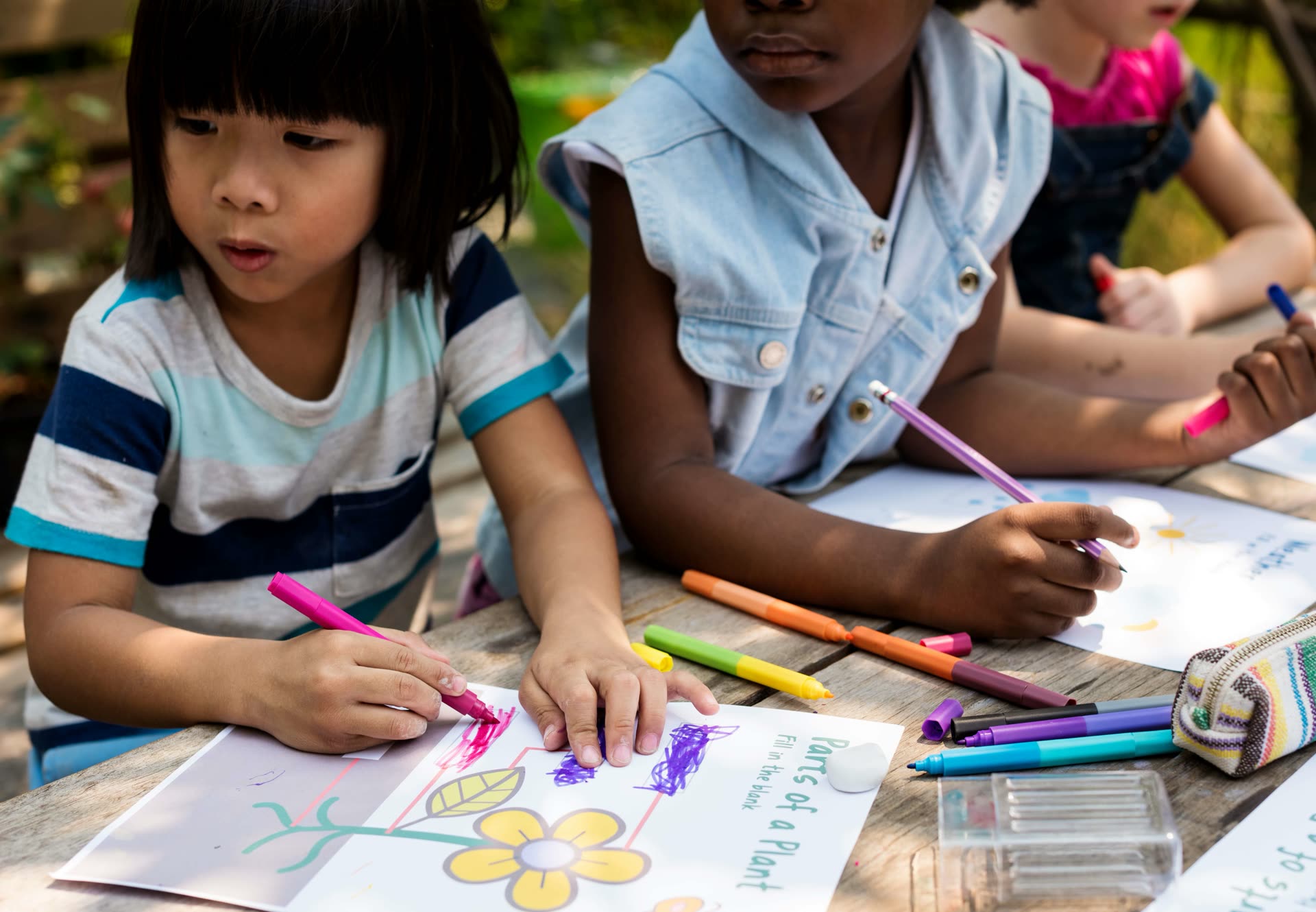
The world is traversing a period of profound and cumulative crises armed conflicts, climate disruption, pandemics, extreme poverty, and social instability of which children are the primary victims. Despite technological advances and existing international legal frameworks, millions of children continue to die from preventable causes, to be denied care, education, and protection, or to grow up in contexts marked by violence and insecurity. This situation reveals a major contradiction of the contemporary world: never has humanity possessed such extensive means, and yet childhood remains massively exposed to global disruptions.
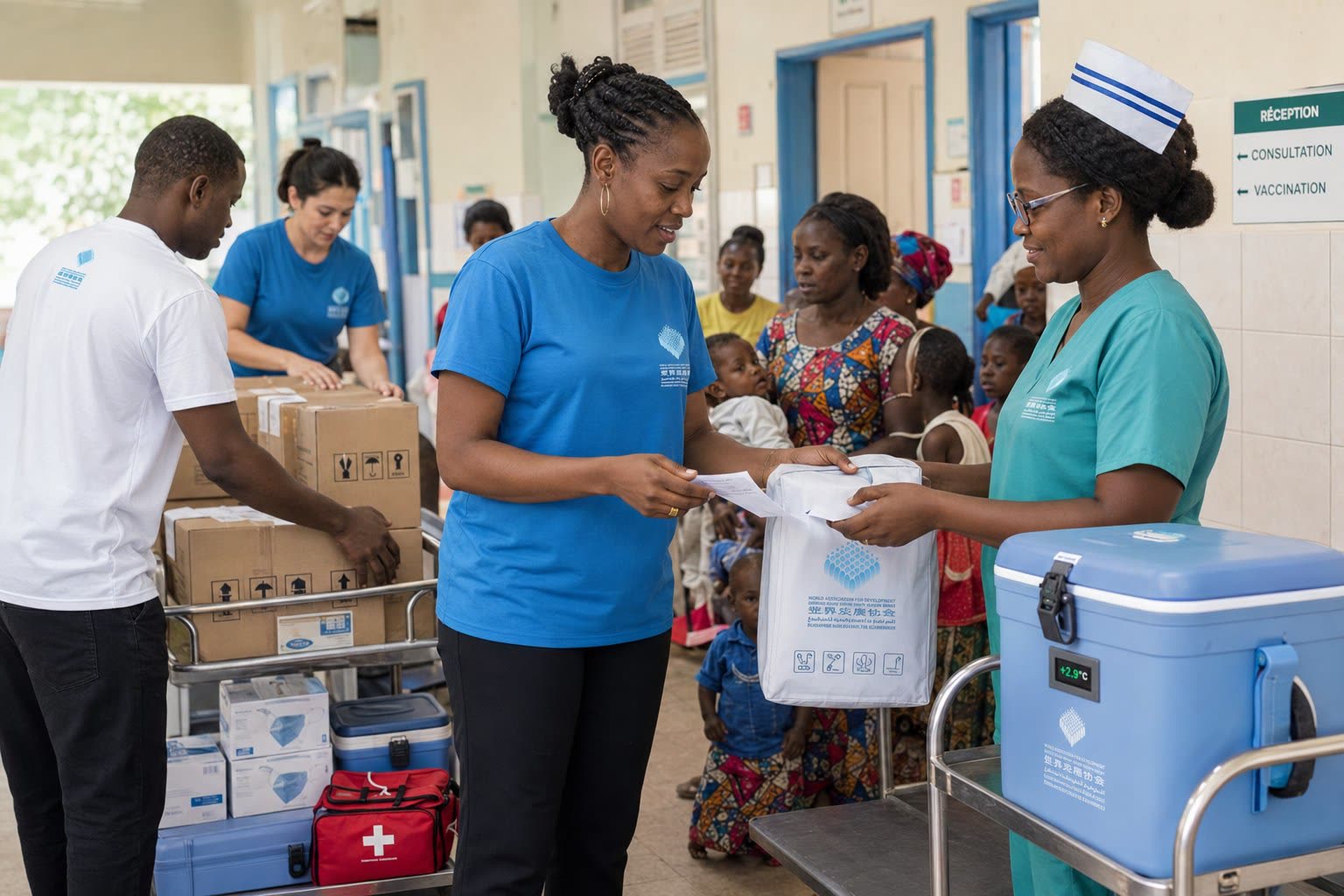
Current responses to these emergencies remain largely inadequate. Although many humanitarian actors are mobilised, actions remain fragmented, underfunded, and weakly coordinated at the political level. Child protection is still too frequently relegated to the status of a one-off humanitarian intervention, dependent on emotion, media coverage, or the conjunctural will of donors. This deficit of governance and political leadership prevents the transformation of international commitments into durable mechanisms capable of anticipating and effectively responding to crises affecting children.
It is in this context that the World summit of Spouses of Heads of State and Government on Children’s Emergencies finds its full strategic relevance. The initiative responds to a major institutional gap by proposing an unprecedented framework for high-level humanitarian and diplomatic governance, driven by the moral authority and influence of spouses of world leaders. By placing the child at the heart of global political priorities, the summit aims to refound international solidarity around a collective, structured, and enduring commitment. It aspires to transform child protection from a reactive emergency response into a central pillar of peace, stability, and sustainable development at the global scale.