



























Haiti: Security Collapse and State Inability to Respond to an Extreme Humanitarian Crisis
A humanitarian crisis born from the collapse of public order
Haiti is currently facing a humanitarian crisis of exceptional severity, directly linked to the near-total collapse of public order and the state's loss of control over large parts of the territory, particularly in the capital and its surrounding areas. The growing power of heavily organized armed groups has transformed insecurity into a defining factor of daily life, making access to essential services, markets and humanitarian assistance extremely difficult for a large part of the population.
Armed violence and forced displacement in urban areas
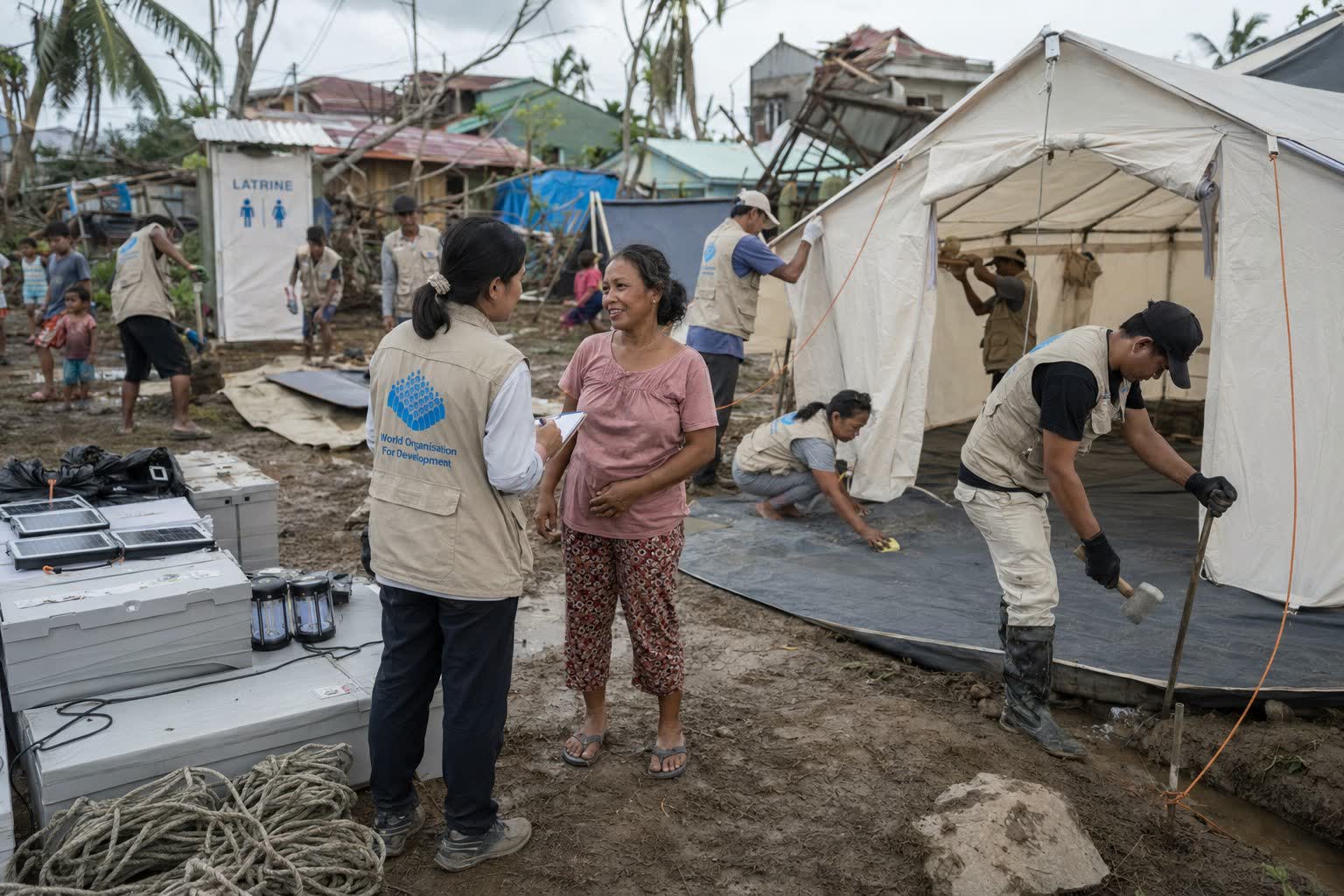
Widespread violence has caused massive displacement, primarily in urban areas, under highly precarious conditions. Hundreds of thousands of people have been forced to flee their neighborhoods, often repeatedly, seeking refuge in makeshift sites or within already vulnerable communities. These internal displacements, unusual in their urban concentration, place considerable pressure on local resources and increase health, food security and protection risks.
Acute food insecurity and disruption of economic networks
The security crisis has profoundly disrupted economic and food supply networks. Access to basic goods is hindered by blockades, extortion and insecurity along transport routes, leading to soaring prices and shortages of essential products. A growing share of the Haitian population is facing severe levels of food insecurity, with households forced to drastically reduce their consumption or resort to extreme coping strategies.
Collapse of essential services and health vulnerabilities
Essential public services, already fragile before the current crisis, are now largely dysfunctional. Many healthcare and educational facilities have been forced to close or drastically reduce their activities because of insecurity. Access to drinking water, sanitation and healthcare is severely compromised, increasing the risks of disease, malnutrition and preventable mortality, particularly among children and pregnant women.
A governance crisis with direct humanitarian consequences
The humanitarian crisis in Haiti is inseparable from a profound governance crisis. The absence of effective institutional capacities, the paralysis of sovereign state functions and the collapse of trust between the state and the population severely limit any structured response. This vacuum of public authority leaves populations exposed to arbitrary violence and deprives humanitarian actors of stable counterparts and operational frameworks.
An obstructed and underfunded humanitarian response
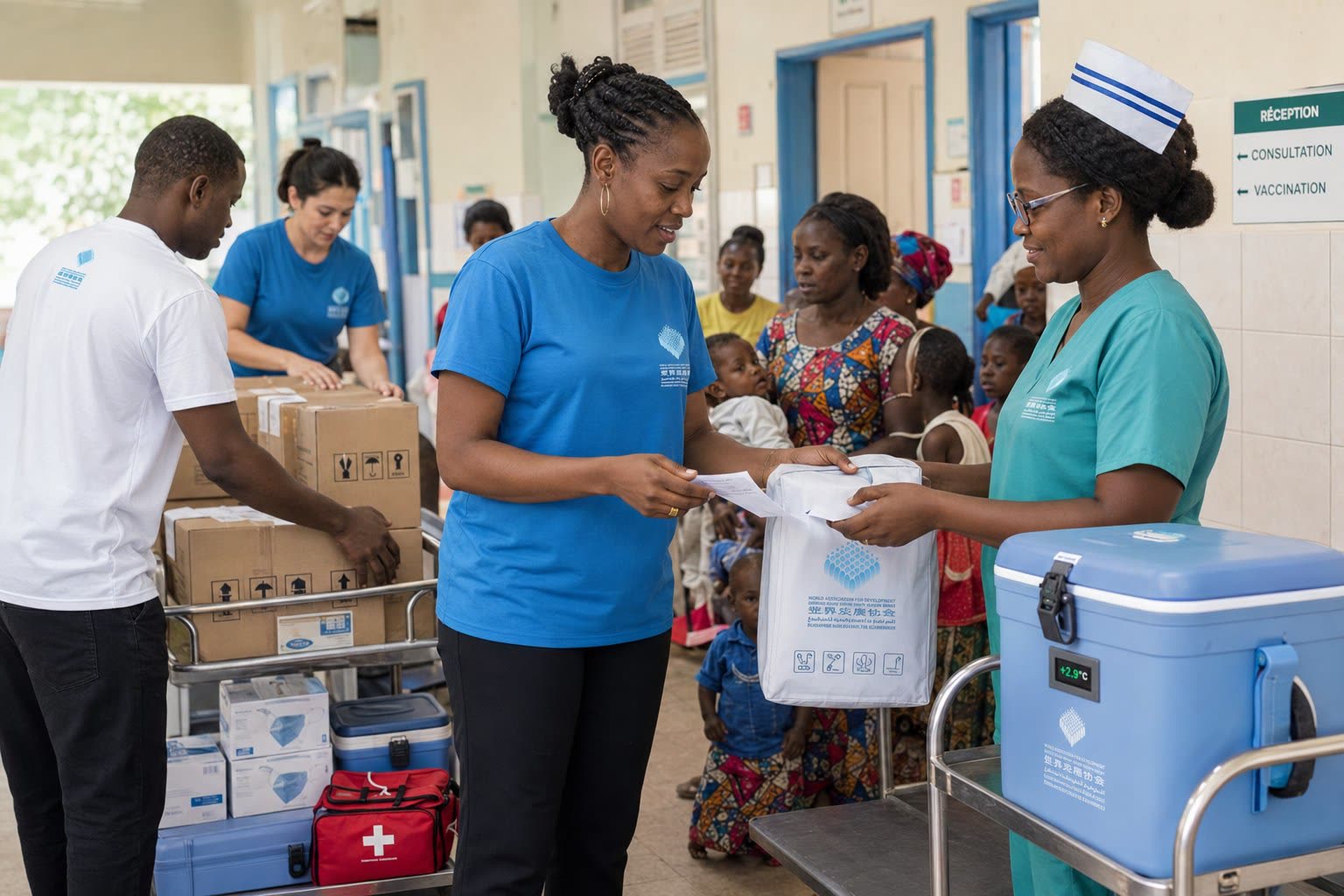
Despite the scale of the needs, the humanitarian response remains severely constrained by insecurity and chronic underfunding. Access restrictions, risks to humanitarian personnel and political instability reduce the ability of organizations to reach the most vulnerable populations. This situation fuels a vicious cycle in which growing needs consistently exceed available response capacities.
An extreme crisis with regional implications
The situation in Haiti extends far beyond the national framework and has major regional implications, particularly regarding human mobility and stability in the Caribbean. Without stronger international engagement combining security, humanitarian assistance and institutional reconstruction, the crisis risks deteriorating further. Haiti dramatically illustrates the humanitarian consequences of prolonged state collapse, calling for an exceptional, coordinated and sustained response.