
























Honduras: Chronic Violence, Forced Displacement and Persistent Food Insecurity
A humanitarian crisis rooted in violence and insecurity
Honduras is facing a complex and protracted humanitarian crisis, primarily driven by high levels of armed violence, the structured presence of criminal groups, and widespread insecurity affecting civilian populations. This chronic violence, rooted in gang dynamics, extortion, and territorial control, profoundly weakens the social fabric and limits access to essential services. Far from being a temporary phenomenon, insecurity constitutes a structural factor of vulnerability that continues to shape patterns of poverty and exclusion over the long term.
Widespread and largely invisible forced displacement
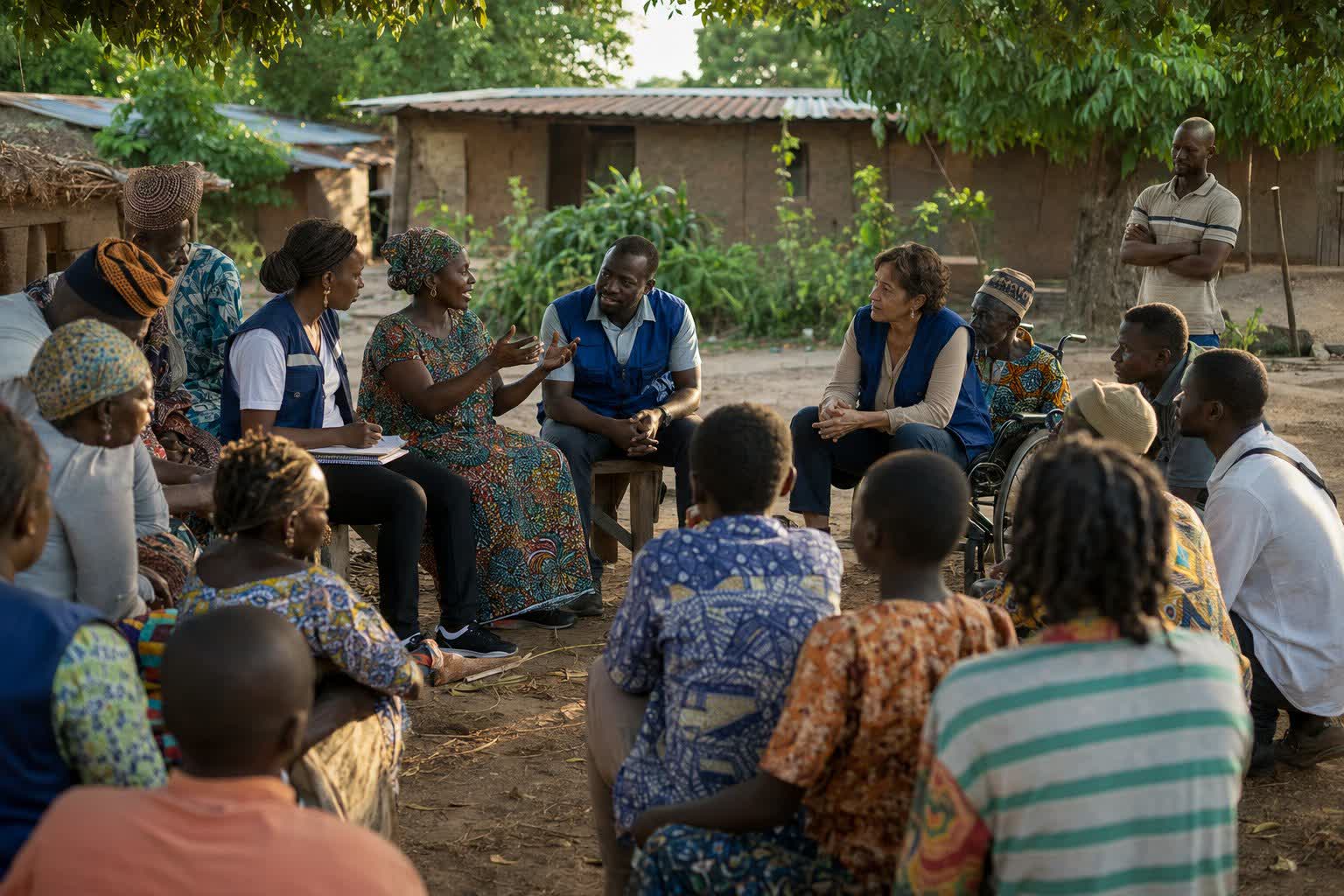
Persistent violence forces tens of thousands of people each year to flee their homes, often remaining within the country and living in highly precarious conditions. These largely under-documented internal displacements primarily affect disadvantaged urban neighborhoods and isolated rural areas, where populations are exposed to direct threats to their safety. Displaced people have limited access to protection, livelihoods, and social services, increasing their vulnerability and heightening the risk of repeated cycles of displacement.
Food insecurity worsened by poverty and climate change
Alongside violence, Honduras faces persistent food insecurity, exacerbated by structural poverty and the effects of climate change. The regions of the “Dry Corridor” are particularly affected by recurring droughts and irregular rainfall, which undermine agricultural production and the livelihoods of rural households. This combination of security and climate shocks exposes a growing share of the population to severe food deficits, disproportionately affecting children and already marginalized communities.
Growing pressure on social services and protection systems
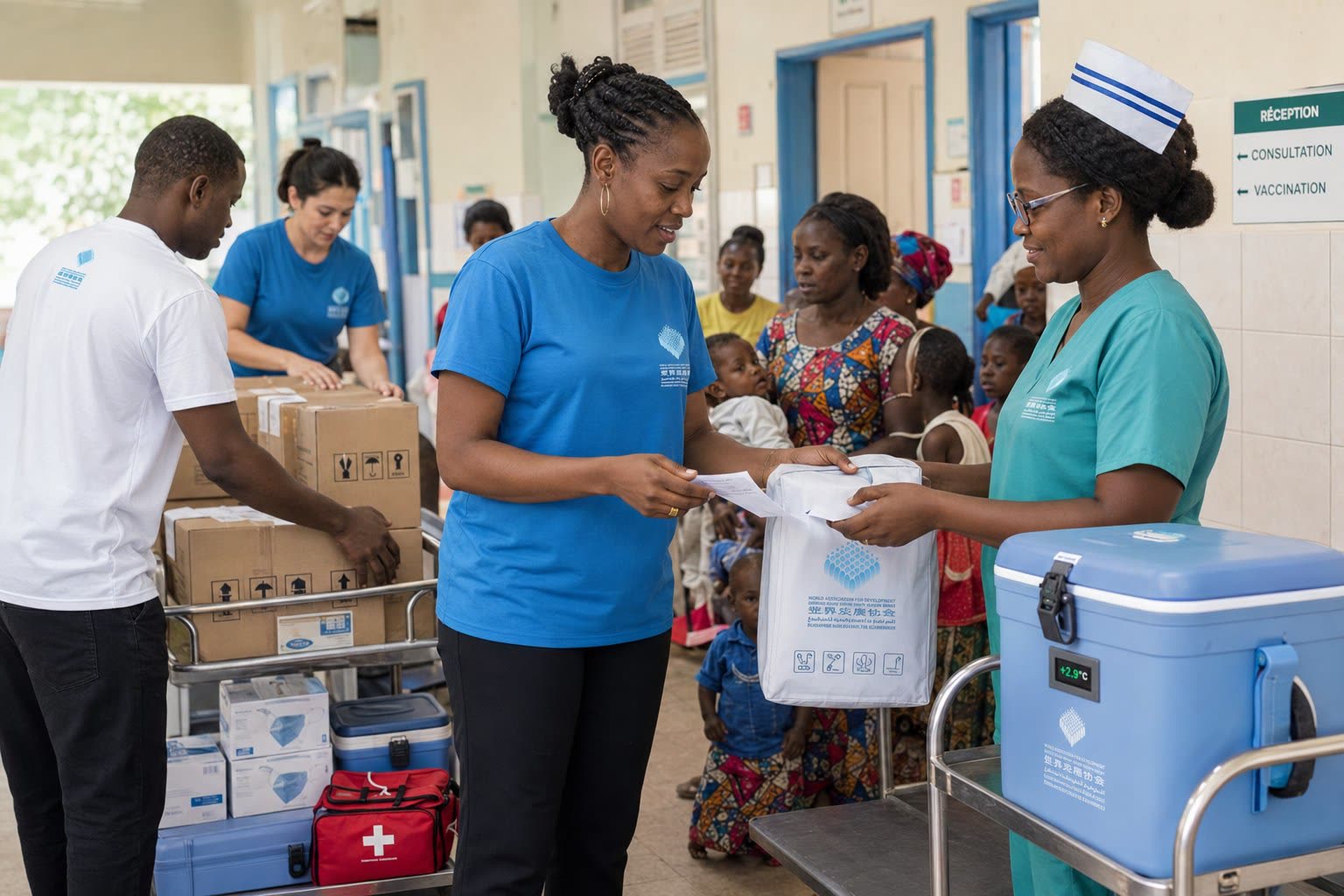
The humanitarian crisis in Honduras places significant pressure on already fragile social services. Health, education, and social protection systems struggle to meet growing needs, particularly in areas affected by violence and displacement. Limited access to protection for victims of violence, especially women and children, increases the risks of abuse, malnutrition, and school dropout, undermining long-term human development.
Forced migration and the regional dimension of the crisis
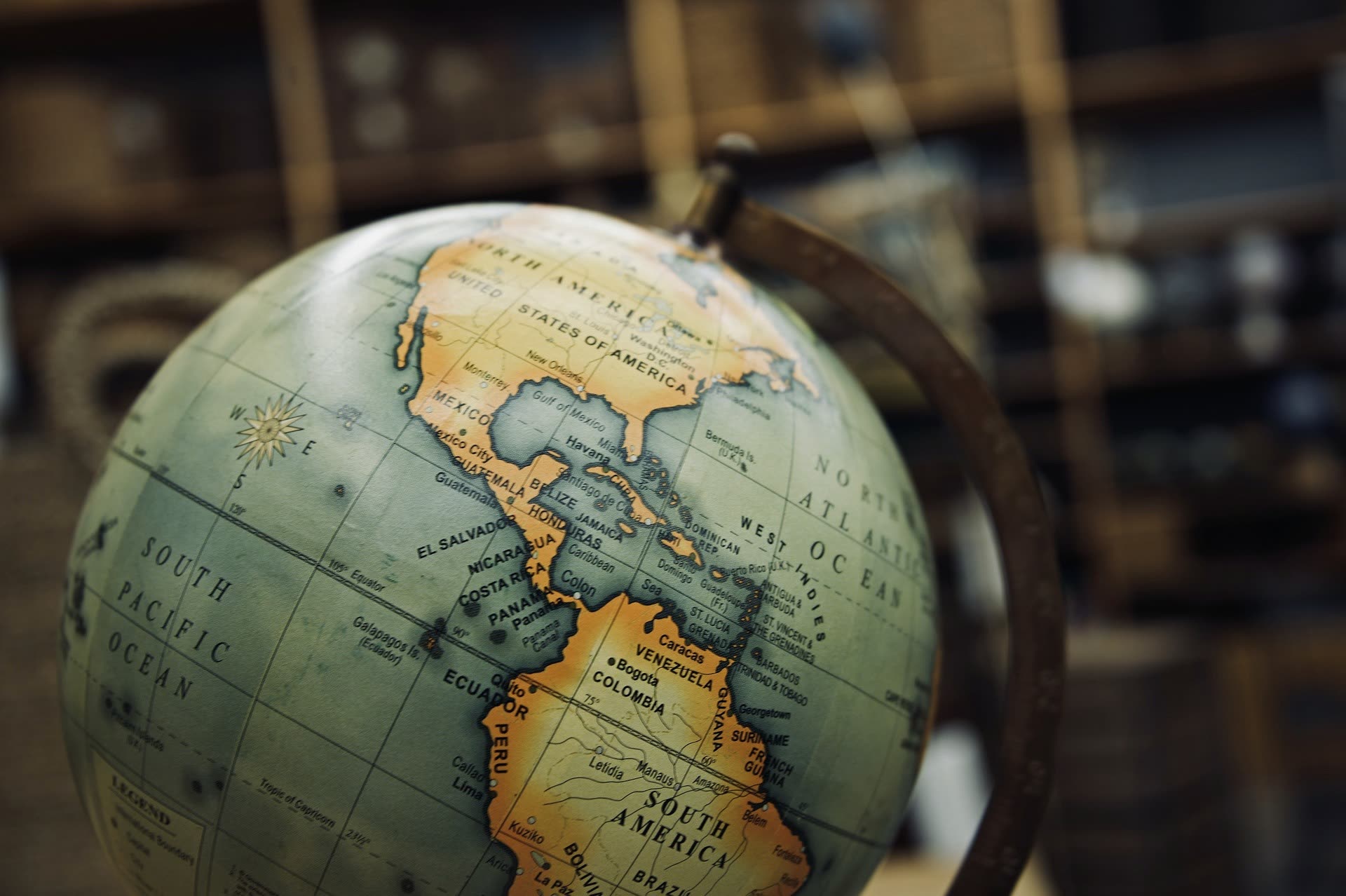
The lack of economic opportunities and the constant threat of violence push many Hondurans to consider migration as a survival strategy. This often dangerous forced migration is part of a broader regional dynamic, with humanitarian repercussions extending beyond national borders. Honduras is thus becoming a central point in a crisis of protection and human mobility that extends far beyond the national framework and calls for the collective responsibility of the region and the international community.
A structural crisis requiring an integrated response
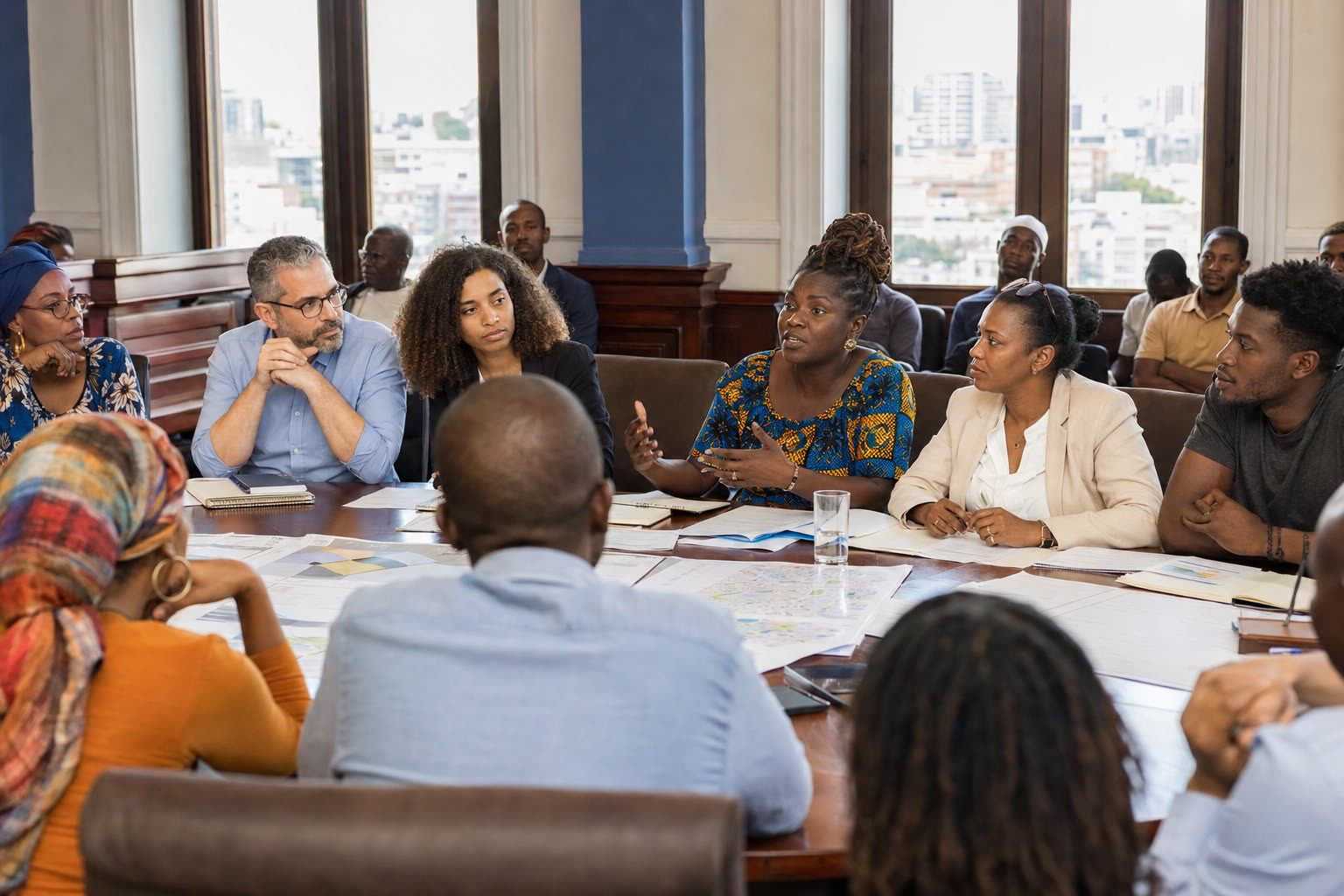
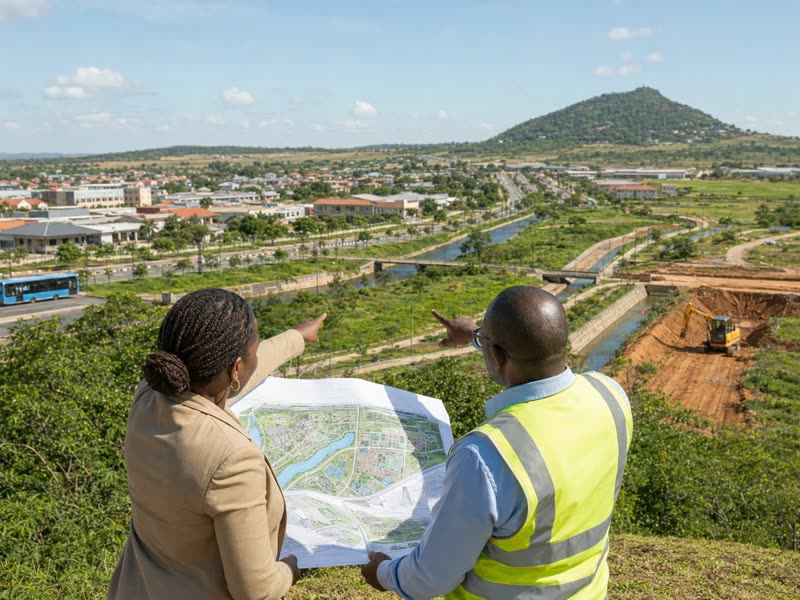
The humanitarian situation in Honduras highlights the limitations of sectoral responses to a multidimensional crisis in which violence, poverty, food insecurity, and institutional fragility intersect. A sustainable response requires an integrated approach combining civilian protection, humanitarian assistance, strengthened social services, and long-term investment in violence prevention and livelihood resilience. Without stronger and coordinated commitment, the Honduran crisis risks becoming further entrenched, with lasting human and regional consequences.