





























Territorial Divides and Inequality of Opportunities: An Analysis of Disparities Between Urban and Rural Areas
Engaging Description This article examines the persistent disparities between urban and rural areas in terms of infrastructure, public services and economic opportunities. It highlights the impact of these territorial divides on development, social cohesion and equity.
Introduction
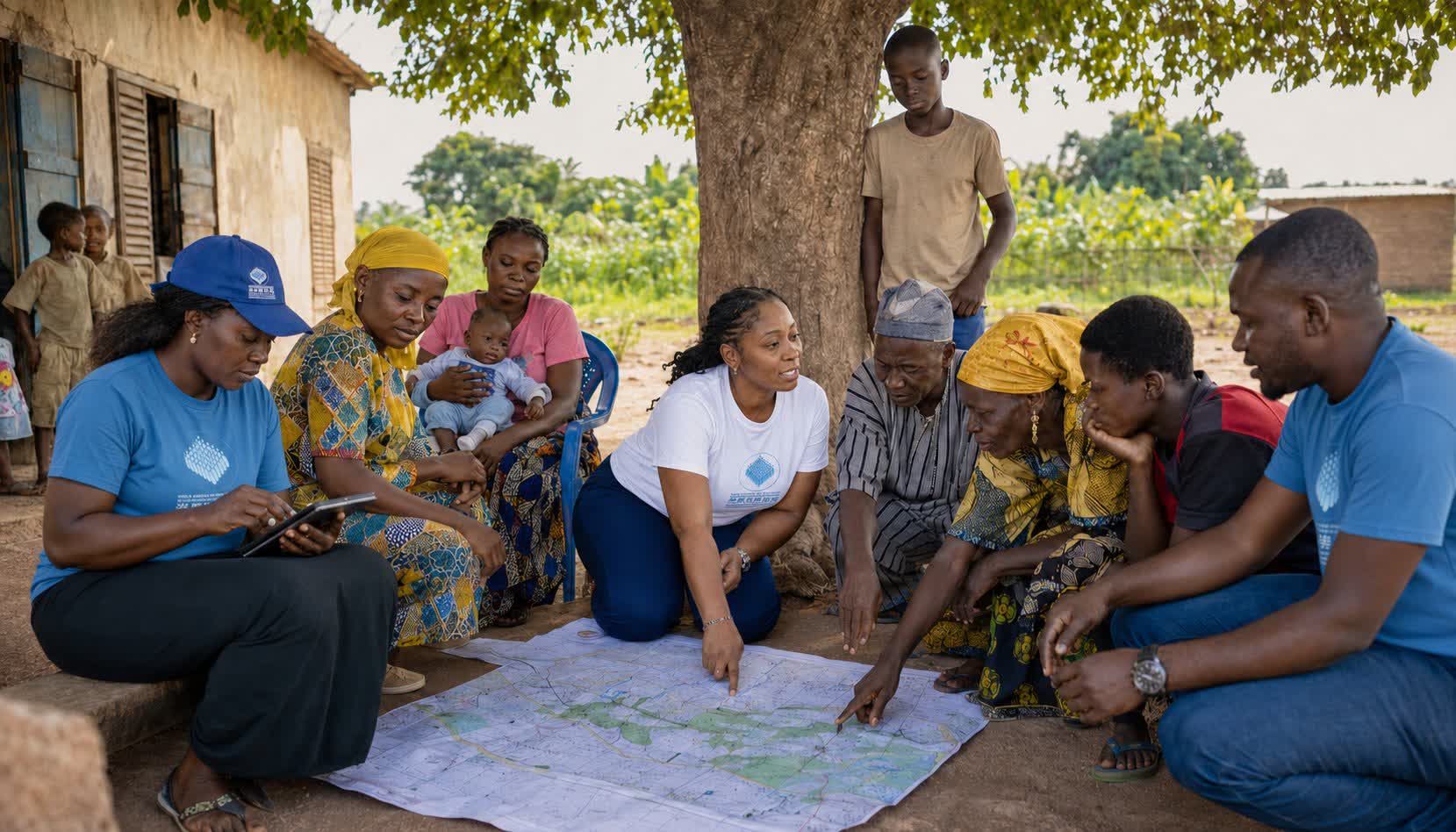
Territorial divides are today among the most persistent and structurally significant drivers of inequality. Gaps between urban and rural areas are reflected in unequal access to essential services, infrastructure, employment and economic opportunities. These disparities, documented by the World Bank, the OECD, UNESCO and UNDP, directly influence social mobility, quality of life and human development. Rural areas, often underserved by public and private resources, face structural challenges that reinforce their vulnerability. Understanding these territorial divides is essential for designing public policies capable of promoting genuine equity and balanced development.
Development
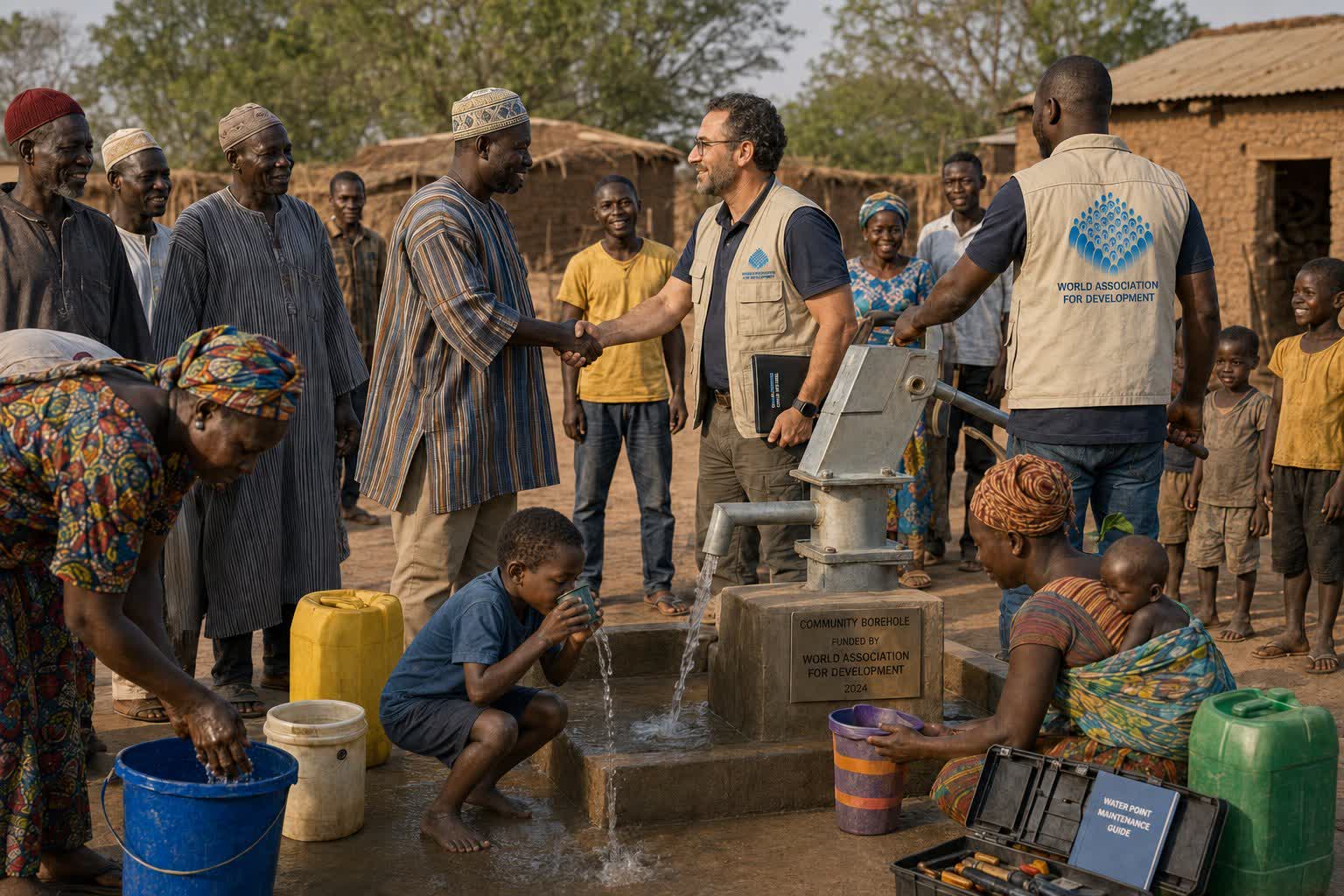
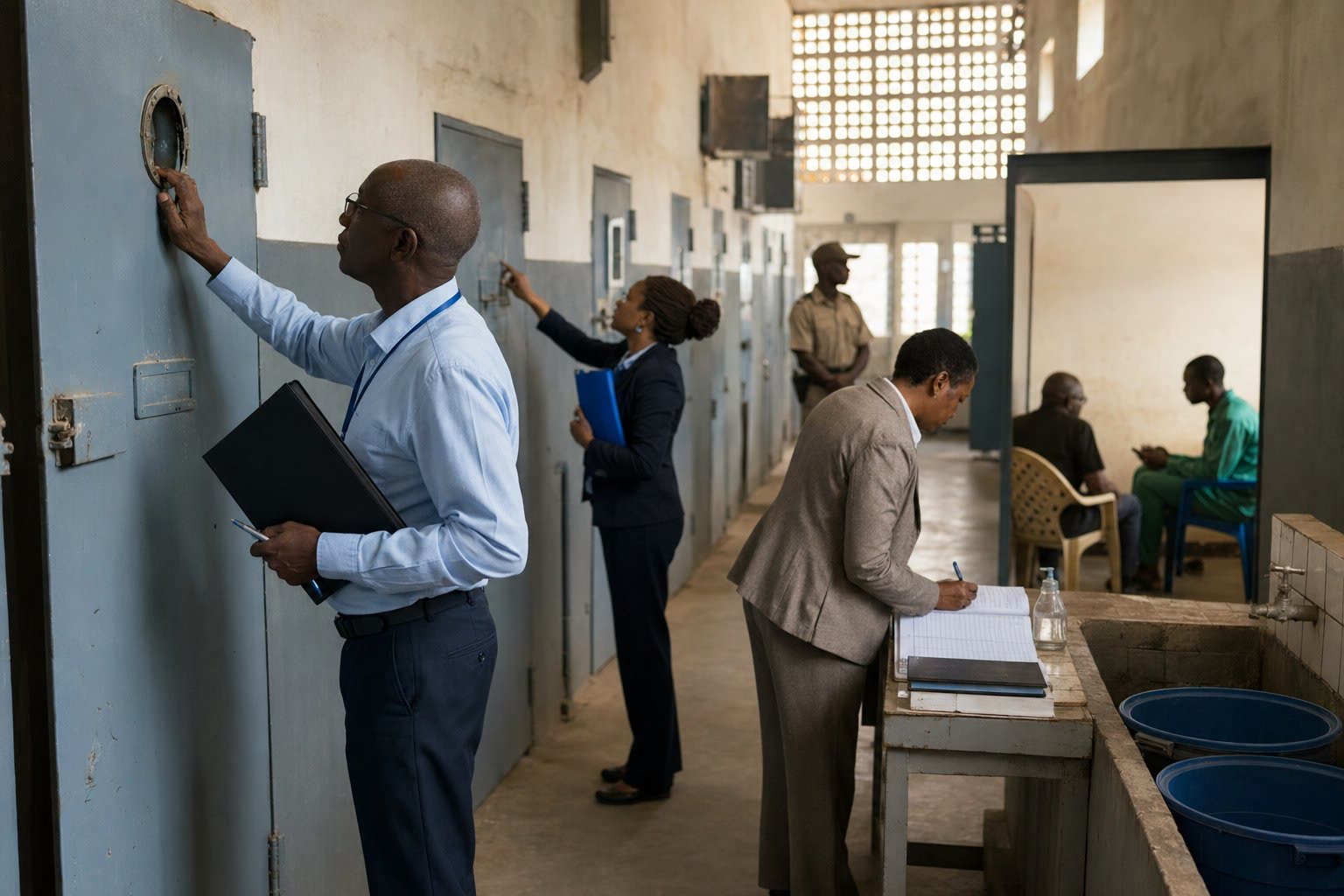
Territorial inequalities are first expressed through access to essential services. Rural populations often have limited access to quality education, healthcare, drinking water, energy and digital infrastructure. Rural schools suffer from shortages of qualified teachers, insufficient educational materials and higher dropout rates. Health centers, meanwhile, lack personnel, equipment and medicines, creating a significant gap in public health indicators. The absence or inadequacy of water and sanitation infrastructure increases health risks and hampers productivity.
Economic opportunities also differ significantly between urban and rural areas. Cities concentrate the majority of formal employment, businesses, financial services and industrial infrastructure. Conversely, rural areas remain dominated by low-value-added agricultural activities, characterized by limited productivity and high vulnerability to climate shocks. This economic structure restricts employment opportunities, reduces incomes and limits the inclusion of young people and women in modern labor markets. The limited economic diversification of rural areas represents a major obstacle to their development.
The digital dimension is now reinforcing these territorial divides. Limited access to high-speed internet and digital technologies reduces the ability of rural populations to access information, online education, digital financial services and economic opportunities linked to the digital economy. This digital exclusion, often described as a results in increased marginalization in an increasingly digitalized world. OECD analyses show that digital gaps directly contribute to the reproduction of economic and educational inequalities.
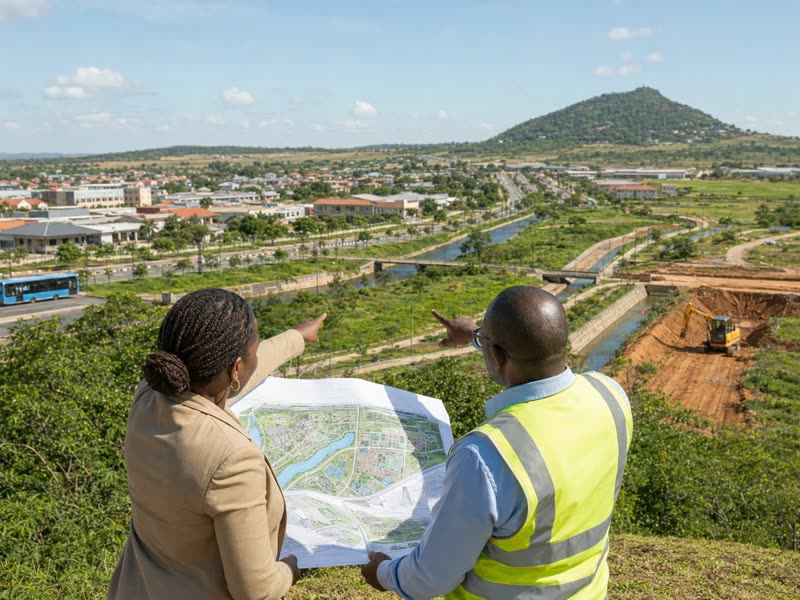
Transport infrastructure plays a central role in amplifying territorial divides. Poorly maintained roads, the absence of public transportation and distance from markets create higher transaction costs for rural populations. These obstacles hinder the integration of rural areas into national and international value chains, limit access to opportunities and widen productivity gaps between rural and urban areas.
Finally, territorial divides produce profound social effects. Rural exodus, mainly driven by the search for better economic and social opportunities, leads to the gradual depopulation of rural territories, weakening local communities, reducing institutional capacities and accelerating demographic ageing. This demographic imbalance weakens rural public services and increases the burden on households, creating a cycle of vulnerability. Territories that do not benefit from adequate public investment see their prospects for inclusion and development diminish.
Conclusion
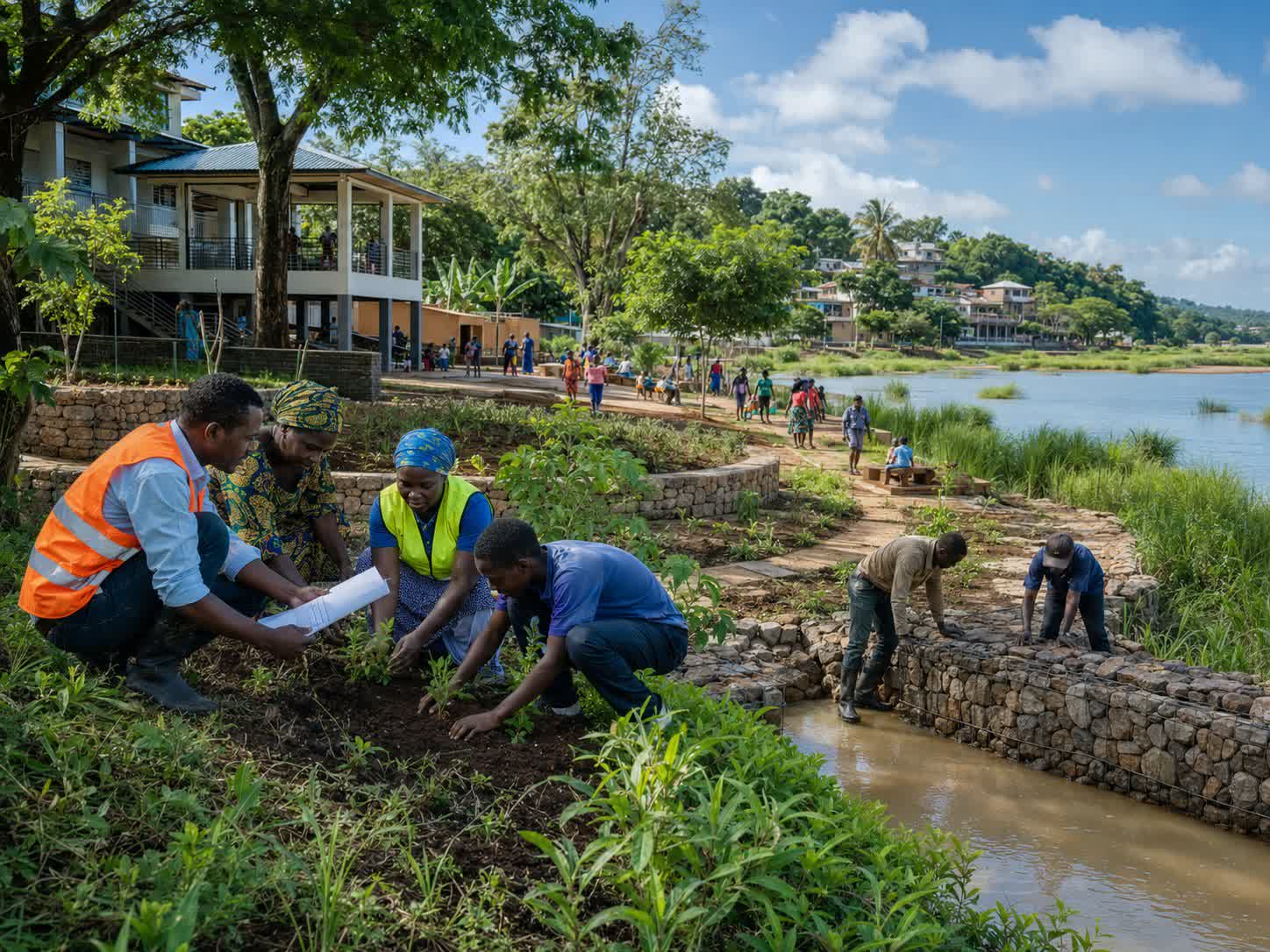
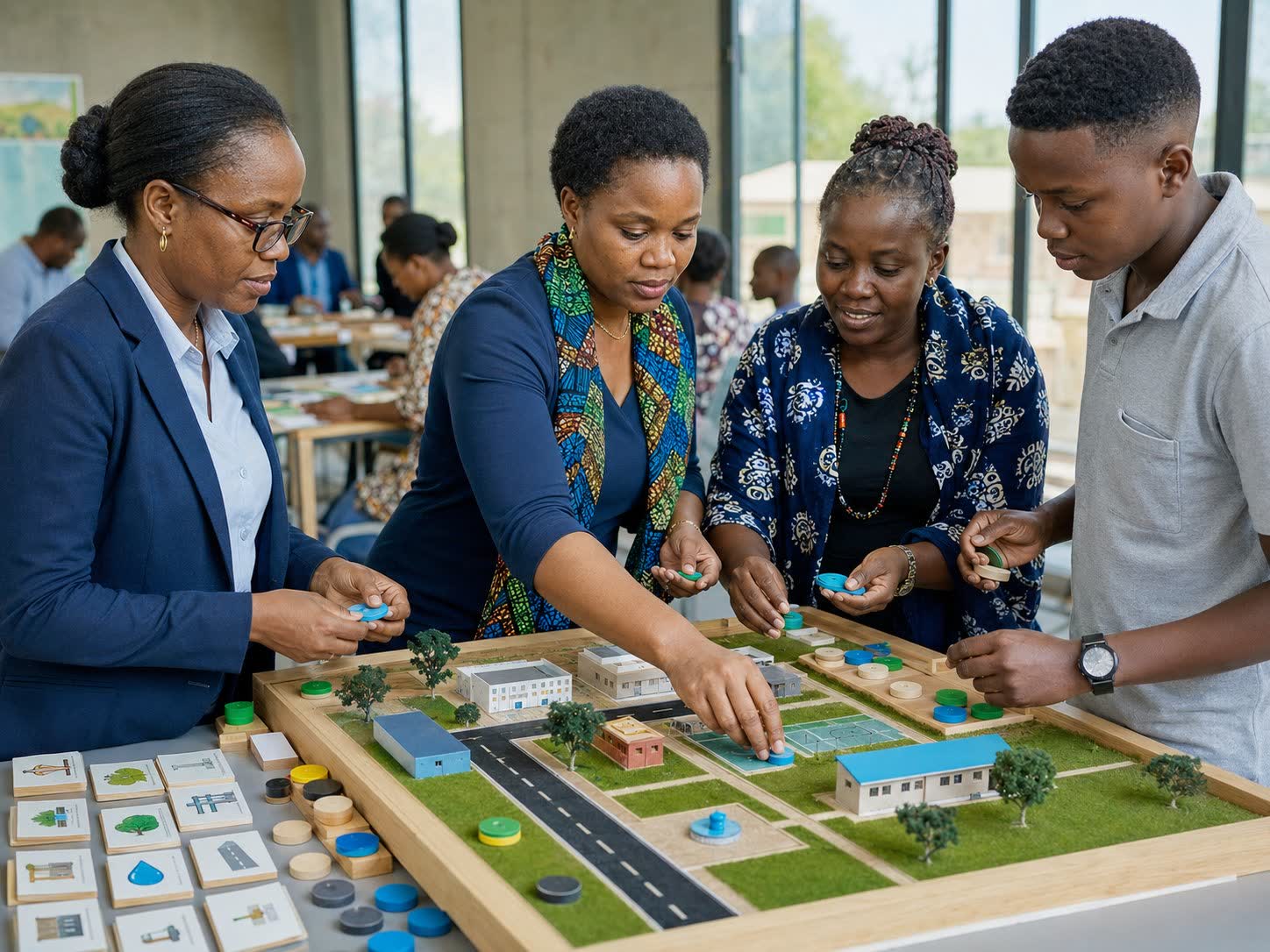
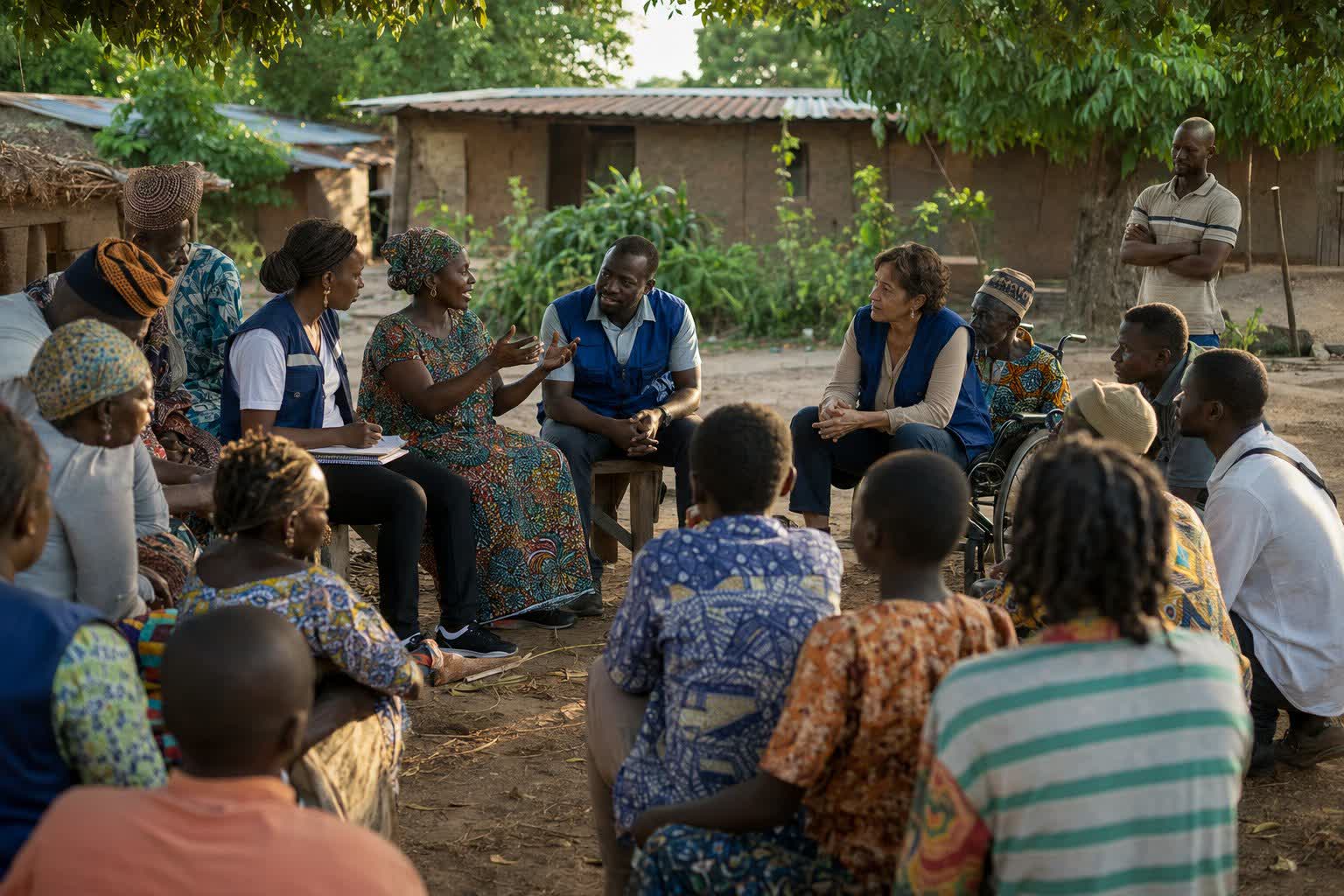
Territorial divides constitute one of the major challenges for states pursuing a sustainable and inclusive development trajectory. Disparities between urban and rural areas undermine social justice, weaken national cohesion and constrain long-term growth. Reducing these inequalities requires ambitious public policies combining investment in infrastructure, strengthening of essential services, digital inclusion and economic diversification of territories. An integrated approach based on decentralized and participatory governance is essential to building resilient and equitable territories. By rebalancing opportunities between rural and urban areas, societies can promote harmonious development founded on equity and the participation of all.
Angle / Description
This article analyzes territorial divides between urban and rural areas and highlights the impacts of these disparities on economic opportunities, public services and social cohesion.