



























Training to Transform: The Key to a Resilient and Equitable Economy
Introduction
In a world marked by rapid transformations — digital transition, industrial change, climate change and economic crises — training has emerged as one of the most decisive levers for building resilient and inclusive economies. It enables individuals to adapt to constantly changing labor markets, seize opportunities linked to new technologies and actively contribute to growth. Yet, in many countries, access to quality training remains unequal, insufficiently funded or poorly aligned with the actual needs of societies. This mismatch weakens development prospects and deepens economic and social inequalities.
Development
Training as a pillar of resilience in the face of economic and technological crises
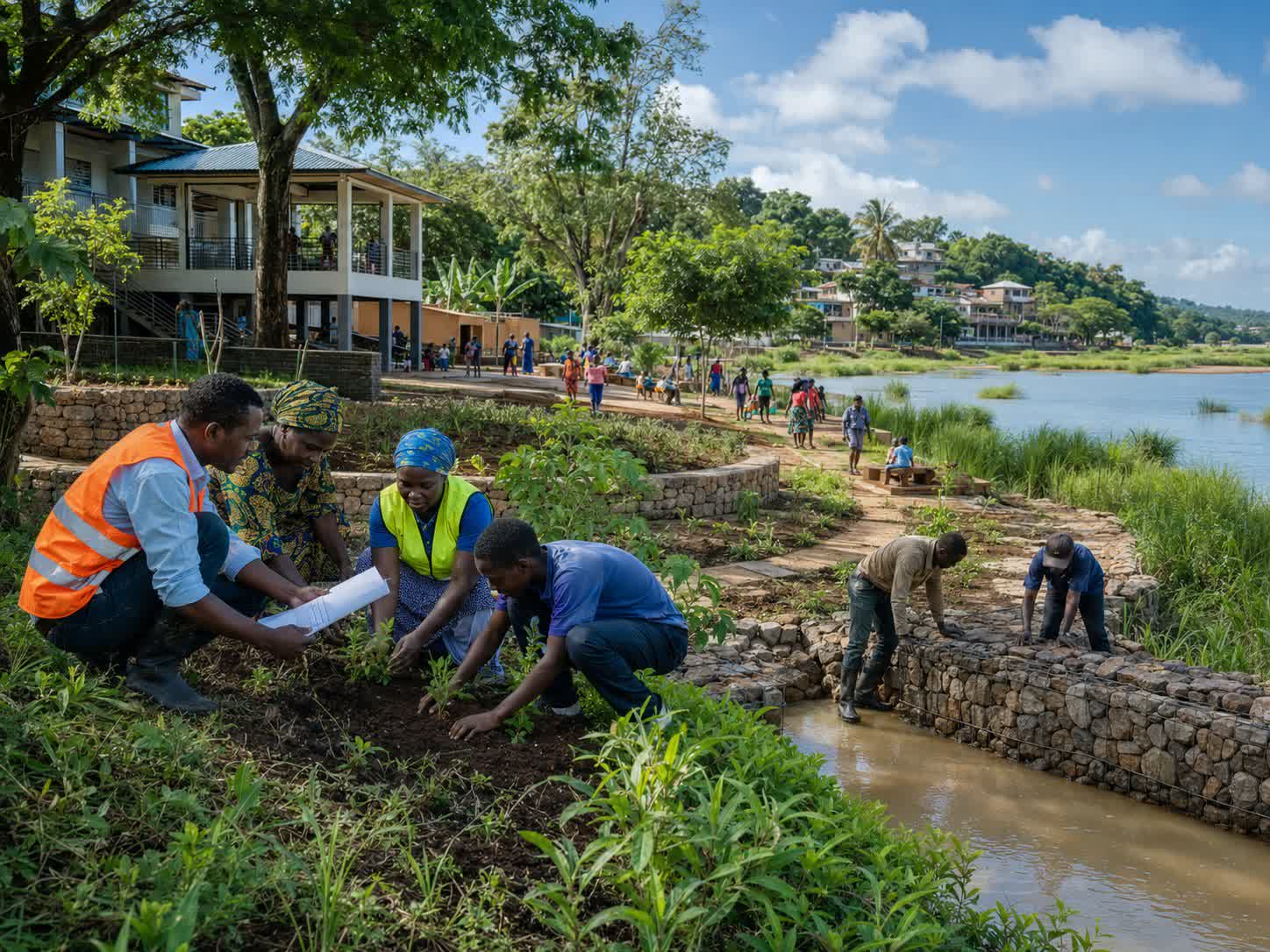
Successive crises — financial, health and climate-related — have shown that the societies best prepared to withstand shocks are those with a skilled, adaptable and versatile workforce. Training strengthens this capacity for adaptation by developing the skills needed to absorb shocks, respond rapidly to change and maintain the continuity of economic activities. It therefore constitutes the foundation of lasting collective resilience.
An essential lever for building an equitable and inclusive economy
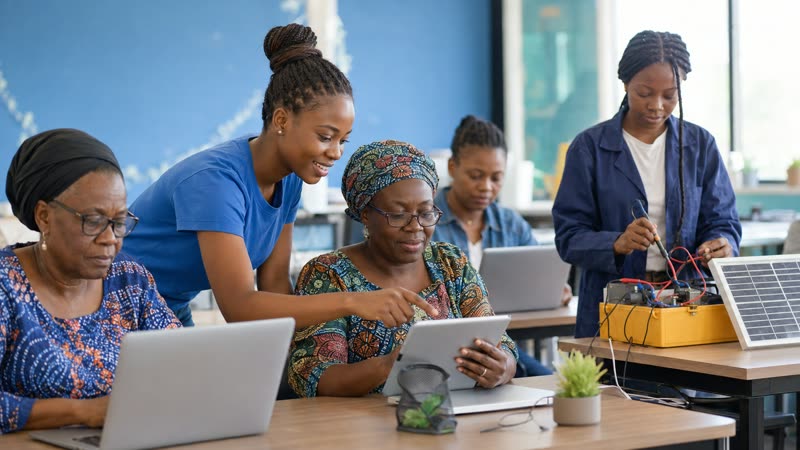
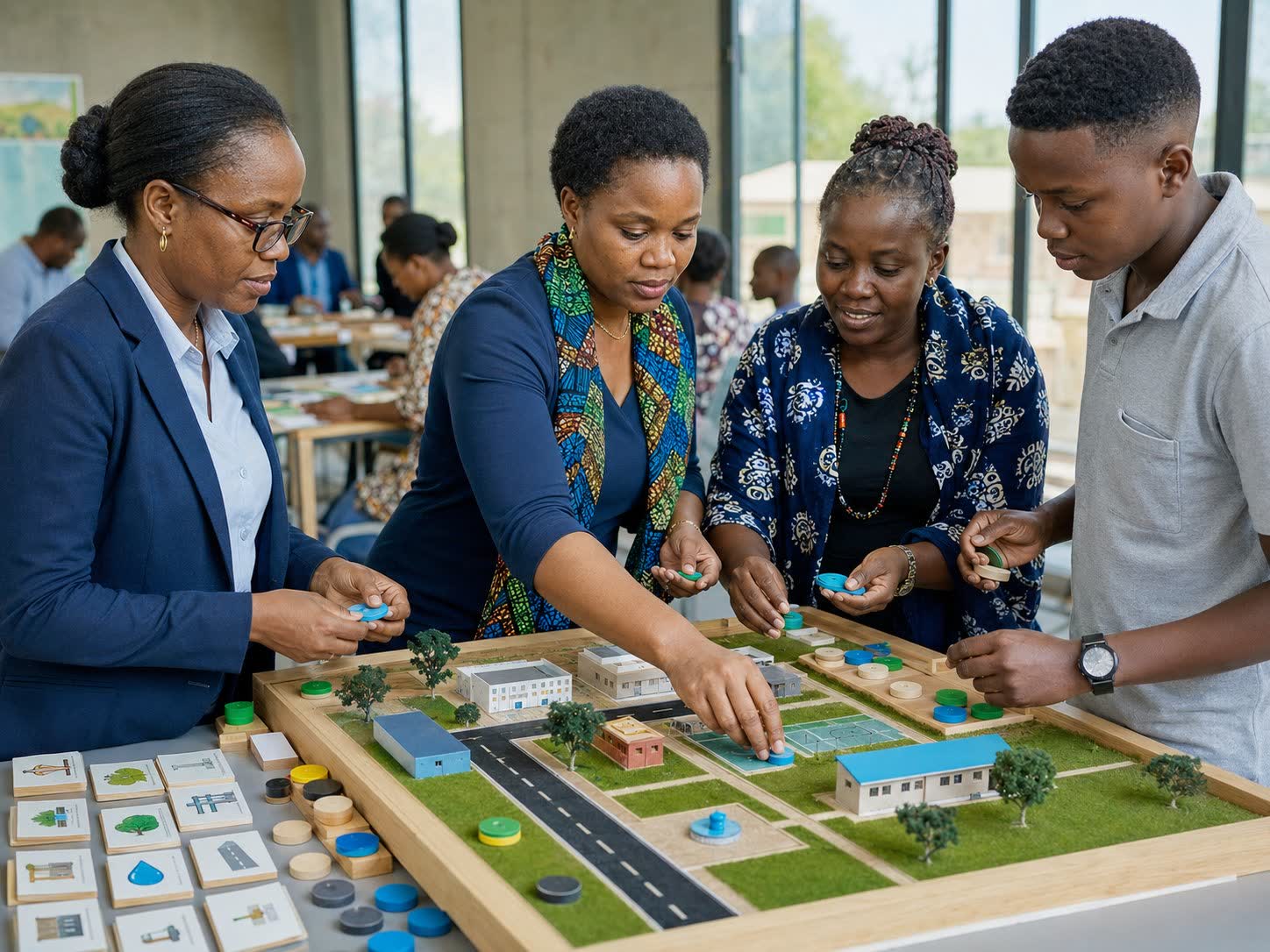
Training reduces inequalities in access to employment, improves social mobility and creates opportunities for marginalized populations. When it is accessible to women, young people, persons with disabilities and rural populations, it helps correct structural imbalances and promote genuinely inclusive growth. It creates an environment in which everyone can fully participate in economic life, regardless of their social or geographical background.
A key driver of innovation and national competitiveness
The most successful economies are those that are able to anticipate and accompany technological transformations. Training professionalizes talent, encourages research and develops the capacity for innovation, which is essential for creating new sectors of activity, modernizing productive systems and strengthening competitiveness. By investing in skills, countries enhance their ability to participate fully in global value chains.
Institutional responsibility at the heart of sustainable development
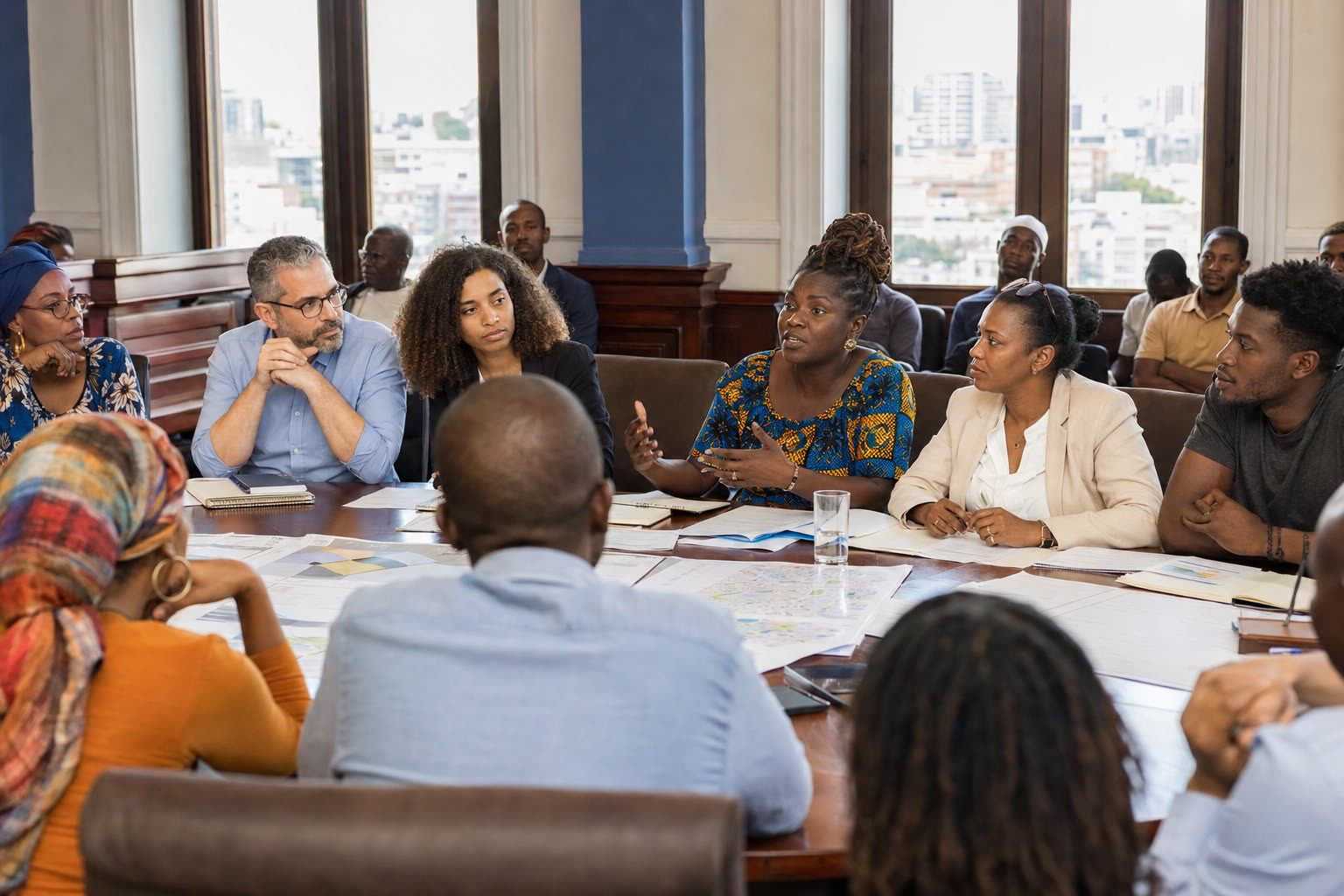
Training cannot develop and transform without strong institutional commitment: coherent public policies, appropriate financing, coordination between governments, businesses and social partners, and integration of the Sustainable Development Goals. Education systems must be redesigned to incorporate 21st-century skills, including critical thinking, digital literacy, problem-solving, ethics and sustainability. This systemic transformation will shape the future of economies and social cohesion.
Conclusion
The fact that training remains unequal, insufficient or poorly adapted threatens societies' ability to transform sustainably. Making training a strategic pillar of human and economic development requires ambitious reforms based on investment in skills, educational innovation, universal accessibility and institutional coordination. Training to transform means choosing a path in which every individual becomes an agent of change, economies become more resilient and social justice becomes a reality. A nation that invests in training invests in its future: a future that is more inclusive, stronger and truly sustainable.
Engaging description (new, original and distinct) An economy is strengthened not only by its infrastructure or investments, but also by the skills of the people who drive it. Training thus becomes the decisive tool that enables societies to reinvent themselves, withstand crises and build genuinely equitable development.
Angle / Description This article examines the strategic role of initial, continuing and vocational training as a major lever for economic and social transformation. It draws on the frameworks of the UNDP, UNESCO, ILO, World Bank, OECD and the Sustainable Development Goals to examine how the acquisition of modern skills contributes to economic resilience, social justice and the reduction of inequalities.