

































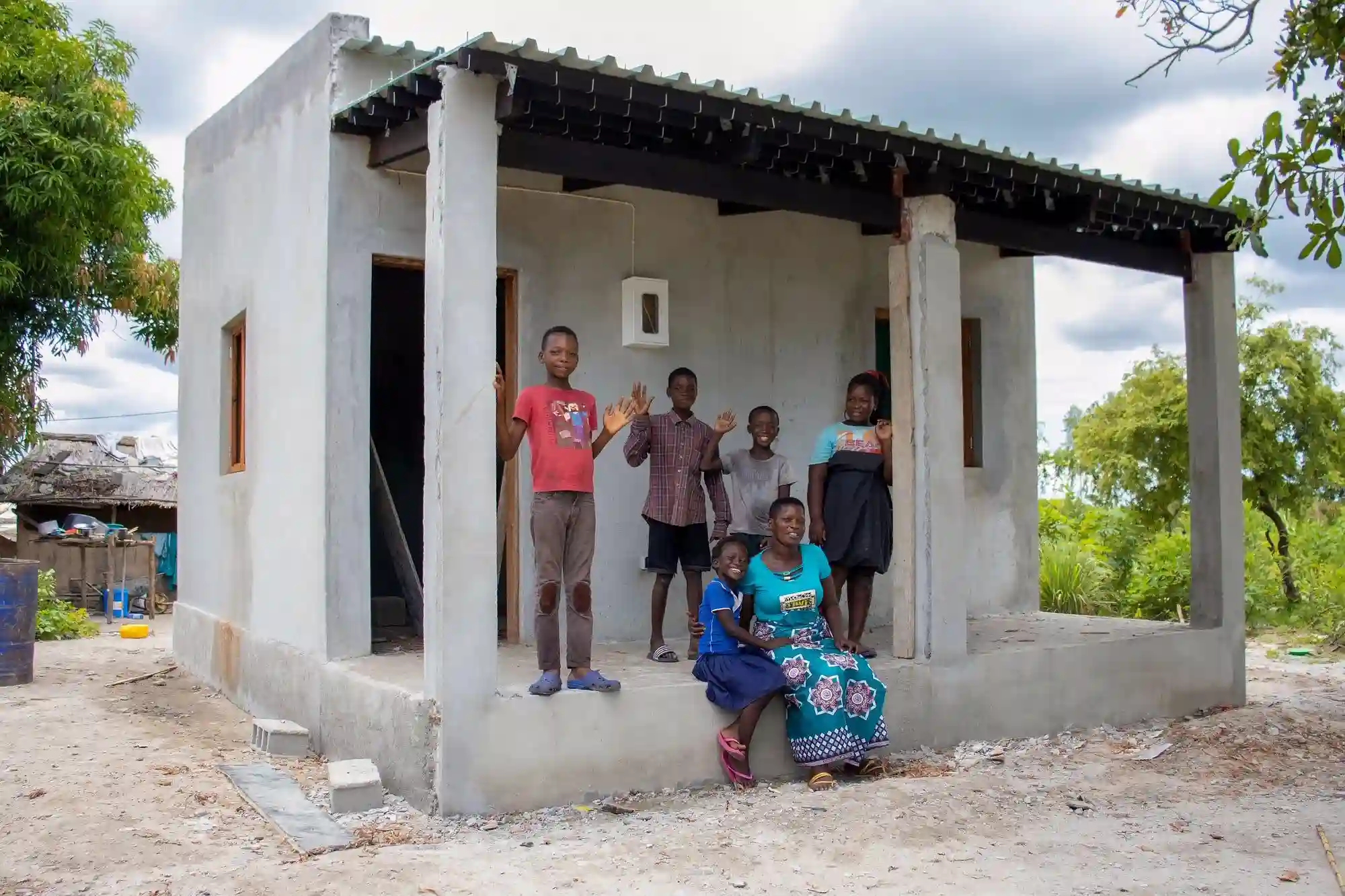
Ensuring access to affordable housing to safeguard households’ dignity
When housing takes up an excessive proportion of income, expenditure on food, healthcare and education becomes subject to cutbacks. The World Association for Development (AMD) regards access to affordable housing as central to human dignity, because it is a prerequisite for family stability and the opportunity to build a future. Behind the cost of rent, therefore, lies a broader issue: that of the place each person can occupy in society.
Housing shapes a large part of people’s lives. Its location determines daily journeys; its condition influences comfort and safety; its cost places a strain on available resources. It also serves as an anchor: a base from which to look for work, pursue education and maintain local relationships.
World Habitat Day highlights these links between housing conditions and development. Housing challenges affect a wide range of areas, from major cities to small towns, and do not spare rural areas either. Whilst the specific manifestations vary, they all raise questions about the possibility of living sustainably in an environment suited to one’s needs.
The true cost of housing goes beyond the rent
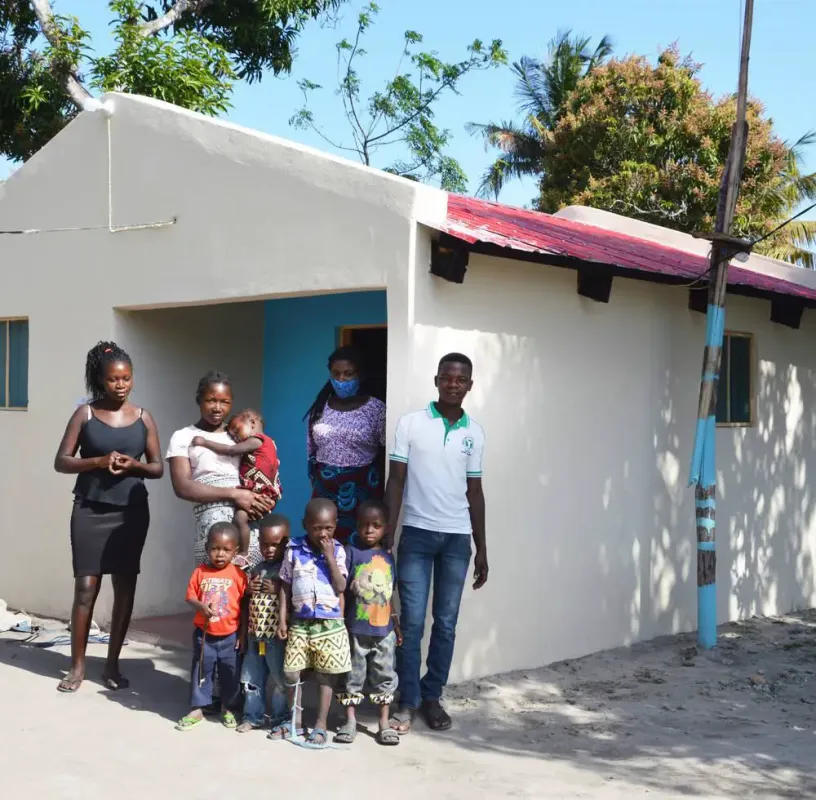
A seemingly cheap home can represent a significant financial burden once energy, water, maintenance and transport costs are added. A home located far from workplaces can sometimes necessitate costly journeys. A building that is difficult to heat or cool increases the expenses required to live there comfortably.
Affordability must therefore be understood in the context of the household’s overall budget. Two families paying the same rent may find themselves in very different situations depending on their income, household composition and the other expenses they face. The amount remaining after housing costs provides an indication of their ability to meet their other needs.
This approach is in line with the concept of adequate housing developed by the United Nations. Affordability is listed alongside security of tenure, services, habitability, physical accessibility, location and respect for the cultural environment. These dimensions help to explain why simply having a roof over one’s head is not always enough to live in dignified conditions.
Why does having a job not always guarantee that you can afford a place to live?
Access to housing depends not only on the balance between income and expenditure, but also on the conditions for entering the housing market. Security deposits, the supporting documents required or the deposit needed to buy a property can act as barriers, even when a household has a regular income. In some areas, the gap between the cost of available housing and workers’ incomes limits the possibility of living close to one’s place of work. Those affected move further away, share accommodation more often or spend a larger proportion of their budget on housing. Each of these adjustments has consequences for the organisation of daily life.
An analysis published by the OECD in July 2026 describes, across its member countries, the pressures arising from the imbalance between supply and demand and the constraints limiting the provision of affordable housing. It highlights their effects on household finances and labour mobility. The difficulty in finding housing thus emerges as a social issue as much as an economic one.
Long commutes turn economic benefits into constraints
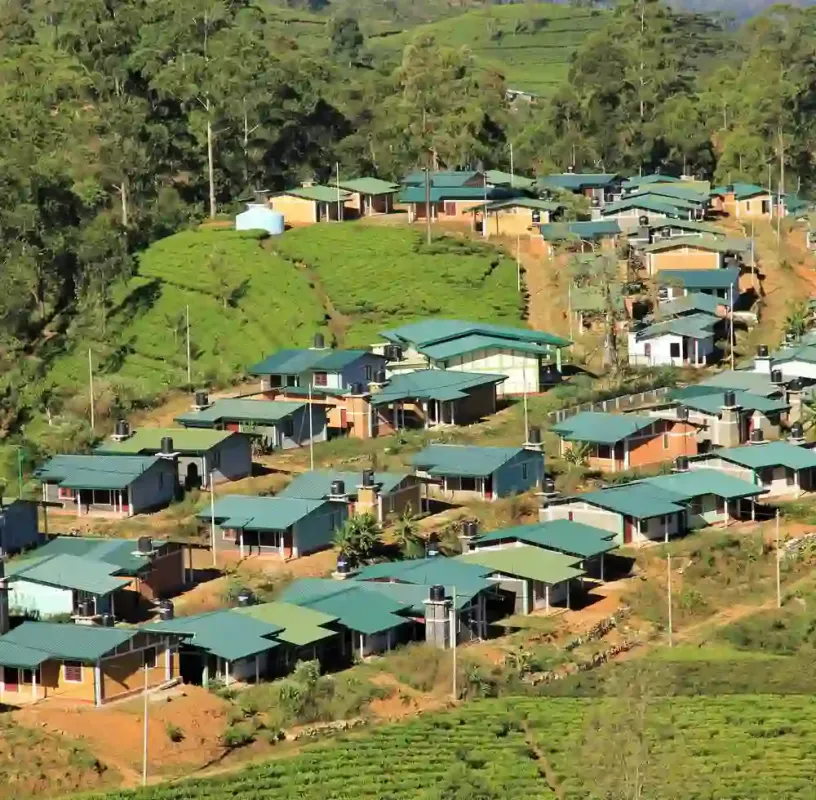
The cost of housing takes on its full significance when considered in relation to its location. Savings on rent may be partially offset by transport costs, compounded by the time spent travelling. This time reduces opportunities for rest, further education or looking after children.
Proximity to services also matters. An accessible school, healthcare facility or market makes daily life easier. Conversely, living far away can make every errand more costly and more complicated, particularly for older people, people with disabilities and households without their own transport.
In its statement on housing, the AMD specifically links housing to the ability to maintain one’s health, to study and to work. This perspective helps us understand that the social value of a home also depends on the connections it enables with its surroundings.
The same issue arises in rural areas, albeit in different ways. The quality of housing there is linked to access to transport routes, local services and local economic activities. Affordability cannot be separated from these conditions of use.
Different responses depending on life stages
Housing needs are changing. A young adult starting out in their career, a family with children and an elderly person living alone do not necessarily require the same floor space, the same location or the same type of tenancy. The diversity of rental options – social, co-operative and private – offers solutions to these situations. Home ownership can provide stability, whilst affordable and secure rented accommodation is more suitable for other life stages. The suitability of a solution depends on how well it matches the occupants’ resources and needs.
In Vienna, Austria, council and co-operative housing play a significant role in the housing provision offered by the local authority. This experience illustrates how housing forms part of a long-term public policy framework. It sheds light on an urban policy choice, the financing and governance arrangements for which remain specific to the local context.
Beyond construction, the management of housing influences its accessibility over time. Maintenance preserves the quality of the buildings; clear tenancy conditions make it easier for households to plan for the future; and transparent allocation criteria make the schemes more understandable.
Renovating without undermining residents’ stability
Renovation can improve a home’s comfort, health and safety, and energy efficiency. It also extends the useful life of existing buildings. However, the benefits for occupants depend on the economic conditions under which the work is carried out.
When improvements lead to an increase in expenditure that exceeds a household’s means, it can become difficult for them to remain in their homes. The physical transformation of a home and residential stability therefore do not automatically go hand in hand.
This tension highlights the importance of examining the effects of a project on residents: their expenditure following the works, their ability to remain in the neighbourhood and the continuity of their daily lives. Housing improvement takes on a social dimension when it genuinely benefits the people living there.
Affordable housing ultimately provides a foundation from which households can look beyond financial hardship. It leaves more scope for education, health and personal aspirations. The World Association for Development links this stability to people’s autonomy and their participation in the development of their community. Viewing housing from this perspective reveals what its cost truly entails: opportunities for life, security and the future.
Samyath A. AMOUSSA