


















Adapting housing to climate risks to better protect communities
A home exposed to flooding or extreme heat may lose its primary protective function. In its approach to housing, the World Association for Development (AMD) links people’s safety to the quality of buildings, their environment and the preservation of livelihoods. Climate-related risks thus highlight the extent to which housing conditions influence households’ ability to weather a crisis.
The consequences of an extreme event go beyond visible damage. A damaged home can lead to a disruption of daily life, the loss of essential possessions or temporary displacement from schools and healthcare facilities. Reconstruction then requires resources that can sometimes be difficult to secure.
World Habitat Day provides a framework for understanding these links between housing, vulnerability and development. Adaptation concerns not only buildings, but also infrastructure, access routes and spatial planning. It relates to the ability to continue living in dignified conditions as risks evolve.
Faced with the same event, very different consequences
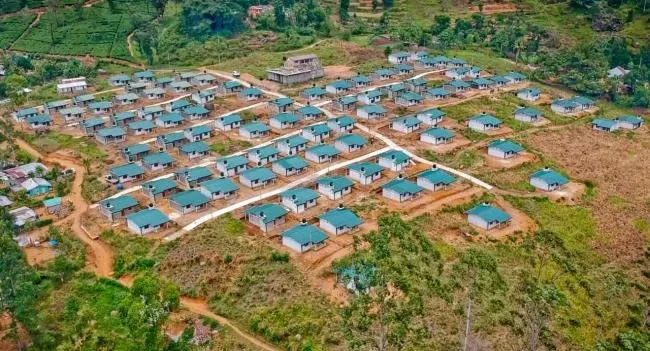
The vulnerability of a home depends on several factors. Its location determines part of its exposure; its materials and condition influence its resilience; and the household’s resources determine its ability to prepare for and repair damage.
Two homes affected by the same flood may therefore follow very different paths. A family with savings and temporary accommodation can quickly carry out repairs. Another may remain in a damaged home for longer or go into debt to restore acceptable living conditions.
The UN-Habitat World Urban Report 2024 analyses the links between climate risks and urban inequalities. It highlights the role of social conditions, infrastructure and housing in people’s vulnerabilities. Physical phenomena and living conditions combine to produce the observed consequences.
This analysis provides a better understanding of the differences within a single territory. The most vulnerable populations do not necessarily have the financial or technical means to reinforce their homes. Residential vulnerability can then lead to ongoing economic hardship, particularly when damage recurs before a household has had time to rebuild its resources.
When heat builds up inside the home
Extreme heat highlights features of a building’s construction that may go unnoticed during the rest of the year. A roof that is highly exposed, a lack of sun protection or limited air circulation all influence indoor conditions.
The ability to cool the home then depends on the equipment available and its running costs. For some households, the prolonged use of an appliance represents an expense that is difficult to bear. Power cuts can also limit its usefulness at the very moment when the heat is at its peak.
The building’s surroundings also play a part. Shade, mineral surfaces and vegetation all contribute to the thermal conditions of the neighbourhood. The UN-Habitat report examines these links between urban spaces, housing and heat, as well as the possibilities offered by appropriate planning measures.
Protection against heat is therefore as much a collective issue as it is an individual one. Improvements to a home and to its surroundings can complement one another, with different solutions depending on the climate, water availability and local characteristics. Their value is measured in terms of the occupants’ living conditions: being able to rest, carry on with daily activities and use their home regardless of outside temperatures.
Flooding extends beyond the boundaries of the plot
The safety of a home depends in part on what is happening around it. Water drainage, the condition of infrastructure, impervious surfaces and land use all influence the risks to which it is exposed.
A household may carry out work on its home whilst remaining vulnerable to drainage failure or its street becoming inaccessible. This interdependence explains the importance of public infrastructure in adapting homes. It also highlights the limitations of protection measures considered solely at the building level.
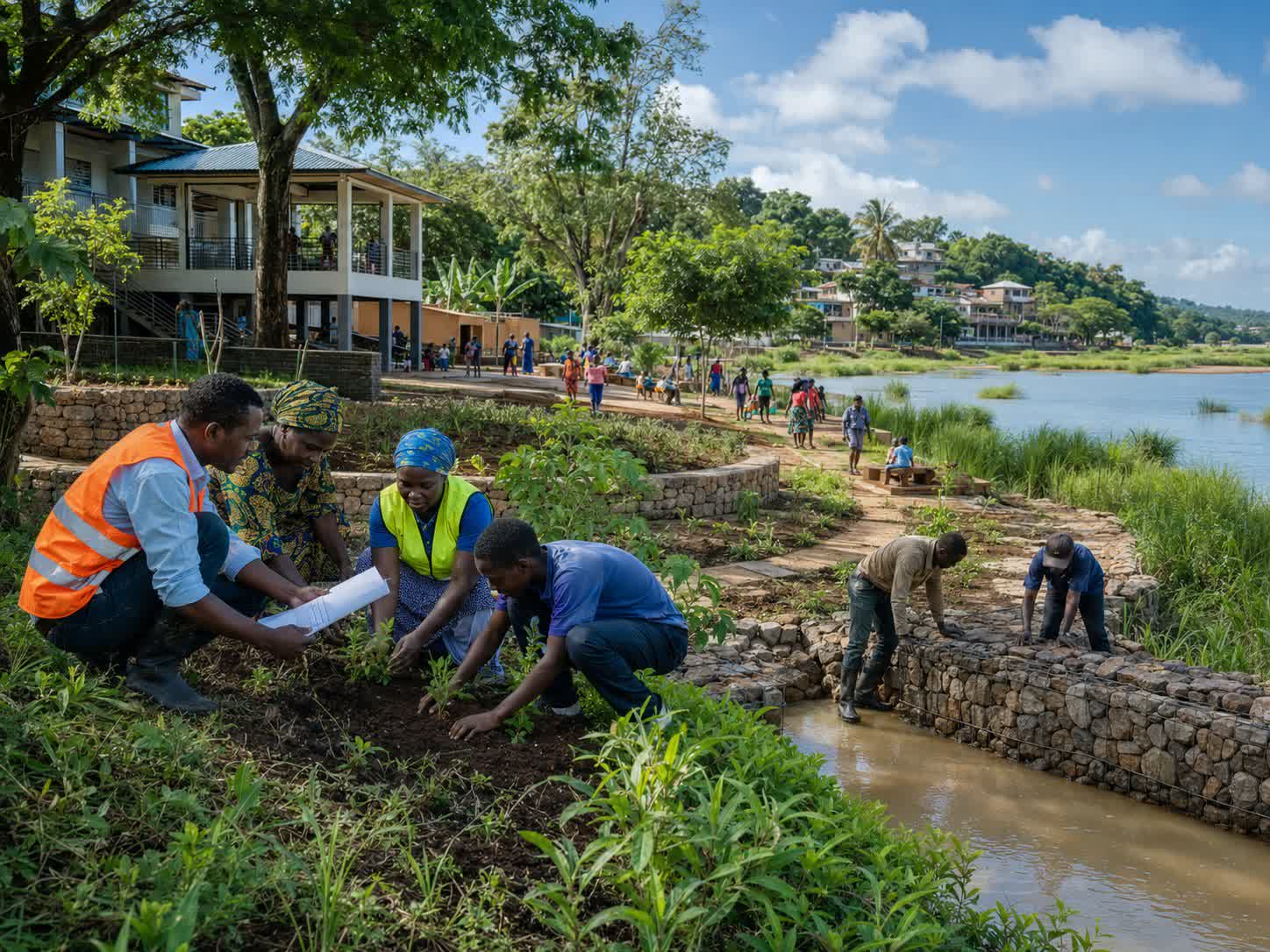
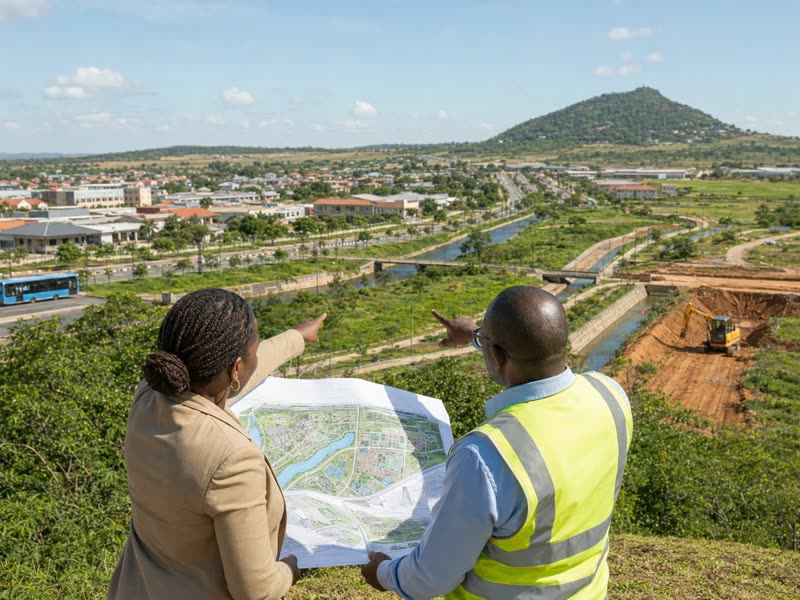
In Benin, funding approved by the World Bank in September 2022 for secondary towns combined infrastructure improvements, urban services and flood risk reduction. This programme illustrates an intervention designed at a regional level, going beyond the protection of an isolated dwelling.
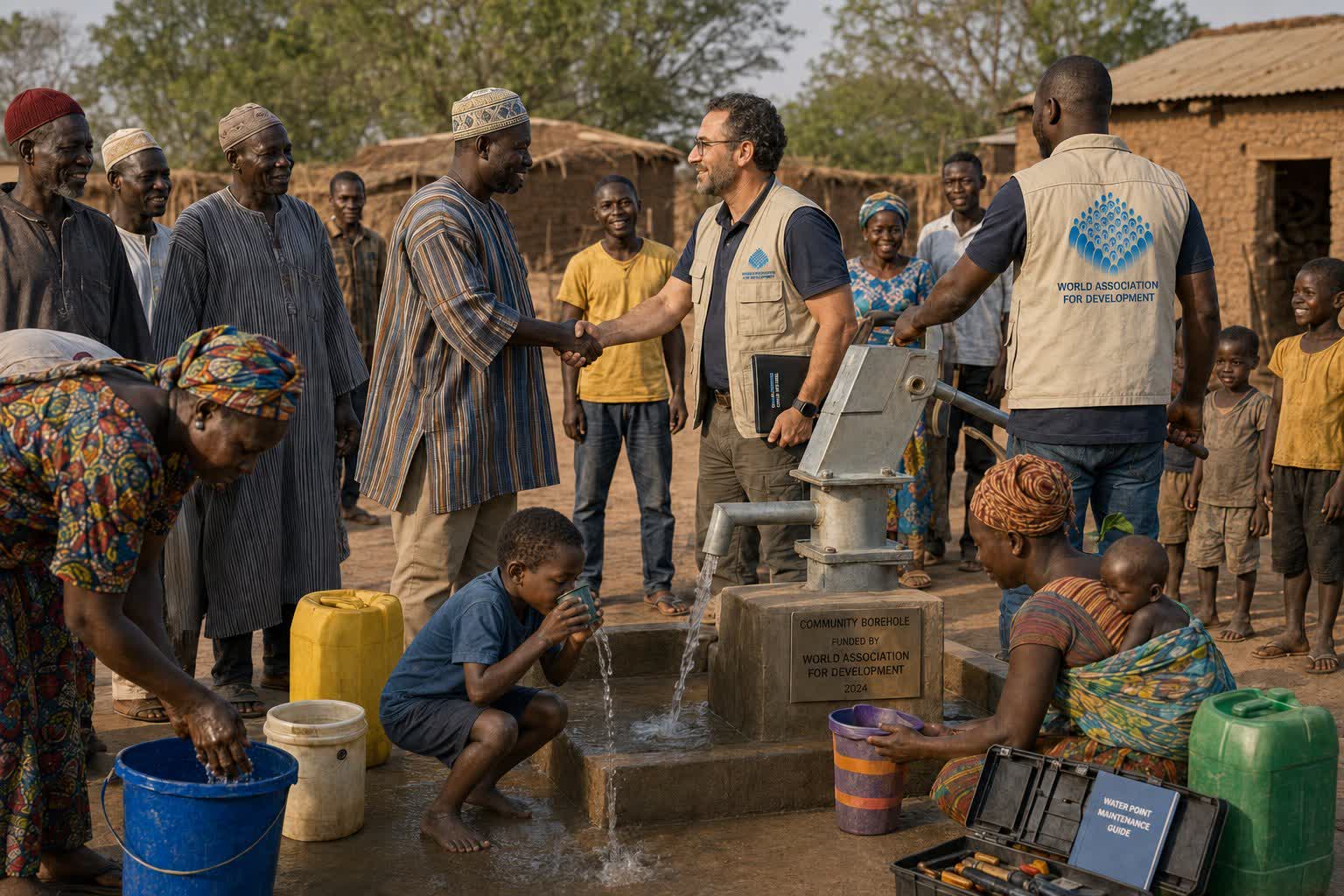
Long-term operation remains crucial. The accumulation of waste, the deterioration of structures or a lack of maintenance can reduce the expected benefits. Adaptation therefore relies on continuity between investment and day-to-day management. A structure retains its usefulness when its maintenance and operation keep pace with the development of the neighbourhood it serves.
Finding shelter without losing one’s livelihood
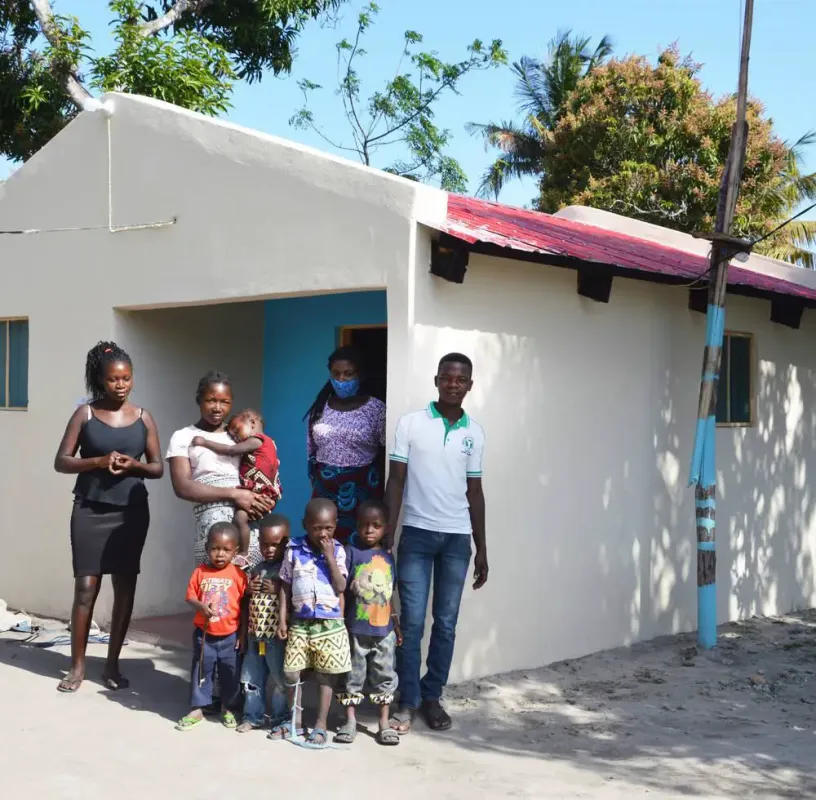
When a place becomes too dangerous, relocation may be considered. But leaving a home sometimes means moving away from a job, a client base, a school or a support network. Reducing physical exposure may therefore be accompanied by new economic and social difficulties.
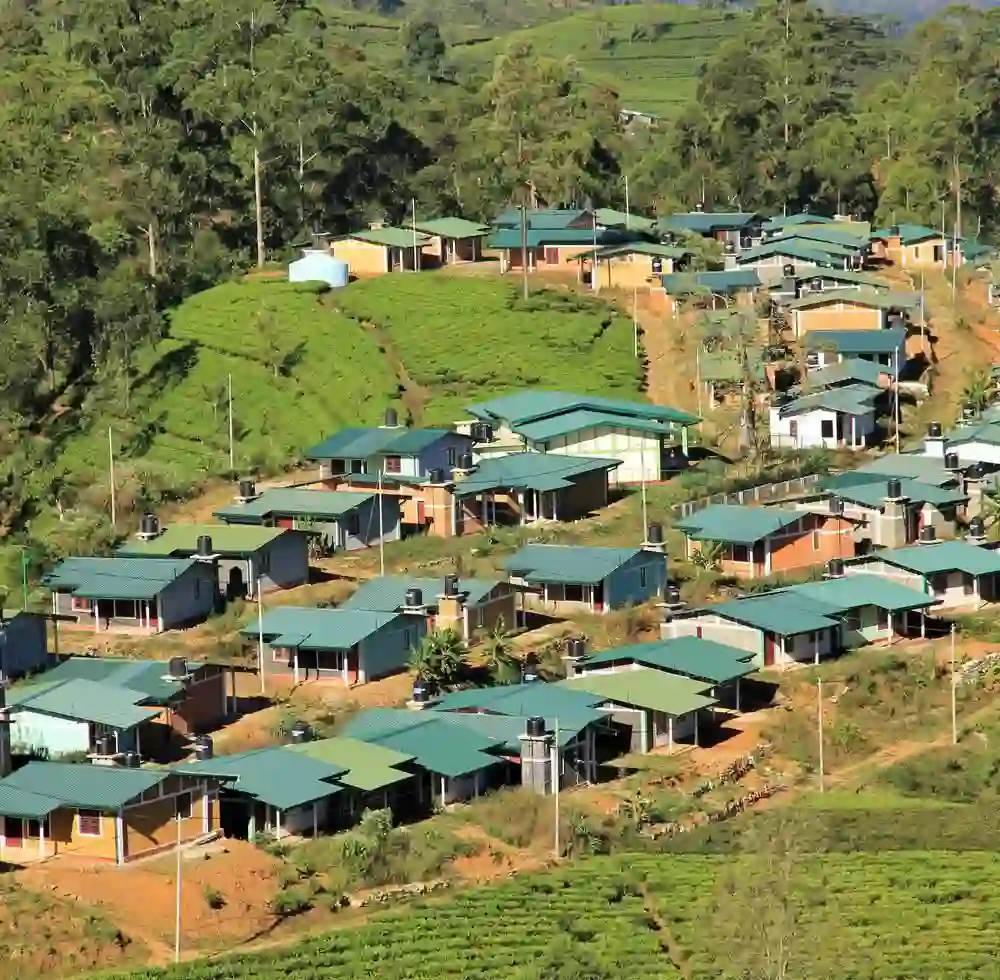
This reality explains why the quality of a rehousing solution cannot be assessed solely on the basis of the building on offer. Its location, cost and links to daily activities all influence the ability to rebuild a stable life. A safer home may still be difficult to occupy in the long term if travel costs become excessive or if income falls.
In its policy statement, the AMD emphasises the protection of the rights and livelihoods of communities affected by housing improvements and displacement. This position recognises that residents have ties to their local area that go beyond the ownership or occupation of a home.
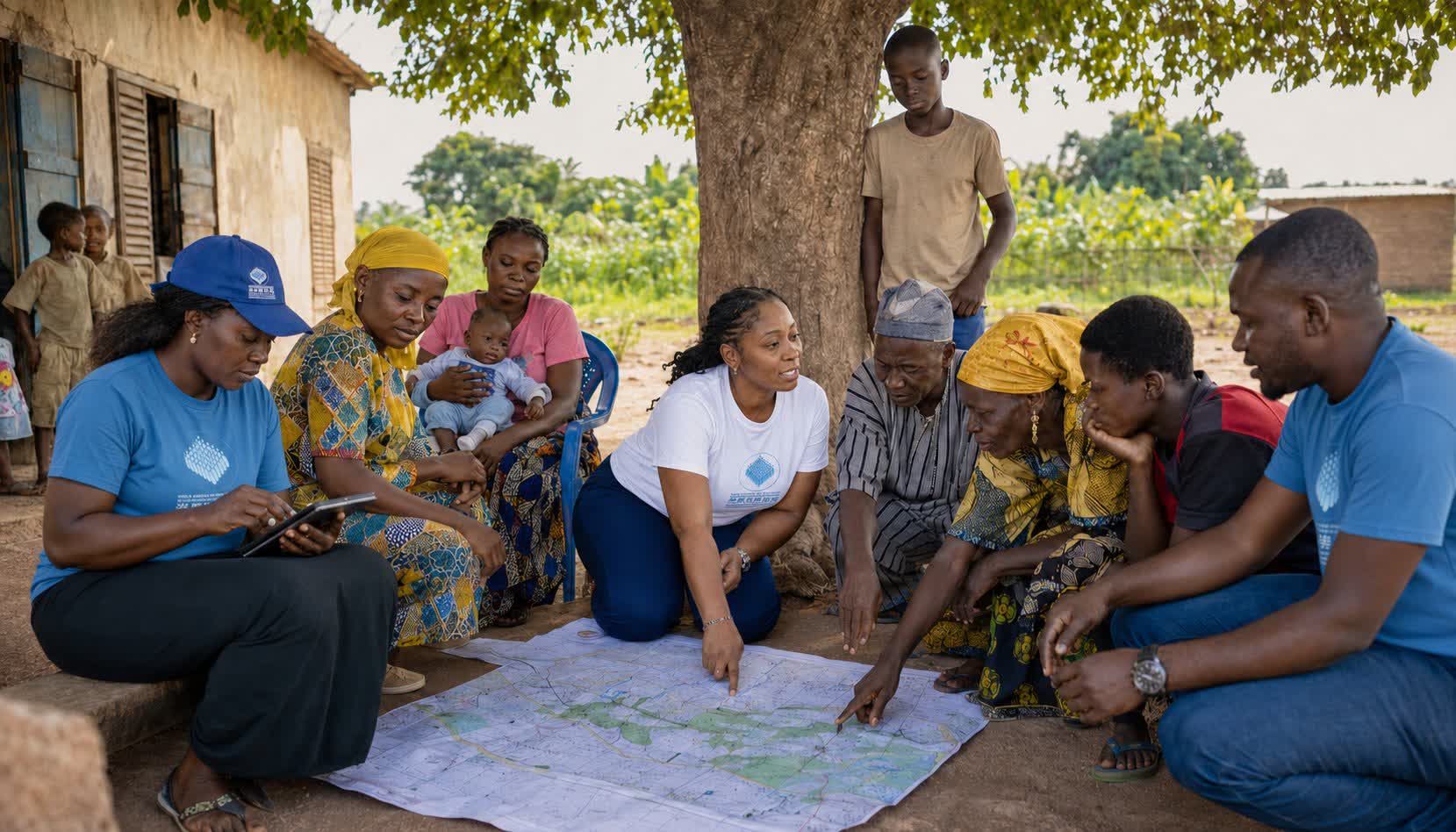
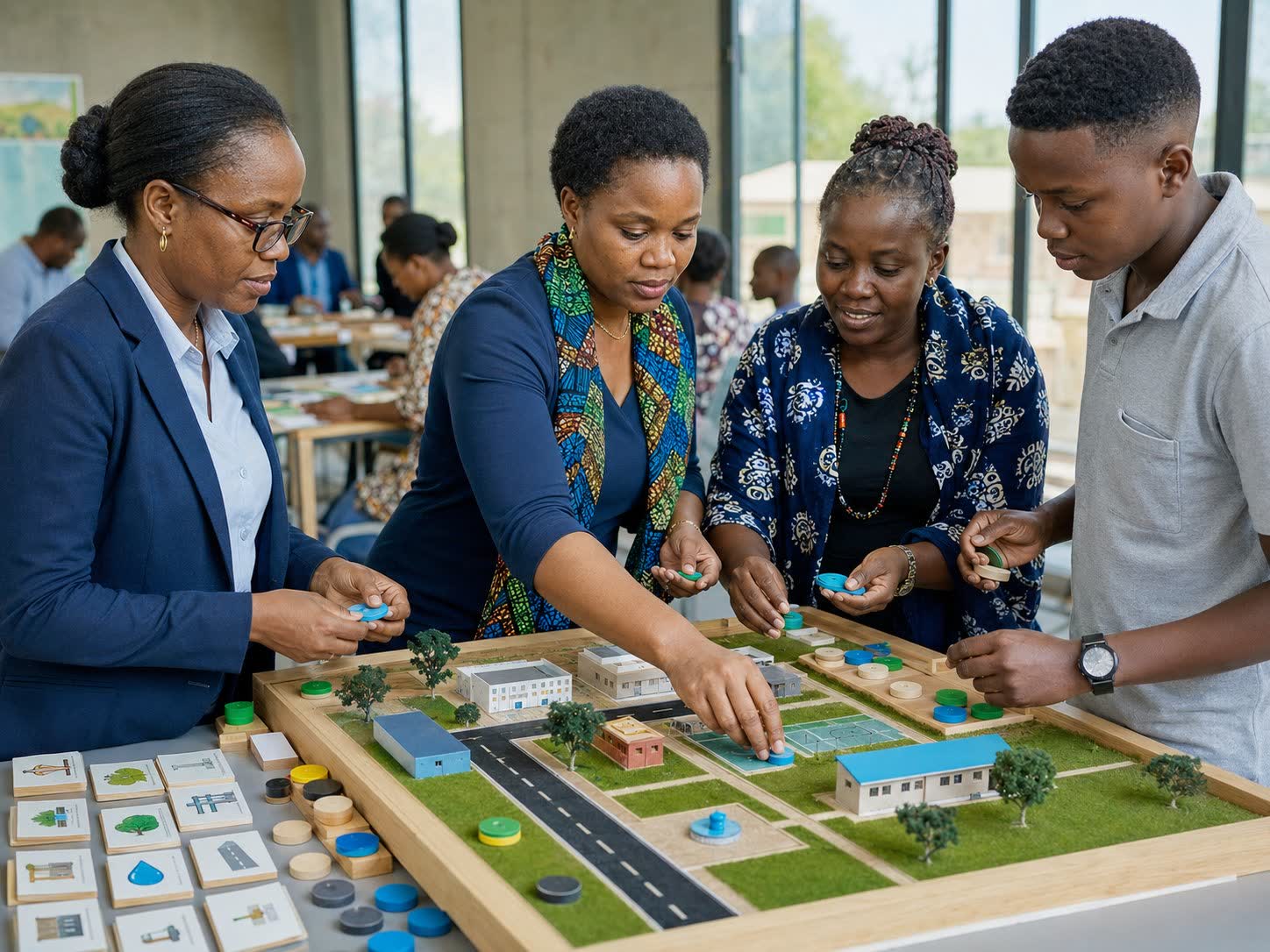
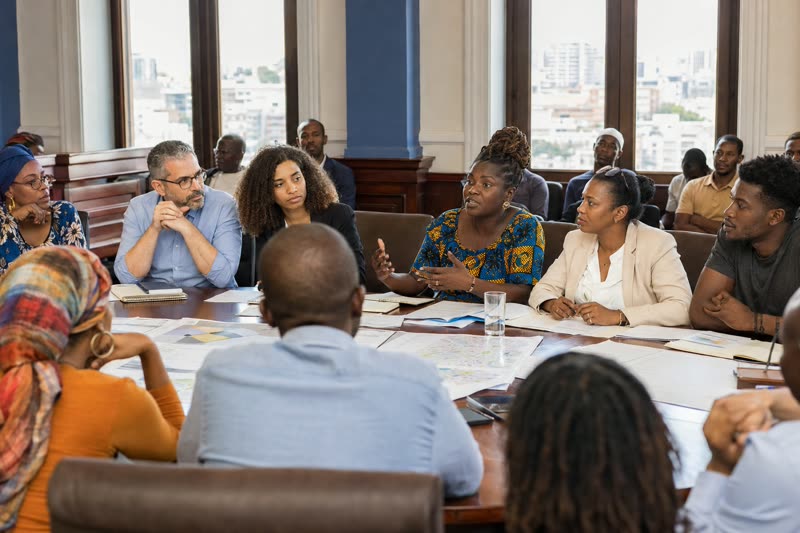
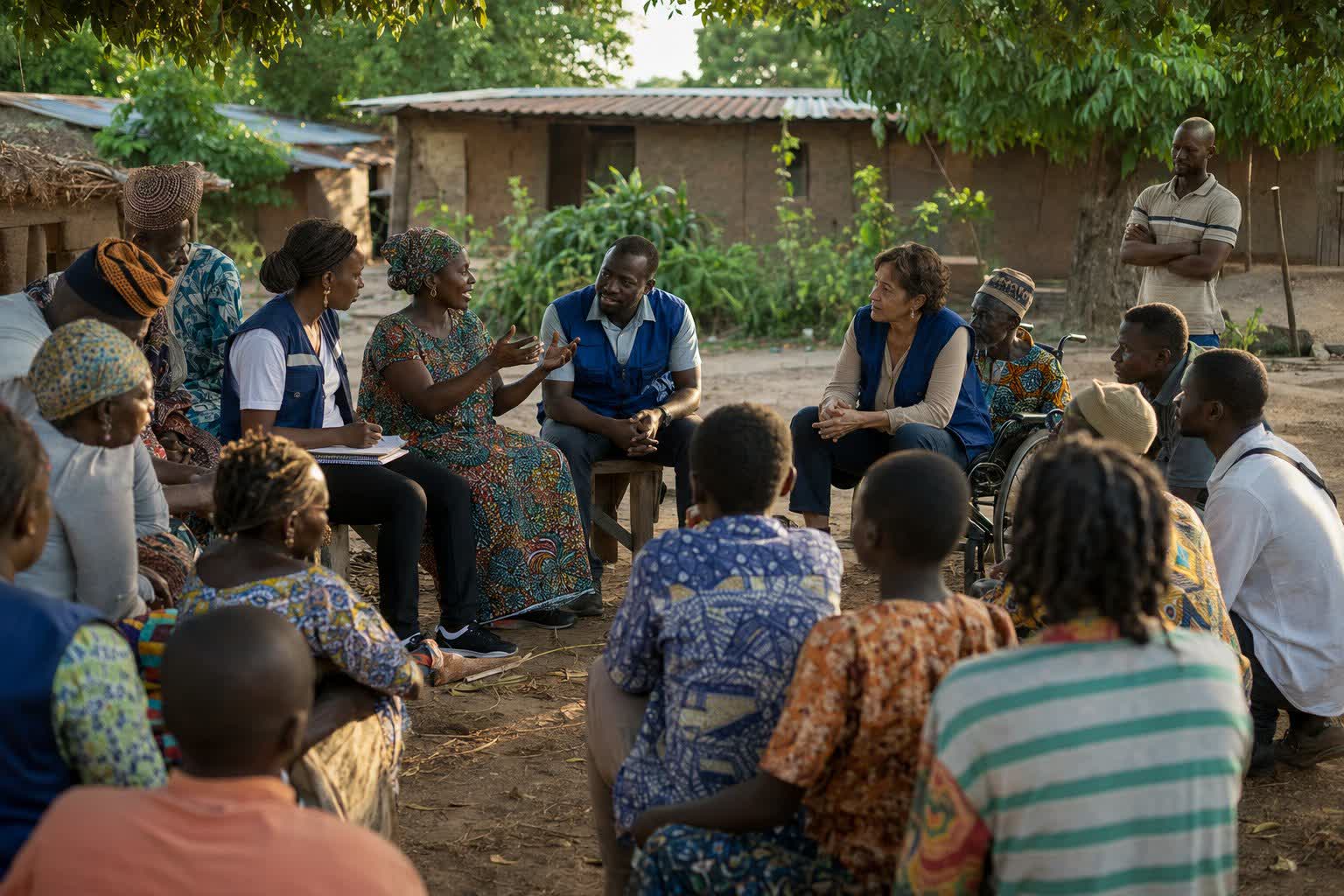
Information, participation and support help to make these changes more understandable. They also bring to light consequences that a technical risk assessment alone cannot fully capture. In particular, residents’ experiences shed light on their movements, their activities and the networks of support on which they rely.
Safeguarding lives, livelihoods and social gains
The protection of communities relies on a range of factors: receiving an alert, understanding the situation, reaching a safe place and accessing the necessary services. Housing forms part of this broader framework.
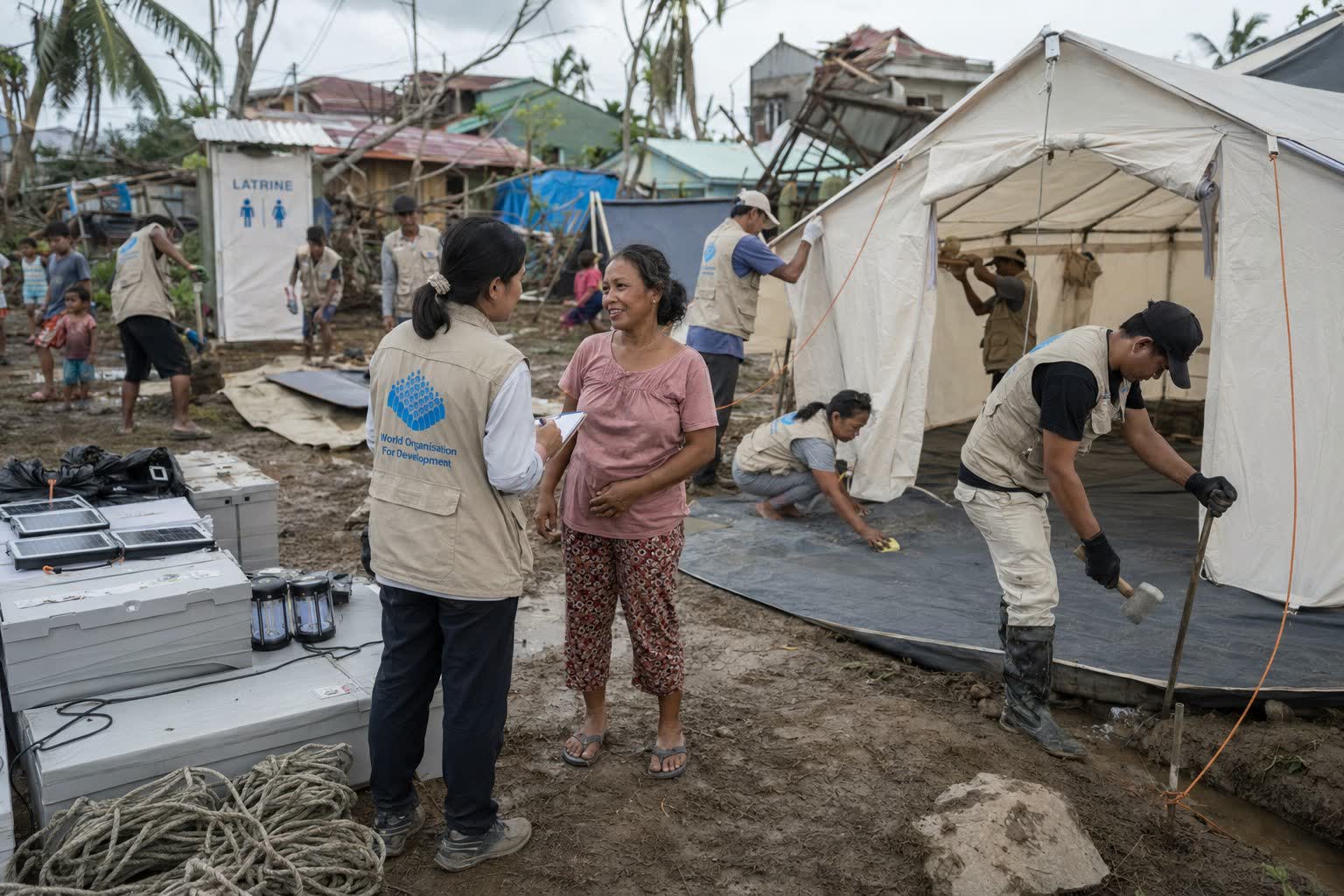
In Bangladesh, interventions documented by the World Bank notably combine multi-purpose shelters, access routes and community preparedness in coastal areas exposed to cyclones. This experience demonstrates how infrastructure and collective organisation can complement one another.
The usefulness of a shelter depends on whether people can reach it. A long distance, an impassable route or unsuitable facilities can limit access. People with reduced mobility and families with young children sometimes face specific difficulties. Protection therefore takes on its full meaning in the real-world conditions in which the facilities are used.
Beyond providing shelter, adaptation helps to preserve the resources accumulated over the years. Housing often accounts for a significant proportion of a household’s savings and labour. Damage to it can divert funds originally earmarked for education, economic activity or other family projects towards repairs.
The effects of a disaster thus continue long after the waters have receded or the event has ended. Replacing possessions, carrying out repairs and resuming normal activities can place a lasting strain on family finances. This aspect gives prevention a significance that goes beyond merely reducing material damage.
Ultimately, adapting housing is about ensuring the continuity of people’s lives. It safeguards not only the ability to live in a home, but also the ability to work, study and maintain social ties. The World Association for Development enshrines this continuity in its vision of decent and sustainable housing. Residential security is thus a prerequisite for safeguarding what has been achieved and for maintaining confidence in the future, at both household and community levels.
Samyath A. AMOUSSA