






















Reducing inequalities in access to essential services in neighbourhoods and regions
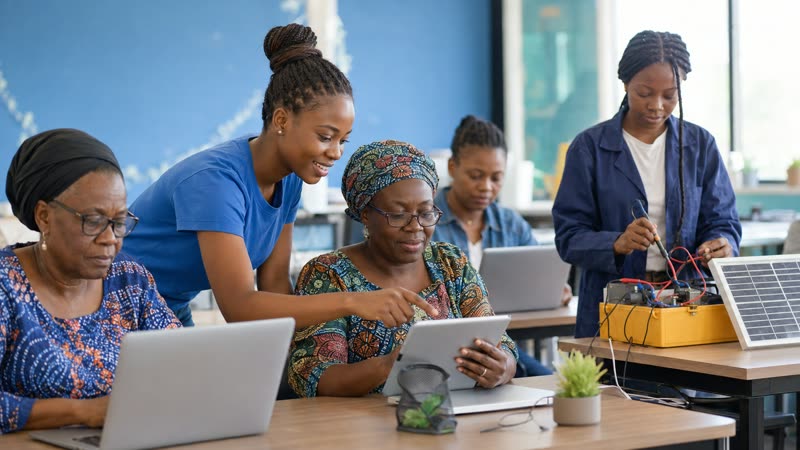
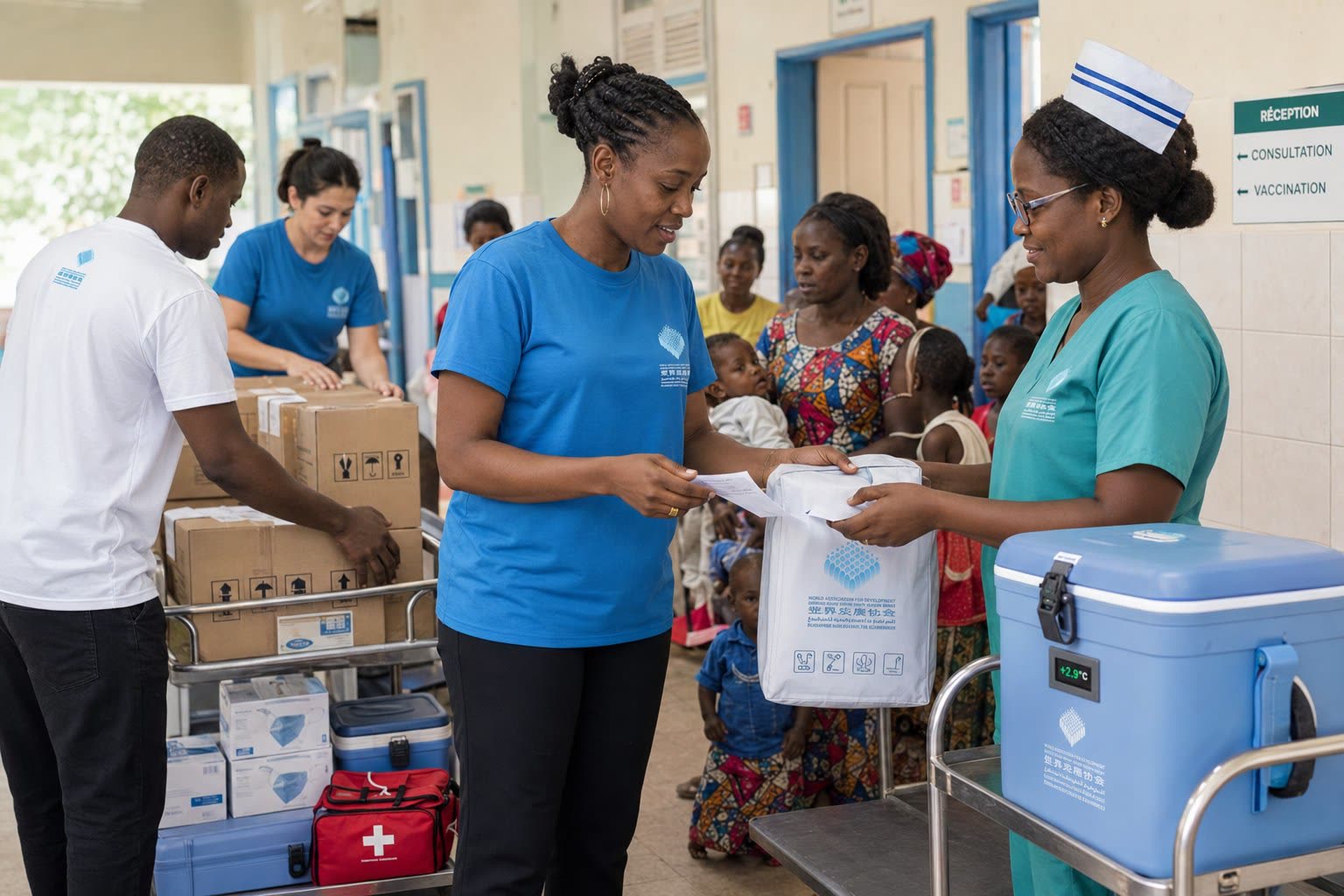
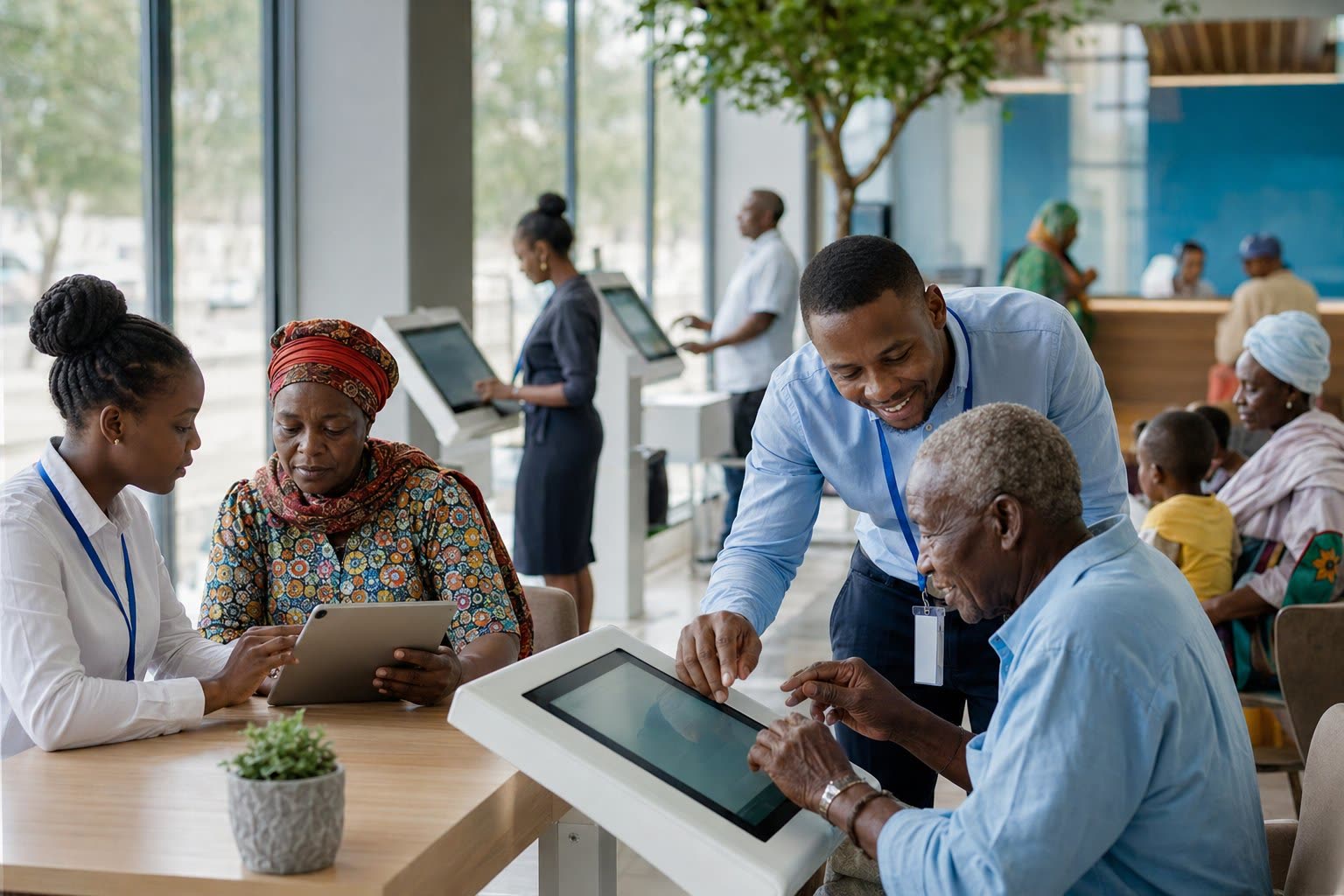
Living in a particular area does not always mean having easy access to water, sanitation, energy or transport. These disparities in service provision are central to the World Development Association’s (WDA) understanding of housing, given the extent to which they influence health, free time and economic opportunities. They explain why households with a home may nevertheless live in a state of persistent precariousness.
Essential services support the most everyday activities: preparing a meal, washing, studying, travelling to work or disposing of waste. Their regular availability makes these activities simpler. Their absence can sometimes turn every need into a journey, a wait or an additional expense.
Through World Habitat Day, it is therefore also the housing environment that deserves attention. A building forms part of a neighbourhood, which is itself linked to a wider area. The quality of these connections directly influences the living conditions of its residents.
Regional inequalities are experienced on a daily basis
Disparities in access to services rarely occur in isolation. A remote neighbourhood may suffer from a combination of limited transport links, an unreliable electricity supply and inadequate facilities. Residents are then forced to cope with multiple constraints that compound one another.
The absence of a service often leads to replacement costs. Buying water from an ad hoc supplier, using a backup power source or paying for an extra journey ties up resources that could have been used for other needs. The time spent on these tasks also represents a cost.
This reality is sometimes not clearly reflected in general statistics. A city may show high coverage whilst still having poorly served areas. The situation also varies depending on the time of day, the season or the reliability of the infrastructure. The presence of a network on a map therefore provides only an incomplete picture of the service actually received.
Looking at the situation at the neighbourhood and local level provides a better understanding of these differences. It reveals the places where difficulties persist despite overall progress.
Access to water is not simply a matter of having a connection
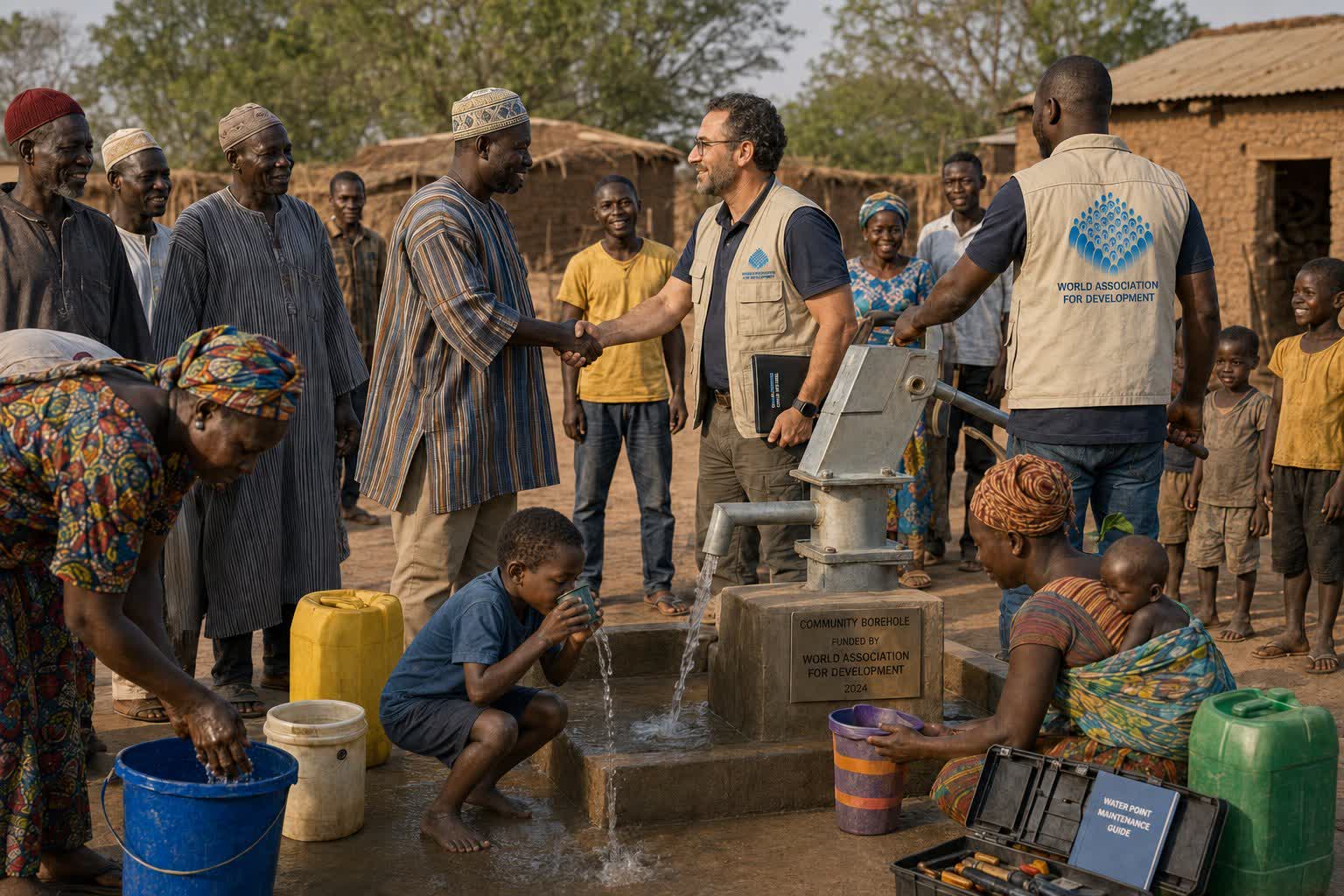
Water available in the home facilitates hygiene, housekeeping and food preparation. However, a connection loses some of its usefulness when the supply remains intermittent or when its cost prevents consumption in line with needs.
Sanitation presents a similar challenge. The presence of toilets alone does not indicate the safety of the entire management chain. The storage, emptying, transport and treatment of waste also contribute to the quality of the service.
The joint monitoring programme of the WHO and UNICEF therefore distinguishes between several levels of sanitation service, taking into account, in particular, the safe management of excreta. This distinction highlights the difference between simply having a facility and benefiting from a service that provides long-term protection.
In Indonesia, the PAMSIMAS and NUWSP programmes presented by the World Bank illustrate approaches to improving access to water in different contexts. Their value lies in particular in the link between infrastructure and service organisation. The physical infrastructure forms part of a collective system, with shared responsibilities for management and maintenance.
Facilities that are close by, but sometimes difficult to use
Distance is an obvious barrier. Others are less so: excessive charges, opening hours that clash with work, an insurmountable flight of stairs or an unsafe route can limit access to facilities that are, in fact, located nearby.
People with disabilities, older people and adults accompanying young children sometimes face particular constraints. A design based on the assumption that users are independent and mobile may exclude part of the population.
The World Bank’s work on inclusive urban design in Vietnam and Indonesia highlights the value of taking different user profiles into account in urban regeneration projects. This approach shifts the focus from construction alone to the practical conditions of use.
Effective accessibility is the intersection of several factors: proximity, cost, safety and the suitability of facilities. It helps to explain why two people living in the same neighbourhood do not necessarily enjoy the same opportunities.
What neighbourhood improvement changes
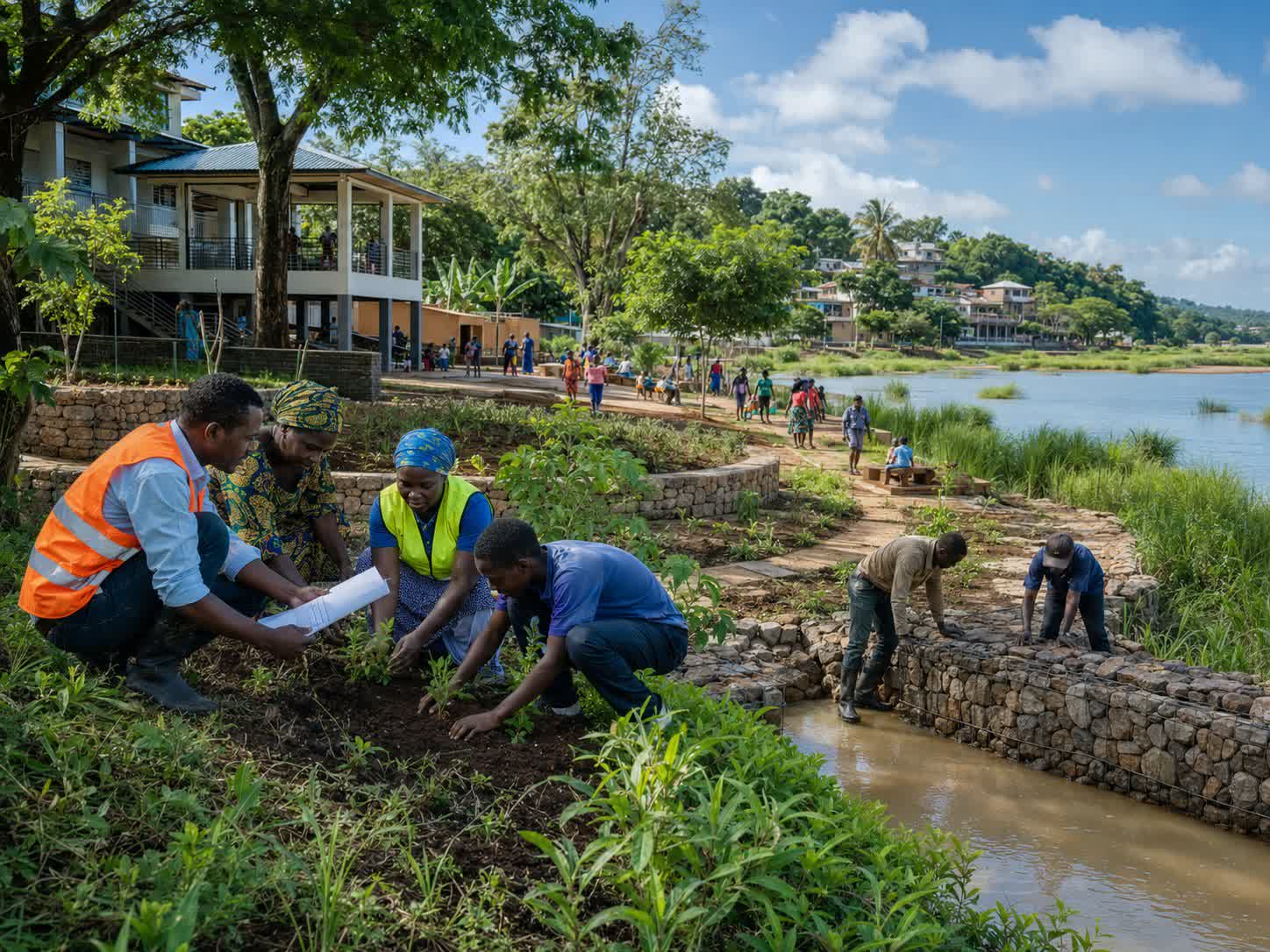
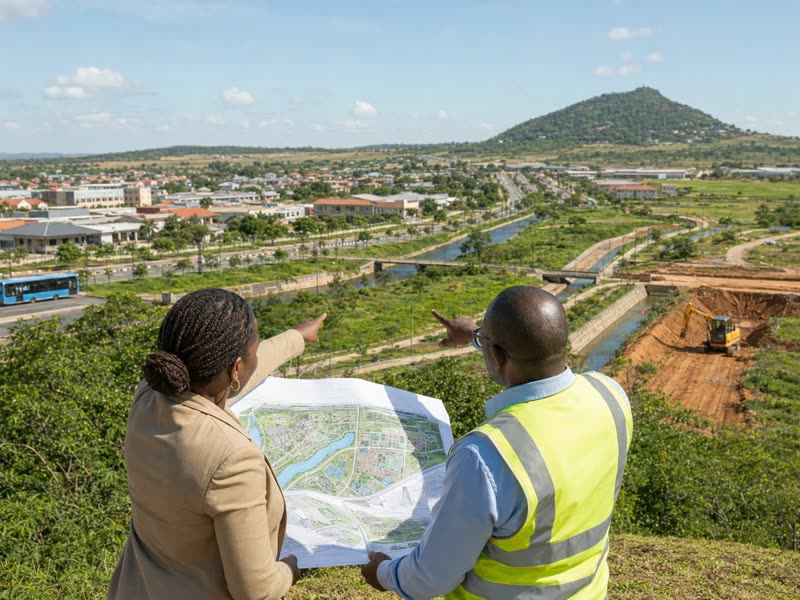
A passable road facilitates travel and access to services. Appropriate lighting improves traffic conditions. A functional drainage system reduces certain rain-related disruptions. These interventions affect housing by transforming its environment.
Their effects also depend on how well they are integrated into local life. A street may sometimes be the setting for commercial activities, social interaction and school journeys. Changing its layout can facilitate certain uses whilst complicating others.
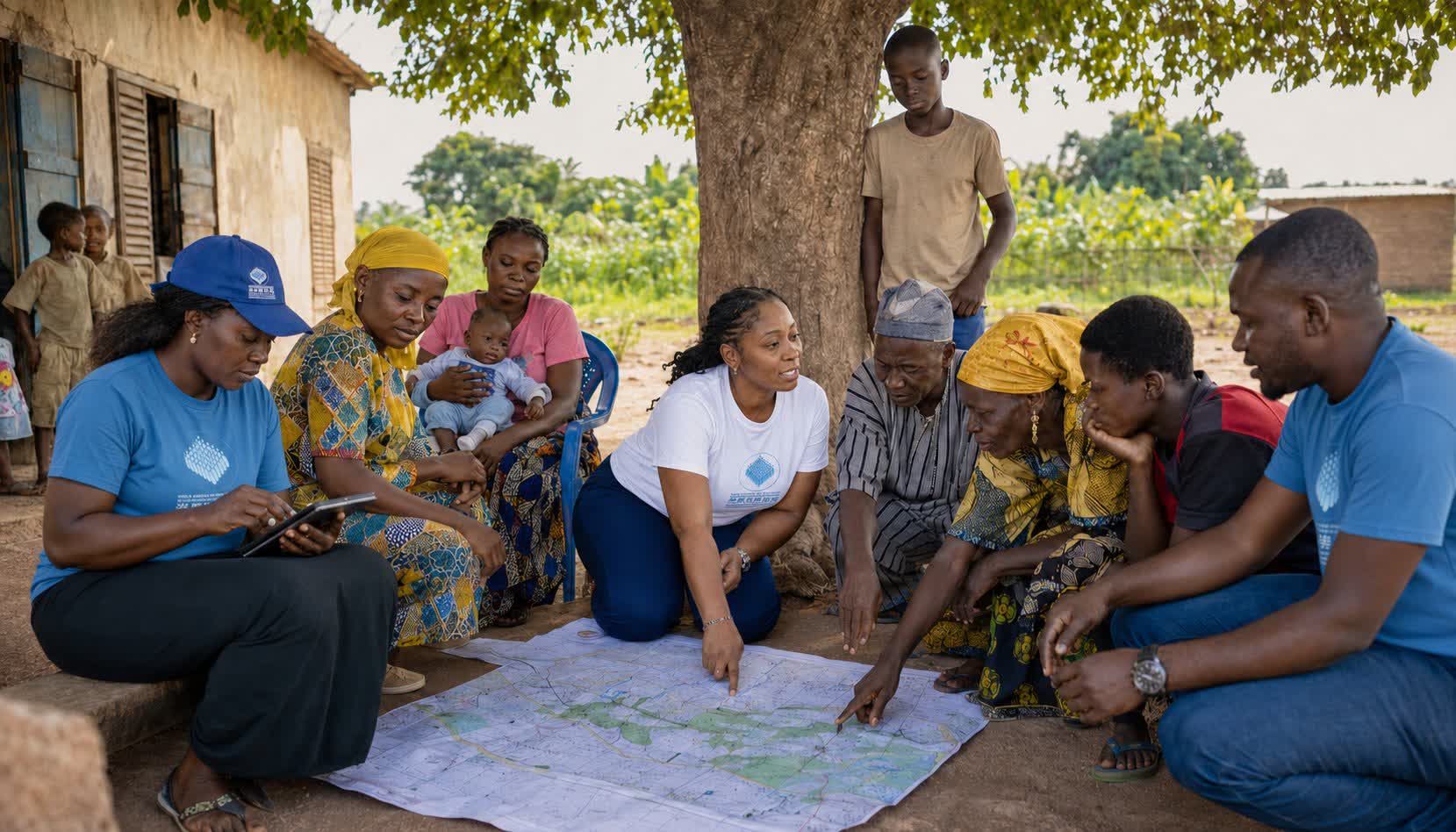
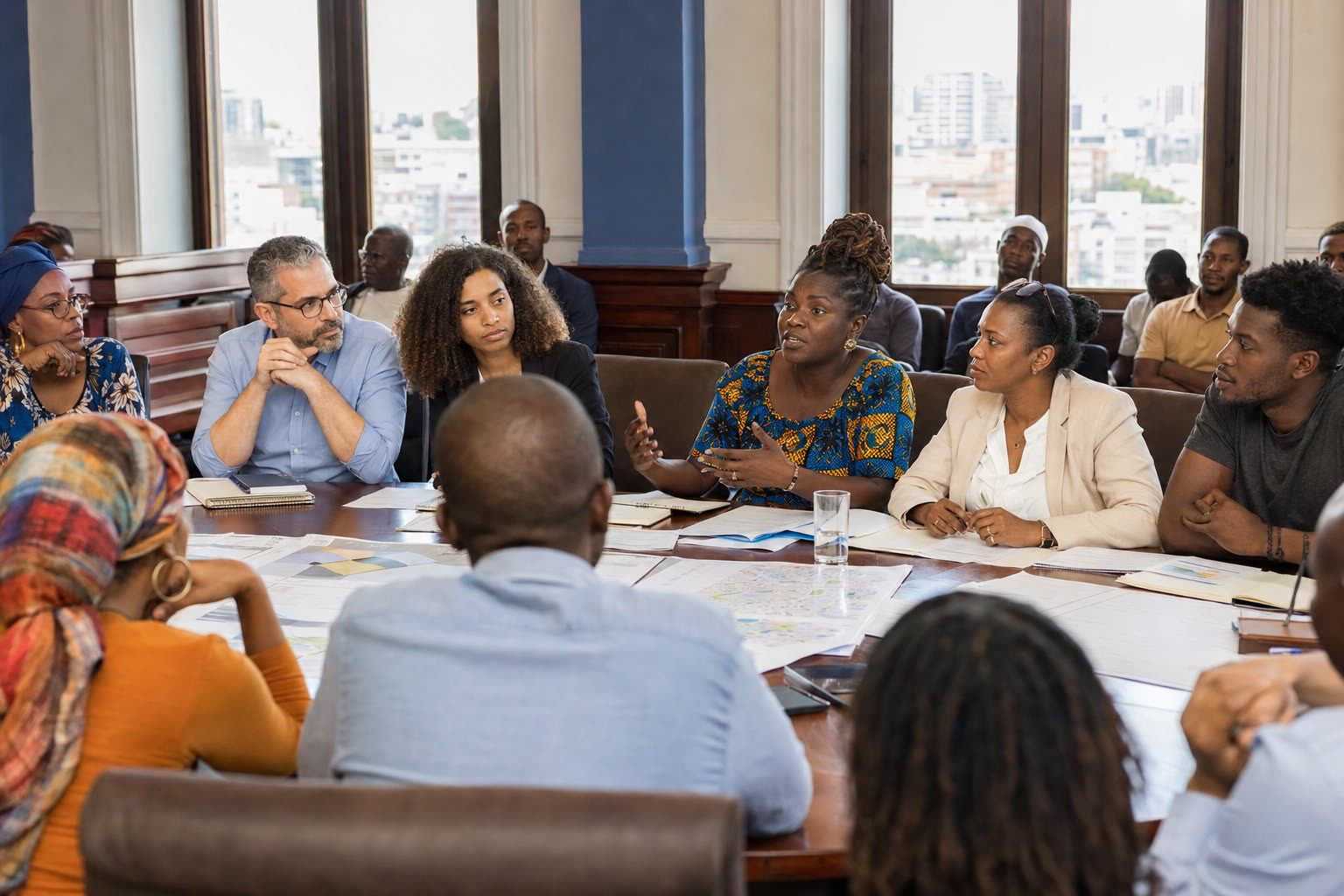
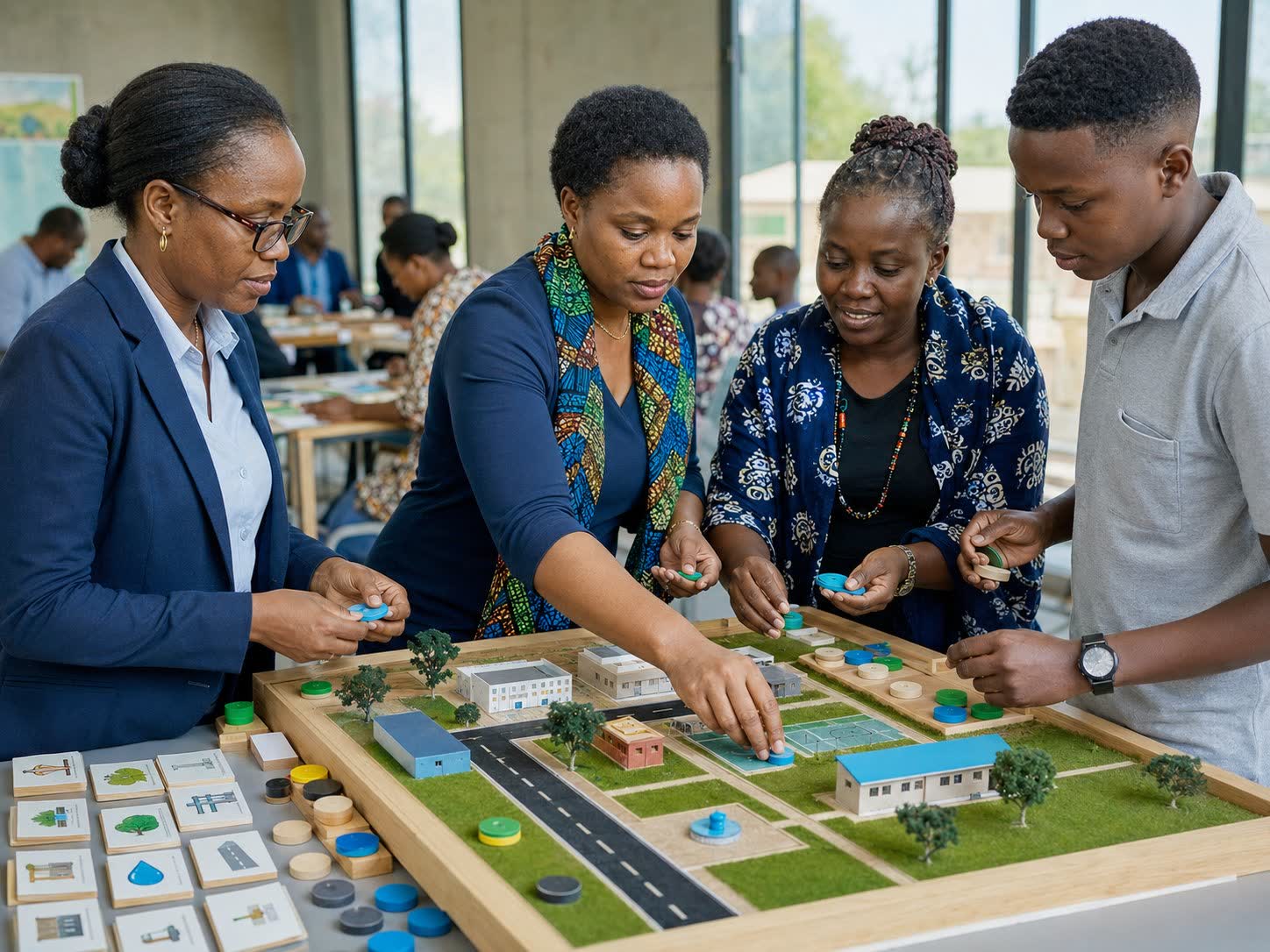
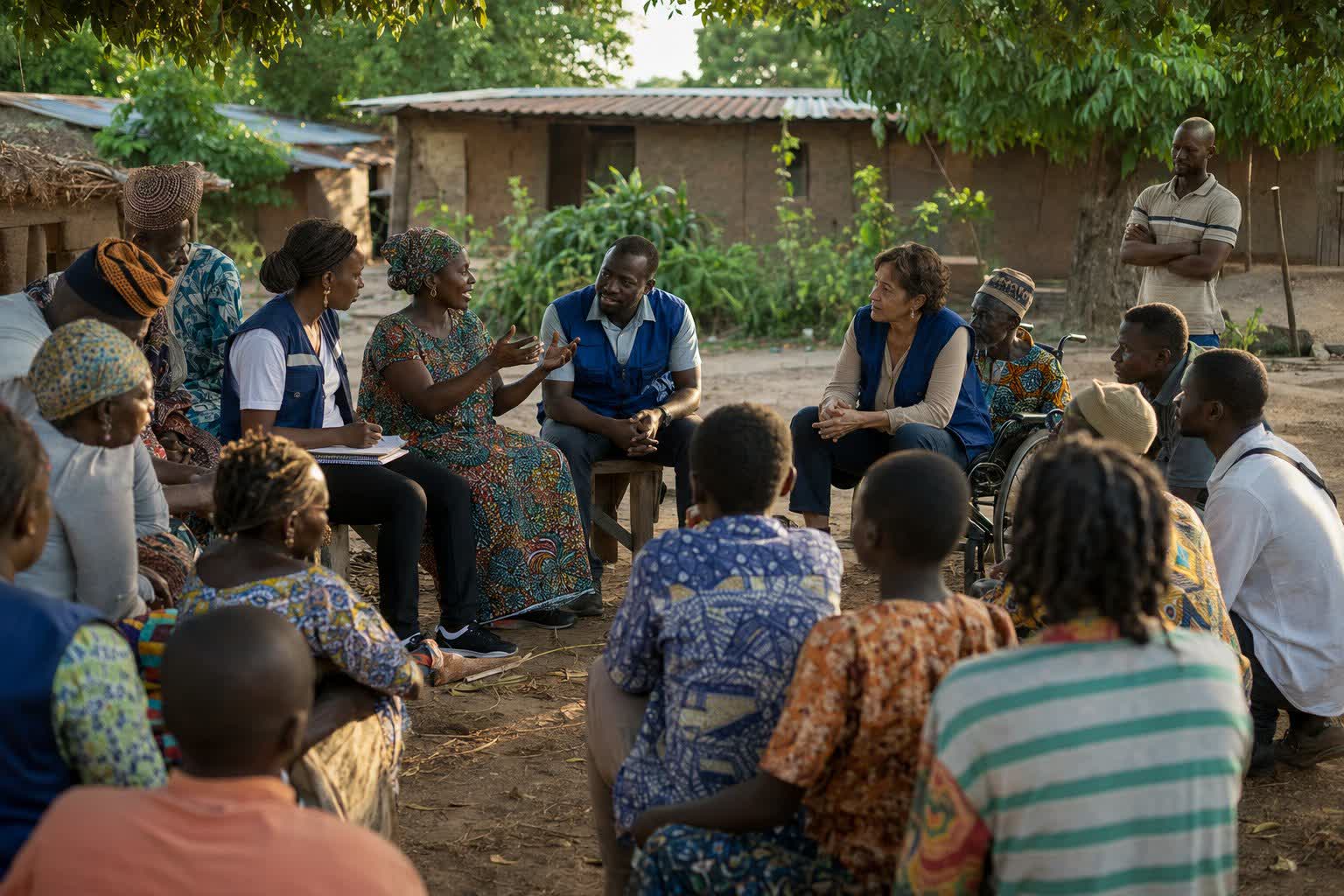
Residents’ involvement provides insight into these practices. It highlights needs that technical plans do not always describe: a path used daily, an unsuitable collection point or difficulty accessing the area at certain times.
This emphasis on residents’ experiences is in line with the AMD’s message on housing. The improvement of a neighbourhood is measured by the changes experienced by people, the preservation of their activities and their ability to use new facilities.
Service continuity: an aspect that is often less visible
The opening of a facility marks a clear milestone. Its day-to-day operation relies on less visible work: maintenance, repairs, supply management and handling requests. Yet it is this continuity that determines how long the benefits will last.
A prolonged breakdown may force residents to revert to more costly or less practical solutions. The uncertainty itself takes its toll on family and work life. Conversely, a reliable service allows people to plan their activities with greater confidence.
Connection charges and subscription terms also influence access. A network may run close to a home without the occupant having the necessary means to connect to it. The physical existence of the infrastructure and its economic accessibility are therefore two distinct realities.
In rural or sparsely populated areas, the distance from facilities and maintenance teams makes these issues particularly important. The most suitable solutions depend as much on how they will function in the future as on their initial performance.
Essential services thus play a part in the distribution of opportunities within a society. When they become accessible and reliable, they free up time, facilitate activities and make the living environment more favourable. The World Association for Development regards this relationship between housing and services as a key component of human development. Regional inequalities thus take on a concrete meaning: they reflect differences in the opportunities to learn, work and live with dignity on a daily basis.
Samyath A. AMOUSSA