






















Disaster risk reduction: a vital investment in sustainable development
Disaster risk reduction helps to protect communities and safeguard the progress made in regional development.The World Association for Development (AMD) emphasises the need to integrate risk reduction into planning, housing and funding policies. This approach should help to safeguard essential services and livelihoods, with particular attention paid to the most vulnerable households.
A region’s safety depends in part on decisions taken before a crisis occurs. The location of housing, the quality of buildings and the preparedness of public services all influence the consequences of a hazardous event. Identifying risks early enough allows them to be taken into account in planning projects and in the management of existing infrastructure.
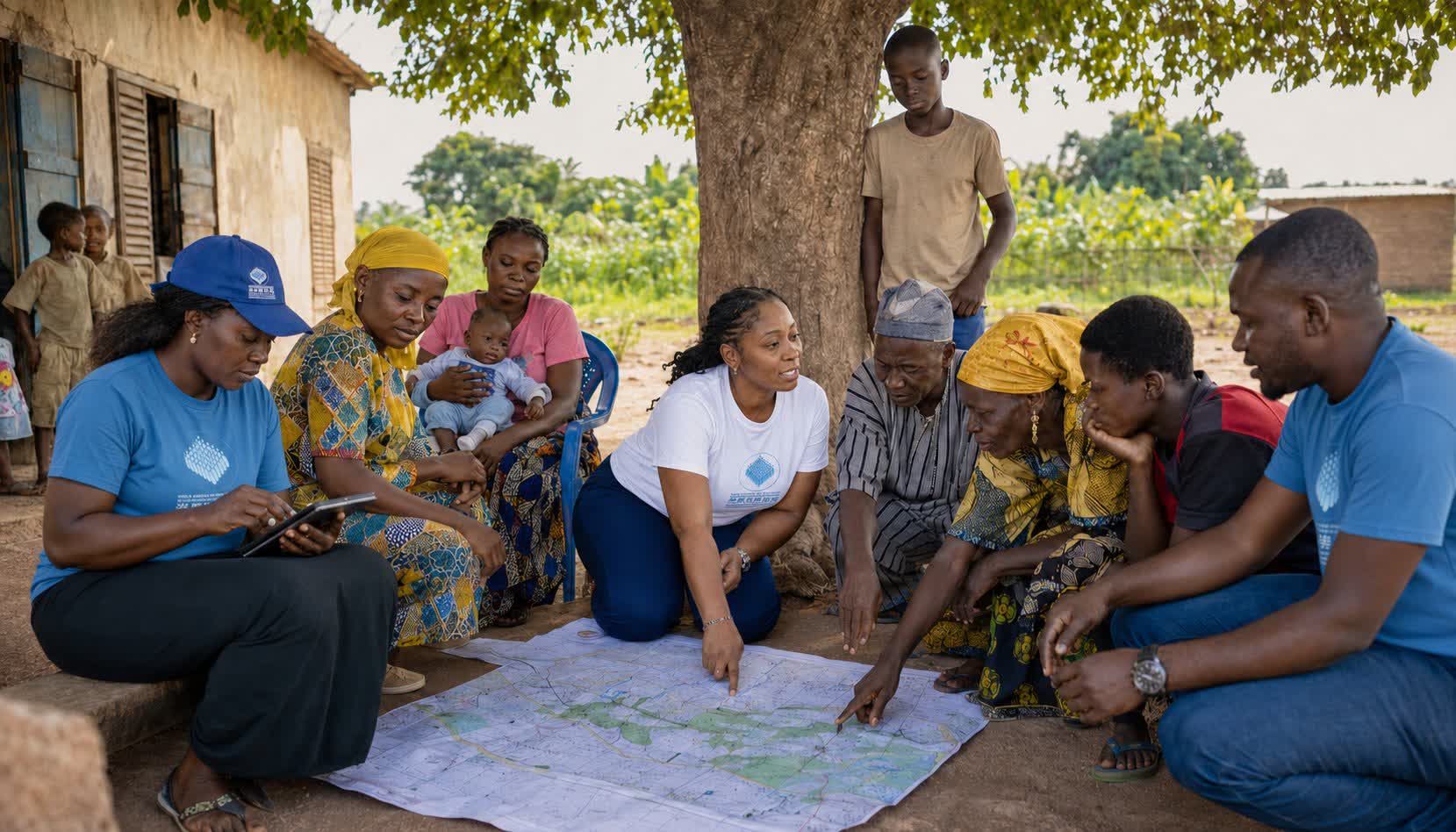
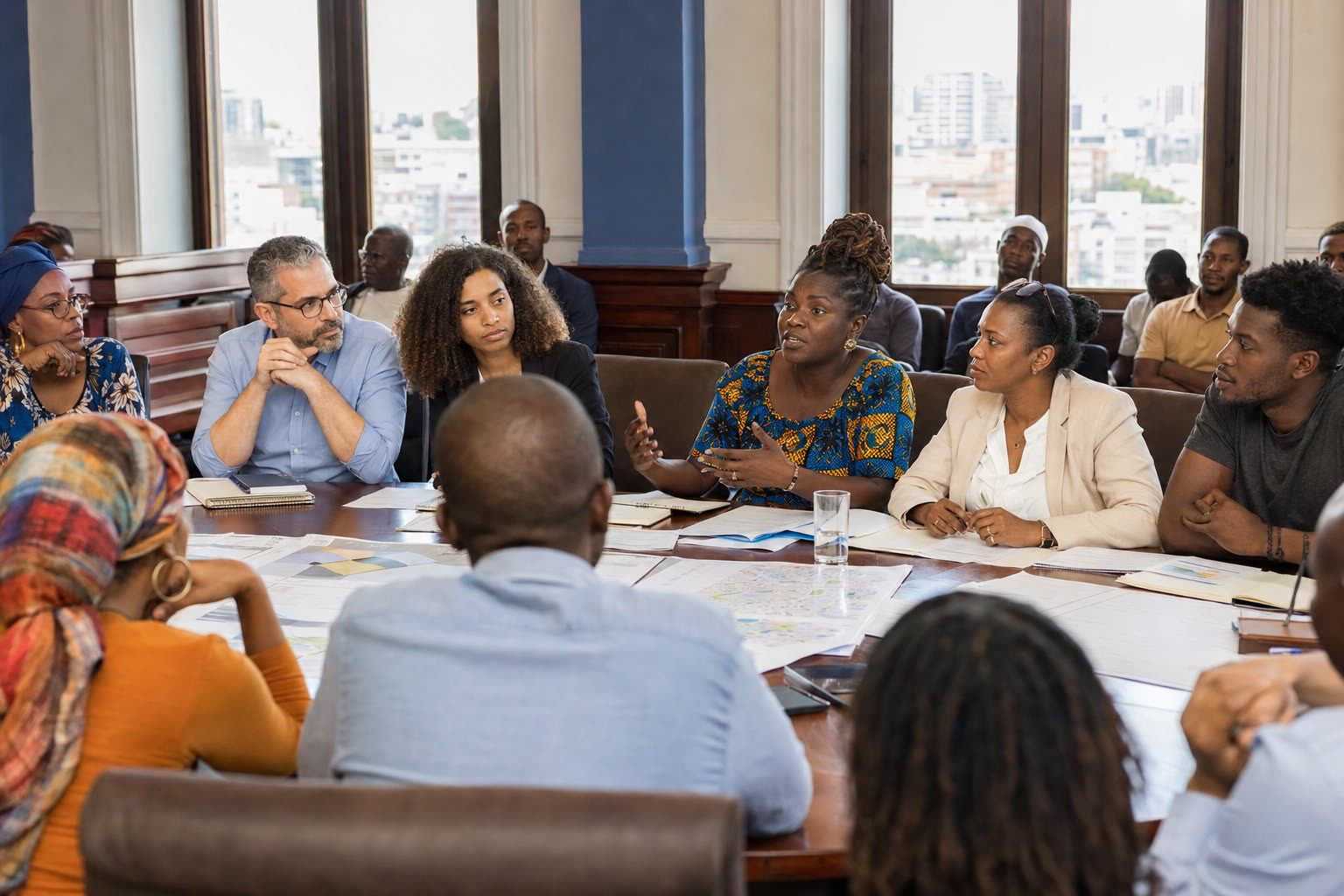
Such forward planning requires a sustainable organisational framework. A map of exposed areas or an early warning system is only truly useful if decision-makers and residents are able to make use of it. Knowledge of the risks must therefore be accompanied by the means to take action, clearly defined responsibilities and regular monitoring.
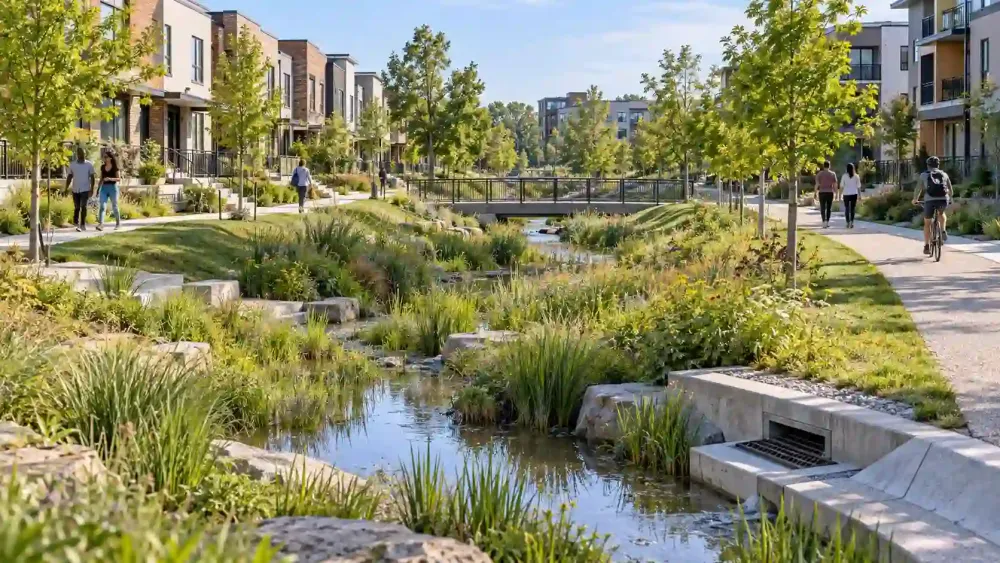
Why does disaster prevention safeguard development?
The consequences of a disaster go beyond the immediately visible damage. The closure of a school disrupts learning. An impassable road can restrict access to markets or healthcare. The destruction of a workshop deprives its owner of a means of livelihood and may jeopardise the household’s income. These difficulties sometimes persist even after the main infrastructure has been restored.
Safeguarding development gains therefore requires consideration of what enables people to live, work and access services. The protection of a building must be considered alongside the protection of its function. A health centre may remain standing yet become virtually unusable if its access routes, water supply or equipment are damaged.
Disaster risk reduction must be integrated right from the investment planning stage. Assessing a site’s vulnerability, maintenance requirements and the potential for maintaining services helps to gauge a project’s long-term viability. This approach also applies to existing facilities, whose vulnerabilities must be identified and addressed.
How can risks be integrated into planning and housing?
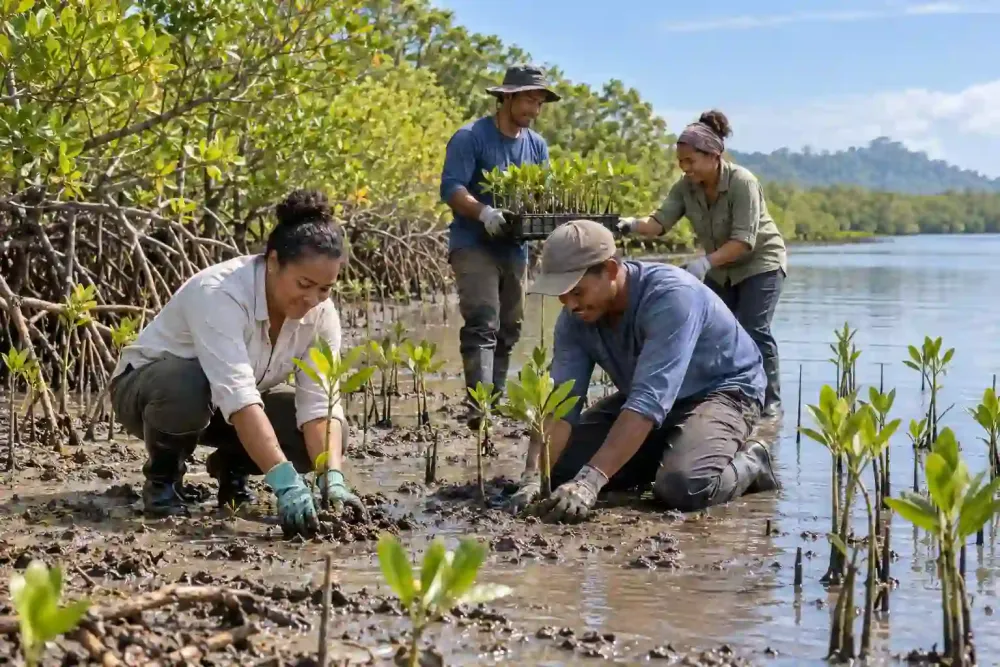
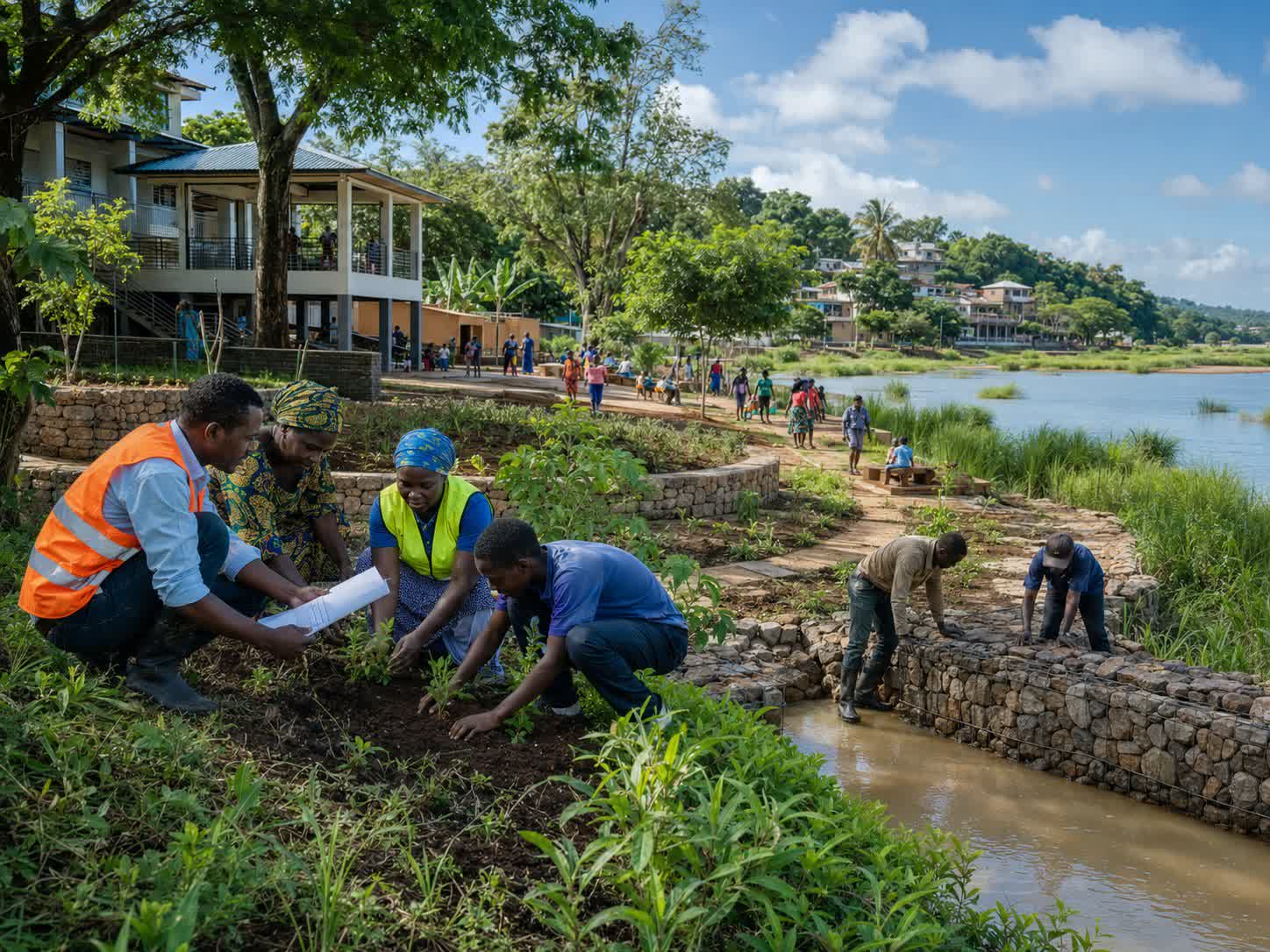
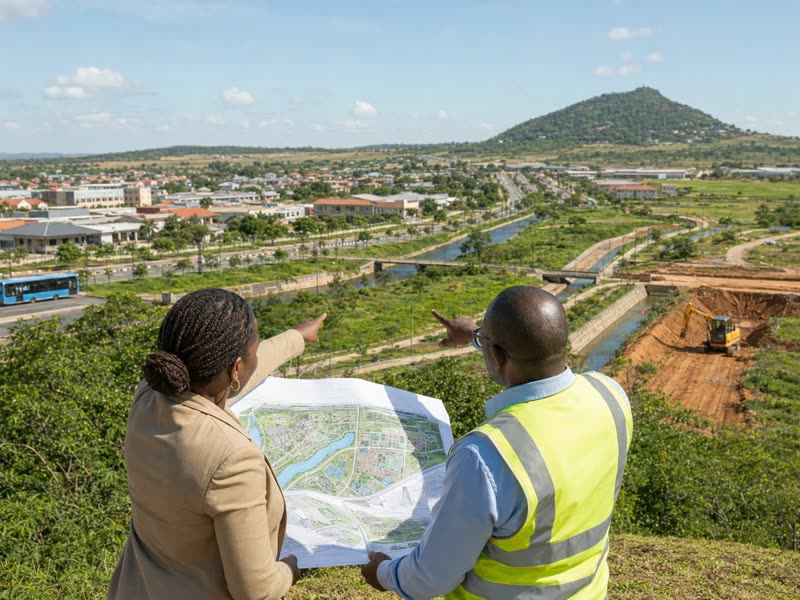
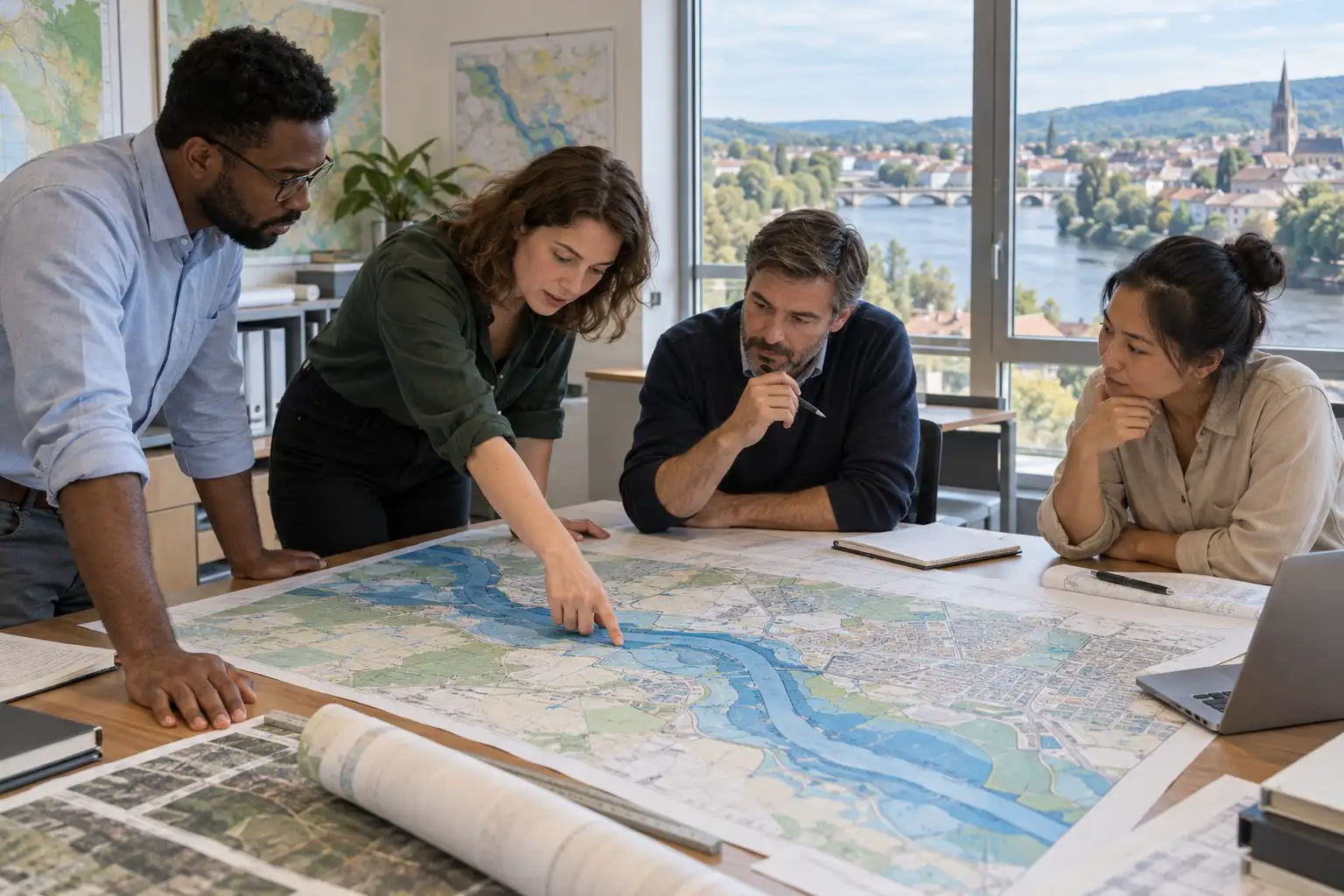
Land-use planning requires a sufficiently detailed understanding of the risks faced by communities. Depending on the location, priorities may relate to flooding, ground movement or other hazardous phenomena. The available information must inform decisions on site selection and be updated as conditions change.
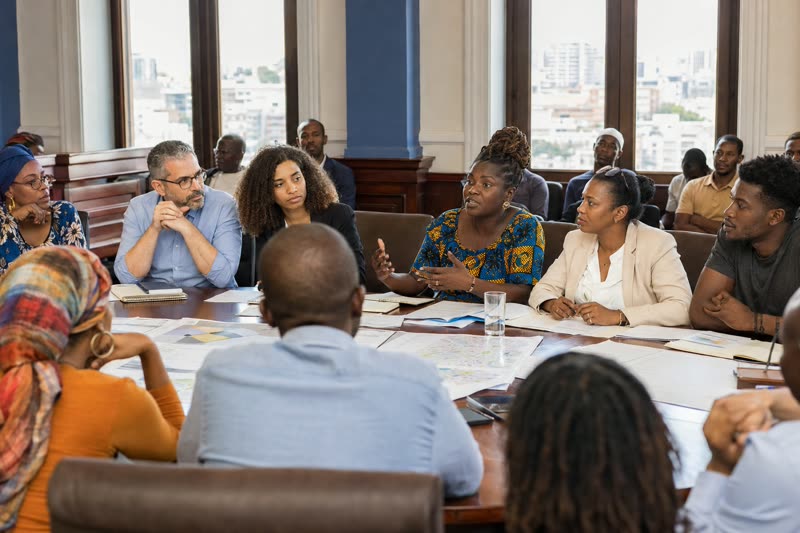
Its use relies on cooperation between the departments responsible for town planning, housing, infrastructure and civil protection. If these stakeholders work on the basis of different information, certain vulnerabilities may be overlooked. A shared understanding of risks helps to define consistent priorities and to assess the impact of new development on neighbouring areas.
Housing safety also requires practical measures. Building standards must be accompanied by technical expertise, inspections and solutions that are accessible to households. For existing homes, identifying priority works and offering appropriate support can facilitate their reinforcement. Residents must be able to understand the recommendations and know who to turn to in order to implement them.
How can essential services be safeguarded in the face of crises?

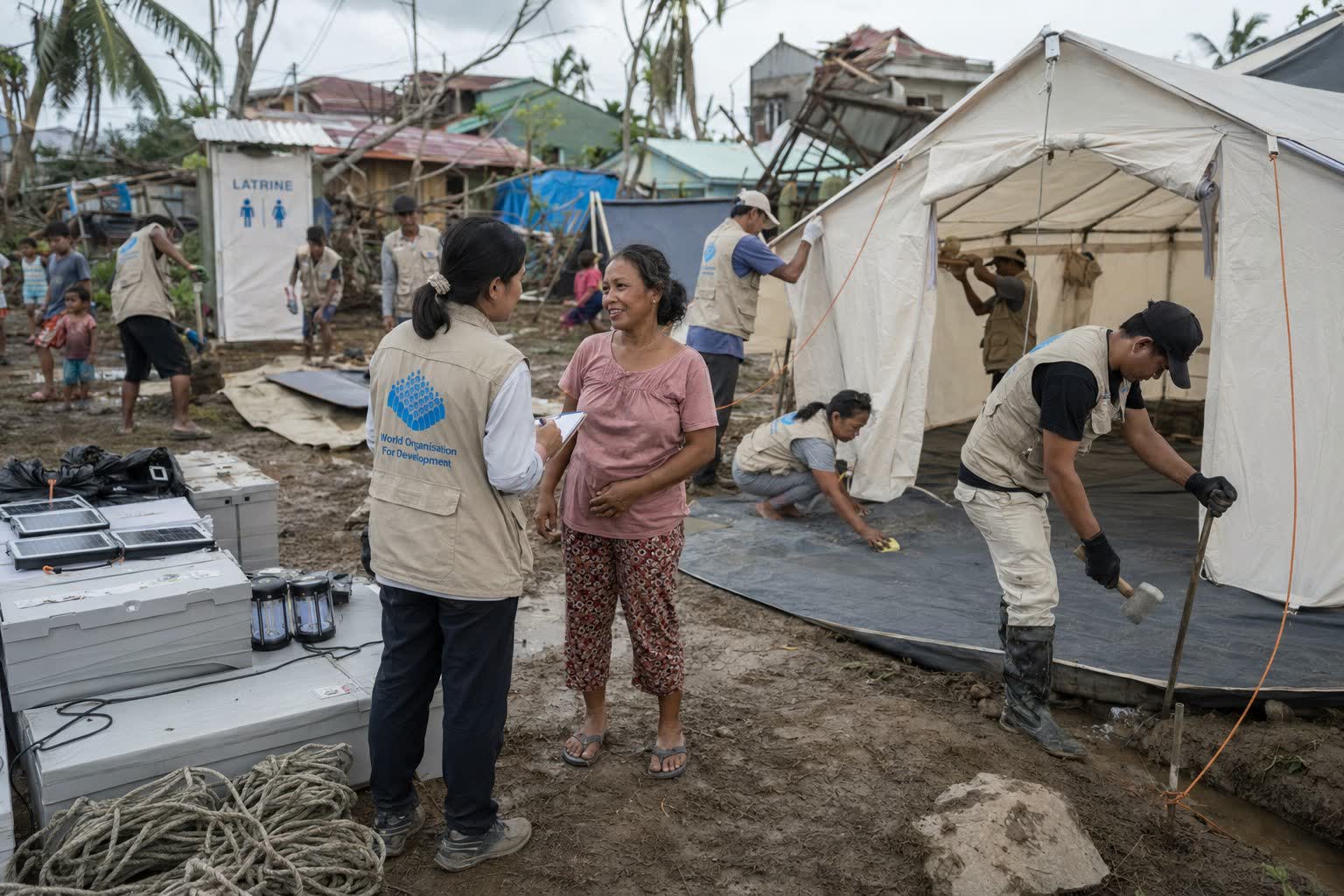
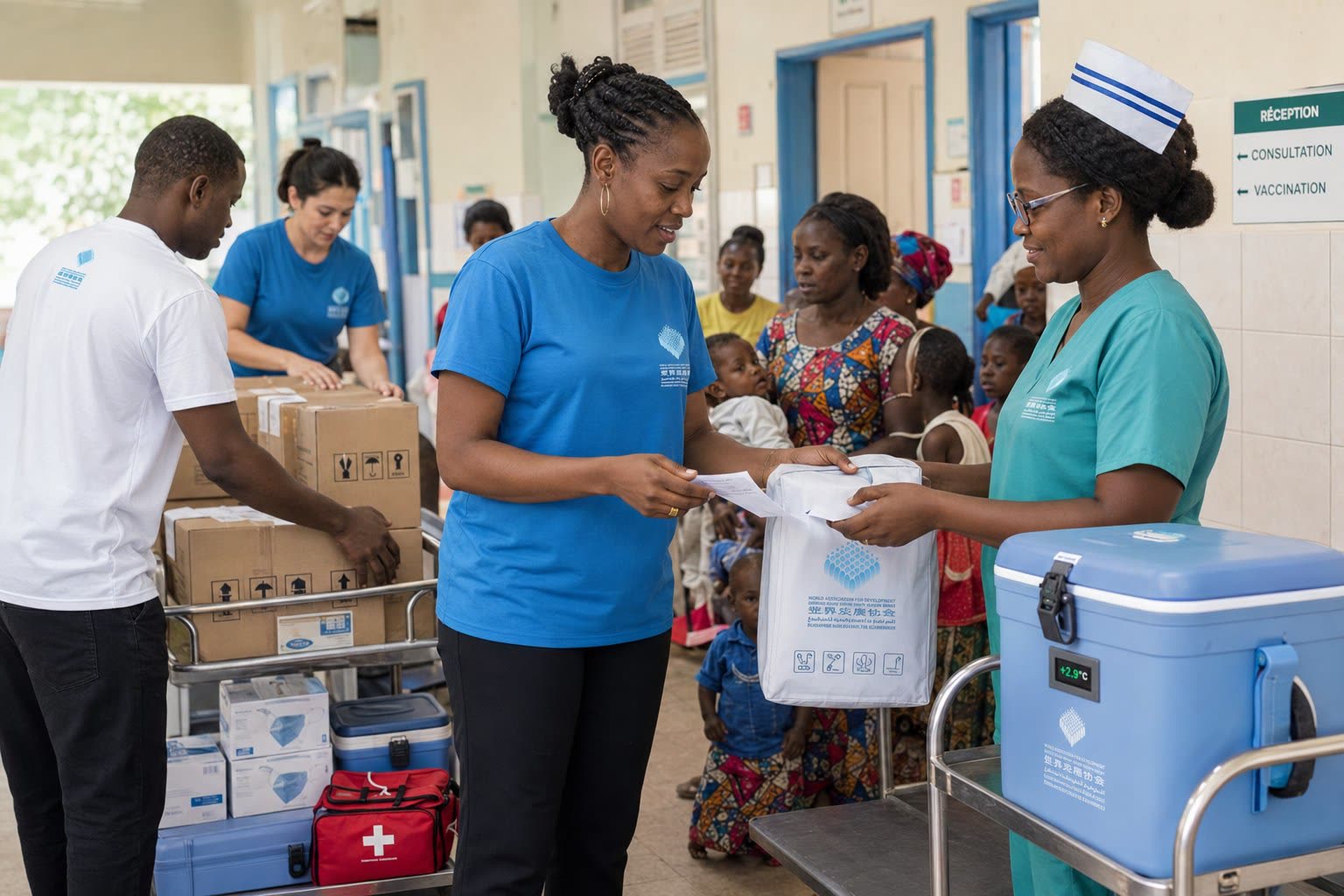
The continuity of water supply, healthcare, education and transport deserves particular attention in disaster prevention plans. These services often rely on several interconnected systems. Preparations must take into account the access routes, networks and resources necessary for their operation.
A useful approach is to examine potential disruptions and their consequences for users. Which facilities are most at risk? Which services must be restored as a priority? What temporary solutions can be put in place? These questions help to link protective measures with preparations for the response and recovery phases.
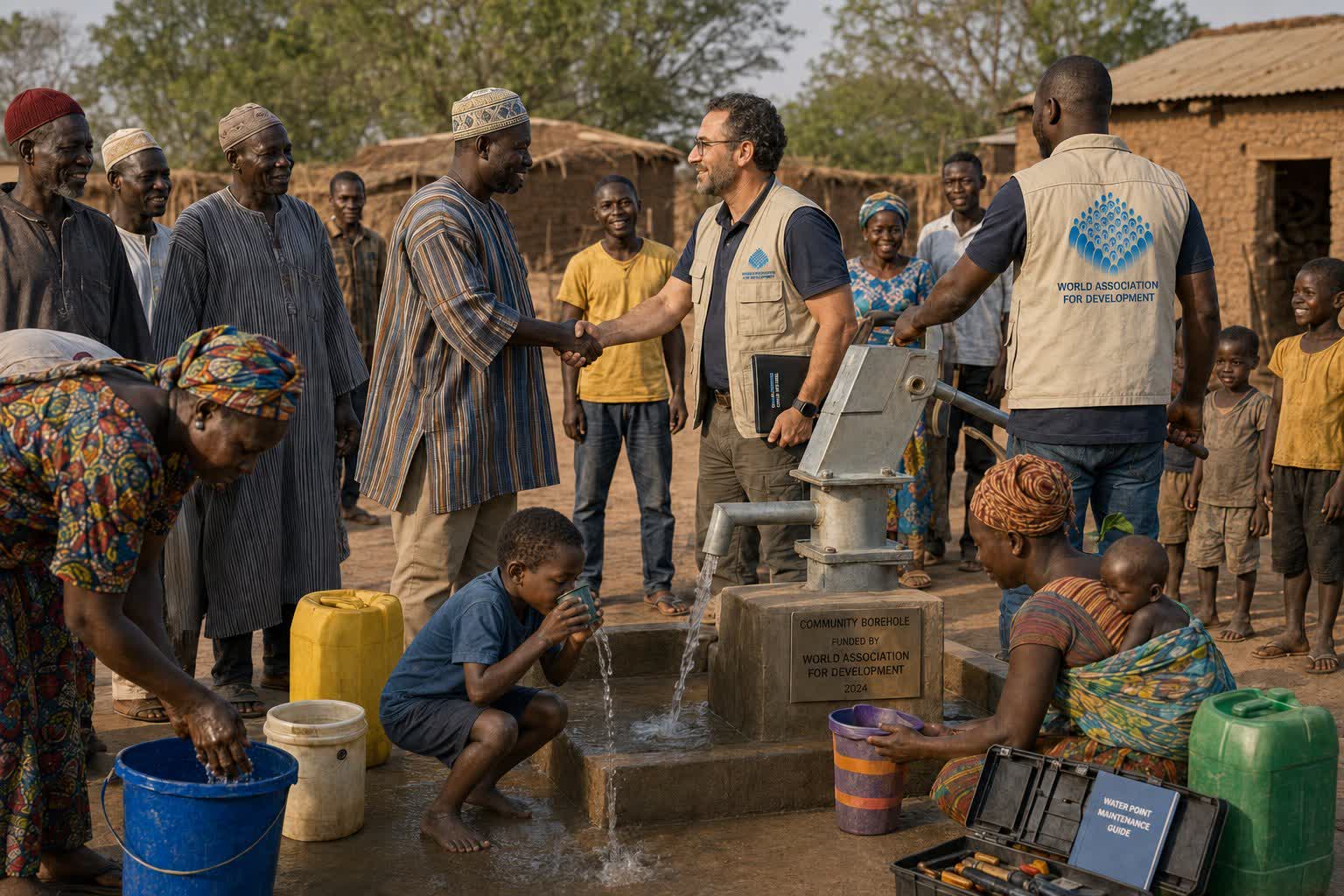
Maintenance must also be planned for. A drainage system requires regular monitoring and maintenance to maintain its flow capacity. Emergency equipment must be capable of being checked and operated by trained personnel. Planning for these responsibilities and the corresponding resources right from the project design stage enhances the likelihood of their long-term functionality.
How can we make prevention accessible to the most vulnerable communities?
Information is essential, but the scope for action varies depending on the situation. A family may be aware of the risk of flooding without having the means to reinforce their home or relocate elsewhere. Prevention policies must therefore consider the constraints that prevent residents from following the recommendations.
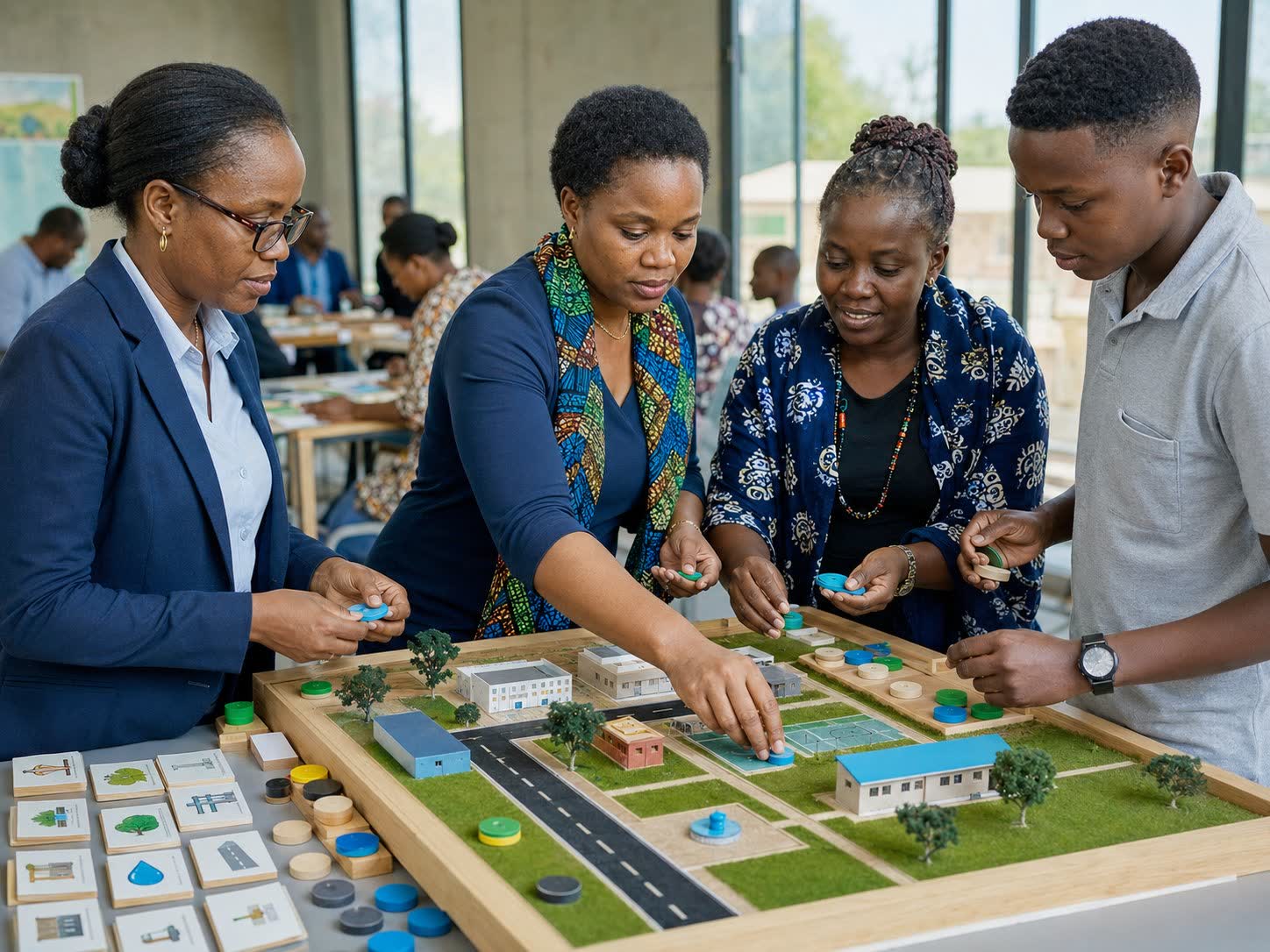
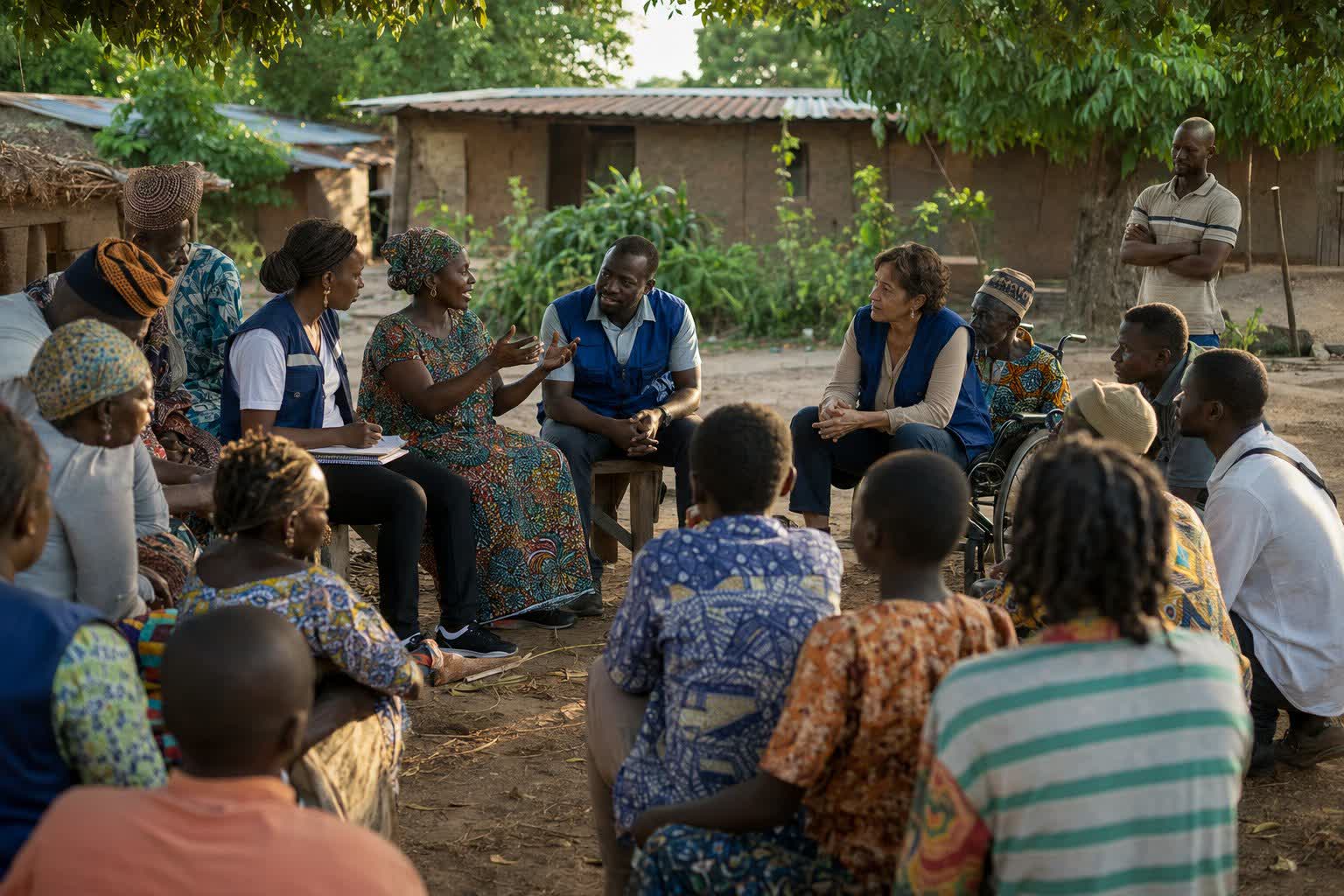
Early warning systems must take this diversity into account. Messages must be clear, disseminated through accessible channels and accompanied by practical instructions. Preparedness must also take into account those who need assistance to move or reach a safe place. Involving residents in this process helps to better identify the difficulties encountered in each neighbourhood.
For the AMD, focusing on the most vulnerable areas and households is a priority in risk reduction. This involves linking information to concrete measures for protection and support. Local authorities must be able to identify support needs and tailor their responses, so that a household’s limited resources do not hinder its ability to prepare.
What funding is needed to ensure prevention is sustainable in the long term?
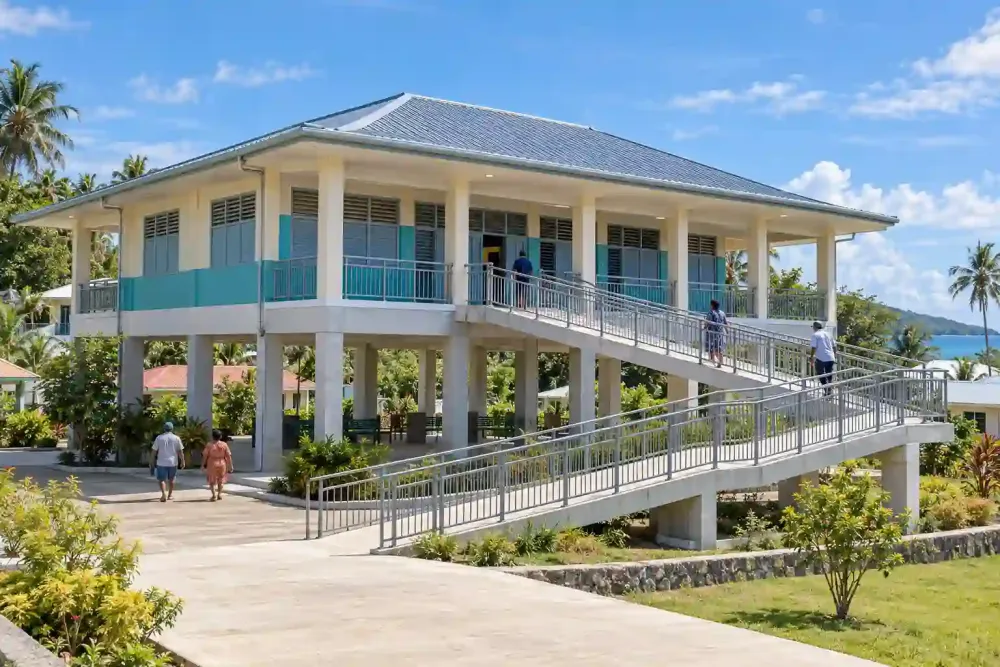
Prevention requires resources beyond the initial construction work. Keeping knowledge up to date, maintaining infrastructure, training teams and informing the public must all be factored into budgets. Without this continuity, the measures risk gradually losing their effectiveness.
Funding decisions must take into account the potential consequences of an interruption or destruction. The initial cost of a project is not sufficient to assess its value to the community. It is also necessary to examine its maintenance requirements, the vulnerabilities it helps to reduce, and the services it helps to preserve. This assessment helps to prioritise interventions according to risks and the needs of the population.
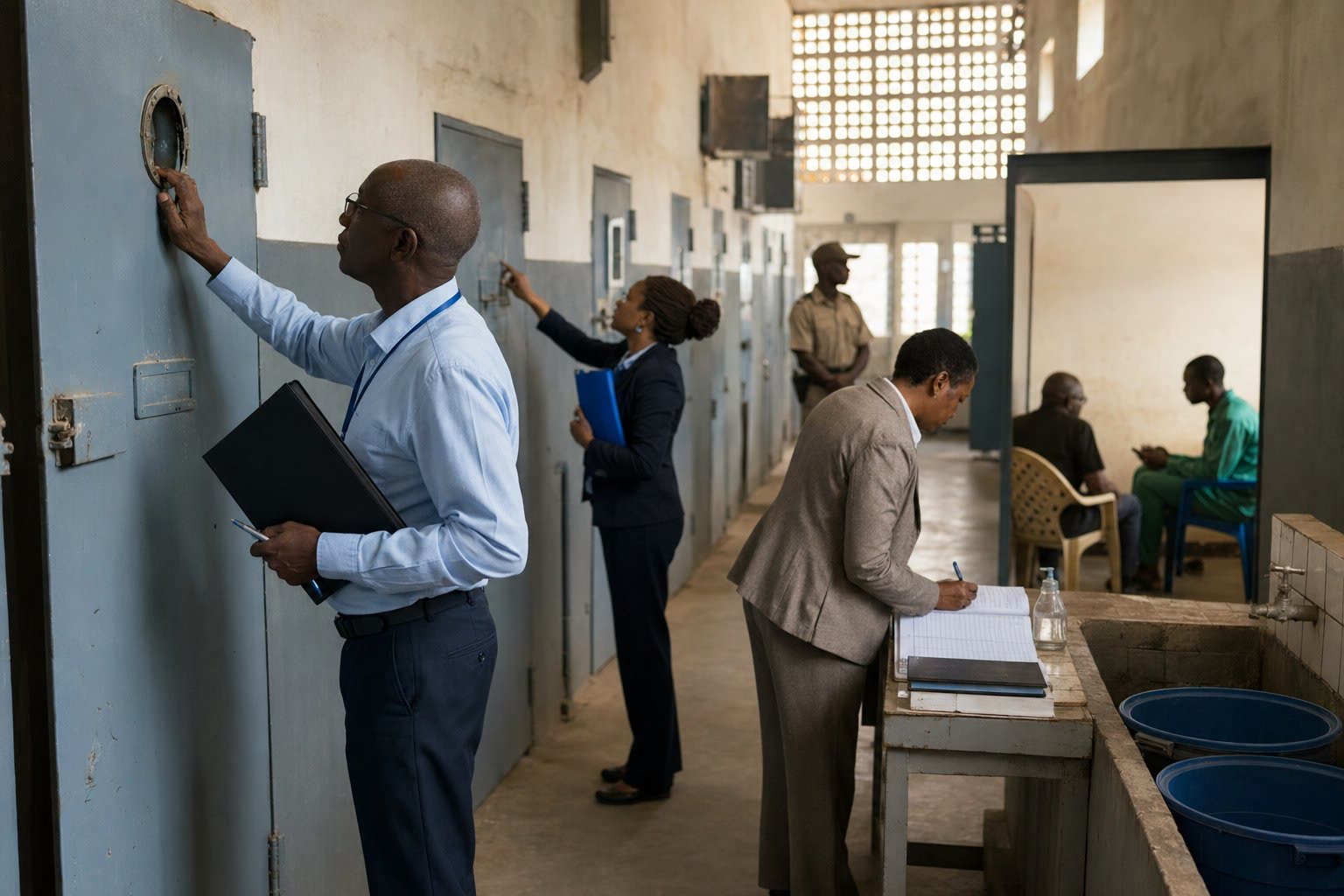
Monitoring must focus on the actual use of the resources deployed. Checking the condition of equipment, testing understanding of instructions and drawing lessons from drills enables the necessary adjustments to be identified. Everyone’s responsibilities must be sufficiently clear so that these findings lead to decisions.
The World Development Association regards disaster risk reduction as an integral part of development policies. Incorporating prevention into public decision-making, providing it with sustainable resources and facilitating its implementation in local communities helps to better protect the achievements of those communities. The ability to anticipate shocks and limit their consequences thus contributes directly to the achievement of sustainable development.