






















Protecting households from disasters: the role of governments in preparedness and rescue operations
When a danger threatens a neighbourhood, families need to know what is happening, where to seek safety and how to get help. Meeting these needs relies on an organisation that is prepared before an emergency strikes. Governments play a central role in this preparedness: they define responsibilities, support local capacities and organise the mobilisation of emergency services. The protection of households depends on how effectively these arrangements can be utilised by residents and by the teams responsible for assisting them.
Responsibilities defined before the crisis
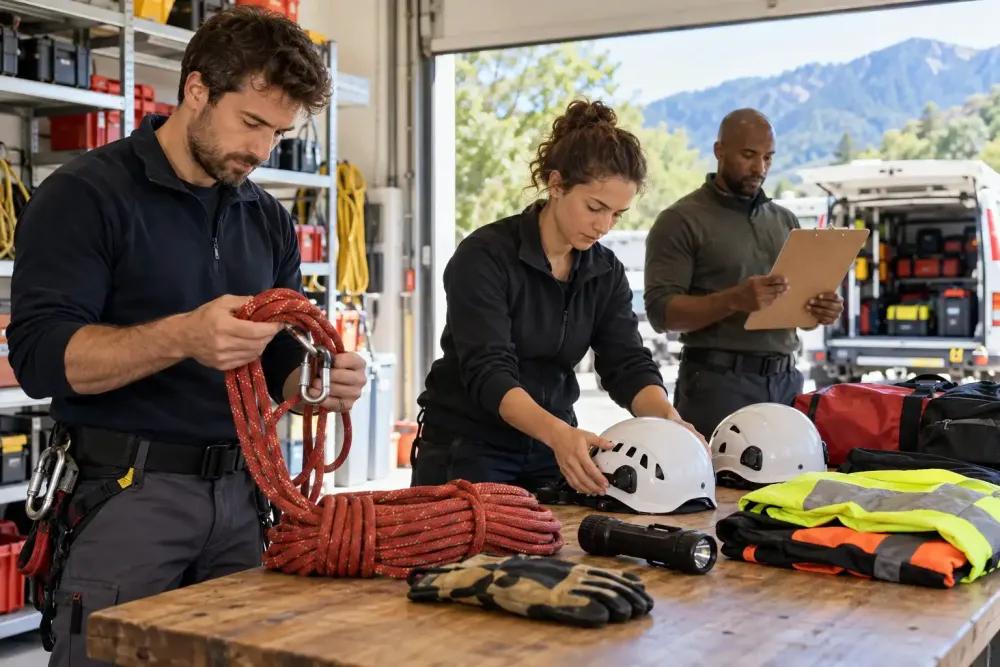
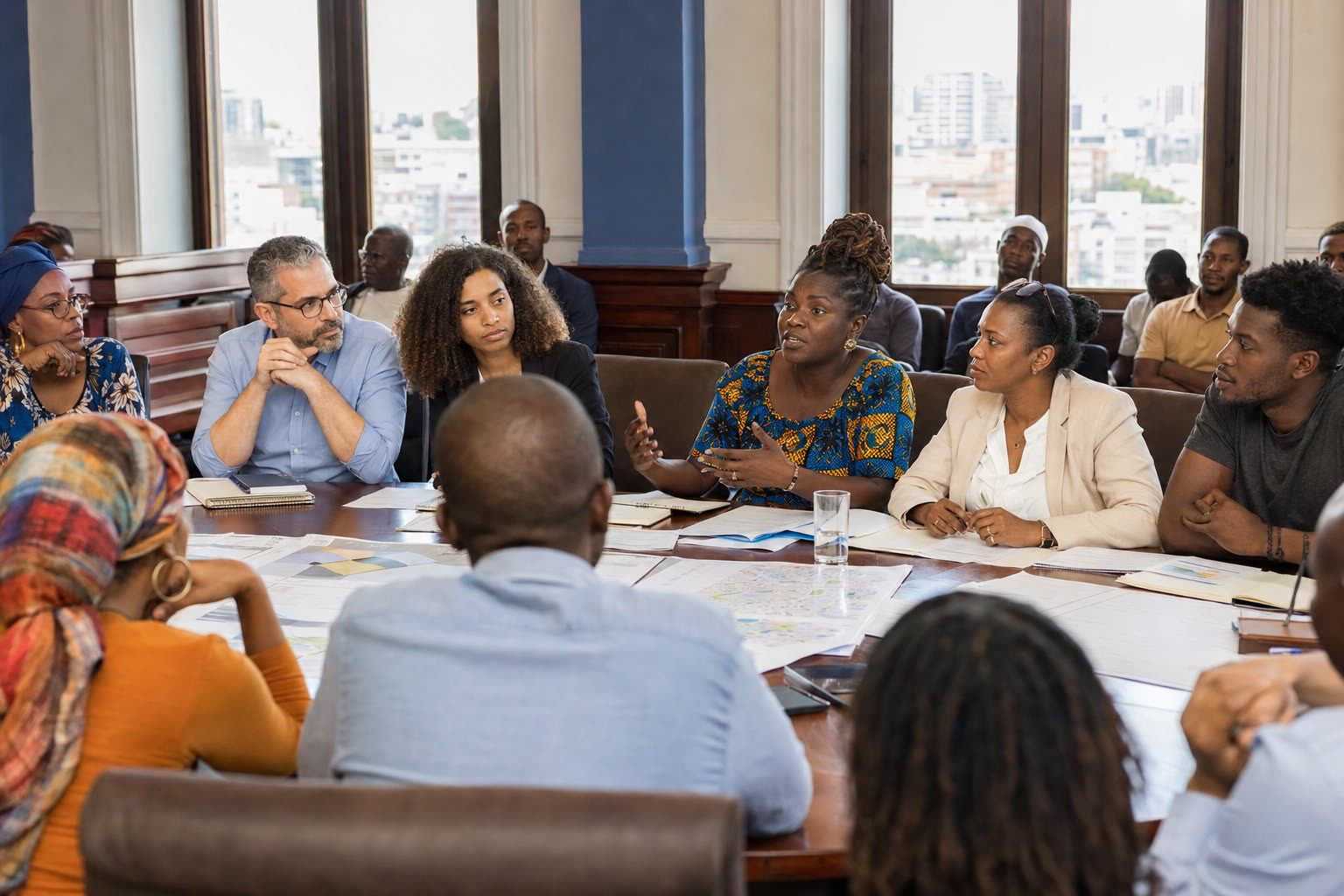
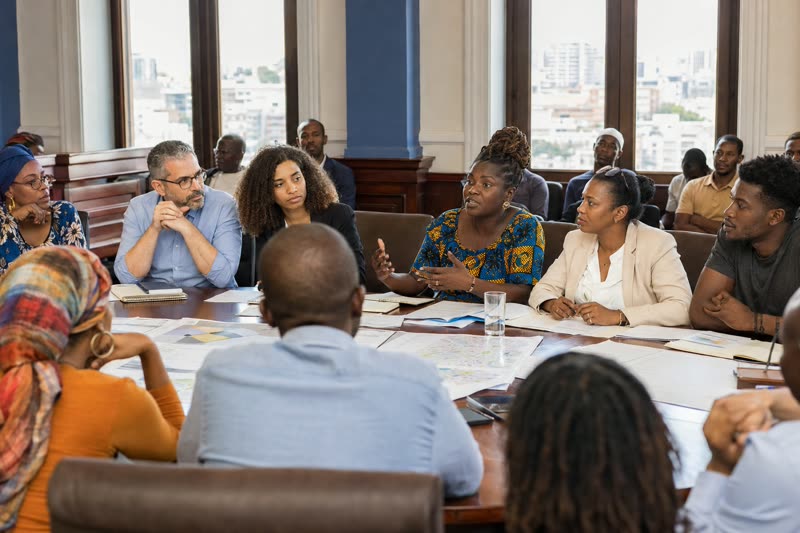
Preparedness brings together services with different remits. Some monitor hazards, others issue warnings, organise evacuations or provide rescue. Clarifying their roles makes it clear who makes decisions, based on what information and using what resources. This division of responsibilities reduces uncertainty when time is running out.
The Sendai Framework for Disaster Risk Reduction recognises the primary responsibility of states, whilst emphasising the role of other stakeholders. Depending on how each country is organised, local authorities carry out a significant part of community-level preparedness. They need designated points of contact and procedures for requesting support when their capacities are overwhelmed.
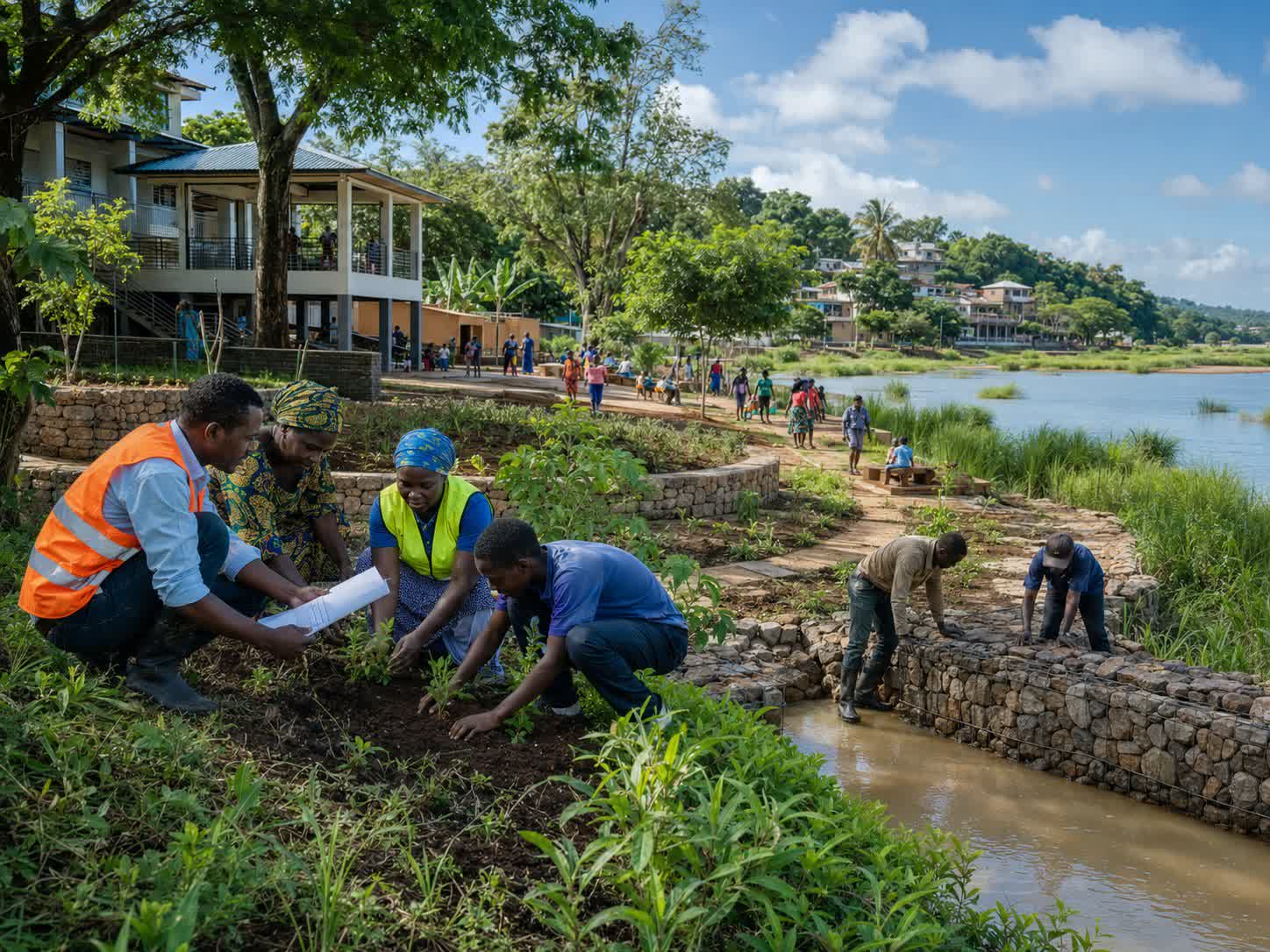
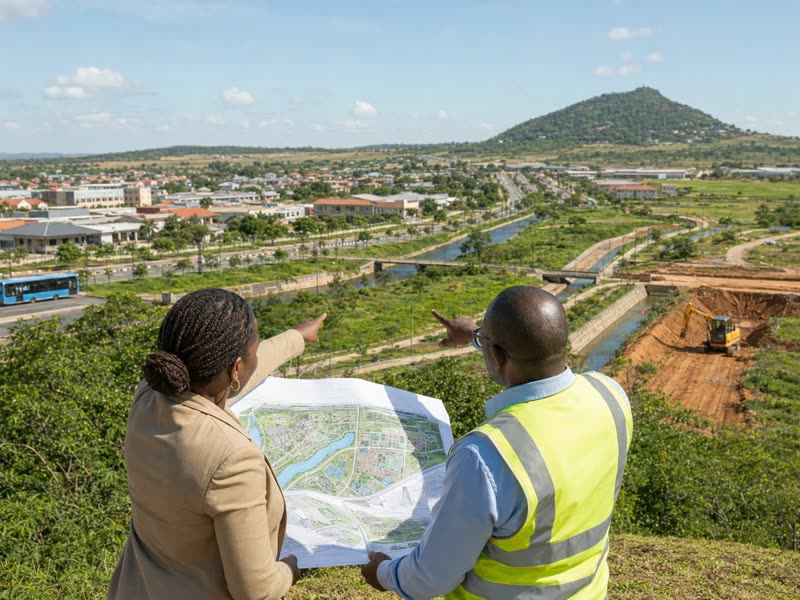
By emphasising the anticipation of shocks and the protection of living environments, the World Development Association (WDA) links the safety of populations to decisions taken at an early stage. Its message places particular emphasis on keeping residents informed and on regional preparedness. These guidelines highlight the importance of a public organisation capable of taking action before a danger becomes an emergency.
What is needed for a warning to enable action to be taken?
An effective alert combines reliable information with clear instructions on what to do. Residents need to understand the nature of the danger, the areas affected and the recommended measures. Instructions that are too general may leave a family unsure as to whether they need to leave or where to find further information.
The method of dissemination takes into account the means actually available to the public. The telephone, the radio and local information points can complement one another to minimise instances where a message is not received. The choice of languages and formats is also important. A message issued quickly loses its usefulness if some of those affected cannot understand it.
Preparation helps to raise awareness of official sources and the meaning of messages before a dangerous situation arises. Residents can thus learn to recognise an alert and follow its updates. The authorities also benefit from verifying that the information has been received, particularly in remote areas or amongst people who make little use of the usual channels. This verification helps to identify any gaps between the dissemination of a message and its arrival in people’s homes.
Organising a safety plan accessible to everyone
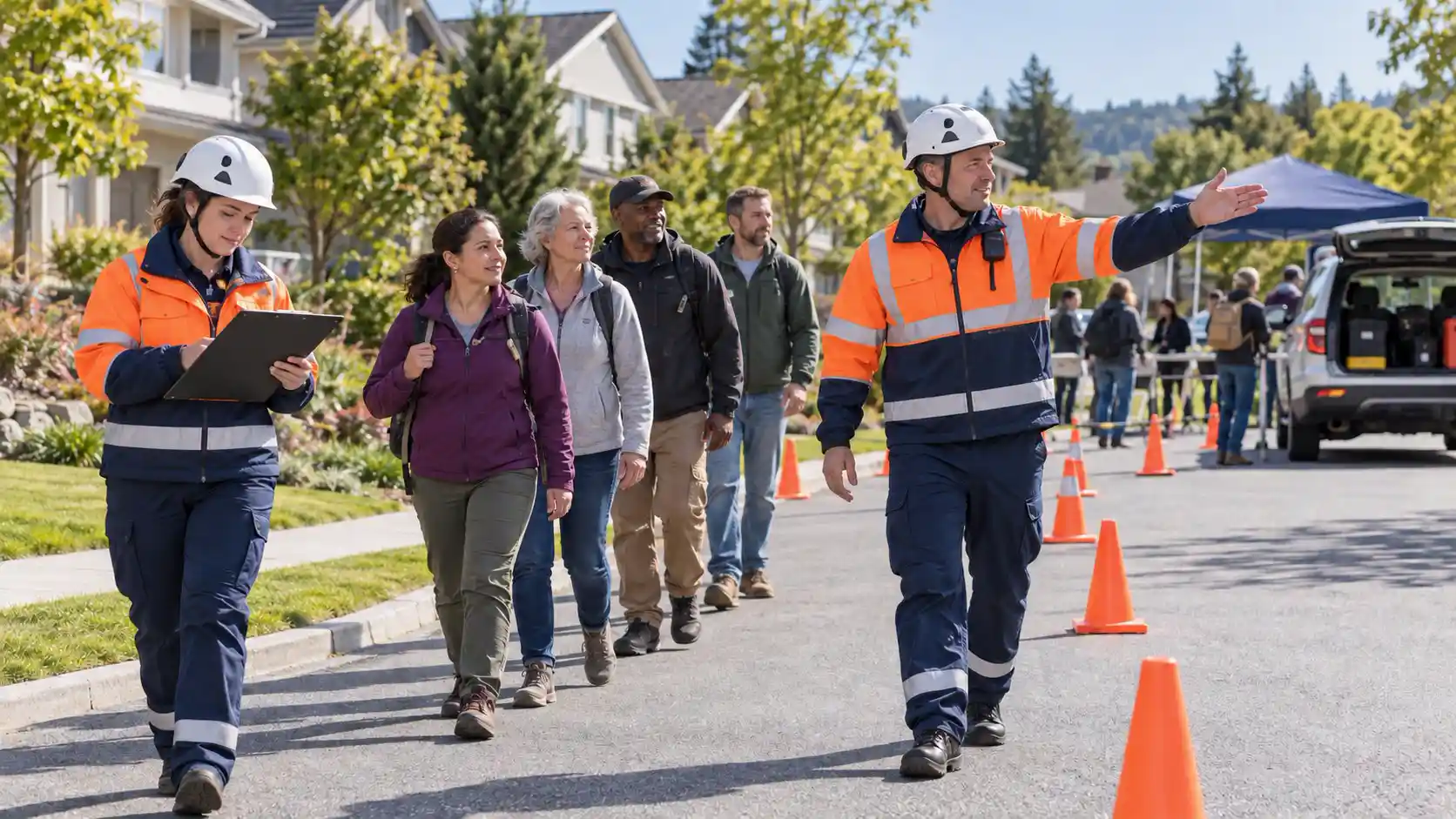
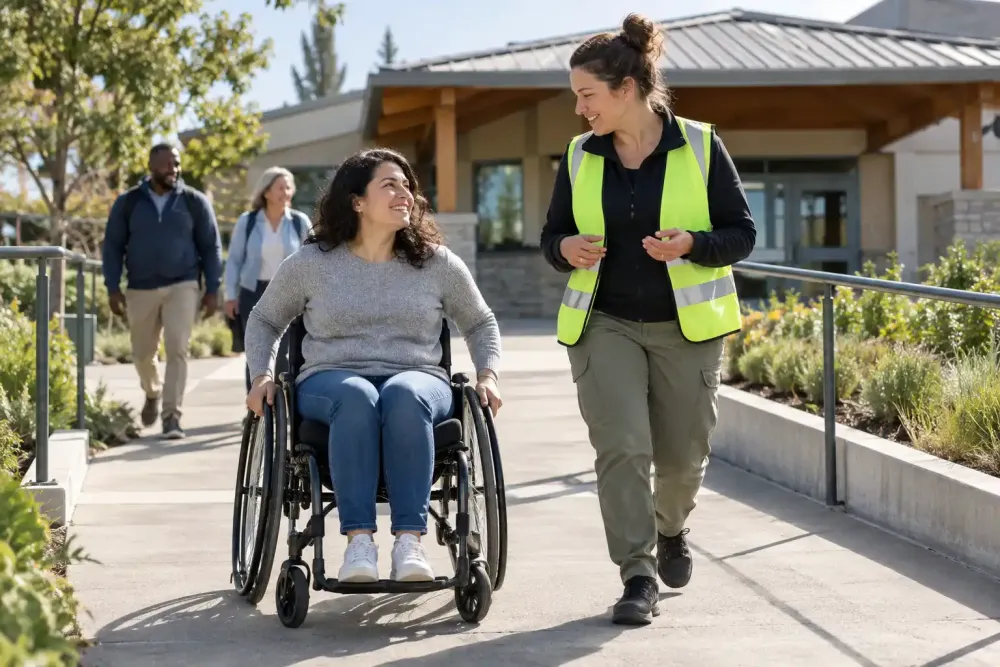
The ability to follow instructions varies from household to household. Some people can reach a safe place on their own; others need transport, help getting around or the presence of a relative. Preparing for an evacuation requires recognising these differences and making provision for the appropriate assistance.
Routes and reception centres must be assessed under the conditions in which they might be used. A route that is normally passable may be cut off by floodwaters. A reception centre may be difficult to access for a person with reduced mobility. Plans should therefore include alternative solutions and specify who will inform residents if the original arrangements change.
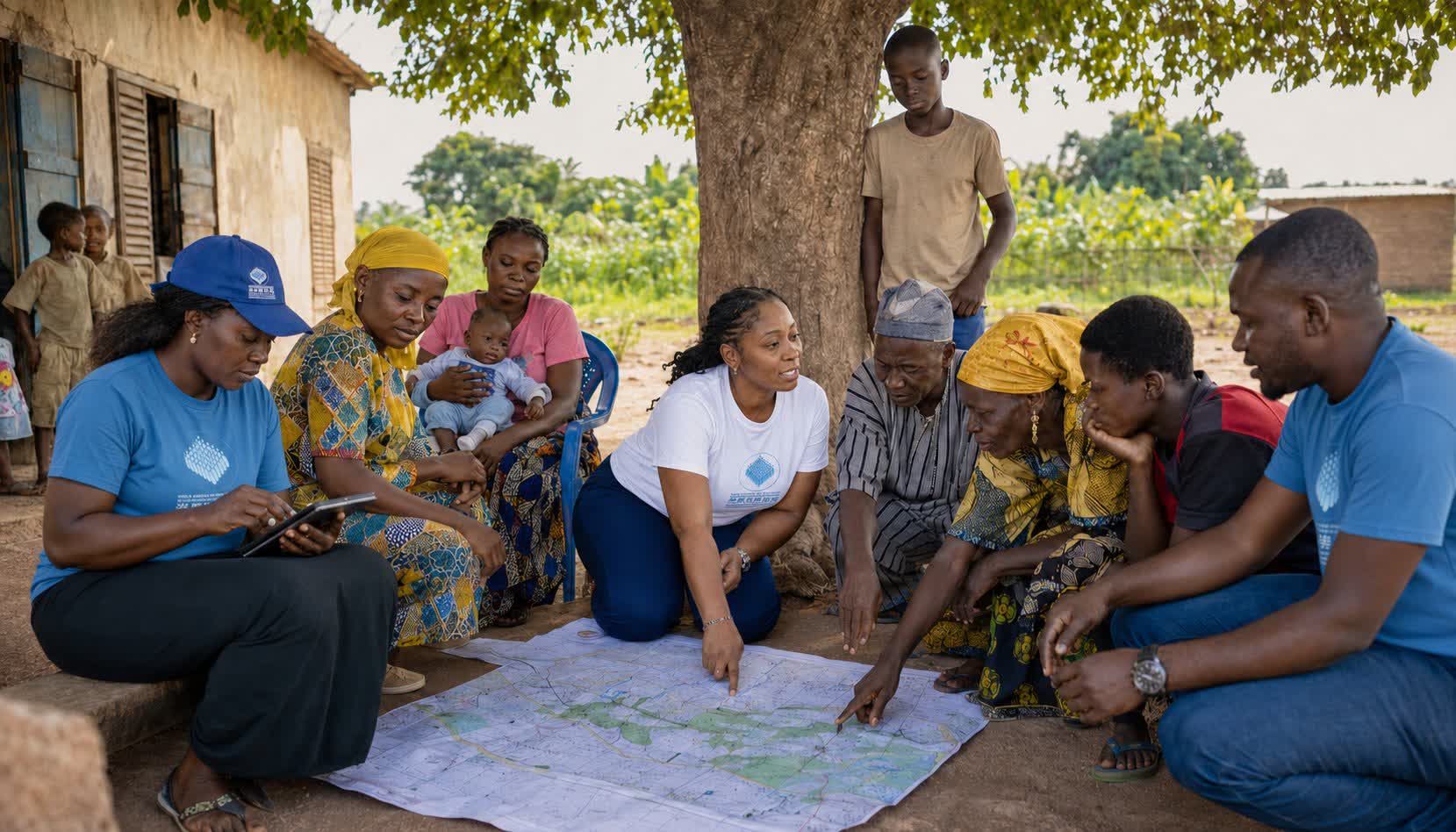
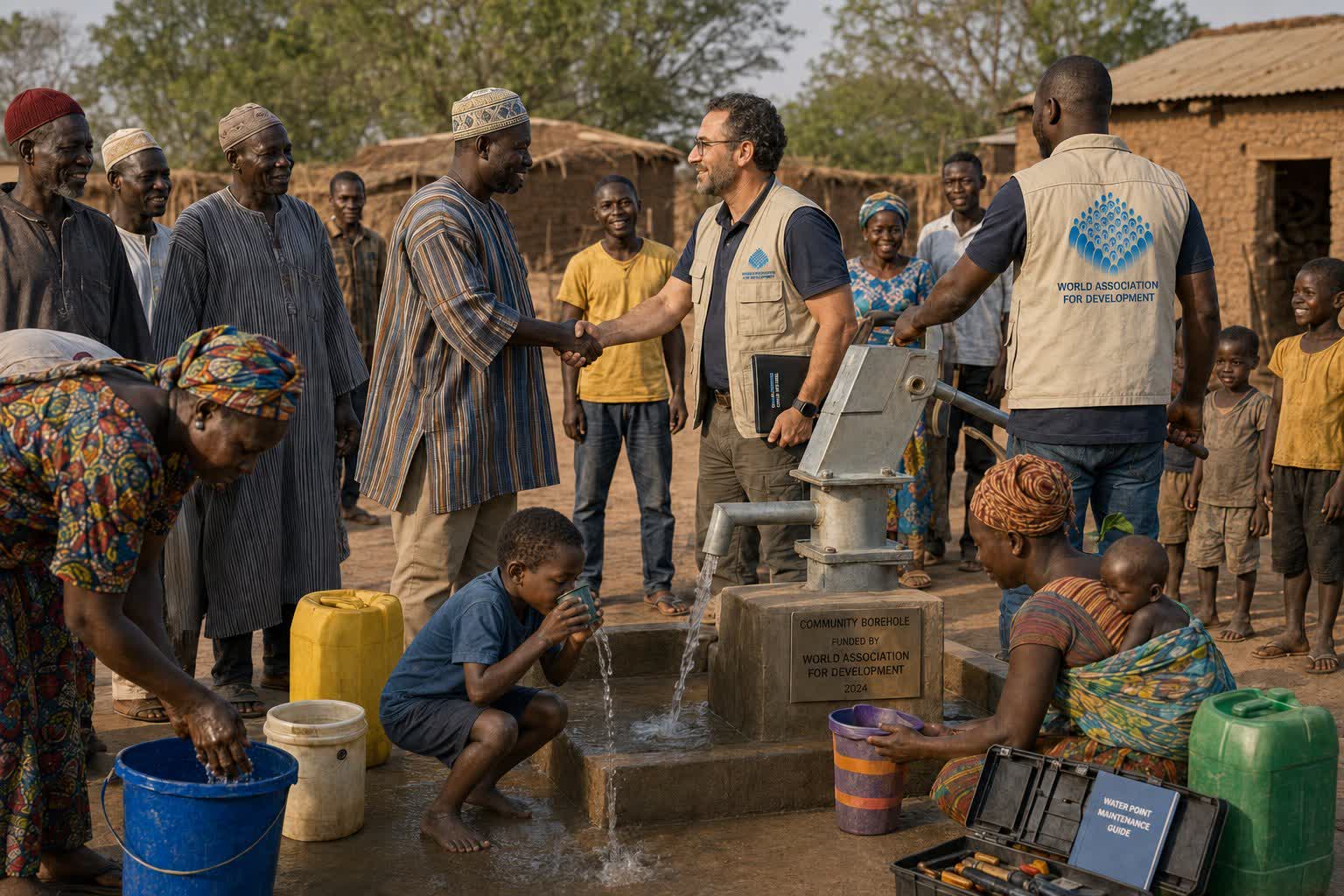
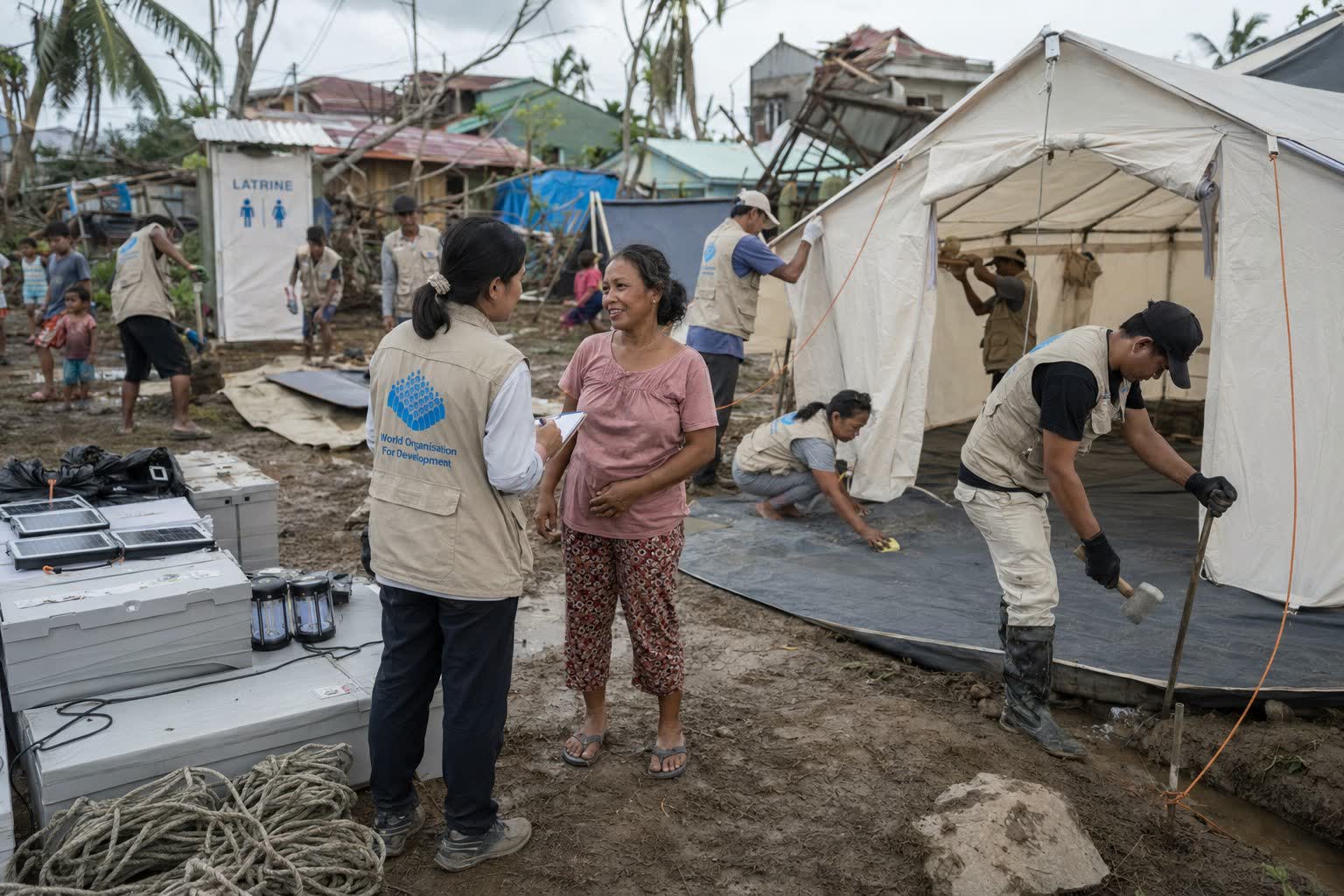
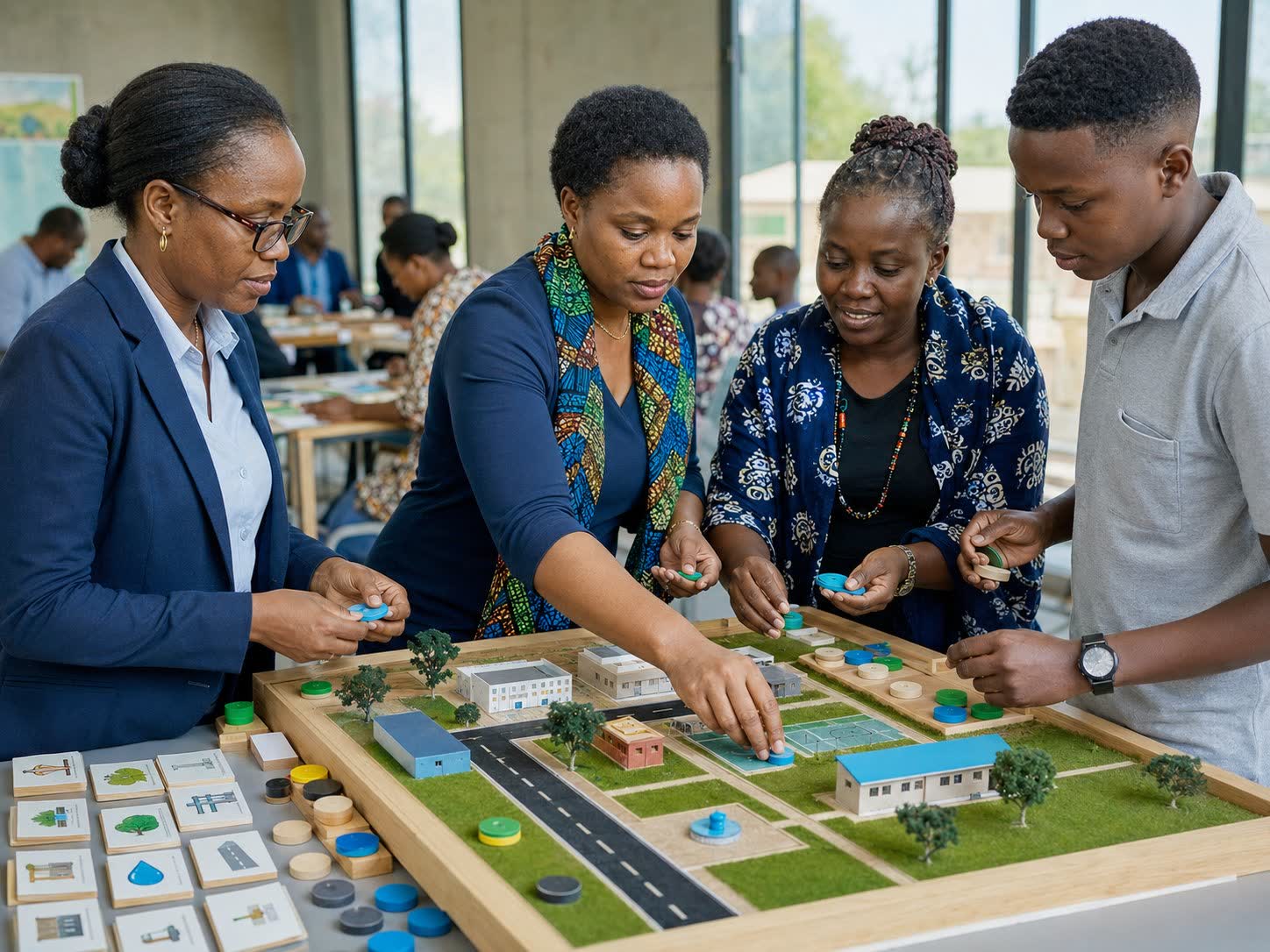
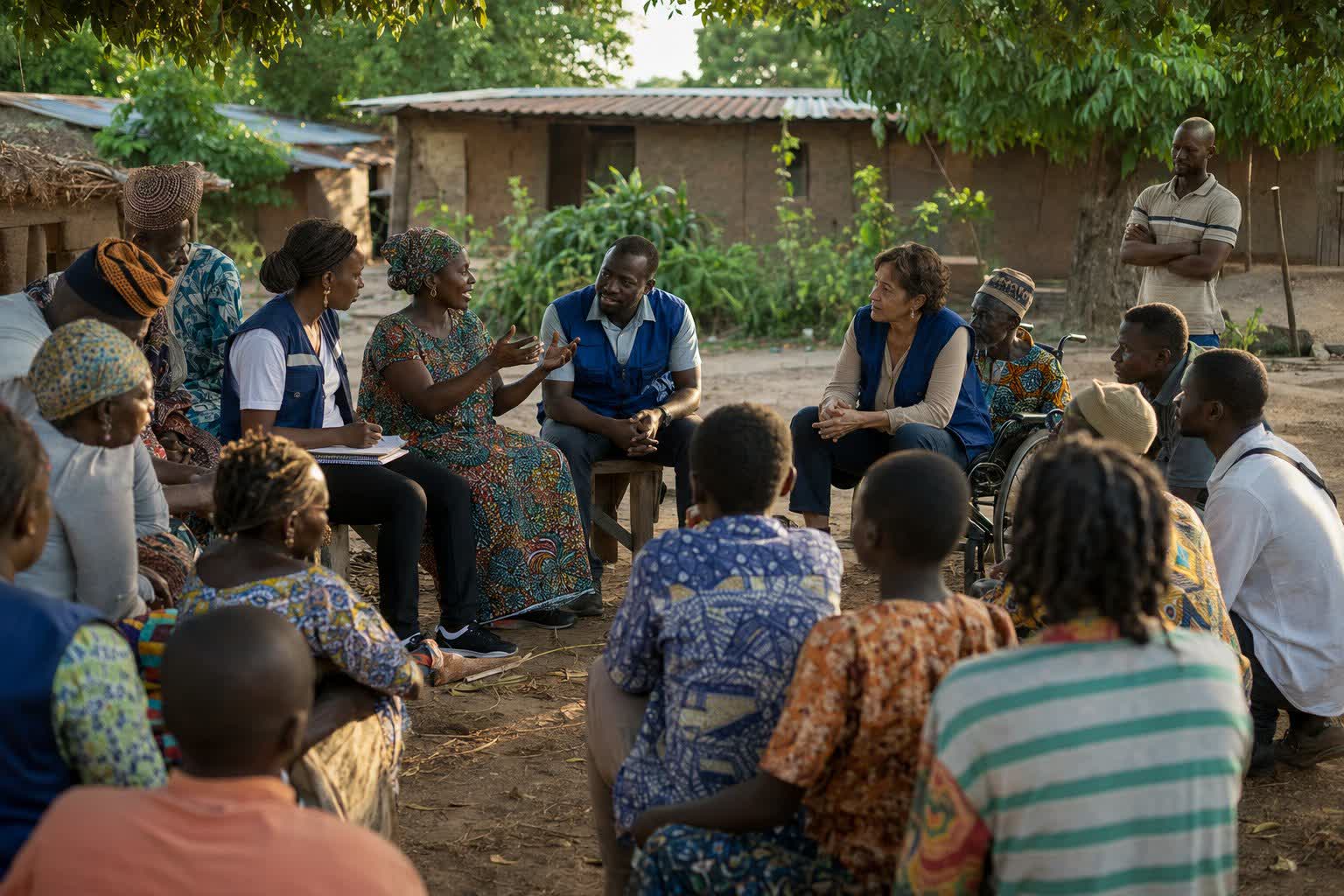
Reception arrangements also require preparation. Access to water, sanitation facilities and necessary medical care affects people’s ability to stay away from home temporarily. Involving residents, people with disabilities and their representatives in this planning helps to identify needs that might otherwise be overlooked.
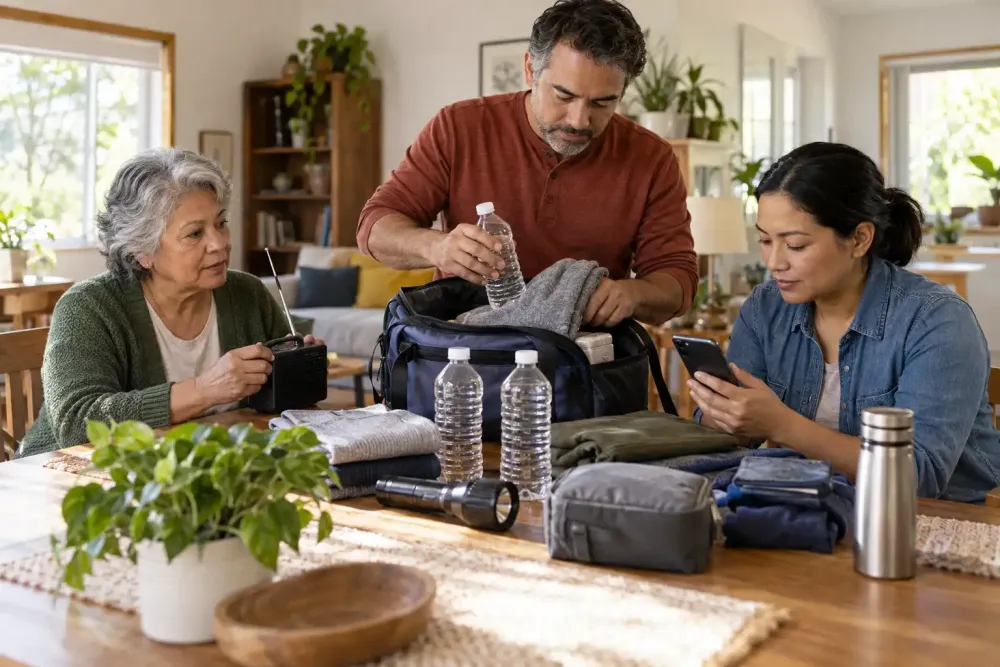
Families can prepare their contact lists and familiarise themselves with local guidelines. These steps are most effective within a collective framework that offers them real opportunities for protection. Information provided to households should therefore explain both the actions expected of them and the support available to them.
Equipping rescue teams to respond
When people are isolated, injured or trapped, the response requires skills and resources appropriate to the situation. Preparing teams involves training, drills and the availability of well-maintained equipment. The equipment also requires transport and operational conditions that enable it to be deployed where needs are identified.
Inter-agency collaboration must also be prepared in advance. Search and rescue teams, medical services and local authorities need to share relevant information on hazards, missing persons and areas already covered. This coordination facilitates the organisation of operations and the deployment of reinforcements. Methods of cooperation are all the more useful when they have been tested before a disaster strikes.
Finally, the authorities must anticipate situations in which the resources available on the ground become insufficient. Procedures for requesting and receiving reinforcements enable local capabilities to be linked to regional, national or, where necessary, international resources. This organisation requires knowledge of the capabilities that can be mobilised and the timeframes required for them to respond.
What do these exercises teach us about the actual protection of households?
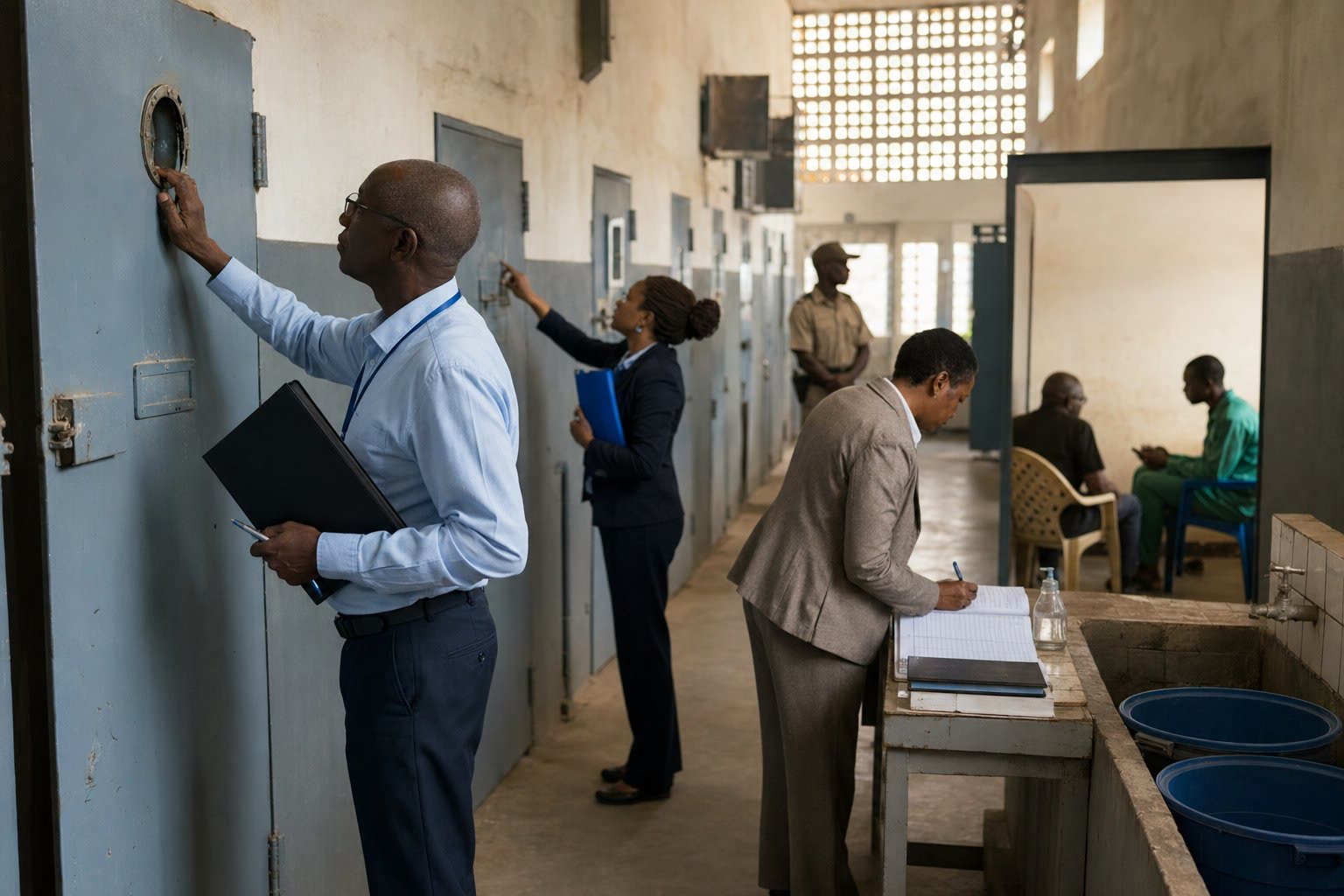
An exercise allows us to observe how the planned procedures work for those implementing them. Do participants understand the instructions? Are those in need of assistance being looked after? Are the services able to share the necessary information? Observing these situations highlights difficulties that reading a plan does not always reveal.
The value of the exercise depends on the follow-up work. The feedback gathered from residents and emergency responders is used to refine procedures, supplement training or review certain resources. It is important to specify who is responsible for making these adjustments and to ensure they are carried out. The same learning process can be carried out after an incident, by examining the difficulties encountered without placing the blame for the system’s shortcomings on the families.
Preparedness and rescue efforts find their purpose in this ability to respond to real-life situations. A robust public organisation enables the link between an alert received and ensuring people’s safety, followed by the mobilisation of emergency services. It is on this concrete continuity – tested and improved over time – that households can base their own preparedness.