





























Safe homes for communities that are better protected against disasters
The safety of a home begins with the choice of plot and is maintained throughout the time it is occupied. It depends on the quality of the building, how well it is adapted to local risks, and living conditions in the neighbourhood. Better-protected housing helps to minimise injuries, property damage and displacement, all of which leave families vulnerable in the wake of a disaster.
This protection applies equally to new builds and existing homes. It requires technical decisions, but also solutions to the challenges that prevent some households from accessing safe housing. Linking these two aspects helps to make housing safety a concrete objective of public policy.
The choice of site affects residents’ safety
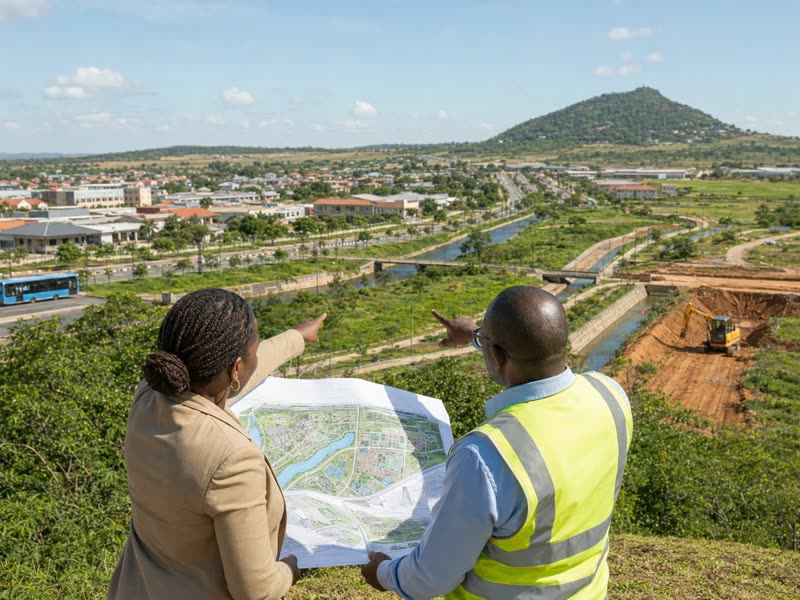
Before designing a home, it is important to understand the hazards to which its location may expose it. Proximity to a watercourse, an unstable slope or rainwater runoff conditions can all affect its safety. These factors require an assessment tailored to the specific area and project. The absence of recent damage is not sufficient to conclude that a site is risk-free.
Information on areas at risk informs town planning decisions and planning permission. To be useful, this information must be made available to the relevant authorities and explained to those wishing to build or move in. It is difficult for a household to assess the consequences of its choice if it has only general guidance or documents it does not understand.
Regulating development also involves providing housing options that are compatible with residents’ financial means. When less exposed plots remain too expensive or too far from amenities, families have few alternatives. Land policy and the provision of affordable housing thus play a direct role in prevention.
How can building regulations be implemented on construction sites?

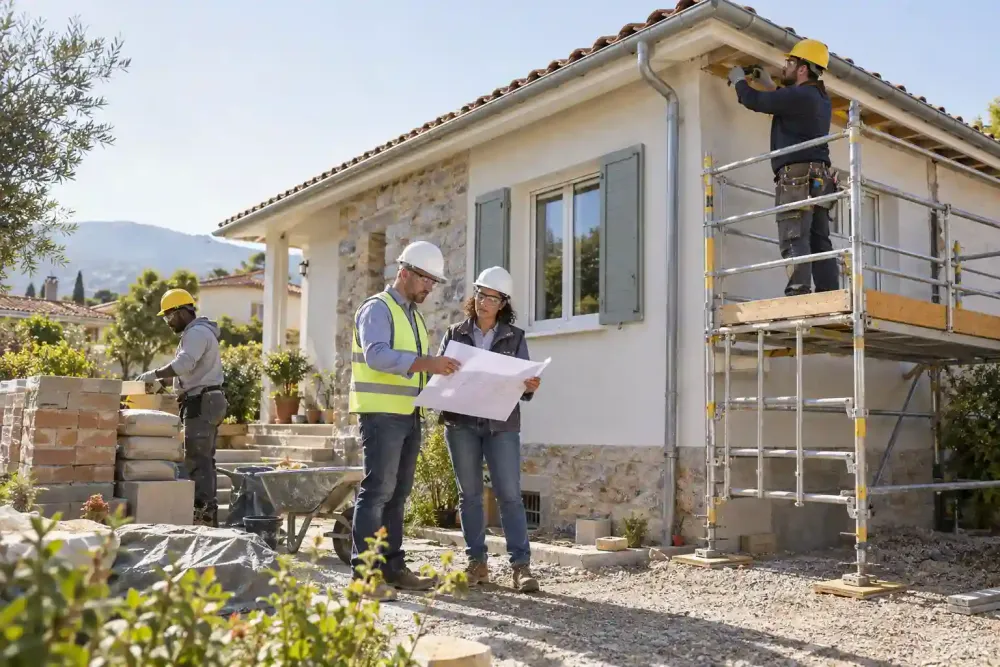
Building regulations set out the safety requirements to which a building must comply. Their implementation relies on consistent decisions, from the design stage right through to the completion of the works. The quality of the materials, how they are installed, and the connections between the building’s components all contribute to its structural integrity. Technical solutions vary depending on the identified hazards and the characteristics of the building.
Professionals need to understand these requirements and know how to apply them in local conditions. Training for tradespeople and access to technical advice can, in particular, support projects carried out gradually by residents. Practical explanations make it easier to take safety into account whilst decisions on the building site can still be amended.
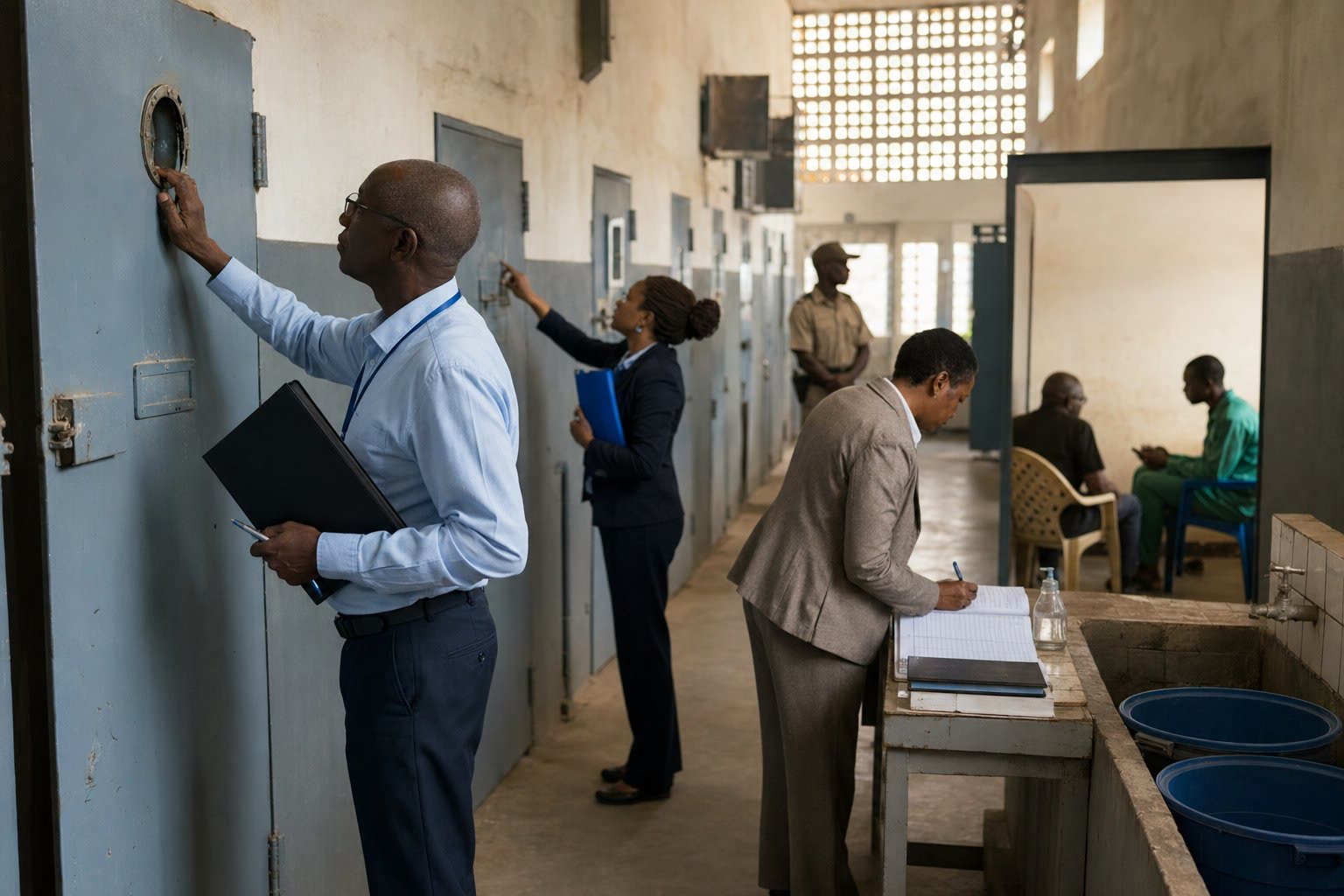
Inspection is another essential form of support. Checking compliance at appropriate stages helps to identify deviations before they become difficult to rectify. This technical oversight requires competent services and clearly defined responsibilities amongst designers, contractors and authorities. It helps to ensure that the announced regulations have real impact.
Strengthening existing homes by addressing their vulnerabilities
Improving safety also applies to homes in which families are already living. Their condition depends on the original construction, maintenance and subsequent alterations. An extension or internal alteration can change the behaviour of the building. An assessment of the home should therefore take its history into account, rather than just its appearance.
An assessment carried out by a qualified professional helps to determine the appropriate measures. It enables a distinction to be made between routine maintenance repairs and work affecting the structure, and then allows priorities to be set. The measures chosen may relate to different parts of the property, depending on the weaknesses identified. A solution that works for one house may not necessarily be suitable for another.
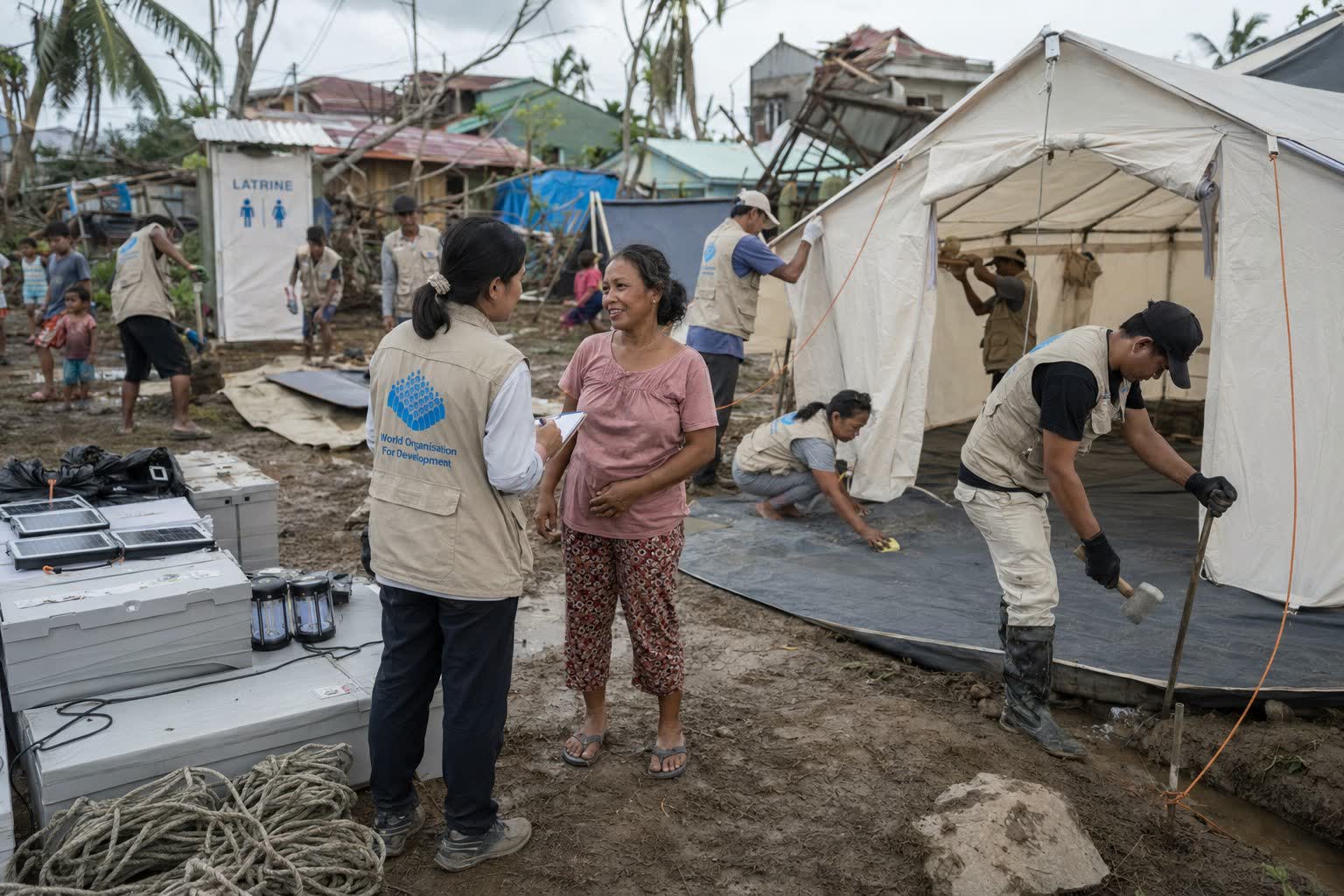
Preparing for the work also involves considering its implications for the occupants. The cost, duration and any need for temporary accommodation all influence whether the work can be carried out. Where safety cannot be sufficiently improved on site, exploring an alternative housing solution requires support for families and consideration of their ties to the neighbourhood.
What support is available for households that cannot afford the work?
Being aware of a vulnerability does not always provide the means to remedy it. Families may postpone work due to a lack of resources, advice or clarity on the procedures involved. Financial assistance is most useful when accompanied by information on eligible works, the professionals to contact and the conditions for carrying out the work.
The World Association for Development (AMD) draws attention to families living in high-risk areas who lack the necessary resources to reinforce their homes. Its call to integrate risk considerations into housing and funding policies urges a holistic approach that takes into account both the safety of buildings and the resources available to their occupants.
Support schemes can thus combine a technical assessment with appropriate funding for priority works. The eligibility criteria for these schemes should be reviewed to ensure that the procedures or supporting documents required do not exclude the very households they are intended to help. The situation of tenants also warrants particular attention, as decisions regarding the building are not always in their hands.
Housing protection extends to the neighbourhood
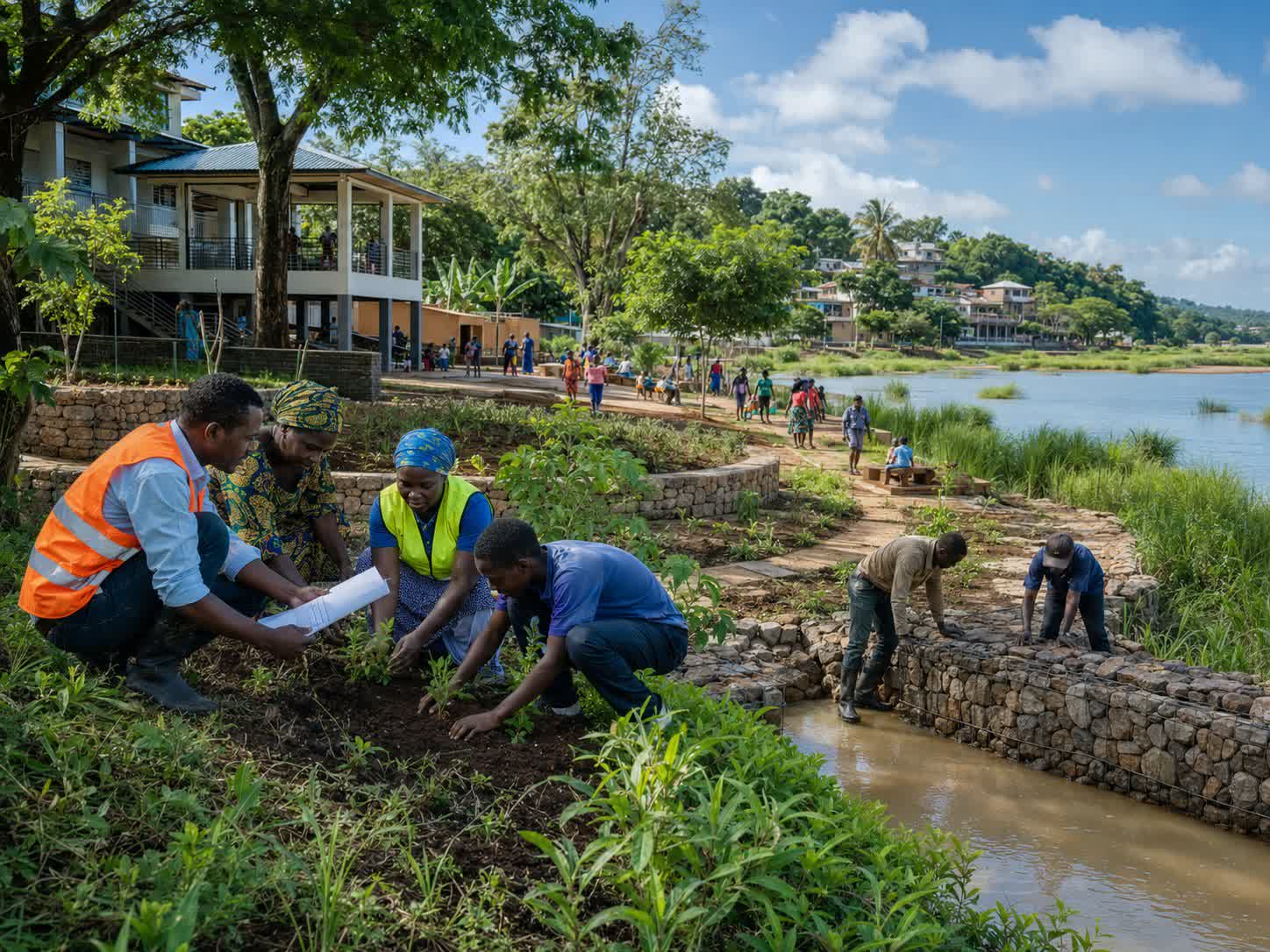
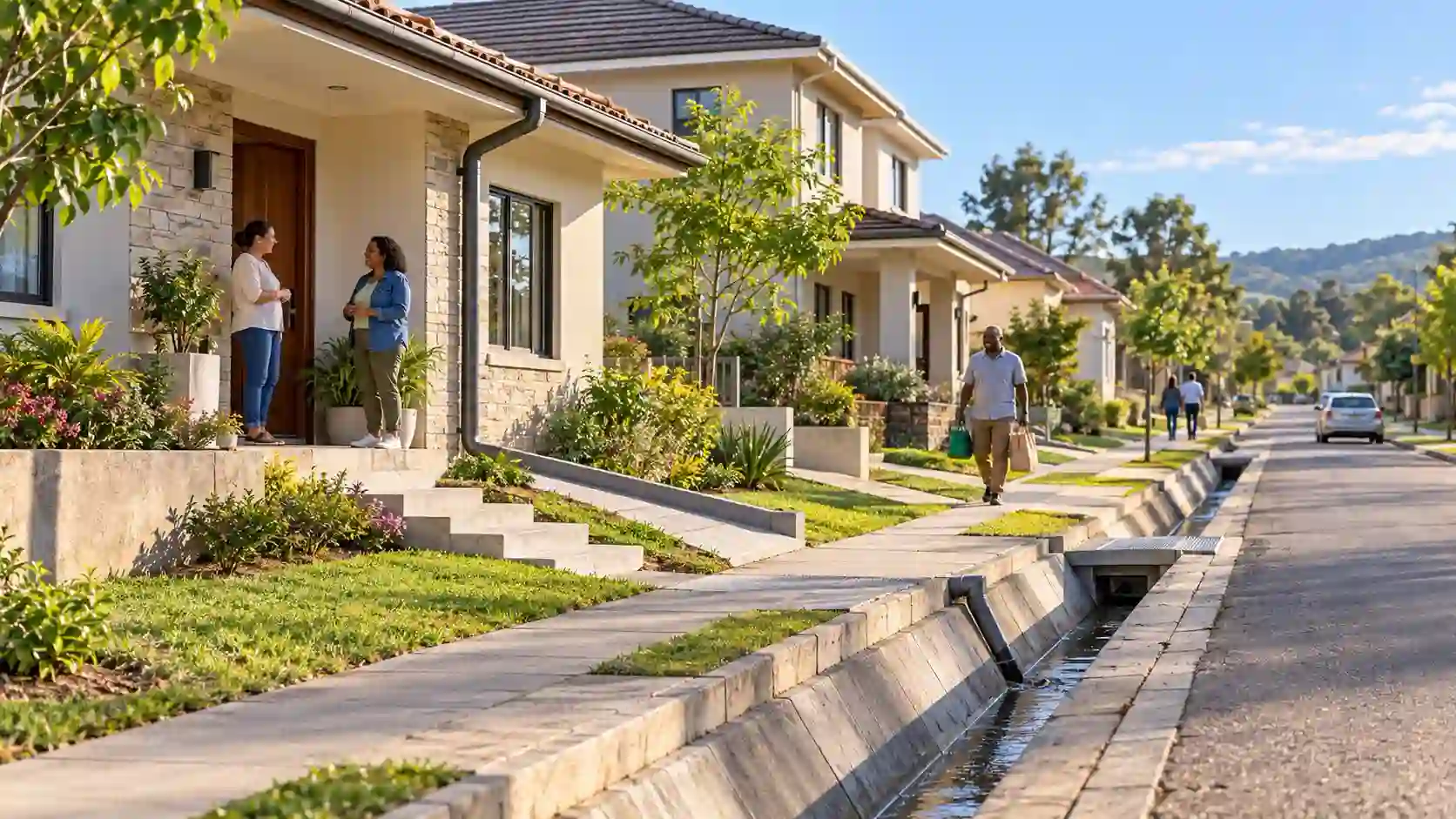
A home may suffer little damage yet still become difficult to live in if there is a water shortage, if sewerage services are disrupted or if access routes are impassable. Families’ safety therefore also depends on the functioning of the infrastructure surrounding their homes. Maintaining this infrastructure and adapting it to risks complements work carried out on the buildings themselves.
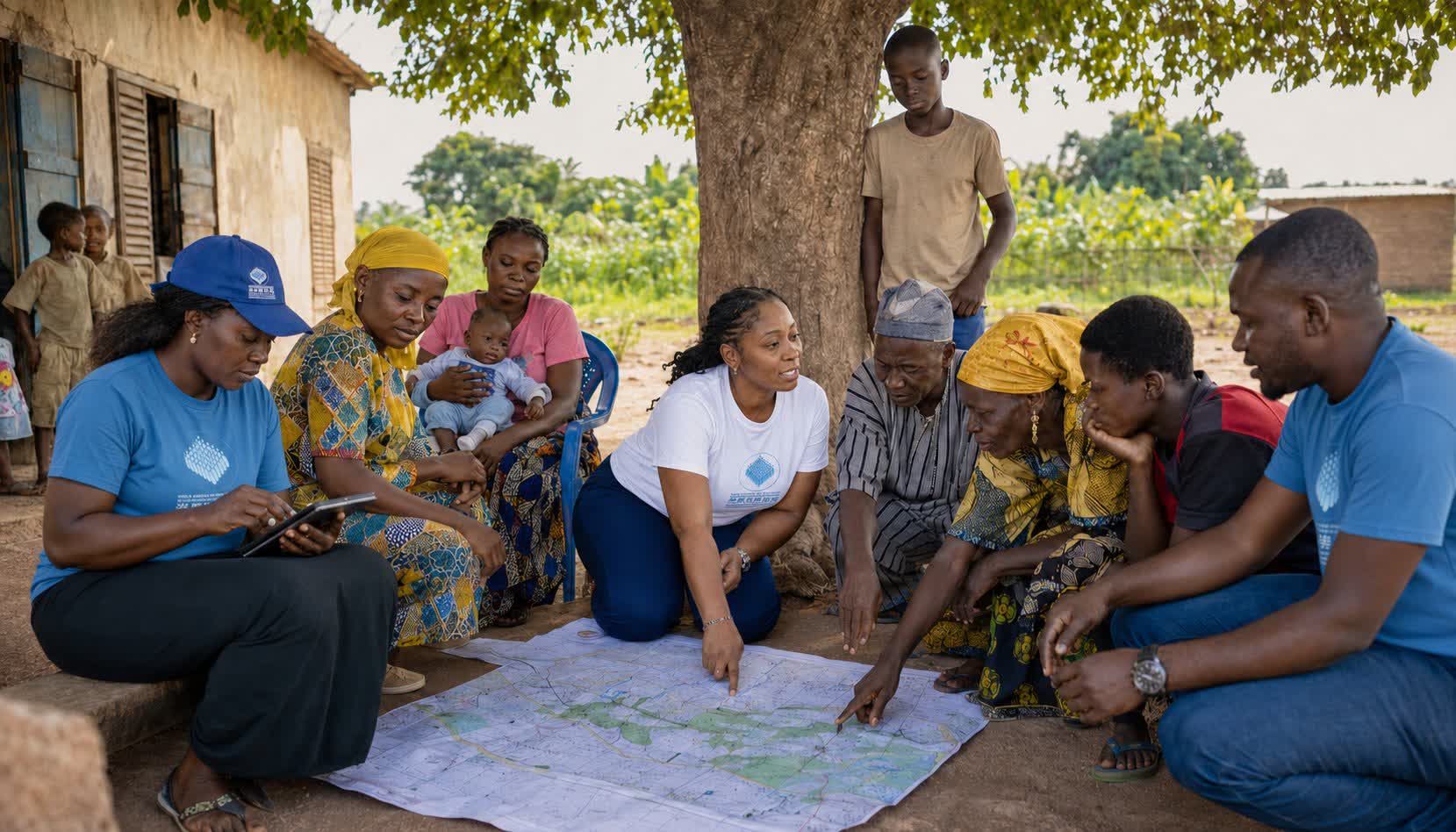
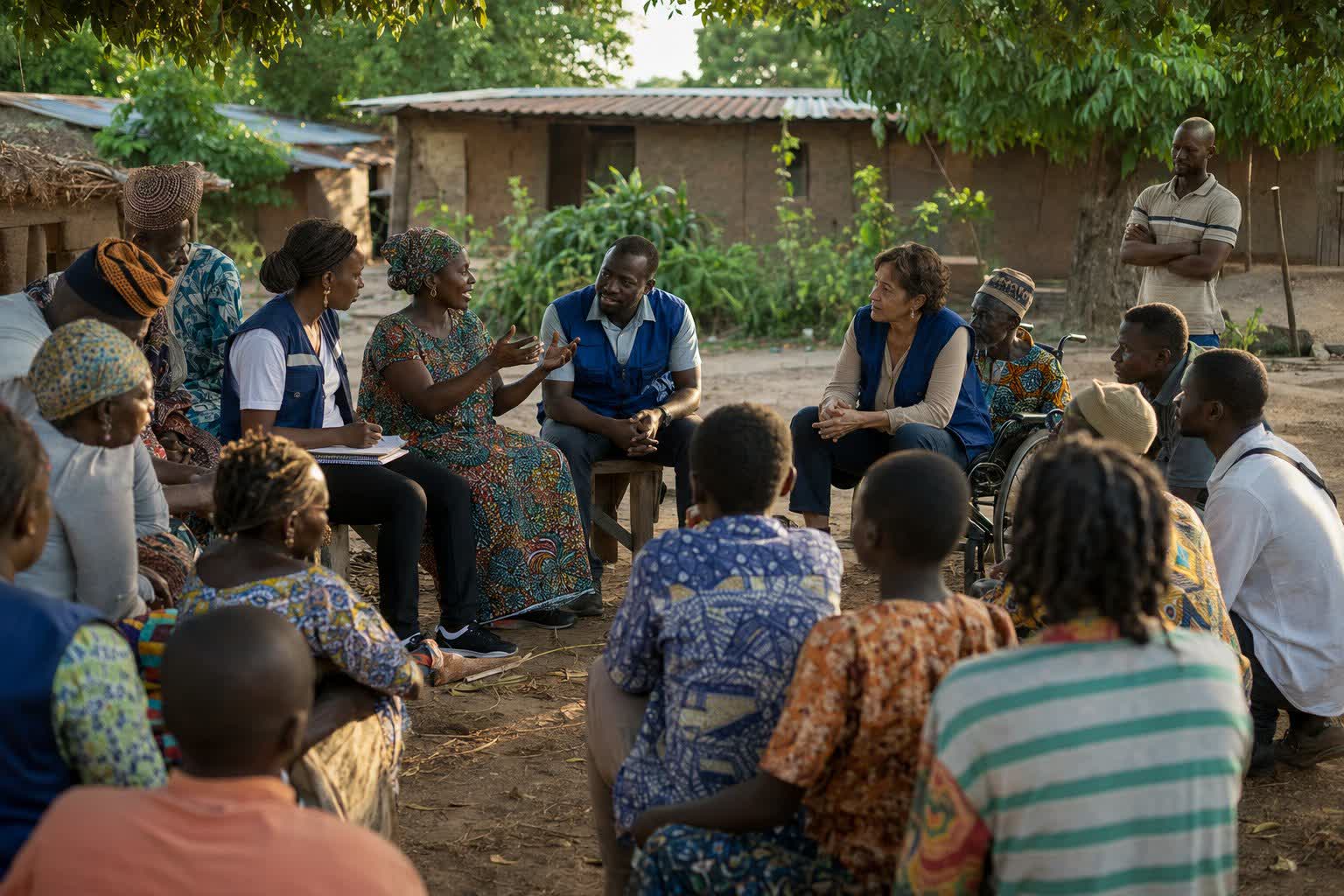
This neighbourhood-level approach makes it possible to identify difficulties that a house-by-house intervention would overlook. Residents can report regularly flooded areas, difficult access points or drainage problems. Their local knowledge provides useful insights for technical services, which can cross-reference this with assessments and development needs.
Safer homes help to preserve the stability of communities when their protection is embedded within this collective environment. Families are better able to retain their homes, continue their daily activities and return to their normal routines following a hazardous event. Improving housing thus takes on its full meaning when advances in construction are accompanied by sustainable living conditions.