









Promoting equal opportunities and inclusive societies
"A society truly progresses only when every woman, every man, every youth, and every child can fully exercise their rights, develop their potential, and participate, without discrimination or exclusion, in building the common good. Inclusion is not a consequence of development; it is one of its fundamental conditions."
Sustainable development cannot be achieved as long as millions of people remain excluded from economic, social, educational, or political opportunities due to their gender, age, social status, disability, or any other form of vulnerability. Inequalities limit individual capacities, weaken social cohesion, and deprive societies of an essential part of their human potential. Promoting equal opportunities is therefore not just about correcting imbalances; it is about creating the conditions for a fairer, more stable, and more sustainable development.
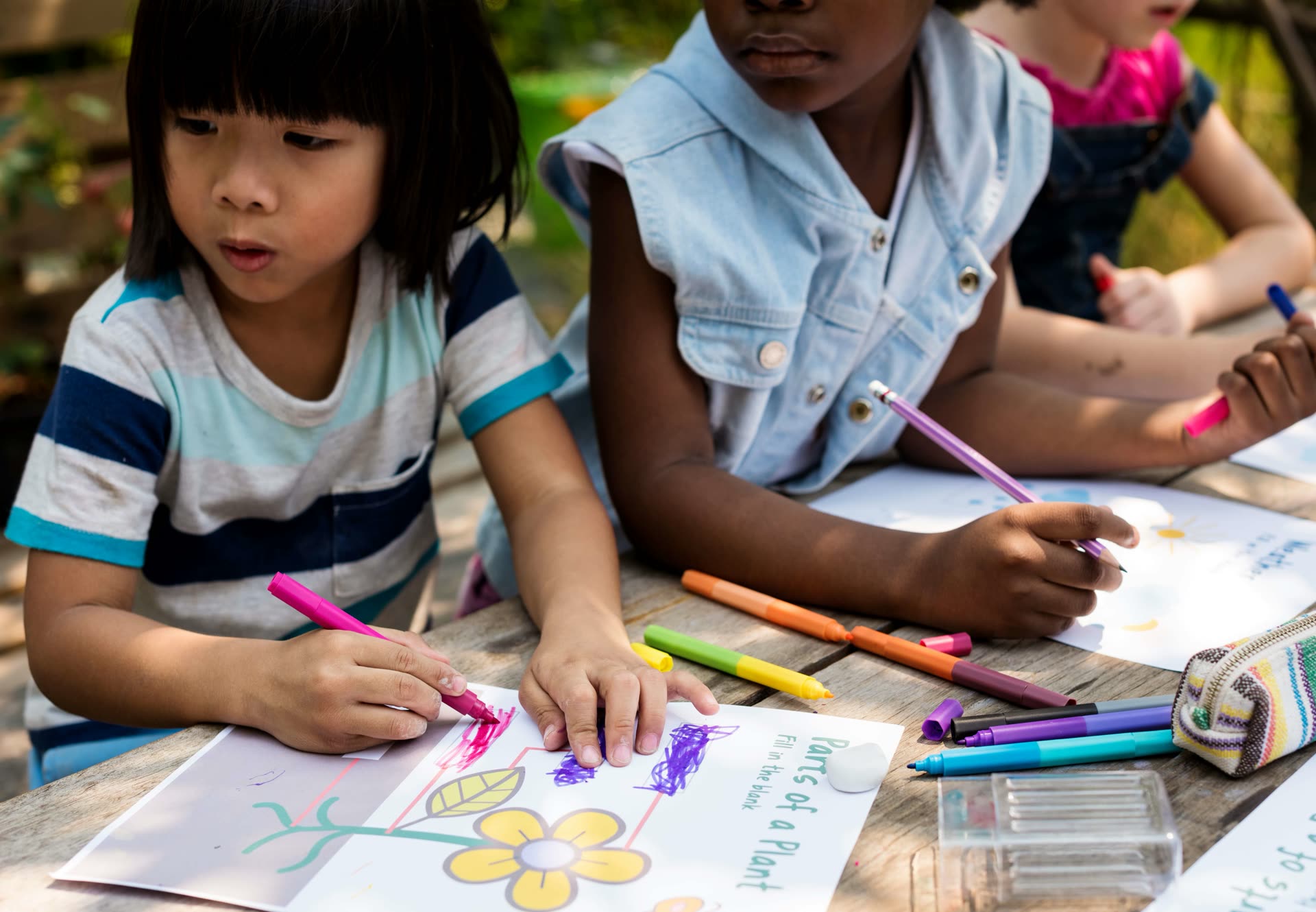
Around the world, women continue to face barriers that limit their economic empowerment, their access to leadership roles, and their full participation in public life. Young people face difficulties in entering the workforce and having their skills valued. People living with disabilities, marginalized populations, vulnerable communities, and many children remain confronted with persistent inequalities that compromise their development and their contribution to society. These realities call for responses based on equity, human dignity, and social justice.
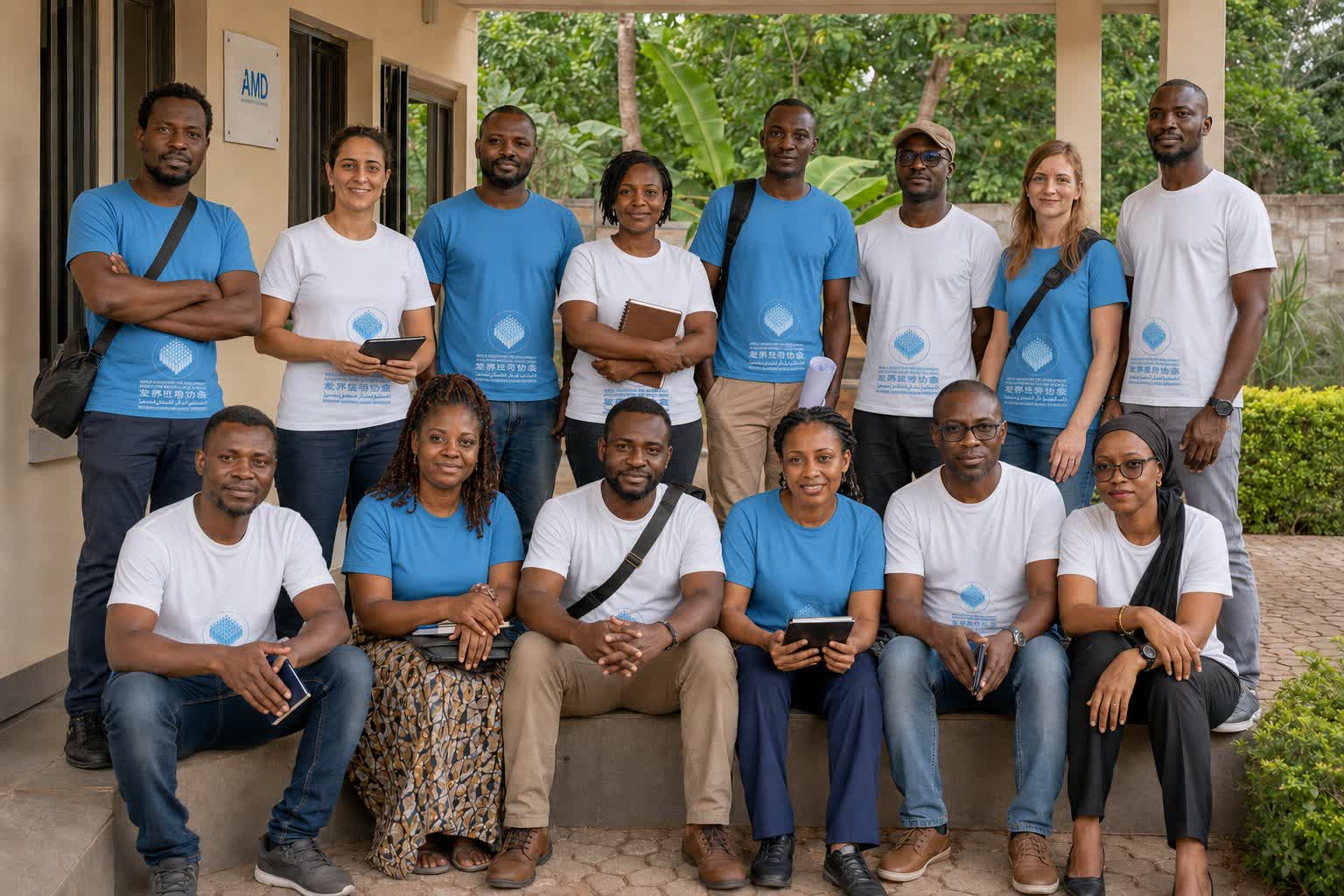
For the World Association for Development (AMD), an inclusive society is one that recognizes the value of every person and creates the conditions for everyone to participate fully in development. Equal opportunity is a strategic lever for transformation because it fosters social cohesion, strengthens trust between citizens and institutions, and helps mobilize all skills for collective progress. Inclusion is not merely a matter of social policy; it represents a choice in governance and an investment in sustainable human development.
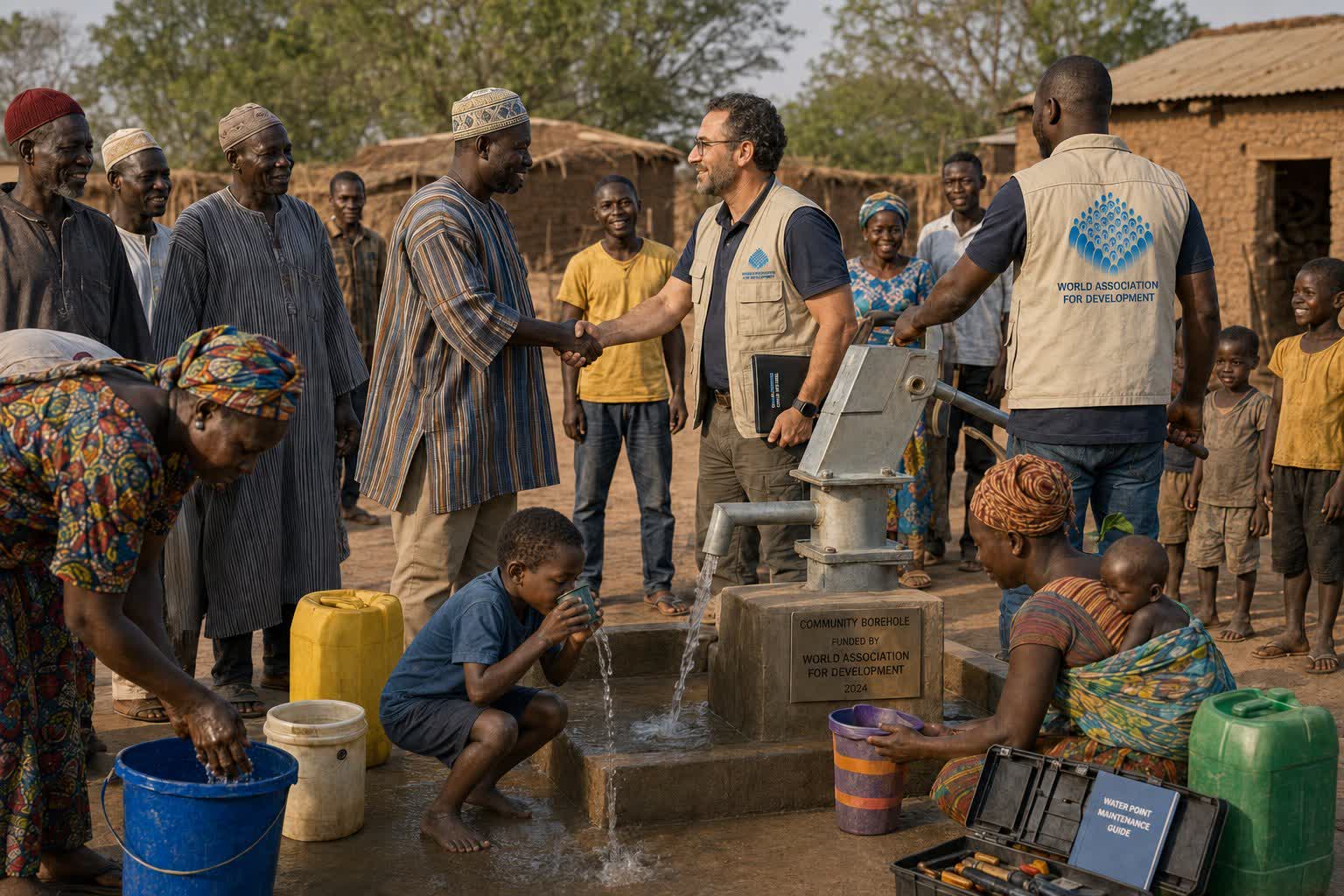
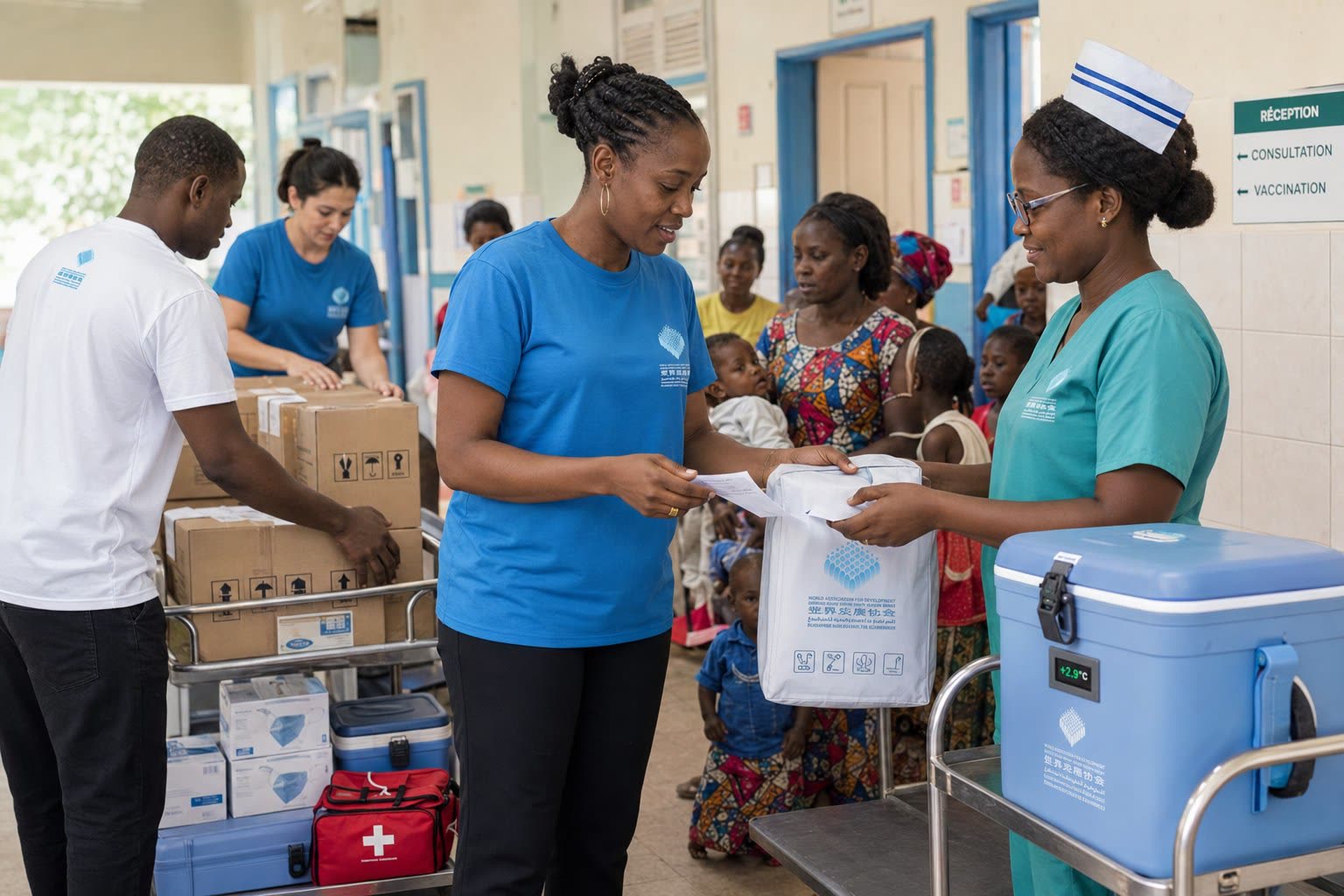
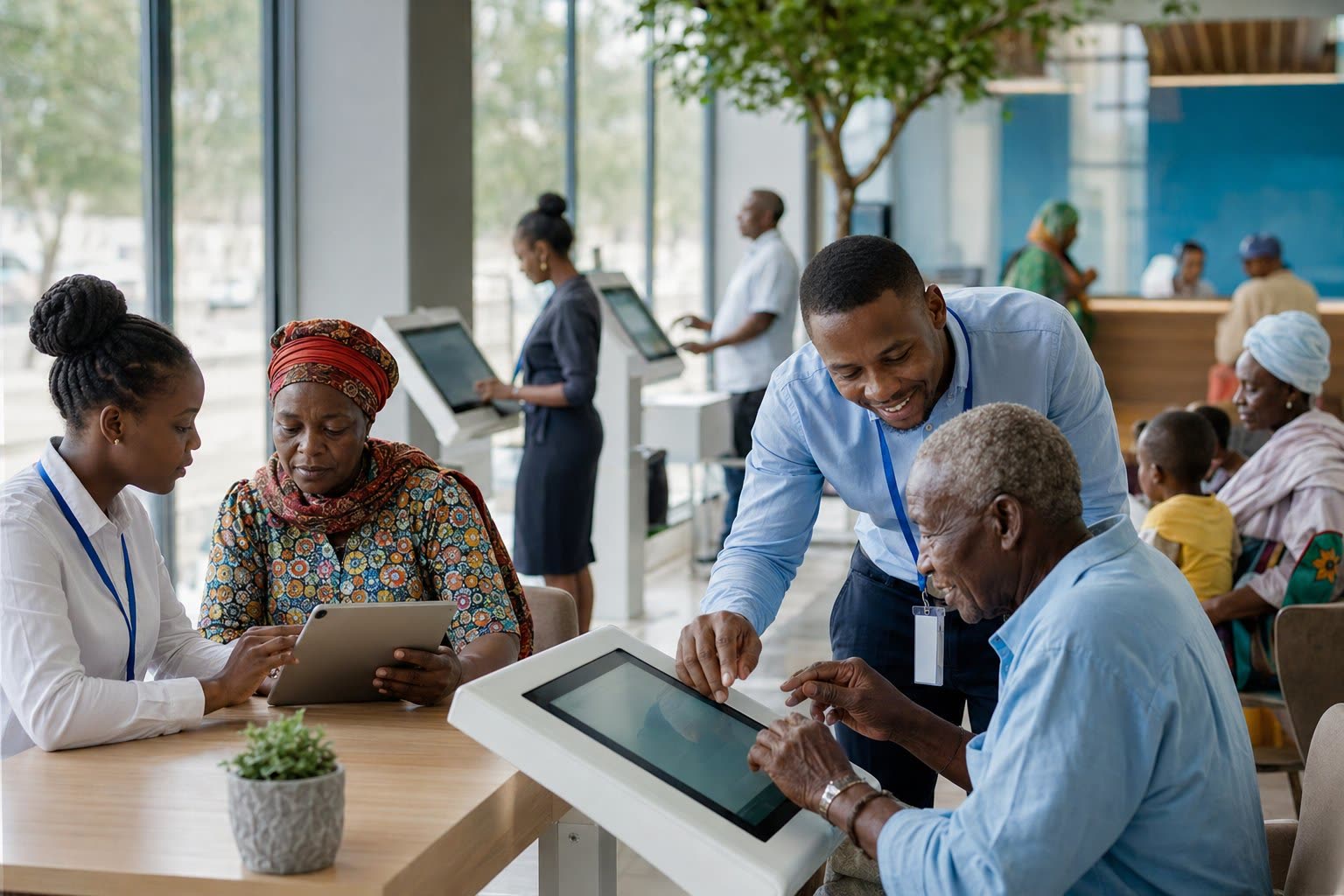
In this perspective, AMD supports States, public institutions, international organizations, the private sector, and communities in designing and implementing policies and initiatives that promote women's empowerment, child protection, youth inclusion, the participation of people with disabilities, the fight against all forms of discrimination, and the strengthening of protection mechanisms for the most vulnerable groups. The Association also supports capacity building, equitable access to essential services, civic participation, and the creation of enabling environments for the flourishing of all.
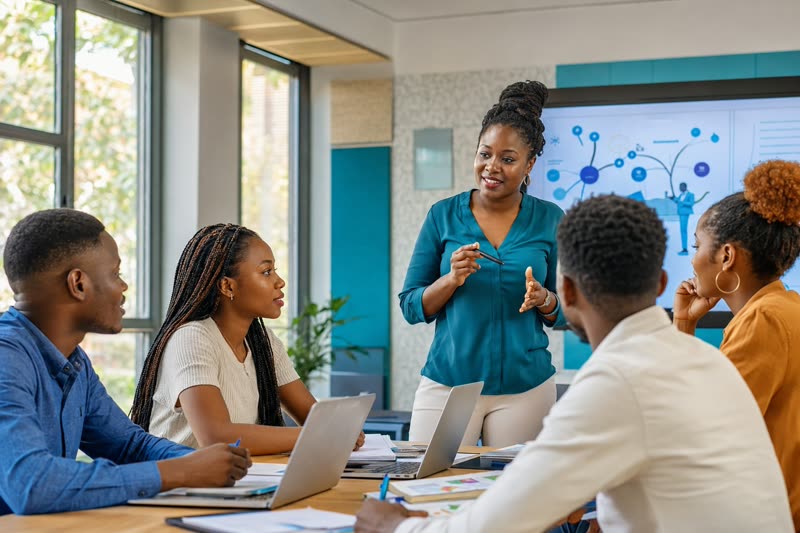
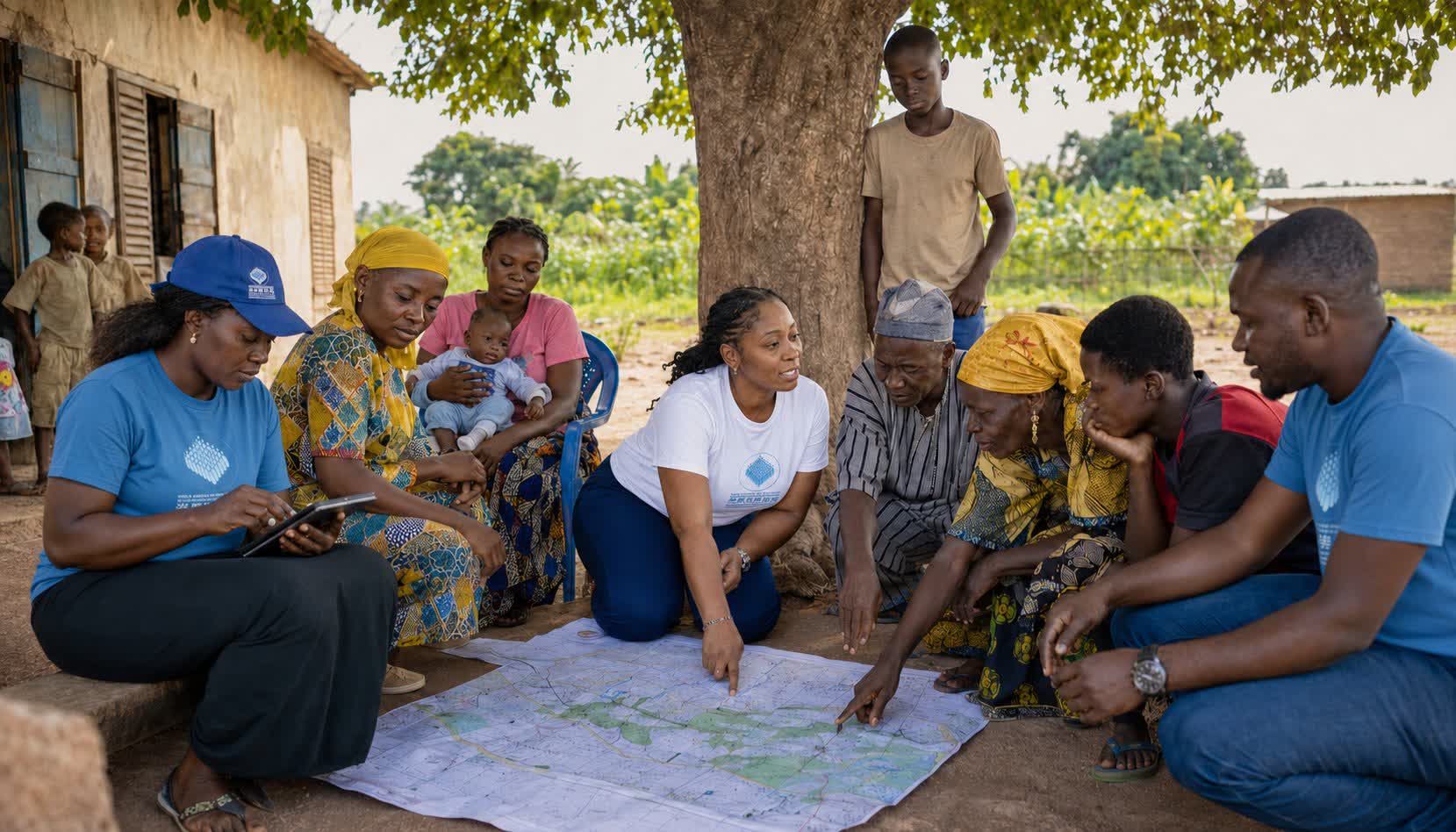
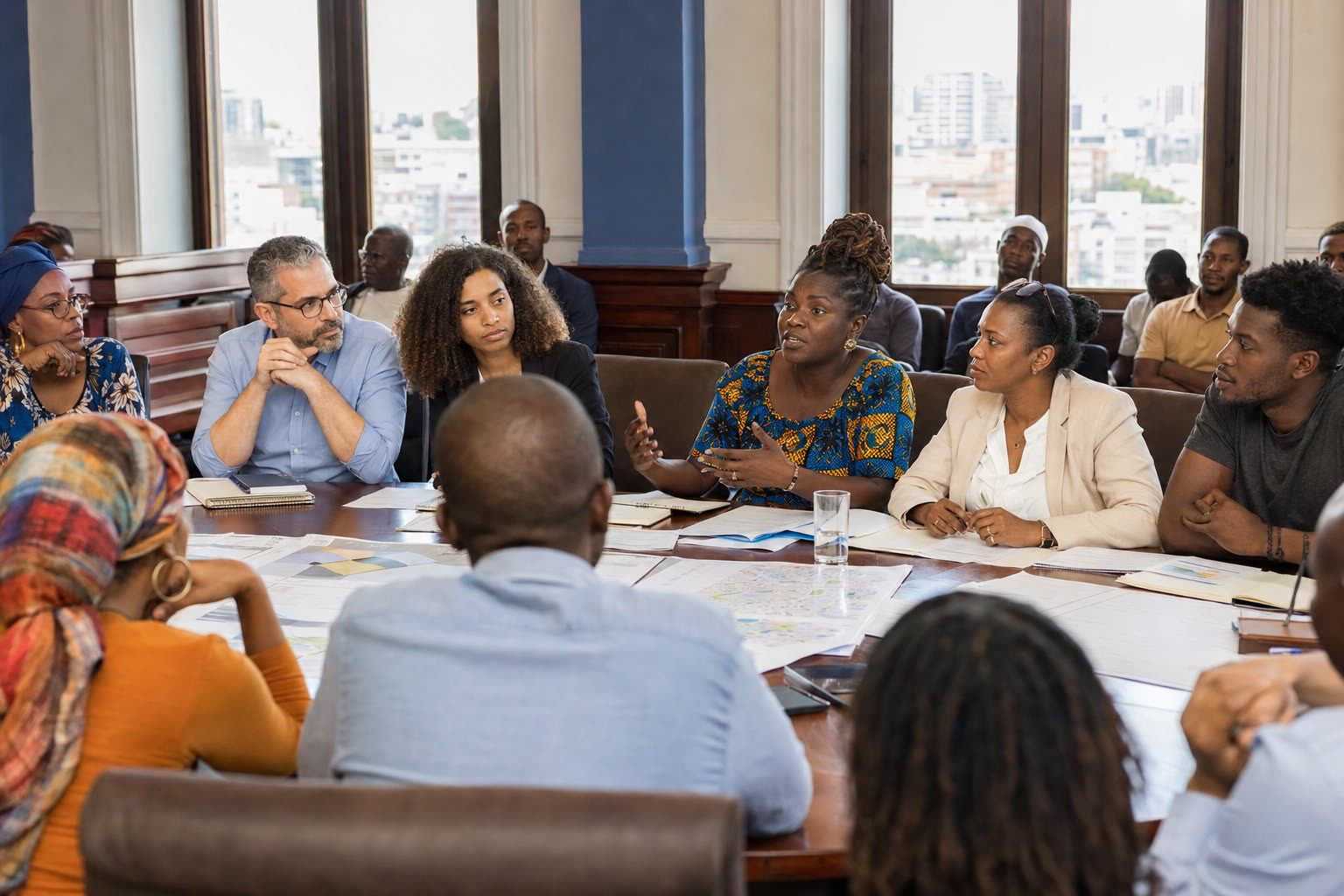
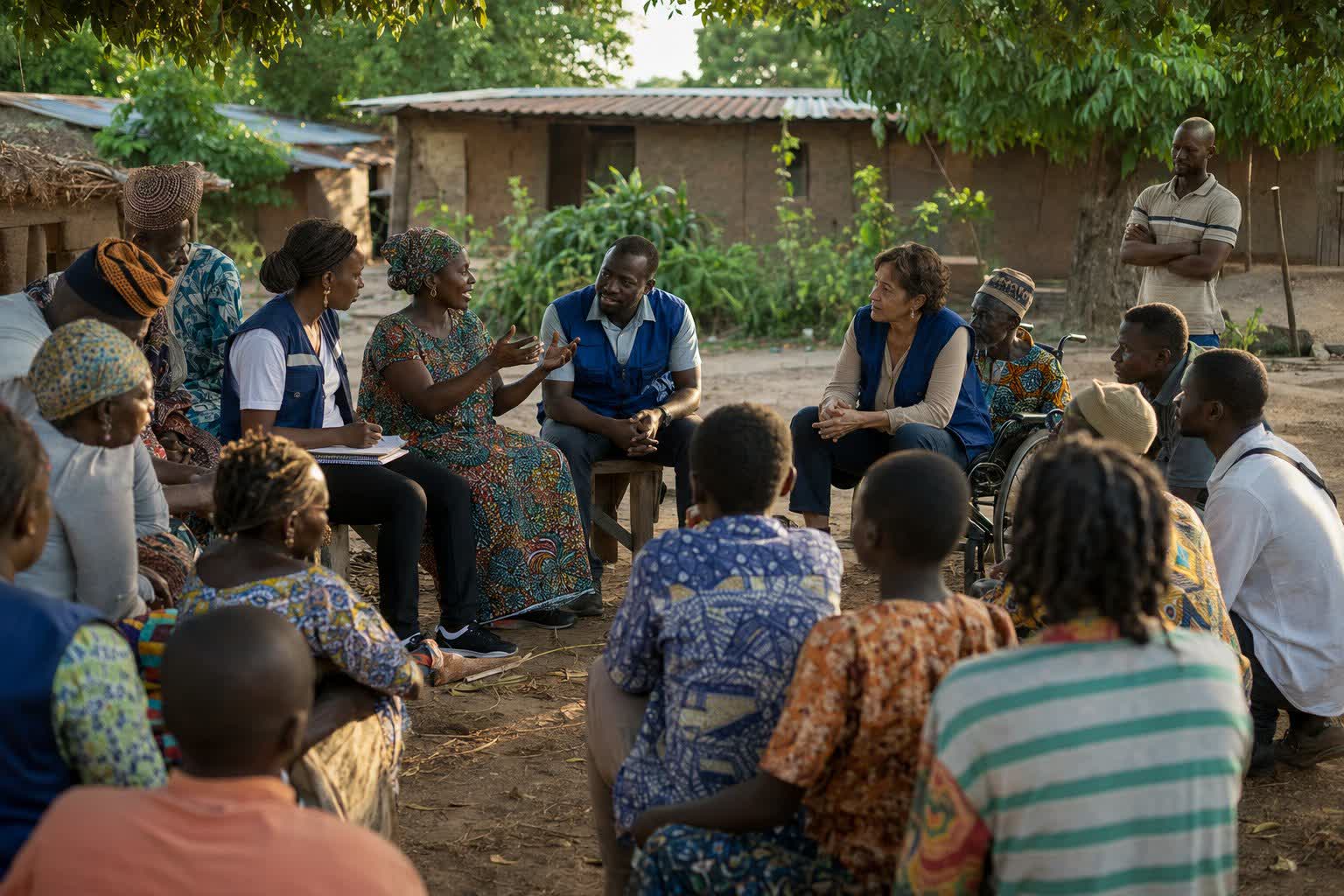
AMD favors an approach based on dialogue, participation, capacity building, and cooperation among institutions, communities, and development partners. Convinced that the most sustainable solutions are those built with the people concerned, it encourages interventions that sustainably strengthen social systems, public policies, and solidarity mechanisms, while valuing diversity as an asset and a driver of innovation.
Through this strategic priority, AMD works towards the emergence of societies where differences no longer constitute factors of exclusion but sources of complementarity and progress. An inclusive society is one that provides everyone with the means to realize their potential, participate in decisions concerning their future, and fully contribute to the development of their community.
Promoting equal opportunities means unleashing energies, revealing talents, and making every person an agent of development. It is this conviction that guides the commitment of the World Association for Development in favor of fairer, more supportive, and truly inclusive societies.