


























Vulnerable food systems: protecting producers, resources and supplies
Food systems link producers, natural resources, markets and consumers. Their vulnerability becomes apparent when climatic, economic or political shocks disrupt these links and threaten both livelihoods and the continuity of food supplies.
The resilience of a food system is not measured solely by the volume produced in a favourable year. It also depends on its ability to absorb shocks, to adapt without excluding the most vulnerable producers, and to preserve the resources necessary for future production. This capacity depends on economic and political choices that determine where risks are concentrated and who has the means to address them.
Shocks undermine harvests and rural incomes
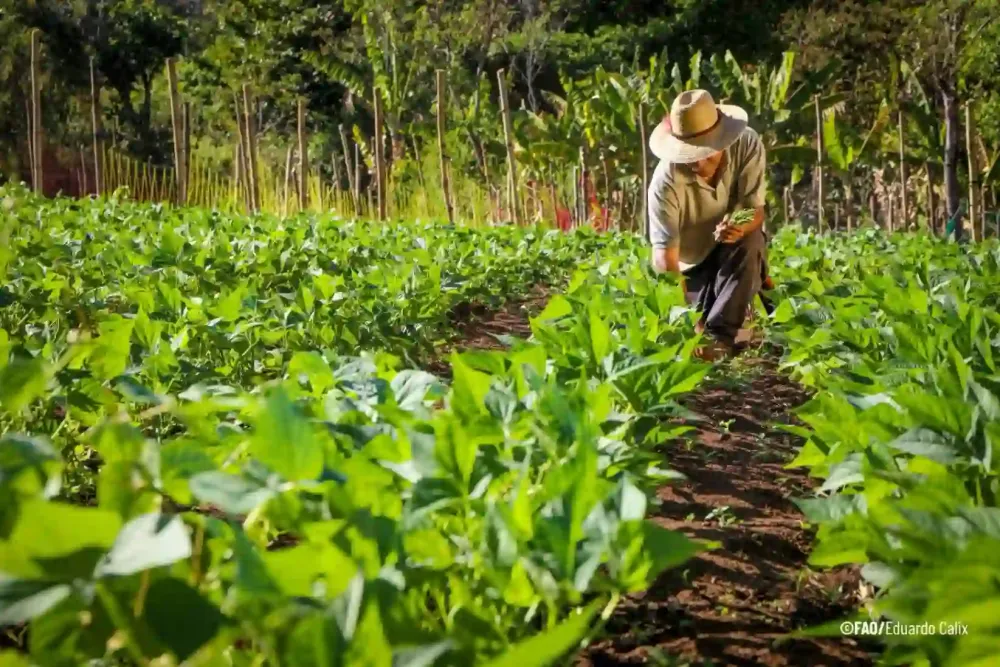
Prolonged droughts, erratic rainfall, floods, heatwaves and pests can reduce yields or destroy crops. The effects go beyond the immediate loss of production: they affect farm incomes, rural employment, local prices and households’ ability to prepare for the next growing season. Farmers with little in the way of savings, insurance or access to credit have less scope to replace seeds, repair equipment or wait for conditions to improve.
The cost of these disruptions is considerable. The FAO estimates that disasters have caused agricultural losses totalling 3,260 billion dollars over three decades, affecting crops, livestock, fisheries and aquaculture. Losses are not limited to destroyed crops: they can also result from damage to infrastructure, markets, financial services and the ecosystems on which production depends.
However, prevention remains unevenly integrated into agricultural policies. When investment focuses on short-term production, without sustainable soil and water management, gains can be offset by resource depletion or increased exposure to hazards. Adaptation practices — crop selection, water management, soil protection and early-warning systems — must be tailored to local risks and farmers’ knowledge.
A local disruption can spread throughout the entire supply chain
Farmers often depend on inputs and services beyond their control: seeds, fertilisers, energy, transport, finance and market access. Rising costs, a blocked road or trade restrictions can disrupt supplies, delay sowing or make a harvest difficult to sell. The poorest households then bear a significant share of the shock, whilst smallholder farms risk losing their markets or falling into debt.
Diversifying supply sources and crops can reduce certain dependencies, but this alone is not enough. Stocks, transport infrastructure, cooperation between producers, regional trade and the flow of reliable information also help to maintain supply chains. A resilient system must be able to continue functioning when one link in the chain is disrupted, and then rapidly restore essential services.
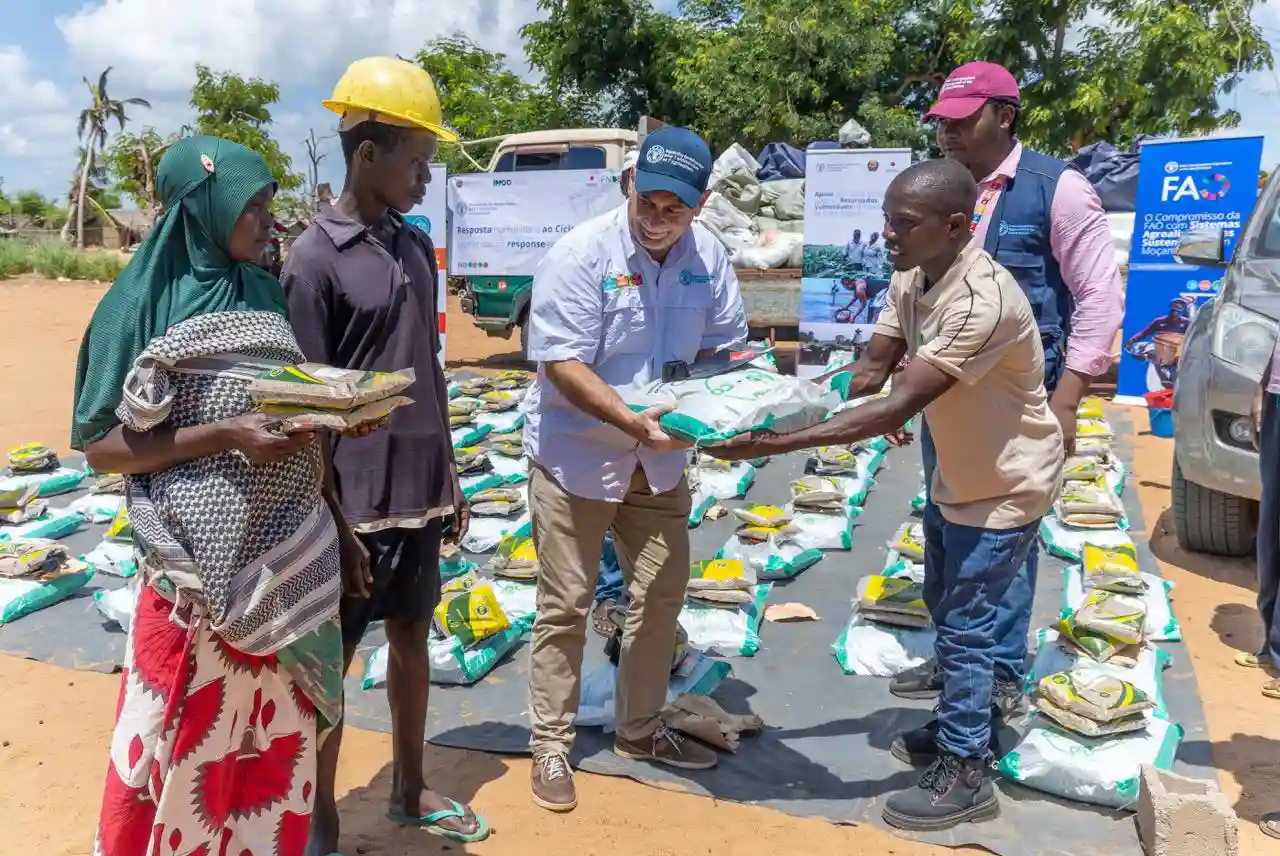
Emergency responses remain necessary when populations are under threat. However, they often come into play only after incomes and means of production have been destroyed. Proactive mechanisms — accessible forecasts, pre-established action plans, financial protection and support triggered before losses become irreversible — help to limit damage and reduce dependence on emergency aid. The FAO recommends linking these immediate responses with longer-term investments in the resilience of farming communities.
Food losses weaken producers and supply chains
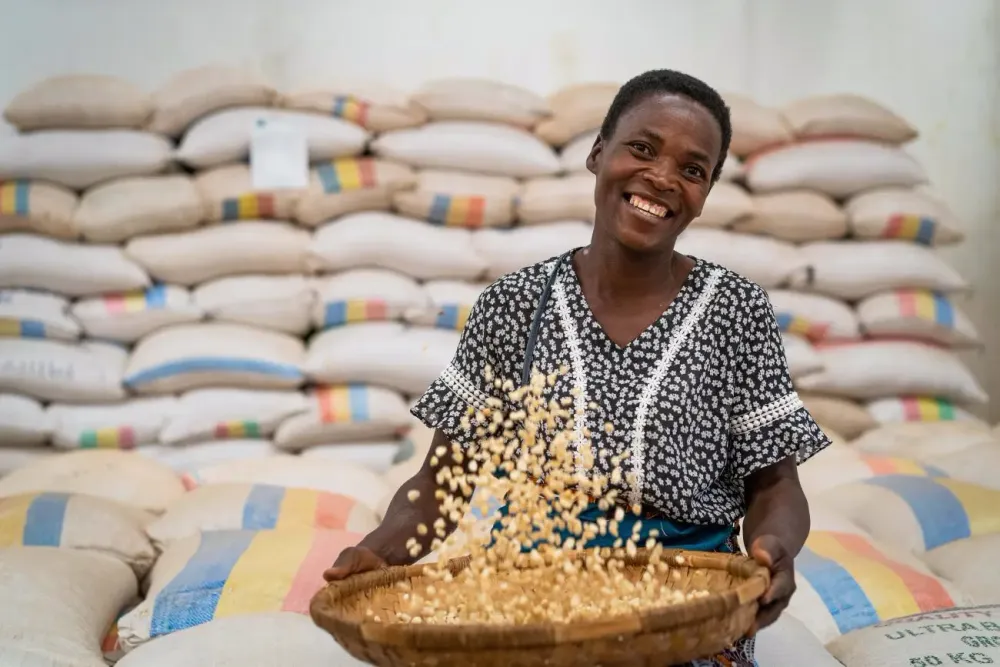
Some food is lost before it even reaches consumers. In 2023, 13.3 per cent of food was lost globally after harvest and before retail, according to the SDG 12.3 monitoring indicator. These losses occur in particular during storage, transport, wholesale or processing. They may reflect a lack of storage facilities, logistical difficulties or a mismatch between production capacity and available markets.
Losses in the supply chain should not be confused with waste at the retail, catering and household levels. For this second category, the United Nations Environment Programme estimated that in 2022, 1.05 billion tonnes of food were wasted worldwide, including non-edible parts. The two phenomena require different measurement methods, but highlight the same challenge: the resources used to produce food do not always translate into food that is actually consumed.
Reducing losses requires tailored solutions at every stage. Storage facilities, an accessible cold chain, better-managed harvesting and handling practices, as well as more predictable markets, can preserve the value of agricultural labour. These investments must remain accessible to smallholder farms and cooperatives, otherwise there is a risk that the benefits will be concentrated amongst those already able to finance the equipment.
Resilience requires resources that are accessible to producers
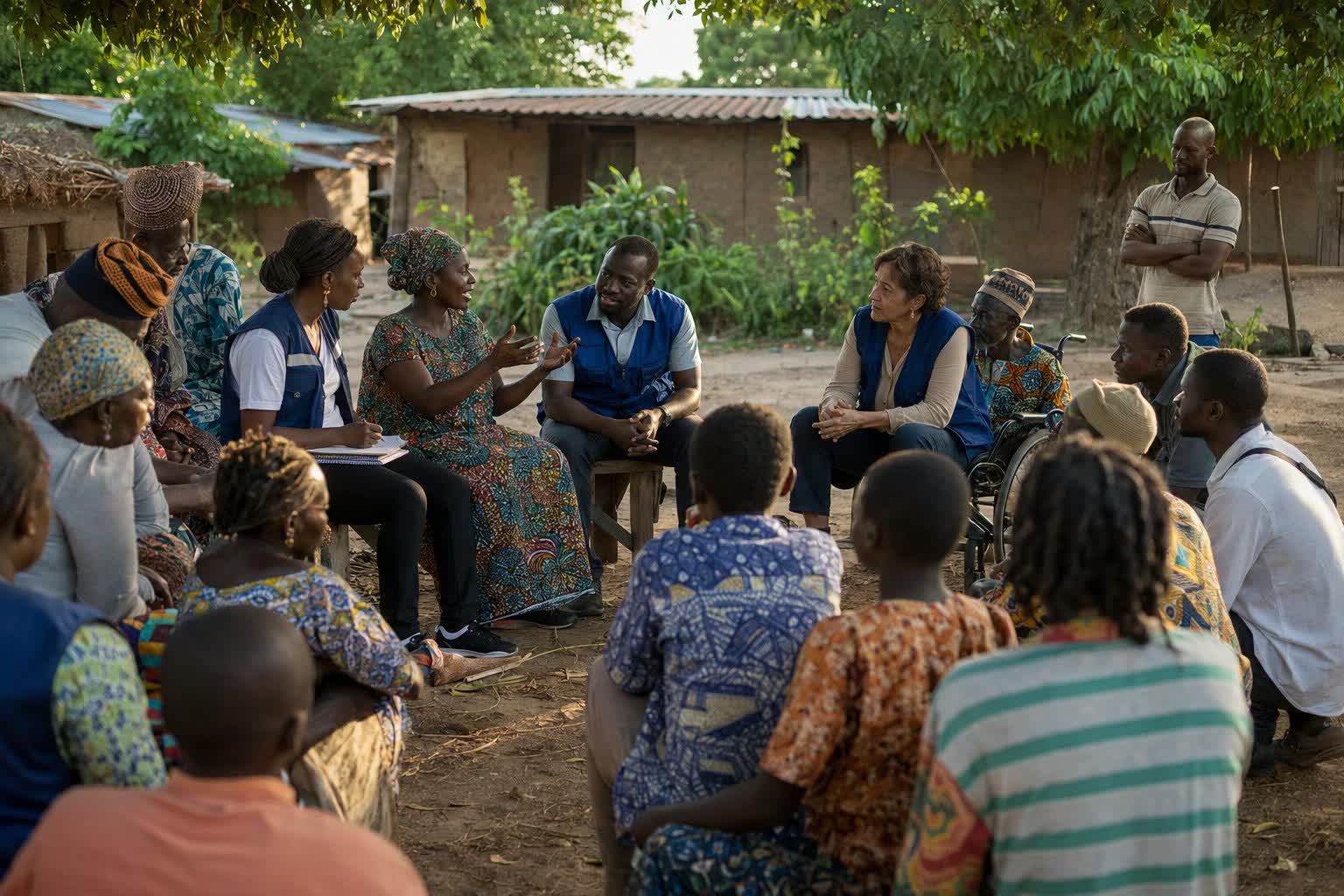
Farmers cannot bear the cost of adaptation alone. They need advisory services, financing tailored to agricultural timetables, access to insurance against climate-related risks, and technologies that address their specific constraints. Schemes designed without their involvement may be too costly, too complex or unsuitable for local crops and resources.
The issue of funding remains significant. In its strategy for climate, the environment and biodiversity, the International Fund for Agricultural Development estimated that smallholders require $75 billion a year in climate finance to strengthen their resilience and livelihoods. This figure represents an estimate of needs, not funding that has already been mobilised. It highlights the gap between producers’ exposure to risks and the resources available to prevent them.
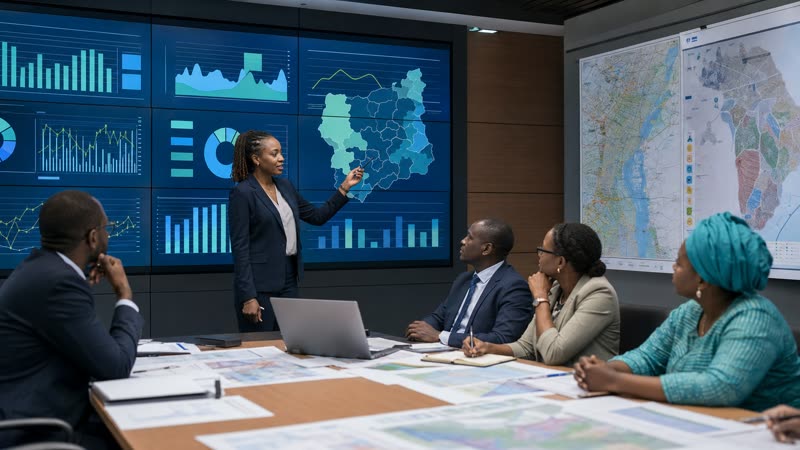
Resilience also requires local data on rainfall, soil, yields, prices and losses. The information must be sufficiently accurate to help authorities target support and enable producers to make timely decisions. Digital tools can facilitate the flow of this data, provided they are accessible, reliable and designed to meet the needs of local communities.
Transforming systems without depleting resources
Protecting food supplies does not mean seeking to produce more at any cost. Agriculture depends on soil health, water availability, biodiversity and ecosystems. A response that temporarily increases yields but accelerates the degradation of these resources jeopardises future harvests and increases vulnerability to crises.
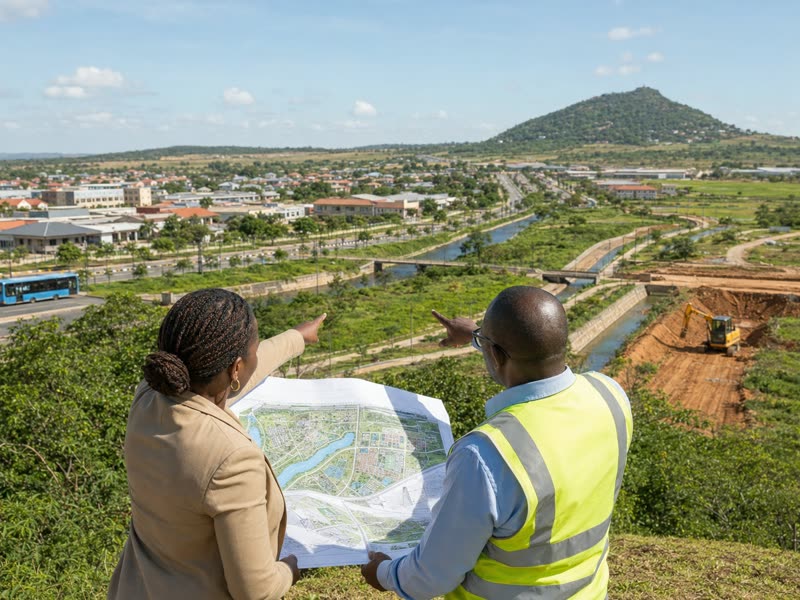
Transformation must therefore combine productivity, diversification, resource conservation and income security. It requires coordination between agricultural, climate, trade, infrastructure and social protection policies. Farmers, particularly women, young people and smallholders, must have access to finance, equipment and markets that enable them to participate in this transition.
A resilient food system does not eliminate shocks; it prevents them from turning into lasting disruptions. Its ability to protect producers, preserve resources and maintain supplies depends on proactive investment, coordinated institutions and a more equitable distribution of the means to adapt.
Morgan CHOKI