































World hunger: the persistent barriers to access to sufficient food
Hunger is declining worldwide, but progress remains slow and highly uneven. Understanding why millions of people are still unable to feed themselves adequately requires examining not only production, but also incomes, prices, conflicts and access to resources.
Hunger is often associated with a lack of available food. However, global harvests alone do not explain who has enough to eat and who does not. Food security also depends on the ability to obtain food regularly, to purchase it, to store it and to have it available under conditions compatible with a healthy life. The indicators thus distinguish between chronic undernourishment and moderate or severe food insecurity: whilst these phenomena overlap, they do not measure the same experience.
The decline in hunger does not put an end to deprivation
According to the 2026 report on the state of food security and nutrition in the world, around 645 million people – 7.8 per cent of the global population – suffered from hunger in 2025. This estimate represents nearly 14 million fewer people than in 2024 and 43 million fewer than at the peak in 2022. It signals progress, but this remains too limited to bring the world sufficiently closer to the goal of ending hunger by 2030.
The distribution of this deprivation reveals significant disparities. In 2025, Africa had around 309 million undernourished people, Asia 292 million, and Latin America and the Caribbean 32 million. These absolute figures do not, on their own, paint the full picture of the regional situation, but they do illustrate the scale of the needs. In Africa, 56.6 per cent of the population experienced moderate or severe food insecurity, meaning a recurring difficulty in accessing sufficient and nutritious food. Globally, this situation affected around 2.1 billion people.
A decline in the global average can therefore coexist with persistent deprivation in several regions. Nor does it mean that households that have emerged from chronic undernourishment now have access to a varied and balanced diet. To understand both the progress made and its limitations, we must examine the actual resources available to people.
Having enough to eat does not mean eating well
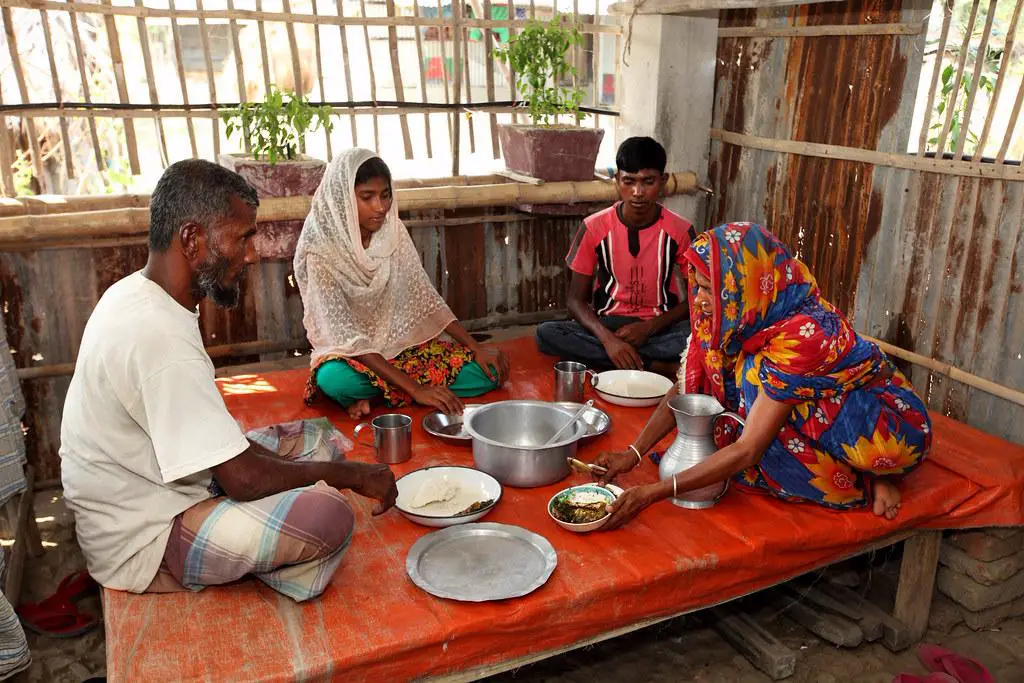
A person may consume enough calories whilst still lacking the foods necessary for a healthy diet. The quality, variety and regularity of a diet are just as important as the quantity available. When the most nutritious foods are too expensive, households reduce portion sizes, cut out certain items or opt for cheaper foods that meet some of their needs without ensuring adequate nutrition.
The economic challenge remains immense. In 2025, around 2.69 billion people could not afford a healthy diet. The global average cost of such a diet was estimated at $4.28 in purchasing power parity per person per day, compared with $3.44 in 2021. These figures are used for international comparisons: they do not directly correspond to a household’s daily expenditure in each country. The disparity between regions remains marked. In Africa, 66.6 per cent of the population could not afford a healthy diet, according to FAO estimates.
Food prices place a particularly heavy burden on households that spend a large proportion of their income on food. Even a moderate rise in prices can force them to choose between food, healthcare, housing or education. Hunger is therefore not merely a matter of a lack of food: it is also linked to poverty, low incomes and inequalities in access to resources.

Crises exacerbate an already fragile situation of food insecurity
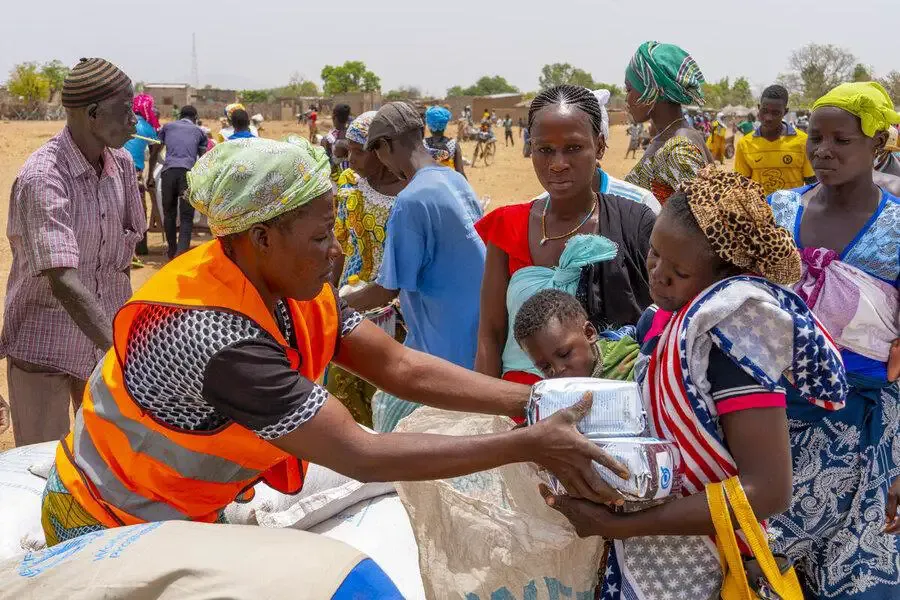
Food emergencies differ from long-term undernutrition. They occur when people rapidly lose access to food, for example following a conflict, forced displacement, a disaster or a collapse of livelihoods. The 2026 Global Report on Food Crises estimates that 266 million people in 47 countries and territories experienced high levels of acute food insecurity in 2025. This figure relates to the populations assessed in these crisis contexts; it is not an estimate of the total number of undernourished people worldwide.
Conflicts can disrupt production, destroy infrastructure, prevent people from travelling to markets and restrict the delivery of aid. People forced to flee often lose their livelihoods, their land or their support networks. The report also notes that extreme weather events and economic shocks exacerbate already precarious situations. In 2025, famines were confirmed in two distinct contexts – in parts of Gaza and Sudan – the first such occurrence since this series of reports began.
These crises can lead to rapid deterioration, but their effects do not end when the immediate emergency subsides. Debt, crop failures and children dropping out of school can leave households vulnerable in the long term. This is why life-saving aid, which is essential when people’s lives are at risk, is not enough to prevent crises from recurring.
Agricultural production is just one link in the chain of food access
Increased production does not guarantee that food will reach those who need it. Food security also depends on roads, storage, energy, markets, transport and the ability of producers to sell their crops on viable terms. Abundant production can coexist with local shortages when supply chains are disrupted or prices exceed households’ purchasing power.
Infrastructure also influences the price and availability of nutritious food. Poor roads, unreliable access to electricity or a lack of cold chains can complicate the transport and storage of fruit, vegetables, dairy products and other perishable goods. Losses during storage and transport reduce the amount that actually reaches consumers and lower producers’ incomes.
Food policies must therefore take into account the entire supply chain, from production to consumption. Support for small-scale producers, access to inputs and finance, rural infrastructure, storage, research and market efficiency can help to reduce these barriers. However, their effectiveness depends on their adaptation to local realities and their ability to distribute benefits and risks more equitably.
Taking sustainable action requires tackling the root causes of hunger
Recent progress shows that reducing hunger is possible, but these gains remain vulnerable to conflict, poverty, climate shocks and rising living costs. A sustainable response must combine immediate action – which protects those at risk – with policies capable of safeguarding their incomes and livelihoods. It also requires that access to nutritious food be given as much attention as the availability of calories.
This means strengthening protection for populations in times of crisis, supporting rural livelihoods and making markets more accessible and resilient. Early warning systems and data disaggregated by region, age and social situation can help identify needs before they become emergencies. But indicators only have an impact when they guide funded decisions and tailored responses.
The challenge, therefore, is not simply to produce more, nor to achieve an average improvement. It is to ensure that people have regular and affordable access to sufficient, safe and nutritious food, even when their economic or political environment deteriorates. Only then will the statistical decline in hunger translate into a sustainable improvement in living conditions.
Morgan CHOKI