














Statement by the Executive President of the World Development Association to mark International Democracy Day
Democracy in an age of accountability
On this International Day of Democracy, the World Association for Development wishes to present the international community with a conviction and a question.
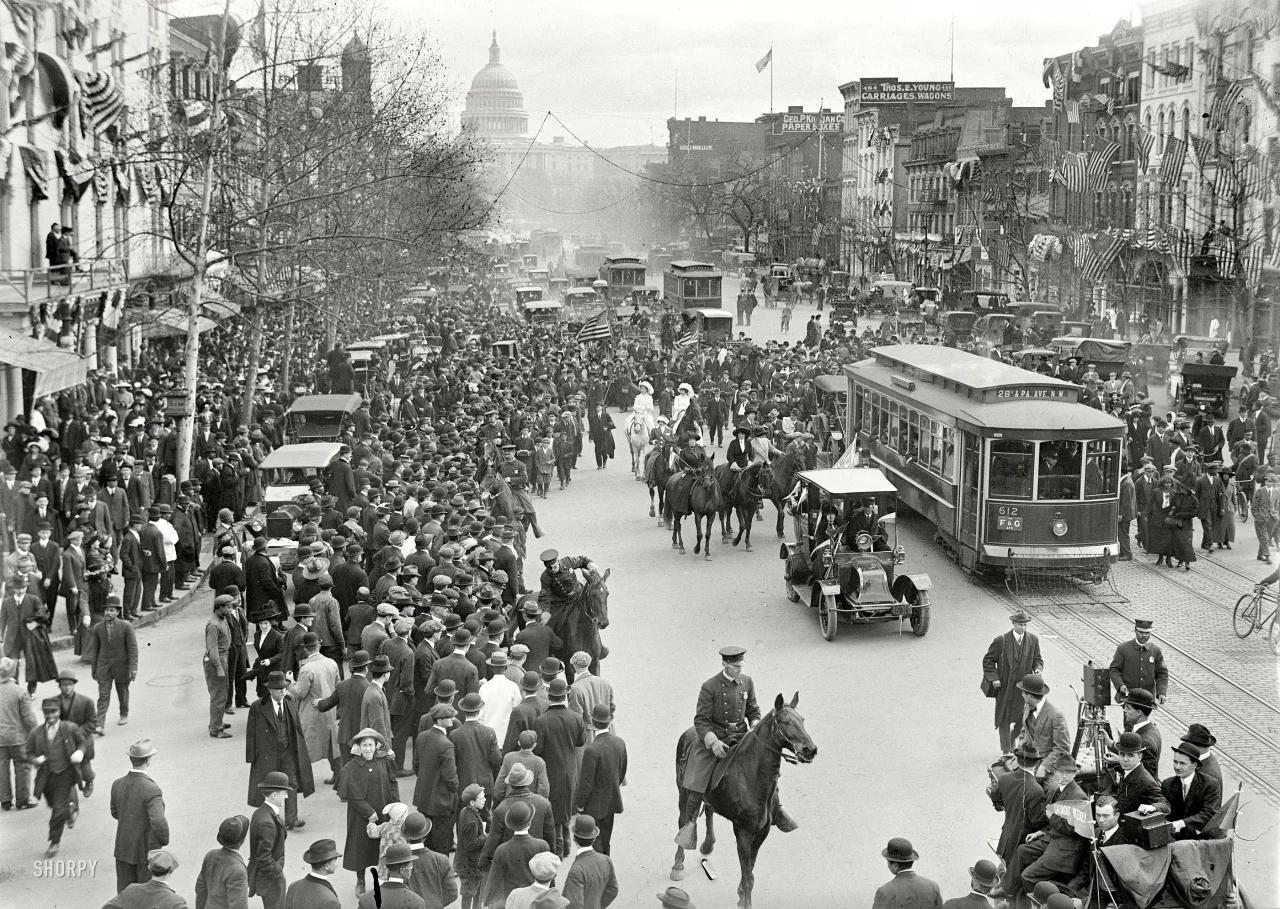
Our conviction is that democracy remains one of humanity’s most significant achievements. It has profoundly transformed the relationship between the people and those in power, enshrined fundamental freedoms, recognised popular sovereignty, organised citizen participation and fostered the peaceful transfer of public responsibilities.
Our question is one that our era can no longer postpone: does democracy, as it currently functions, fully meet the aspirations of the people?
This question does not call the democratic ideal into question. On the contrary, it reflects the need to preserve it by taking a clear-eyed look at the limitations now revealed by the functioning of institutions, the exercise of power and the practices of the various actors.
For whilst democracy has progressed, the expectations of the people have also evolved.
Citizens no longer simply ask to be consulted. They want to be heard and to exert a real influence on the decisions that shape their future. They no longer want merely to be represented. They expect their circumstances to be understood, their priorities to be taken into account, and public policy to bring about tangible improvements in their lives.
It is in the gap between democratic principles and people’s lived experience that one of the great vulnerabilities of democracy lies today.
When citizen participation no longer leads to real influence over public decision-making, when institutions fail to respond effectively enough to societal changes, and when economic and social progress remains out of reach for a significant proportion of the population, trust erodes.
Yet no democracy can sustain itself in the long term on the basis of its principles alone if the people no longer recognise themselves in the way it functions.
Democratic success cannot be gauged solely by the regularity of elections, however essential they may be. It is also measured by the quality of institutions, the responsible exercise of power, the effective participation of citizens, respect for the rule of law, and the capacity of public policy to foster sustainable, shared progress.
Democracy must guarantee freedom, equality before the law, a plurality of opinions and the free expression of the will of the people. But it must also be capable of translating these principles into responsible governance, justice, security, prospects and dignity.
Elections confer the legitimacy necessary for the exercise of power. They do not exempt those in power from the obligation to be accountable, the duty to serve, or the requirement to deliver results for the people.
It is not a question of making democracy the immediate answer to all human difficulties. Democracy, on its own, is neither an economic policy, nor a social programme, nor an automatic guarantee of prosperity. It must, however, create the conditions enabling citizens to participate, to monitor the exercise of power, to demand accountability and to help correct decisions that do not serve the public interest.
A democratic system cannot sustain the trust of the people in the long term unless it remains capable of listening, correcting its course, adapting and acting for the benefit of those from whom it derives its authority.
The weaknesses we are observing therefore do not concern institutions alone. They also reveal a crisis of trust, accountability, participation and results.
This situation is a challenge for states, but it does not concern states alone. It also involves the responsibility of international institutions, political actors, development partners, economic and social forces, the media, civil society and citizens themselves.
Everyone, at their own level, contributes to the strength or the weakening of democracy.
The scale of the world’s challenges has also changed. Inequalities, conflicts, population displacements, climate change, technological transformations, disinformation and new forms of opinion manipulation are putting democratic systems to the test – systems that have not always evolved at the same pace as societies.
Democracy cannot meet today’s challenges using only the mechanisms of the past. It must renew its methods without abandoning its principles, modernise its institutions without undermining freedoms, and strive for efficiency without sacrificing the checks and balances on power.
The World Association for Development believes that the time has come to launch a fundamental international debate on democratic performance.
This performance must not be confused with mere governmental efficiency. A government can act swiftly without being democratic. Democratic performance must be assessed against four inseparable criteria: the effective protection of freedoms and the rule of law; the ongoing participation of citizens; accountability in the exercise of power; and the translation of public decision-making into shared progress.
The first requirement concerns freedoms and the rule of law. The desire to deliver results cannot justify the erosion of fundamental rights, justice, pluralism, freedom of expression or the institutions responsible for holding those in power to account.
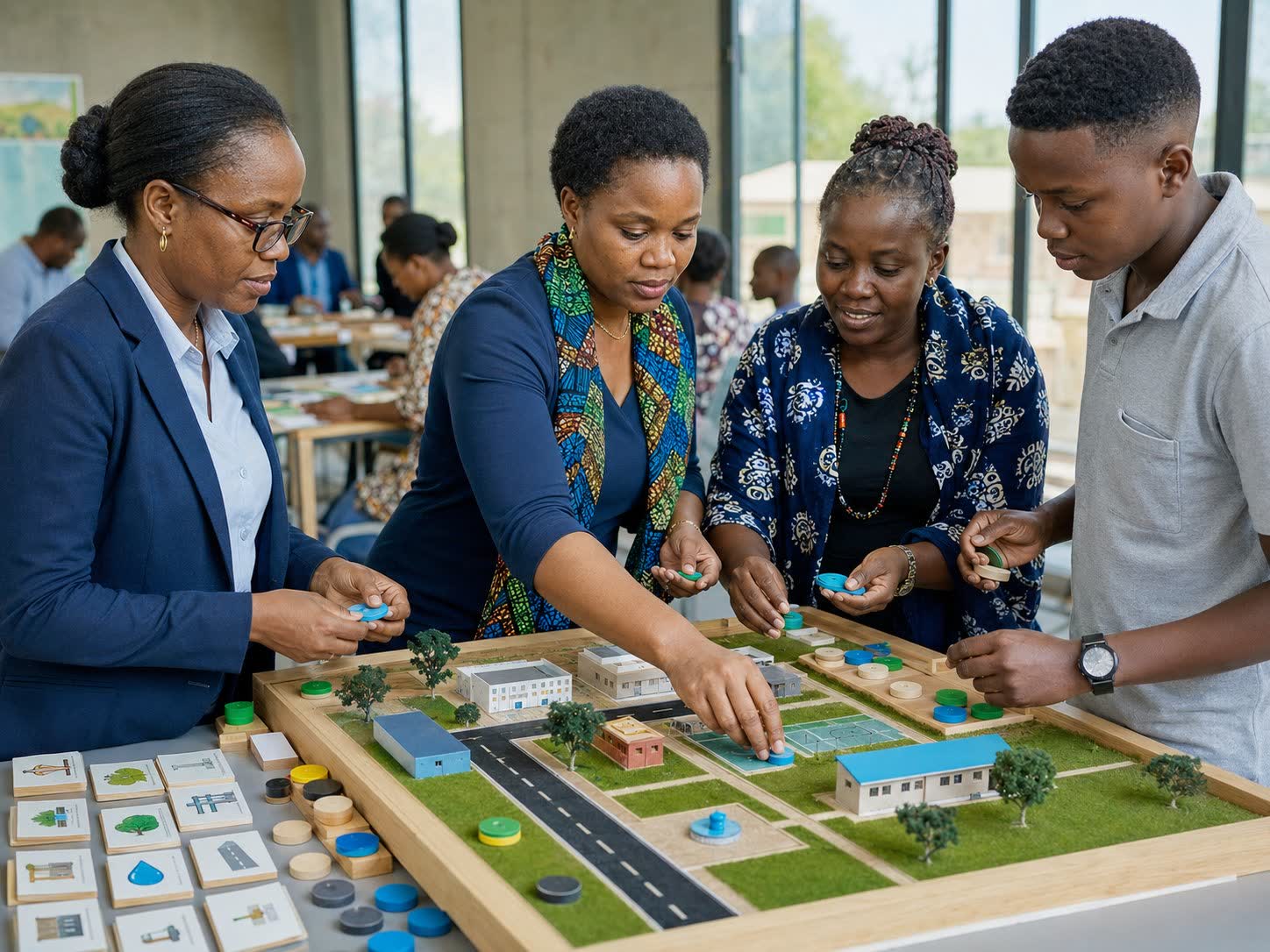
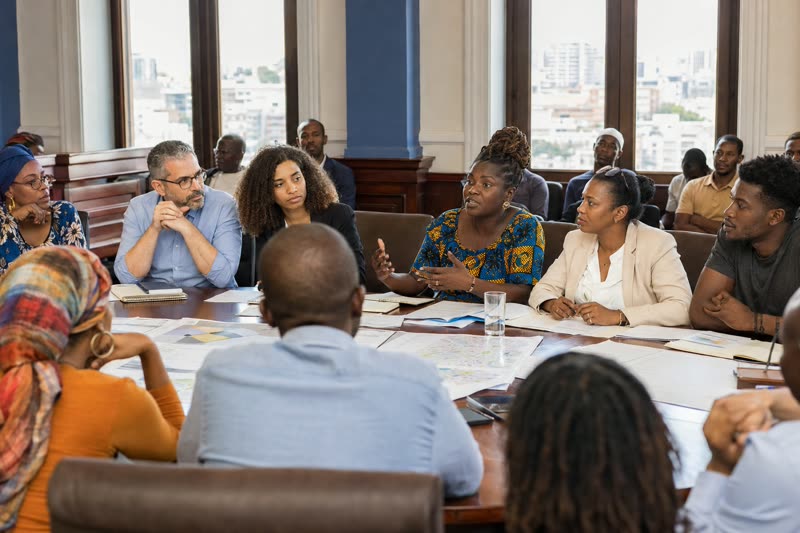
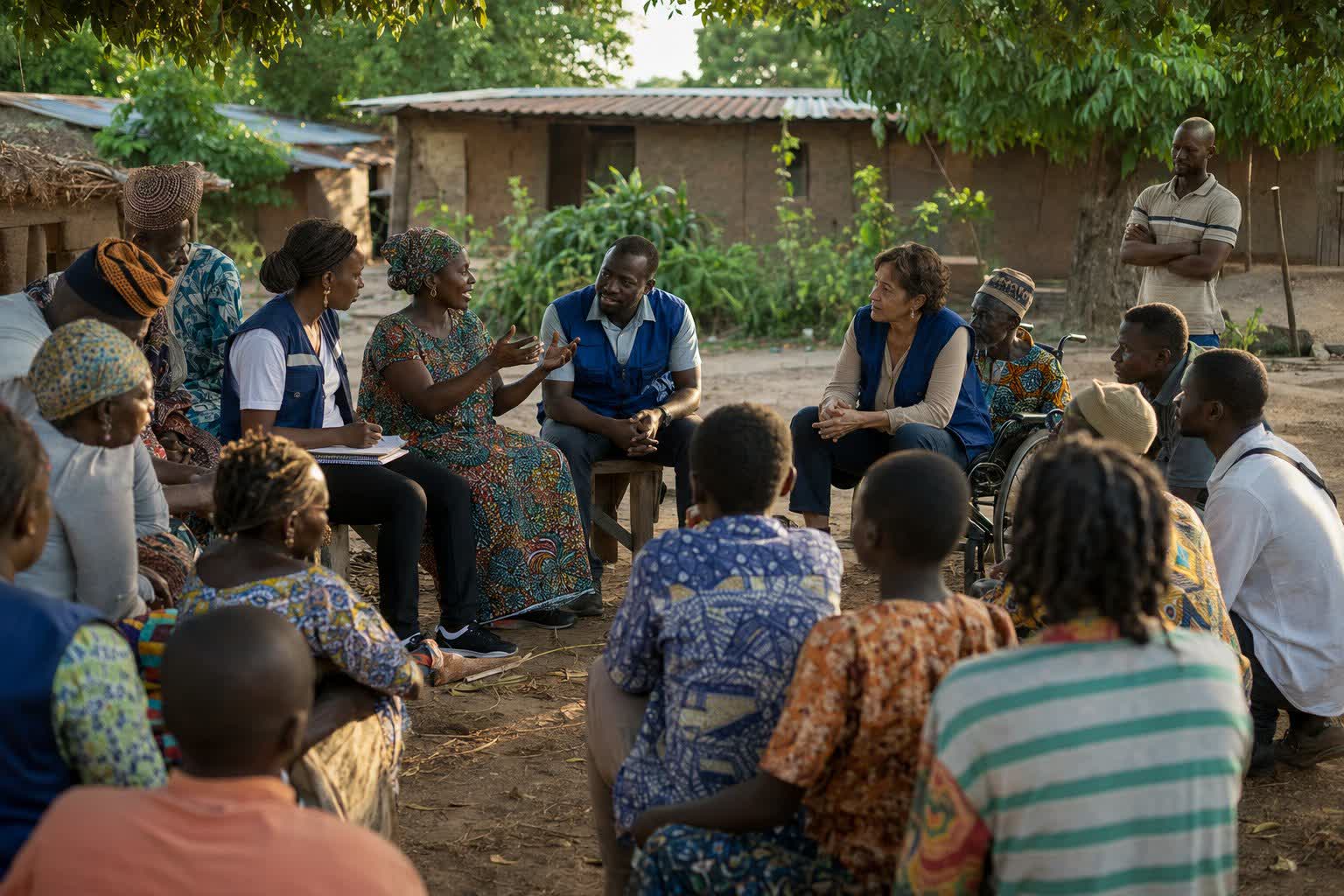
The second requirement is that of ongoing participation. Popular sovereignty cannot be expressed solely at election time. Citizens must be able to contribute to the development, monitoring and evaluation of public policies that affect their lives and those of their communities.
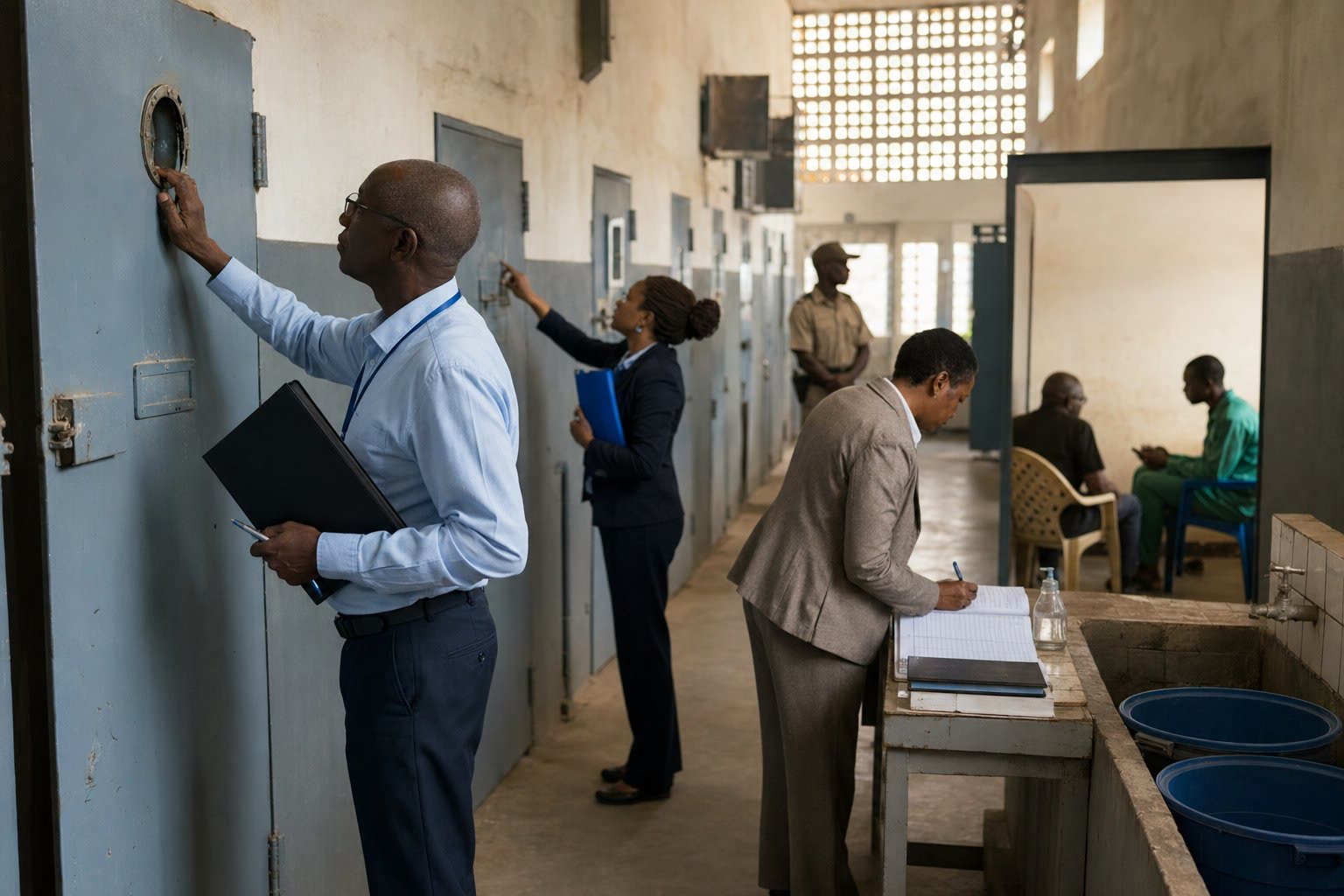
The third requirement is that of public accountability. Exercising power means accepting the need to explain the decisions taken, to account for the use of public resources, to evaluate the results achieved and to rectify any shortcomings identified.
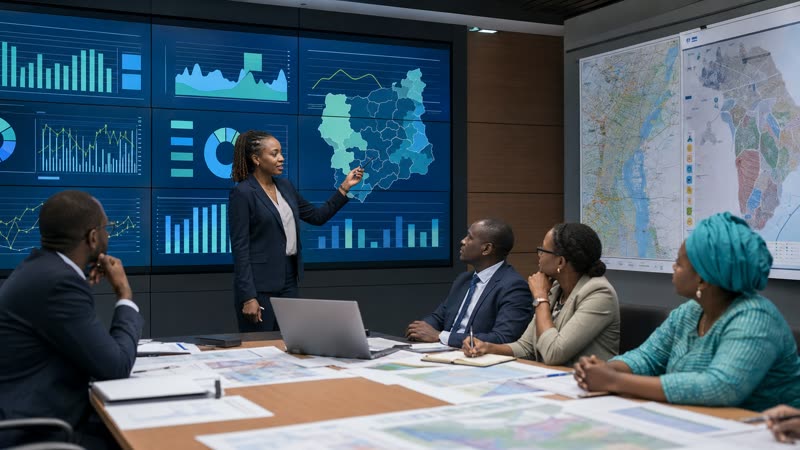
The fourth requirement is that of shared progress. Economic growth, innovation and public policies must bring about tangible improvements in living conditions, reduce exclusion and open up opportunities for all sections of society. A democracy cannot be fully realised if any one of these requirements remains permanently separated from the others.
The international debate we are calling for must therefore go beyond a formal assessment of systems to examine their actual capacity to serve the people, protect their dignity, guarantee their participation, prevent exclusion and transform public decision-making into collective progress.
The democracy of tomorrow must be more attuned to human realities, more inclusive in its representation, more demanding of those in power, and more accountable for its outcomes. It must involve women, young people, people with disabilities, vulnerable groups and all those whose voices remain insufficiently heard to a greater extent. It must also protect public debate from disinformation, technological manipulation, hate speech and the forces that turn differences of opinion into irreconcilable divisions. Finally, it must restore concrete meaning to the sovereignty of the people.
History has entrusted our generation with a particular responsibility: not to allow the idea to take hold that the shortcomings of democratic practice condemn the democratic ideal itself.
Our duty is neither to abandon democracy nor to be content with its achievements. Our duty is to ensure it evolves.
We must move from a democracy organised primarily around the acquisition and exercise of power to a democracy of continuous participation, public accountability and results that benefit the people.
On this International Day of Democracy, the World Development Association calls upon leaders, international institutions, parliaments, local authorities, development partners, political actors, economic and social forces, the media, civil society and citizens of the world to embark on this renewal with courage and clear-sightedness.
Democracy will only be able to retain the trust of the people if it remains capable of earning that trust.
The time has therefore come not merely to defend democracy, but to fulfil its promise.
Issued on the occasion of International Democracy Day
15 September 2026
Chief Executive
Hugues B. GNIMADI
World Association for Development — AMD
For the sustainable progress of peoples and communities