














Preventing future pandemics by strengthening health systems
Between the emergence of an infectious threat and its spread, the speed of diagnosis, the flow of information and response capabilities can make a decisive difference. These capabilities are built up over time. The high-level meeting on pandemics, scheduled for 25 September 2026 as part of the 81st United Nations General Assembly, thus entails a collective responsibility: to strengthen health systems and organise cooperation capable of functioning at the very first warning signs.
From local alerts to global health security
Pandemic preparedness relies on interdependent capabilities: identifying an unusual event, determining its nature, disseminating information and triggering an appropriate response. A weakness at any one of these stages can delay the entire response mechanism.
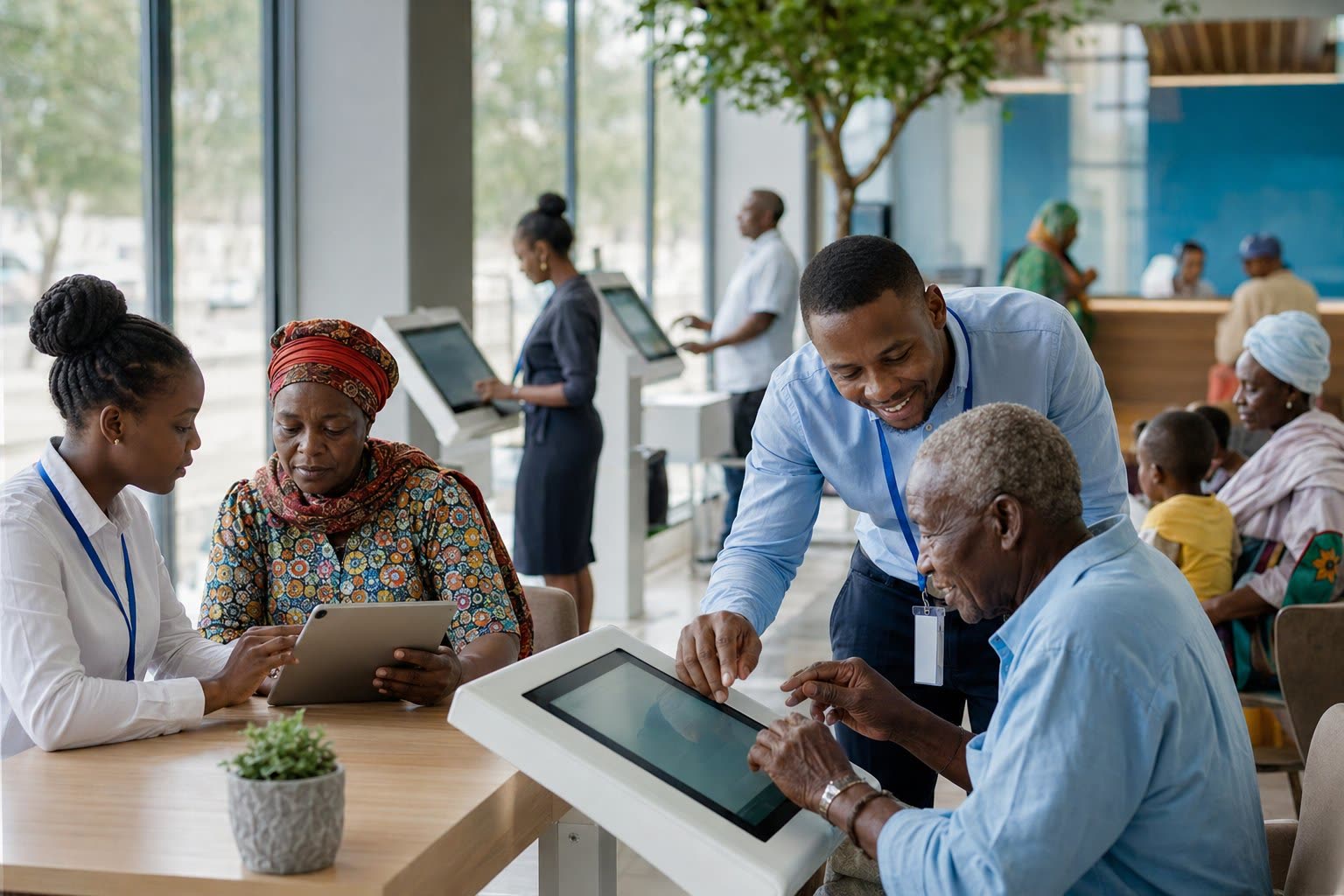
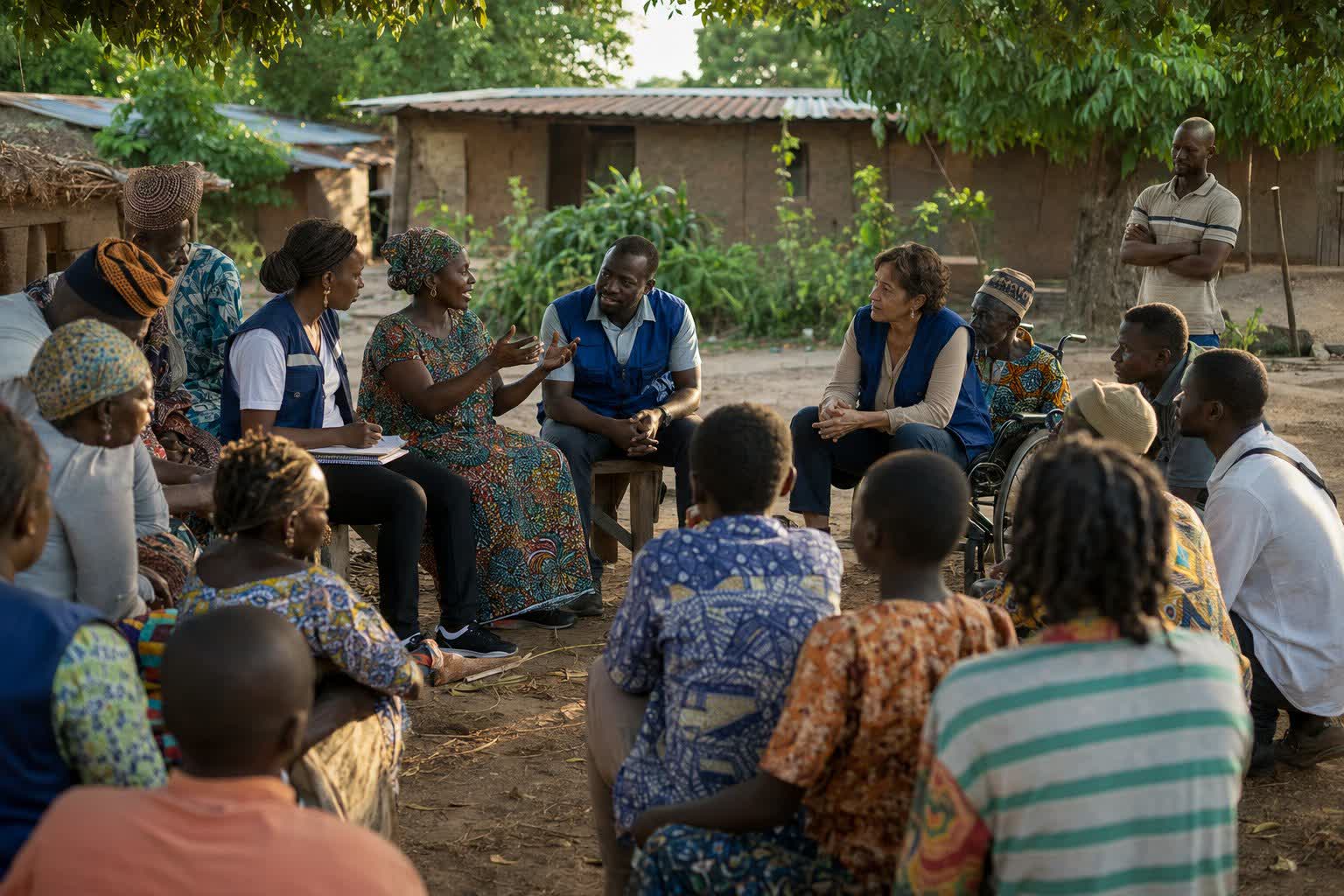
Community healthcare, laboratories, surveillance services and public authorities must therefore function as components of a single system.
Detecting quickly and being able to act
Health surveillance is valuable for the decisions it enables. A report must lead to an investigation, a sample to a reliable analysis, and a diagnosis to a sufficiently rapid intervention.
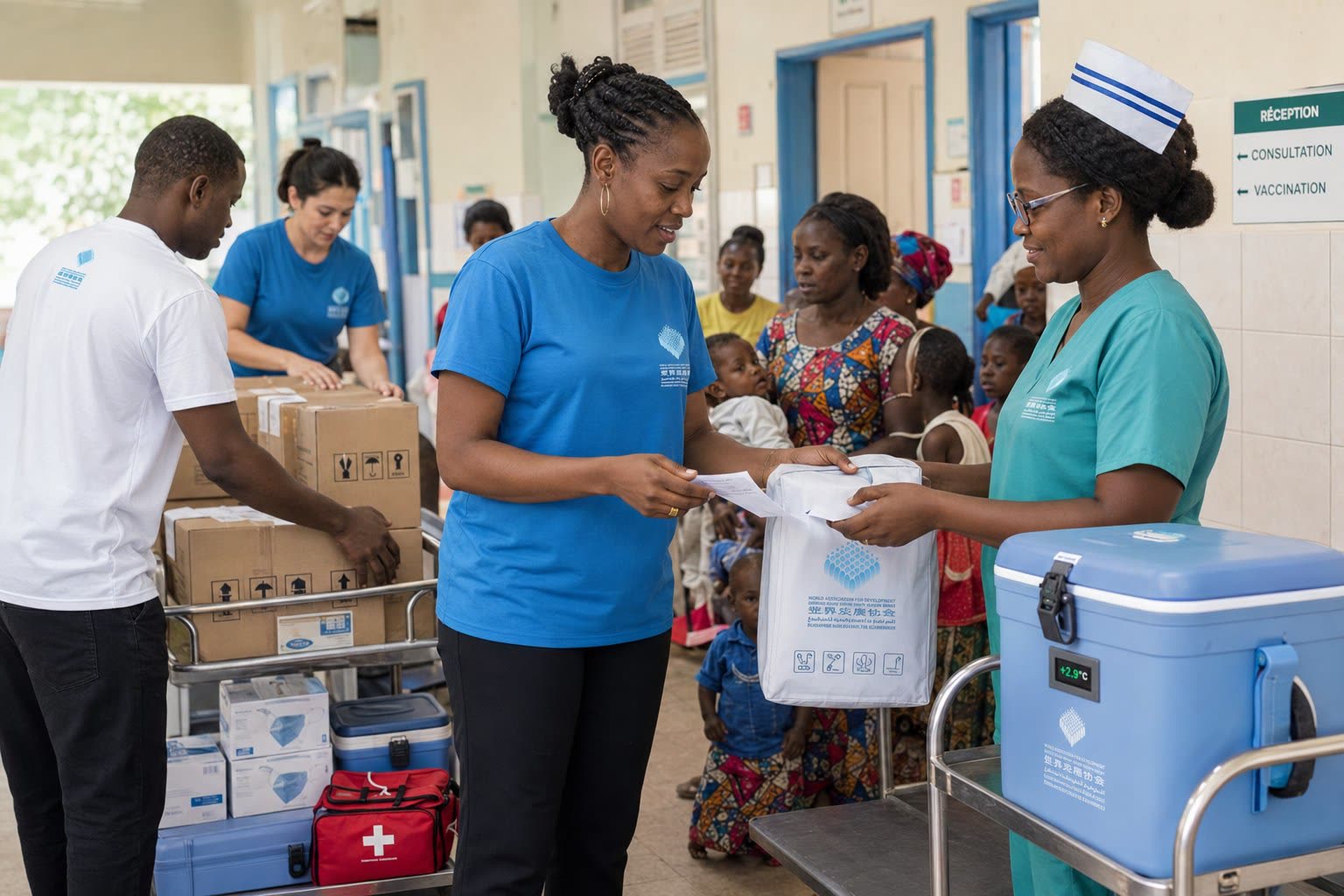
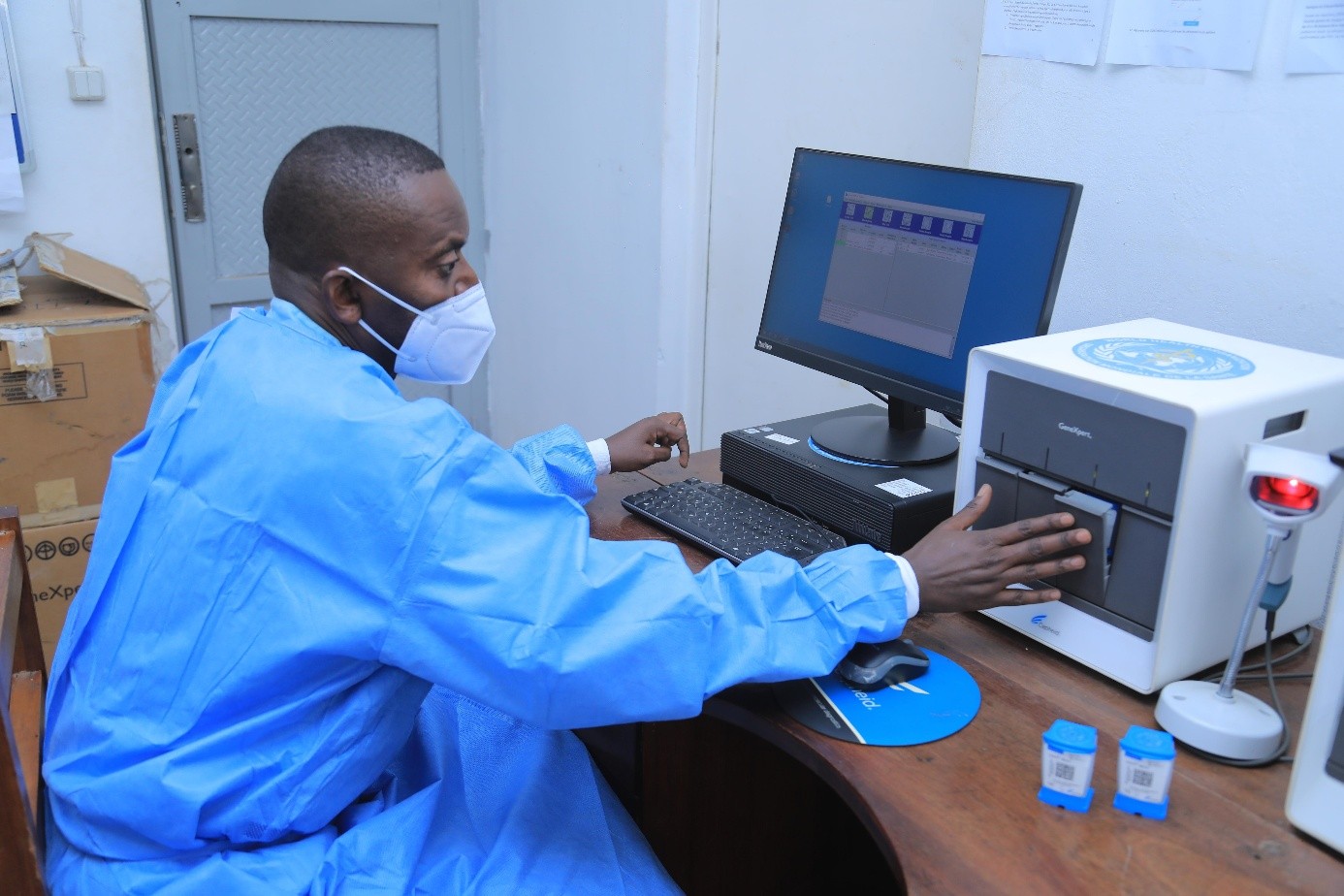
An example documented by the WHO illustrates the impact of these investments. In South Kivu, in the Democratic Republic of the Congo, strengthening local capacity for mpox diagnosis reduced the time taken to obtain results to 24 to 48 hours, compared with up to ten days previously, according to a report published in December 2024. The support combined equipment, supplies and training for technicians. This local achievement illustrates the importance of a functioning diagnostic chain.
Human resources remain crucial. In a publication dated 18 September 2026, the WHO highlights a projected global shortage of 11.1 million healthcare professionals by 2030. This projection covers all healthcare needs, including the capacity to respond to emergencies.
Preparedness therefore requires training, recruiting and retaining staff, whilst organising their geographical deployment. Equipment cannot fulfil its purpose without the skills required to operate and maintain it.
Preventing risks at source
Strengthening health systems must go hand in hand with action to address the conditions under which threats emerge and spread. This requires cooperation between public health, veterinary services, agriculture and environmental protection.
The ‘One Health’ approach, jointly championed by the FAO, UNEP, the WHO and the World Organisation for Animal Health, provides a framework for linking these areas of expertise. In particular, it aims to improve the prevention, detection and control of risks at the interface between humans, animals and their environment.
This cooperation must result in clearly defined responsibilities, shared information and coordinated responses. Reducing the risk of emergence, containing an outbreak and treating the sick are complementary functions, each requiring specific capabilities.
Public health security depends on how these functions are coordinated, from local levels right up to international mechanisms.
Strengthening scientific, industrial and financial resources
Having early warning information does not guarantee access to the resources needed to respond. Research, production, procurement and distribution capacities also determine the ability to protect populations.
This aspect places pandemic preparedness at the intersection of health, industrial policy and international cooperation.
Reducing critical dependencies and ensuring equitable access
In a press release published on 3 February 2026, Africa CDC stated that over 90 per cent of the vaccines and medical countermeasures used in Africa are imported. This dependence exposes health programmes to disruptions in international supply chains.
Strengthening national and regional production can help to secure supplies. However, its viability requires specialised skills, technology transfer, raw materials, quality control and sufficiently predictable demand. Africa CDC emphasises the importance of these conditions for the sustainable development of health product manufacturing.
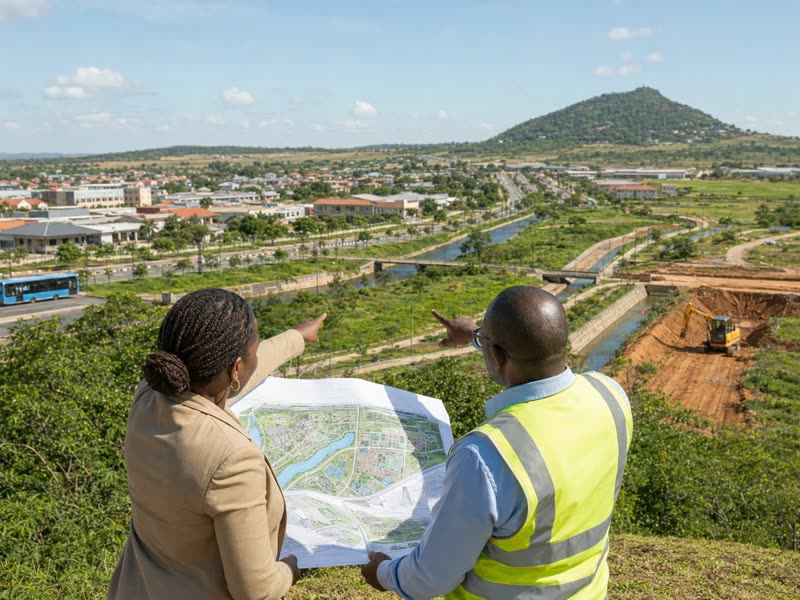
For the World Development Association, these investments have strategic significance: they can support research, develop skills and reduce supply vulnerabilities. Their public value must be assessed in terms of the quality, cost and effective accessibility of the products.
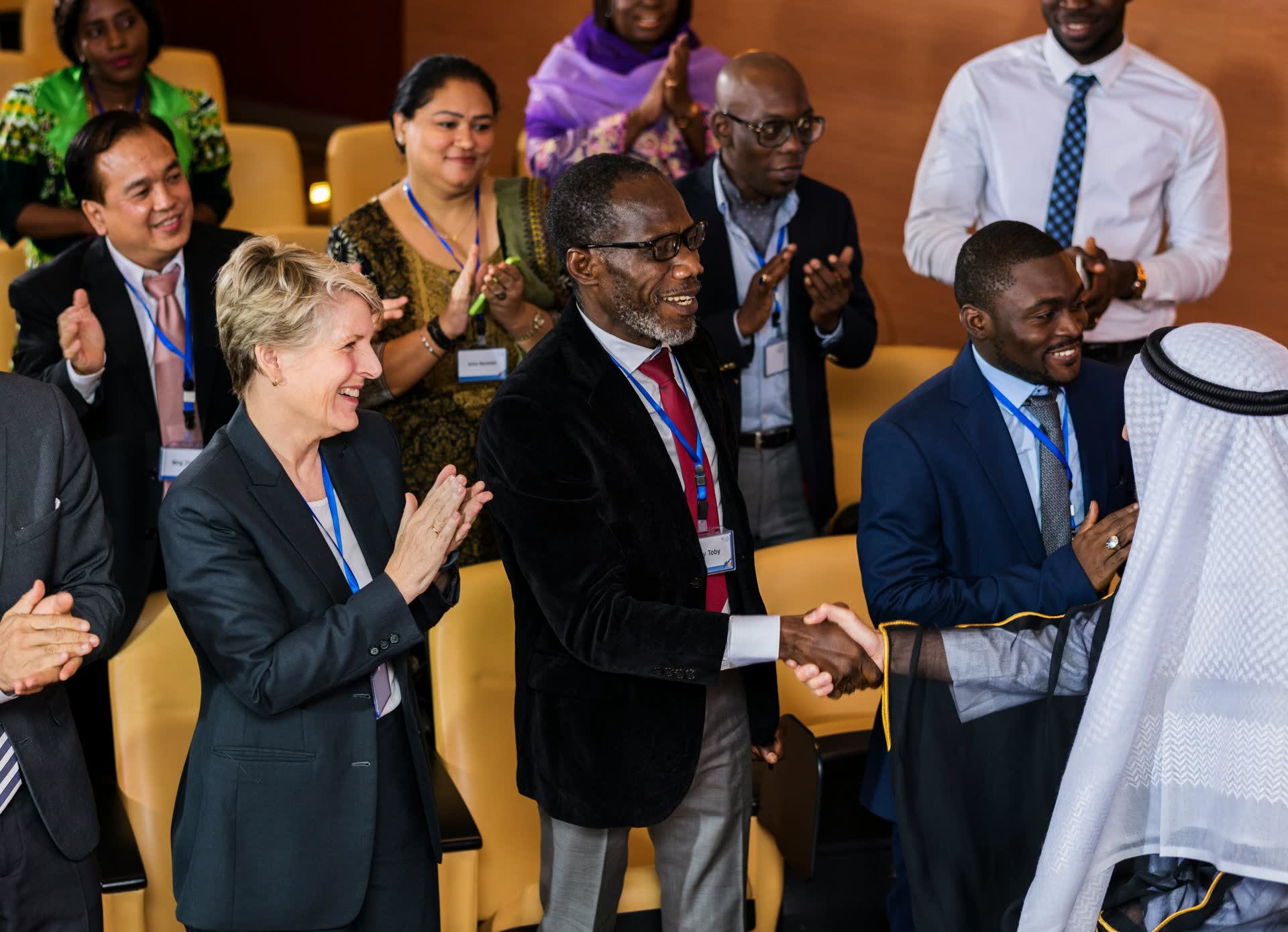
Global cooperation continues to play a decisive role. The WHO Pandemic Agreement, adopted in 2025, provides, in particular, for a mechanism for access to pathogens and the sharing of benefits. As at 18 September 2026, negotiations on the corresponding annex were ongoing; its finalisation should pave the way for the agreement to be signed and for countries to consider ratification.
The challenge is to work together to advance scientific sharing and equitable access to products developed through this cooperation.
Maintaining capacity as the emergency recedes
Preparedness requires regular expenditure: staff salaries, maintenance, stock replenishment and simulation exercises. Funding for this must be embedded in public policy and supported by predictable international funding.
According to its progress report published in March 2026, the Pandemic Response Fund had allocated $1.4 billion in grants, combined with $10.1 billion in international co-financing and national co-investment, for a portfolio covering 128 countries. These figures reflect funding allocated and mobilised; they do not, on their own, constitute a measure of actual operational capacity.
The evaluation must therefore track how resources are translated into outcomes: detection times, availability of tests, staff stability, continuity of care and the capacity to coordinate a cross-border response.
The WMA regards this continuity as a prerequisite for sustainable development. It safeguards accumulated expertise, the value of investments and the functioning of institutions under pressure. It also limits the risk that repeated emergency expenditure might compromise long-term development choices.
The meeting on 25 September should provide an opportunity to assess commitments on this scale: that of accessible, operational and sustained capacities. No system can eliminate all pandemic risks, but responsibilities for prevention and preparedness can be clearly established and monitored.
The next threat will test the capacities that states and their partners have chosen to maintain between crises.
Morgan CHOKI