





















Reforming multilateralism: strengthening the voice of Africa and its peoples
International representation determines the ability of states and their populations to influence the decisions that shape their development. At the 81st United Nations General Assembly, the reform of multilateralism brings to the fore the need to distribute decision-making power more equitably, to strengthen the role of African priorities and to broaden the effective influence of women, young people and civil society. The AMD links this development to a concrete requirement: to make representation a genuine lever for improving people’s living conditions and prospects for sustainable development.
Shaping the rules that guide development
International negotiations help to define the terms of financing, responses to crises, trade rules and the arrangements for technological cooperation. Their effects are felt in public budgets, investment opportunities and access to essential services.
The distribution of power within international institutions therefore warrants examination through the prism of a practical question: to what extent can the countries concerned influence the rules and priorities that shape their development?
African priorities in global decision-making
Africa contributes to shaping global responses through its diplomatic initiatives, its experiences of cooperation and its economic, scientific and human capacities. This contribution must be able to be exercised within institutions where its Member States have sufficient resources to propose, negotiate and decide.
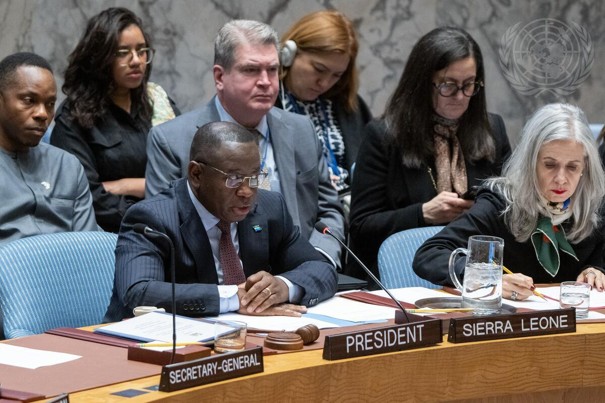
Security Council reform epitomises this requirement. In May 2026, the African Union reaffirmed its demand for at least two permanent seats, with all the corresponding prerogatives, including the veto as long as it exists, and five non-permanent seats in an enlarged Security Council. This position remains a call for reform.
Beyond the number of seats, influence depends on voting rights, the ability to place items on the agenda, the expertise available and participation in preparatory negotiations. It also requires African coordination capable of defending common priorities whilst taking into account the diversity of national situations.
Developments at the International Monetary Fund illustrate a concrete change in representation: in November 2024, its Executive Board was expanded to 25 members, including three representing sub-Saharan Africa, compared with two previously.
Any assessment of such reforms must then focus on their ability to strengthen the contribution of the countries concerned to the institution’s policy direction.
From institutional balances to the implications for populations
The link to development lies in the substance of the decisions. The terms of financing influence the capacity to invest in schools, health infrastructure or access to water. Trade rules can facilitate or restrict the local processing of resources. The terms of technological cooperation affect the scope for developing skills and productive activities.
A more balanced representation can help ensure that these realities are taken into account. However, it does not automatically guarantee more appropriate policies: the quality of proposals, alliances, administrative capacities and national choices remain decisive factors.
The challenge is to strengthen countries’ capacity to champion development pathways that they can implement and sustain over the long term. For local communities, this concerns both immediate access to services and the consolidation of achievements: continuity of care, quality of education, sustainable jobs and resilient infrastructure.
Linking representation to accountability
International reform can alter the balance of power between states without sufficiently broadening participation within societies. The role accorded to people must therefore be examined alongside that of their governments.
This approach involves the preparation of national positions, the conduct of consultations and the monitoring of decisions.
Giving women, young people and civil society a real voice
The Pact for the Future, adopted in 2024, aims to strengthen the effective participation of young people at national and international levels. The 81st session provides a framework for continuing the implementation of this commitment.
Putting this into practice requires opportunities to contribute before decisions are finalised, to propose amendments and to be informed of the follow-up given to recommendations. For both women and young people, access to negotiating roles and positions of responsibility must also be supported by transparent procedures and appropriate resources.
Civil society can provide insight into the challenges faced by communities and document the impact of policies. Its involvement can, in particular, shed light on the barriers to girls’ education, women’s economic empowerment and young people’s entry into the labour market.
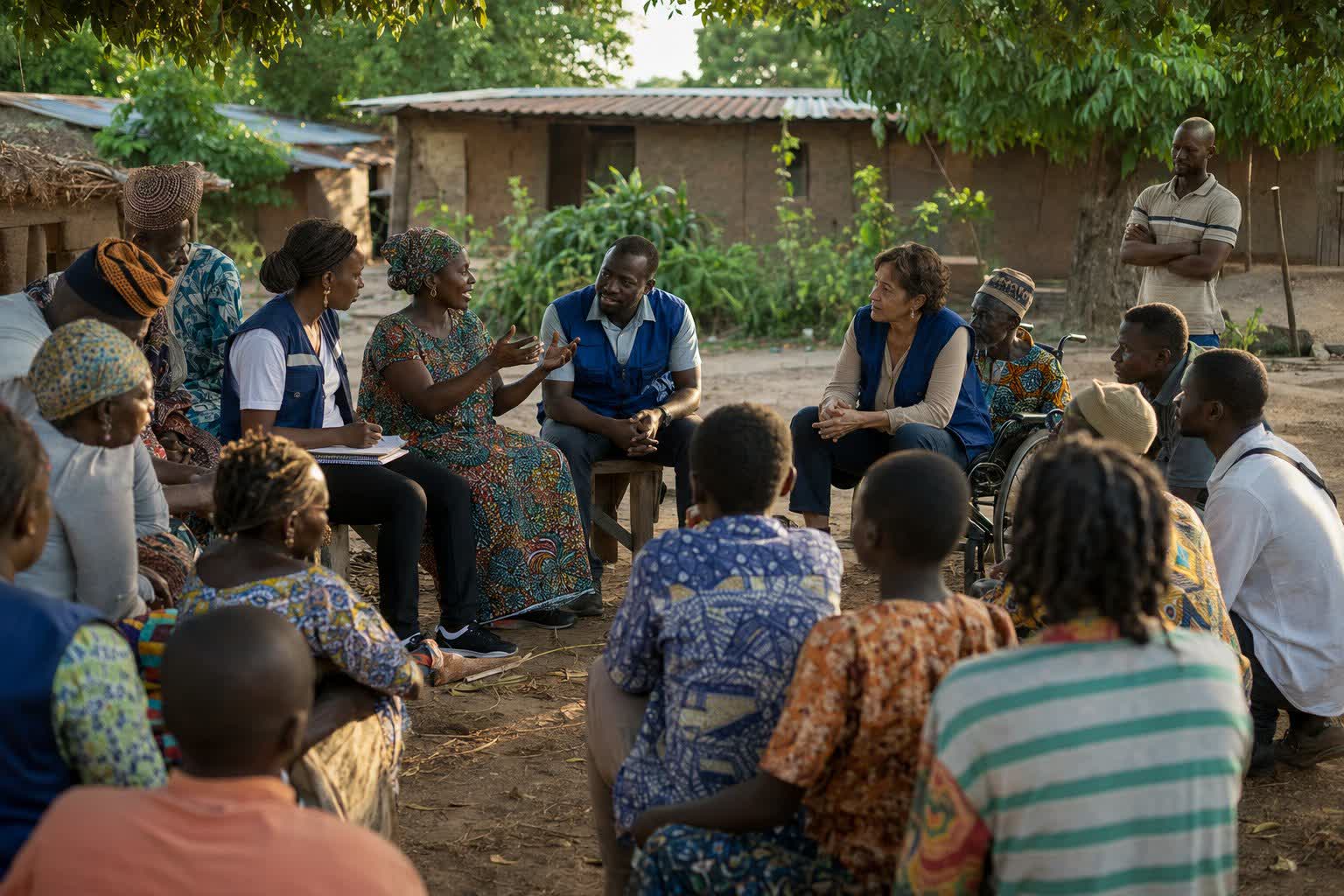
The diversity of participants is crucial here. Rural organisations, people with disabilities and stakeholders with limited resources must be able to contribute. This requires taking into account costs, languages, accessibility and the digital divide.
Accounting for the choices advocated on behalf of the people
Legitimate representation requires an ongoing connection with those whose interests are being defended. Public authorities have a responsibility to explain their positions, organise consultation and report on the commitments they have made. Civil society organisations must also be transparent about their consultation methods and the interests they represent.
For the AMD, three criteria would enable progress to be assessed: the diversity of the contributions gathered, their identifiable influence on decisions, and the existence of public oversight of their implementation.
This approach links institutional reform to the sectors of sustainable development. It enables us to ask how international decisions take account of educational, health, economic and environmental needs, and how their effects are assessed amongst the population.
The debates at the 81st General Assembly would therefore benefit from linking any reform proposal to specific responsibilities and accessible monitoring procedures. It is on this interplay between power, participation and results that the AMD bases its call for the renewal of multilateralism.
Better representation of Africa and its peoples must give them greater influence over the decisions that shape their future.
Morgan CHOKI