
























Reforming global development financing: investing without exacerbating vulnerabilities
Countries facing the most pressing development needs do not always have the most accessible sources of finance. The burden of debt, the cost of capital and inequalities in investment limit their ability to finance their priorities in a sustainable manner. At the 81st United Nations General Assembly, reforming global development finance has emerged as a key priority: mobilising the resources needed for investment without exacerbating the vulnerabilities that they are meant to reduce.
Restoring confidence and strengthening the effectiveness of multilateral action – the ambitions underpinning this 81st session – requires making international commitments financially feasible. For the countries concerned, this requirement translates into a practical capacity: to fund their priorities without compromising the continuity of public services or postponing essential investments indefinitely.
The debate therefore goes beyond the sheer volume of resources mobilised. It concerns their cost, their allocation, the risks they pose to states, and the role accorded to those states in decision-making.
When financing the present compromises tomorrow’s capabilities
Debt and the cost of deferred development
Debt can support economic transformation when it finances useful investments on sustainable terms. It becomes a constraint when its repayment obligations permanently reduce the resources allocated to development.
According to the World Bank’s International Debt Report 2025, low- and middle-income countries paid $415 billion in interest on their external debt in 2024, a record amount. These payments tie up resources that could otherwise be used to support education, primary healthcare and infrastructure, amongst other things.
The consequences accumulate over time. Delayed training can limit employability. An inadequately maintained water network may require more costly rehabilitation. Weakened public health prevention exposes populations and public budgets to avoidable crises.
Delayed development therefore has a human cost, but also an economic one: it can weaken productive capacity and future revenue needed to service the debt. Sustainable management must take account of this relationship between financial obligations and long-term investment.
Access conditions that do not fully reflect needs
Vulnerability is not simply a matter of income level. A small island state may have a middle-income status whilst remaining highly exposed to disasters, costly imports and trade disruptions.
A study published by the United Nations in January 2026 highlights the limitations of per capita income in assessing such situations. It recommends the complementary use of the Multidimensional Vulnerability Index, endorsed by the General Assembly in 2024, to better target concessional financing.
Least developed countries, landlocked states and countries affected by conflict also face distinct constraints. Tailoring responses requires an examination of their exposure to shocks, their institutional capacities and their investment needs.
It also entails strengthening their involvement in decision-making: the countries concerned must be able to help define the criteria and conditions that determine their development opportunities.
Reforming instruments, sharing responsibilities
Distinguishing between financing needs and debt relief needs
A temporary cash-flow problem and a debt that is unsustainable in the long term do not require the same responses. In the former case, affordable financing or debt rescheduling can provide some breathing space. In the latter, new loans may merely shift the problem.
Reform must therefore make it possible to combine, depending on the situation, grants, concessional loans (at reduced rates and with long repayment terms) and restructuring measures that are sufficiently swift and tailored to the circumstances. A suspension of payments following a major shock can protect urgent expenditure, without necessarily resolving the underlying imbalance.
This responsibility applies to both borrowers and creditors. Transparency in contracts, risk assessment and the quality of investments must underpin financing decisions. People should not be left to bear the consequences of ill-conceived commitments or delayed restructuring on their own.
More accessible and representative multilateral banks
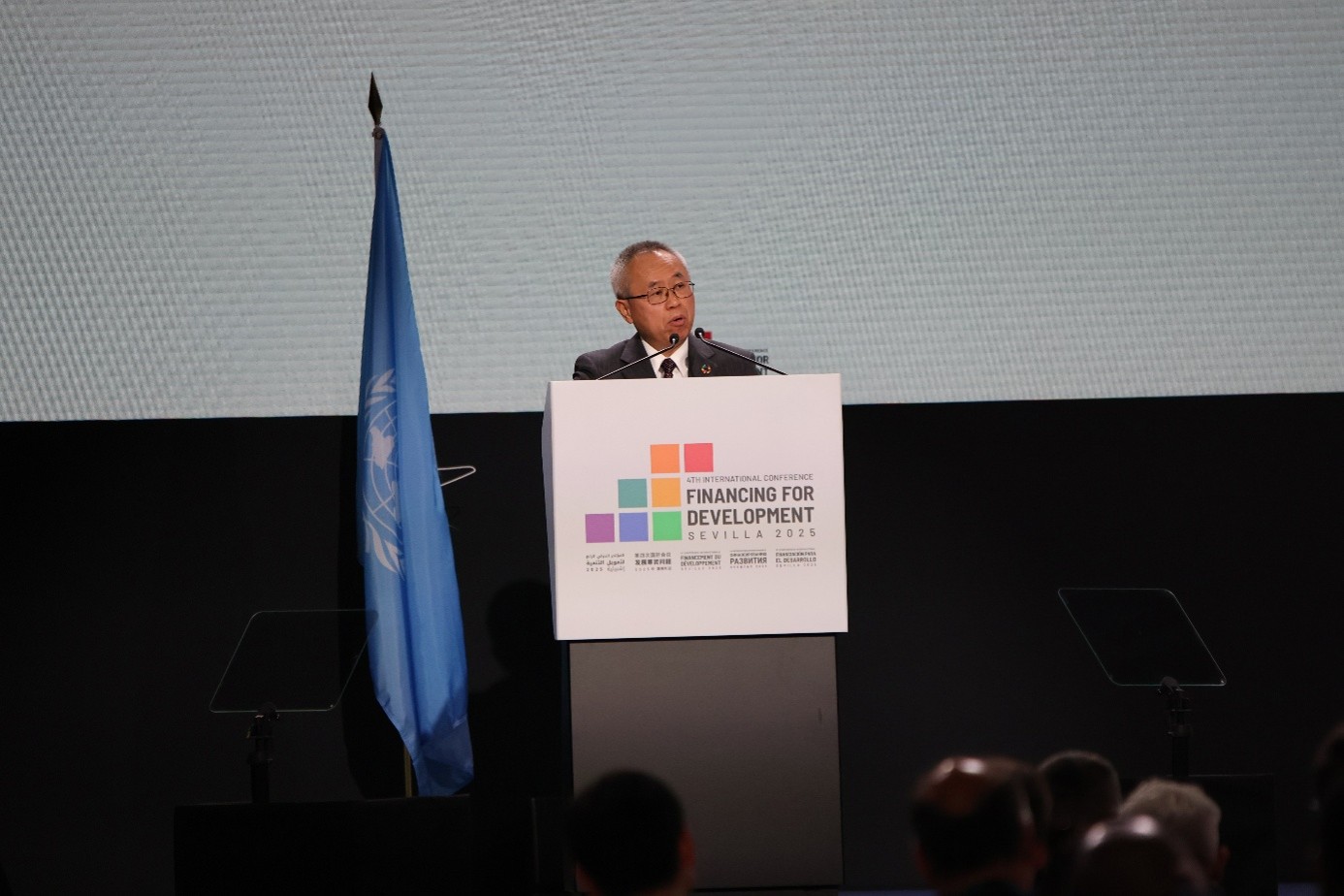
The Seville Commitment, adopted in 2025, sets out, amongst other things, a target to triple the annual lending of multilateral development banks, as well as measures aimed at reducing borrowing costs and strengthening the voice of debtor countries. These are commitments that need to be put into practice, the effects of which will depend on how they are implemented.
Strengthening these banks should make it possible to finance long-term projects, support their preparation and reduce administrative barriers. Their governance must also better incorporate the priorities of the countries they support.
The effectiveness of the reform can thus be assessed using specific criteria: the real cost of resources, disbursement times, access for vulnerable countries to concessional financing, and the ability to safeguard essential investments.
Sustainable investments judged on their contribution to development
An increase in available capital does not guarantee that it will be channelled towards priority needs. According to UNCTAD’s World Investment Report 2026, the top twenty host economies attracted more than 80 per cent of global foreign direct investment in 2025.
Mobilising private investment therefore requires explicit objectives: decent jobs, local skills, accessible services and respect for the environment. Public guarantees must facilitate beneficial projects whilst managing the risks borne by national budgets.
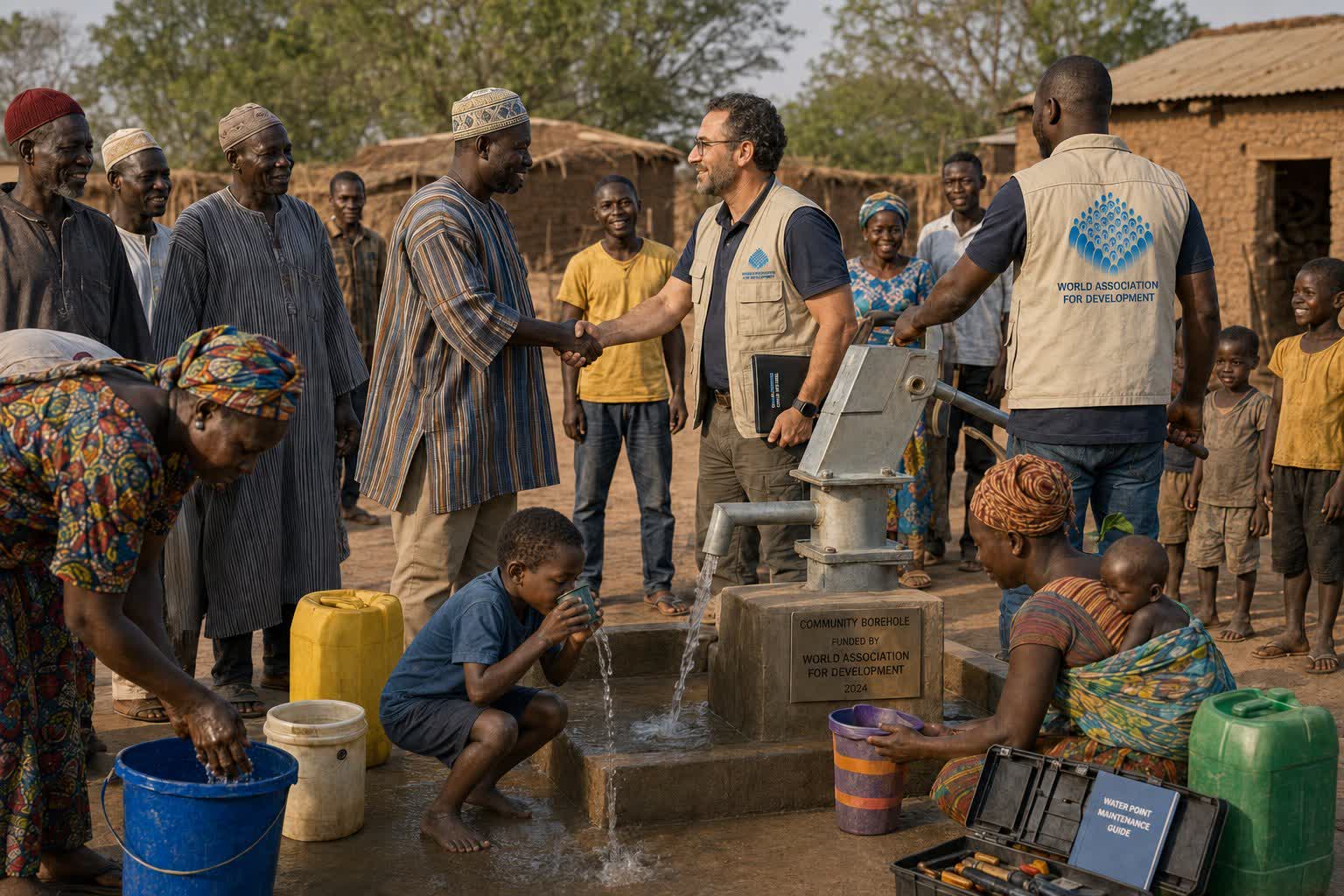
For the World Development Association, this requirement directly links financial reform to education, health, youth employment, women’s economic empowerment and access to water and energy. It also entails the equitable mobilisation of national revenues and the transparent use of resources.
The 81st General Assembly provides a political forum to support these transformations and review the implementation of existing commitments. Their success will depend on the decisions of states, creditors and financial institutions. Meaningful reform must sustainably expand countries’ investment opportunities and reduce their exposure to crises.
The AMD calls on finance stakeholders to incorporate the protection of essential investments and the reduction of vulnerabilities among the explicit criteria for their decisions and assessments.
Morgan CHOKI