


















Agenda 2030: eleven years of progress, a global promise at risk
Access to safe drinking water has increased, more people have access to electricity, and social protection has improved. Yet the world is making too little progress to meet the commitments of the 2030 Agenda. On 25 September 2026, the 11th anniversary of the 2030 Agenda, the international community faces a dual responsibility: to accelerate the expected transformations and to prevent crises from undoing the progress made. The United Nations’ assessment highlights the scale of this urgency, but also the opportunities for action.
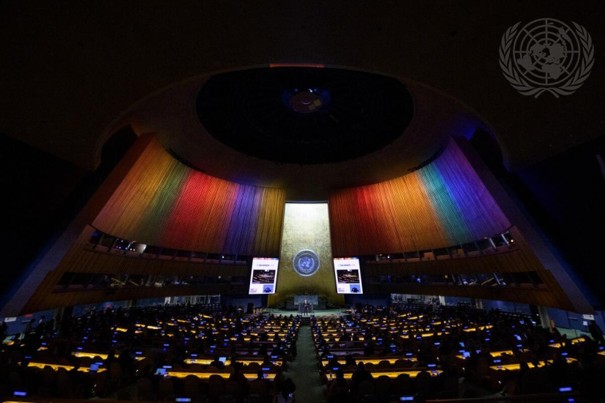
‘We’re not on track’. The assessment published on 18 September by UN News and featured on the United Nations website highlights the gap between the ambition of the 2030 Agenda and the current trajectory. Wars, debt and climate change are undermining the efforts undertaken. In the context of the 81st General Assembly, this warning serves as a reminder to governments of the scope of the commitments made in 2015.
However, the report deserves to be read in its entirety. Substantial progress has been made. This shows that investment and public policy can improve living conditions on a large scale. Why is this progress still not enough to bring the world closer to its goals?
Improved lives, but a global trajectory that is still insufficient
Water, energy and social protection: progress that matters
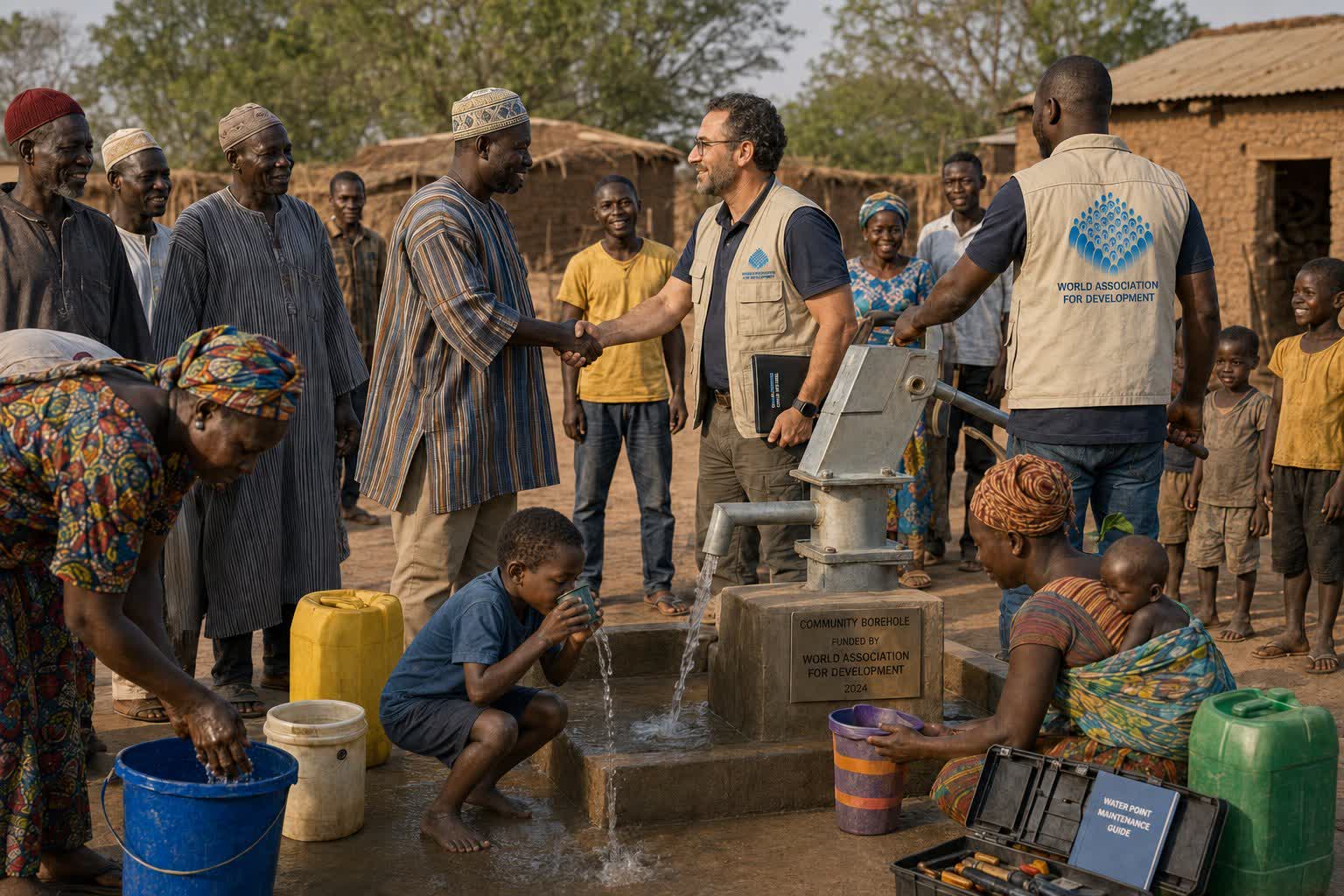
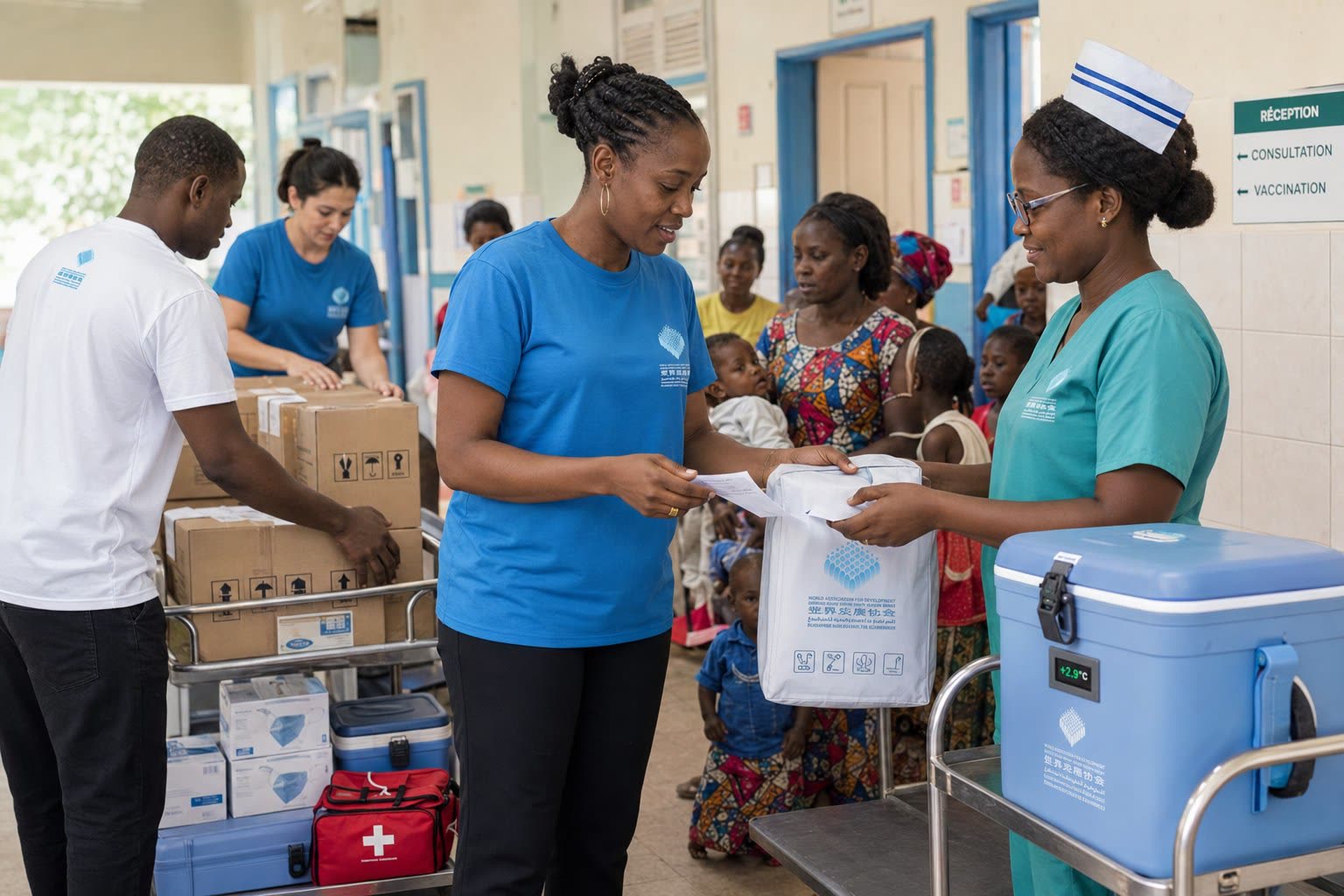
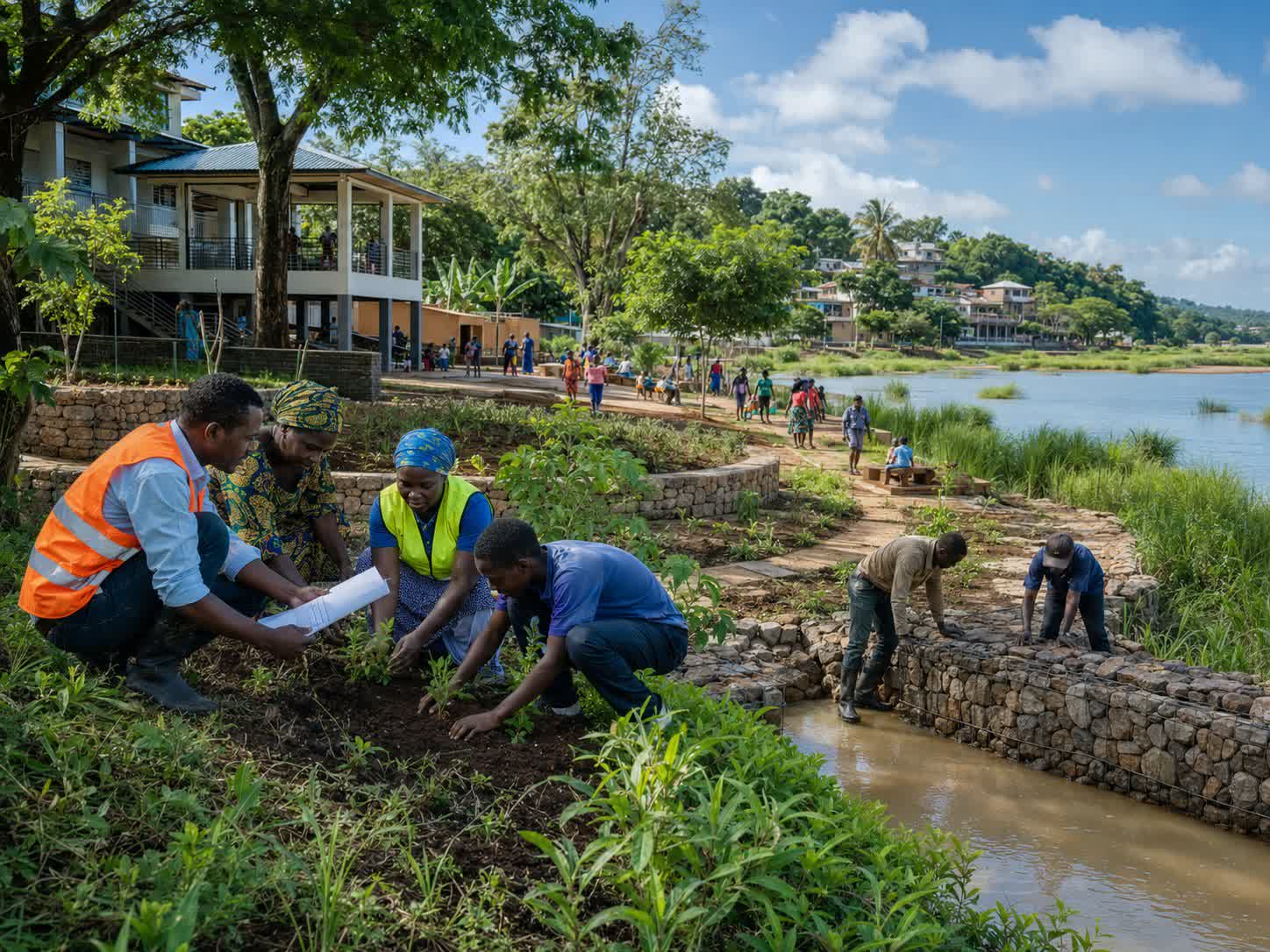
Between 2015 and 2024, a further 961 million people gained access to safely managed drinking water services, according to the WHO and UNICEF. Global coverage rose from 68 per cent to 74 per cent. Access to safe drinking water at home, when needed and free from contamination, provides essential conditions for disease prevention and reduces the burdens associated with daily water collection.
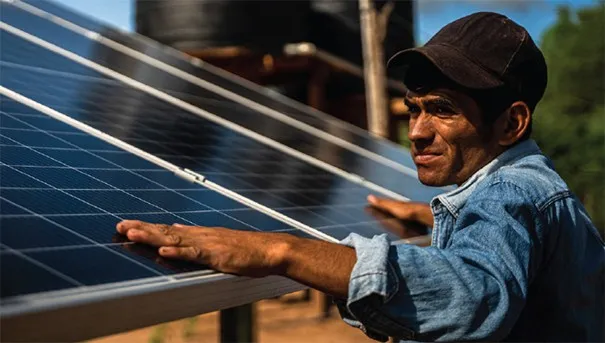
Over the same period, access to electricity rose from 87 per cent to 92 per cent of the global population. This increase broadens the scope for producing and preserving food, and for operating services. Its economic benefits, however, depend on a continuous supply and affordable tariffs: a connection must enable effective and sustainable use.
Social protection has also expanded. According to the International Labour Organisation, 52.4 per cent of the global population received at least one social protection benefit in 2023, compared with 42.8 per cent in 2015. When benefits are sufficient and regular, they help to secure incomes and limit vulnerability to life’s unforeseen events.
These results do not automatically follow from the adoption of the SDGs. They reflect policies, investments and cooperation for which the 2030 Agenda provides a common framework. Above all, they demonstrate the importance of sustained action over time.
Behind the averages, populations that remain excluded
The 2026 United Nations report on the SDGs paints a worrying picture: of the 139 targets for which trend data is available, 36 per cent are on track or showing moderate progress, 49 per cent are progressing too slowly and 15 per cent have regressed compared with 2015. The presence of moderate progress in the first group means that this proportion should not be confused with the proportion of targets that have already been met.
Improvements in global averages therefore guarantee neither universal access to services nor the narrowing of all gaps. In 2024, 2.1 billion people still lacked access to a safely managed drinking water service. Fragile countries have particularly low levels of coverage.
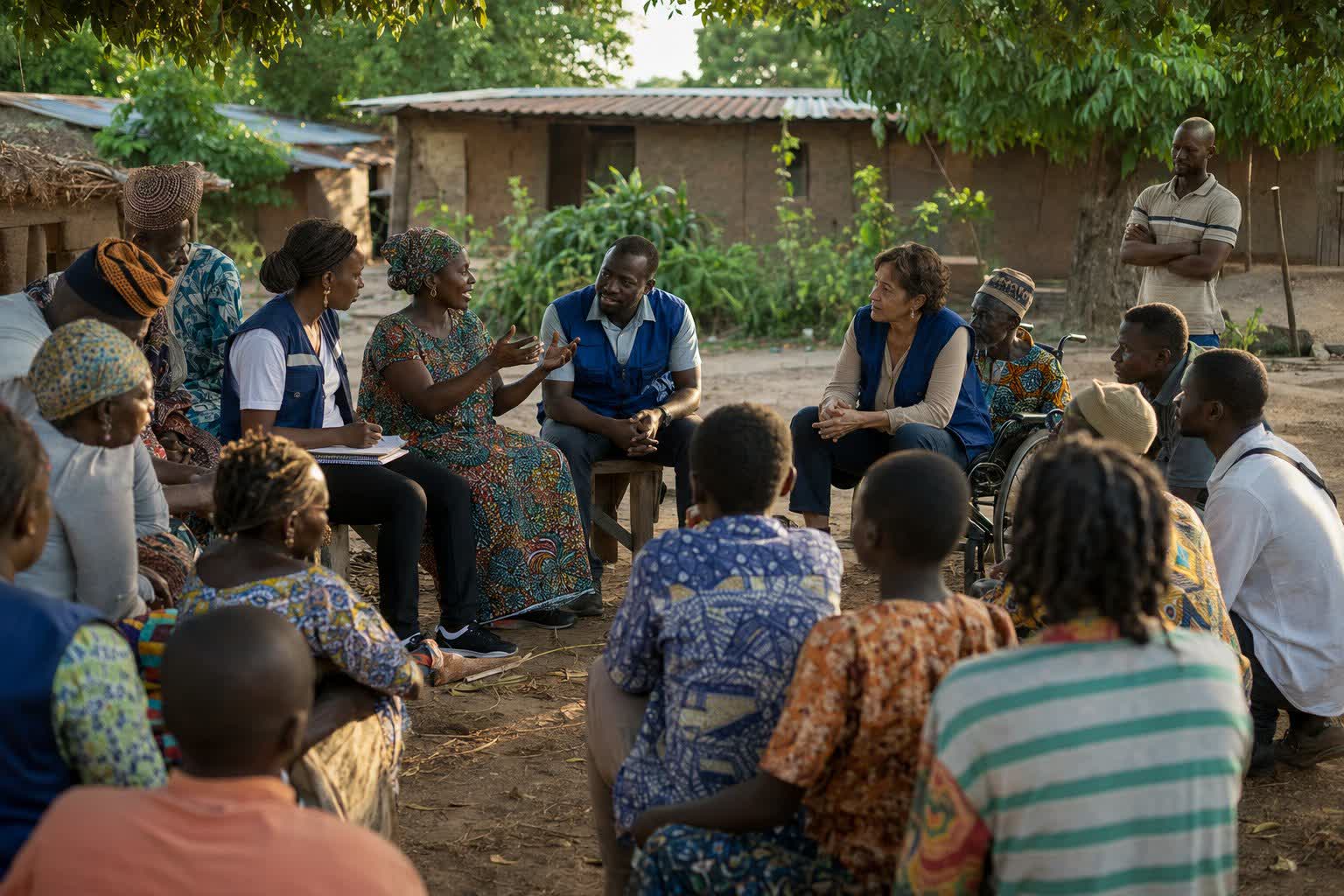
The challenge extends beyond the overall rate of progress. It also concerns its distribution: the populations that are hardest to reach risk remaining excluded, whilst investment is concentrated in areas that are already better equipped.
Accelerating progress without undoing the gains made
Crises set back development and undo its achievements
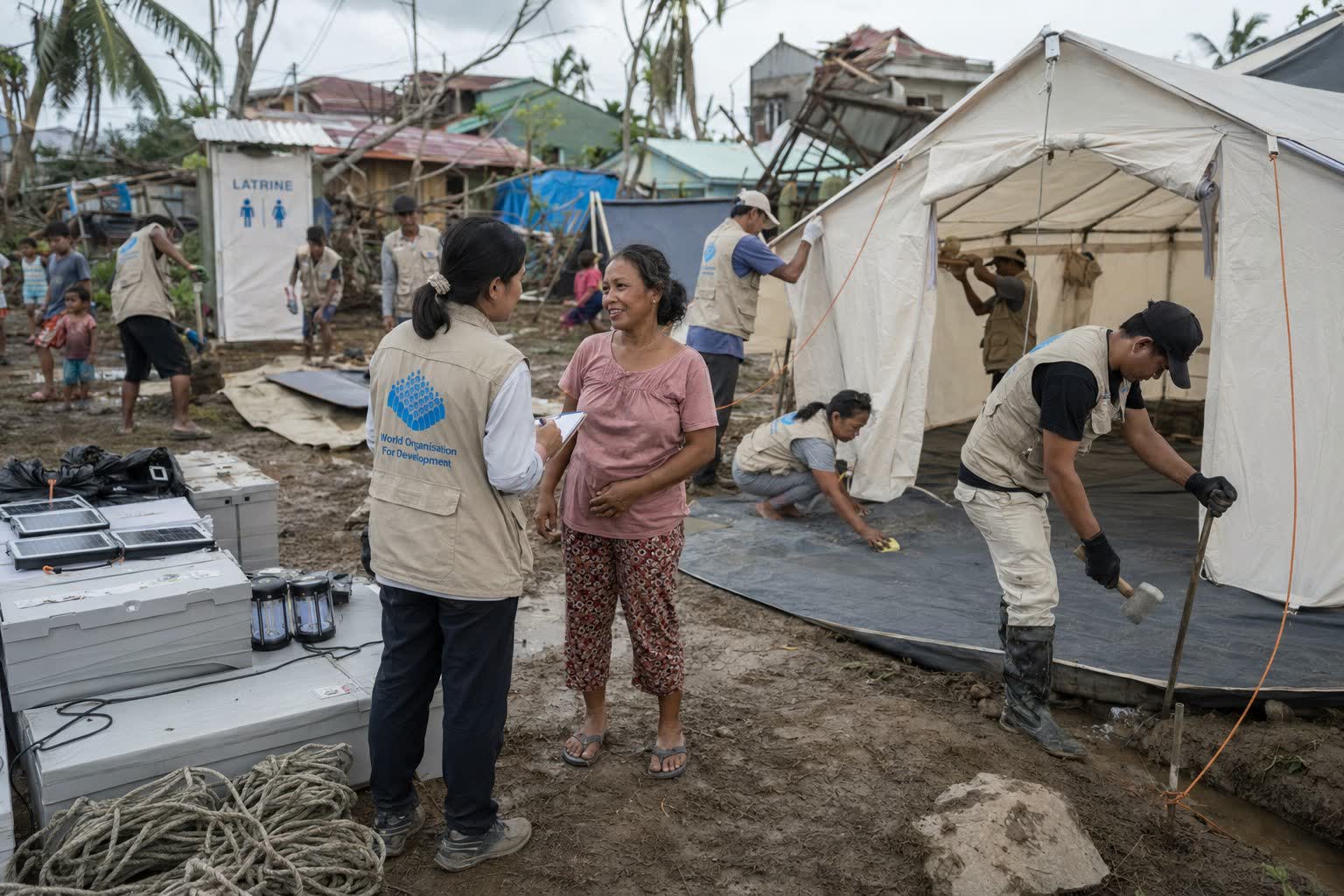
These obstacles reinforce one another. Conflicts disrupt activities and damage infrastructure. Climate shocks destroy livelihoods and impose reconstruction costs. Debt servicing reduces available budgetary margins, whilst the decline in international aid weakens countries with fewer resources. The UN report highlights this accumulation of pressures.
A country may thus devote its resources to restoring what it already had, to the detriment of new investment. For local communities, this fragility means interrupted incomes, uncertain services and delayed prospects.
Preserving what has been achieved is an integral part of accelerating development. Maintaining infrastructure, anticipating risks and ensuring the continuity of services prevent the same needs from having to be met all over again after every crisis.
Making the SDGs a decision-making criterion
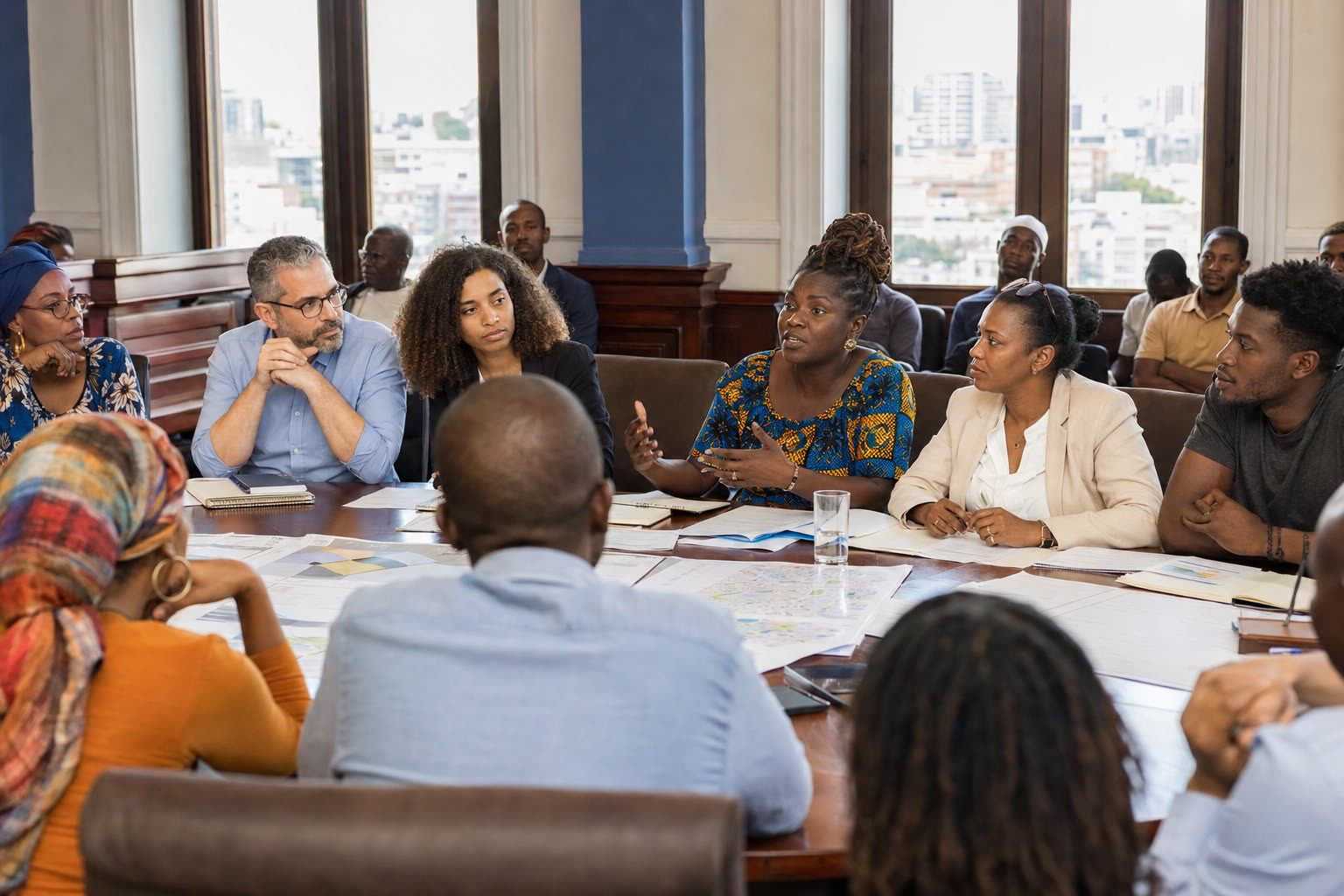
For the World Development Association, this assessment calls for an examination of the actual role of the SDGs in public decision-making. Their inclusion in strategies must be reflected in budgets, investments and monitoring mechanisms.
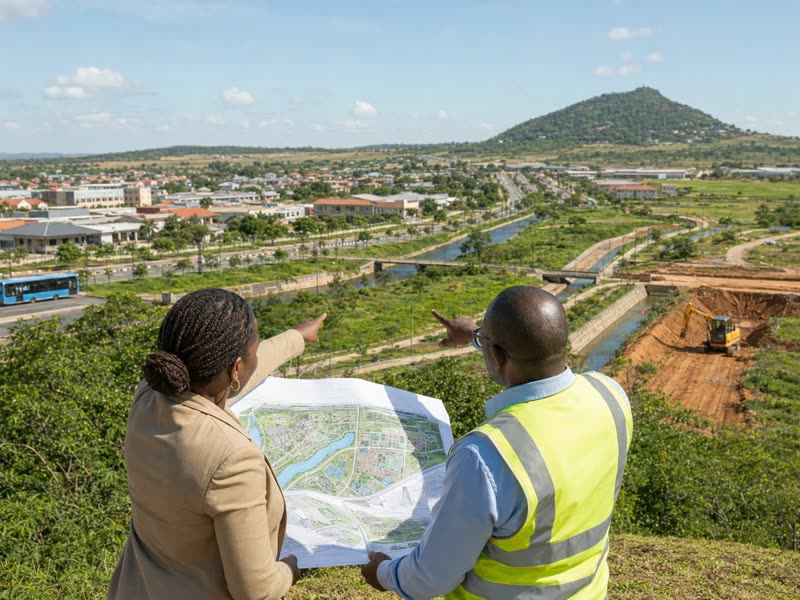
Three priorities must guide the remaining years: funding solutions with proven results whilst adapting them to specific contexts; channelling more resources towards underserved populations; and integrating the operation, maintenance and crisis resilience of projects right from the design stage.
This responsibility also extends to international partners. Predictable and affordable funding, access to technology and the strengthening of national capacities are essential to scaling up successes. The assessment must focus on the changes actually experienced, their distribution and their duration.
The eleventh anniversary of the 2030 Agenda must not be limited to acknowledging how far we still have to go. Achievements provide reasons to act; delays make such action urgent. The promise of 2015 will be judged by our collective ability to extend progress to those who are still waiting for it, and to make it robust enough to endure.
Morgan CHOKI