












Without lasting peace, development remains fragile
Conflicts do not merely destroy lives and infrastructure: they weaken public services, disrupt economies and permanently undermine societies’ ability to progress. When insecurity persists and impunity undermines institutions, reconstruction alone is no longer enough to guarantee a sustainable future. At the 81st United Nations General Assembly, a clear imperative is emerging: to protect populations, consolidate peace and preserve the very conditions for development.
Strengthening peace and security is among the priorities announced for this 81st session. This ambition raises a question that runs through the entire 2030 Agenda: how can the Sustainable Development Goals be achieved when the conditions necessary for their realisation are under constant threat?
The challenge concerns both the achievements to be safeguarded and the opportunities for the future. A society can lose not only its infrastructure, but also its skills, its capacity to organise public services and the trust necessary for community life. Peace protects development efforts; security enables their implementation; justice contributes to their legitimacy.
Conflicts undermine development far beyond mere destruction
Lives turned upside down, essential services disrupted
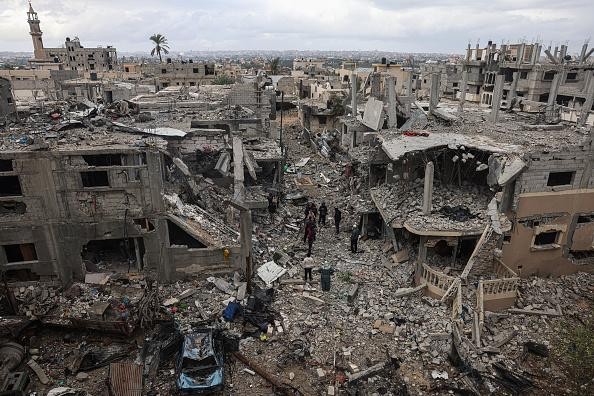
The consequences of an attack do not end with the destruction of a building. A damaged electricity network can disrupt water pumping, hospital operations and food preservation. The departure of skilled professionals exacerbates these disruptions and complicates the restoration of services.
The International Committee of the Red Cross emphasises that these effects are cumulative and can persist for years, or even decades, after the fighting has ended. They affect health, education and livelihoods, far beyond the immediately visible losses.
Insecurity also changes everyday behaviour. Families stop travelling, children drop out of school and farmers abandon their livelihoods. Sexual violence, trauma and family separations create additional needs for protection and support that weakened institutions struggle to meet.
According to the UNHCR, 117.8 million people were forcibly displaced by the end of 2025, due to persecution, conflict, violence, human rights violations or events seriously disrupting public order.
These displacements also place a strain on the capacities of host communities. Without sufficient support for schools, healthcare, housing and water, the needs of new arrivals and those of host communities risk coming into conflict. International solidarity must ensure that the needs of both are met.
Economies and territories rendered permanently vulnerable
Violence reduces production, disrupts trade and deters investment. When incomes and public revenues fall, governments have fewer resources to meet needs that are, in fact, growing.
In an analysis published in 2025, the World Bank estimates that, five years on from high-intensity conflicts, per capita GDP is generally around 20 per cent lower than pre-conflict projections. This gap reveals the scale of lost economic opportunities.
Environmental damage exacerbates this vulnerability. Soil and water contamination, the degradation of ecosystems and the destruction of sanitation infrastructure can jeopardise health, agriculture and the liveability of areas. Analyses by the United Nations Environment Programme highlight the need to incorporate these consequences into the recovery process.
Finally, the effects extend beyond borders: disrupted trade routes, uncertain supplies and additional needs in neighbouring countries. Conflict prevention is therefore as much a matter of regional development as it is a responsibility towards the populations directly affected.
Lasting peace requires protection, justice and prospects for development
Impunity weakens institutions and perpetuates divisions
The cessation of hostilities is not enough to restore a community life based on trust. People may remain deprived of their land, exposed to threats or without recourse against the violence they have suffered.
Impunity therefore leaves a fundamental uncertainty: will rights actually be protected? It can encourage the repetition of abuses, reinforce power imbalances and alienate citizens from institutions.
The Global Report on SDG 16, published in September 2025 by the UNDP, the UNODC and the Office of the United Nations High Commissioner for Human Rights, highlights the links between weak rule of law, corruption, the illicit trade in arms and conflict.
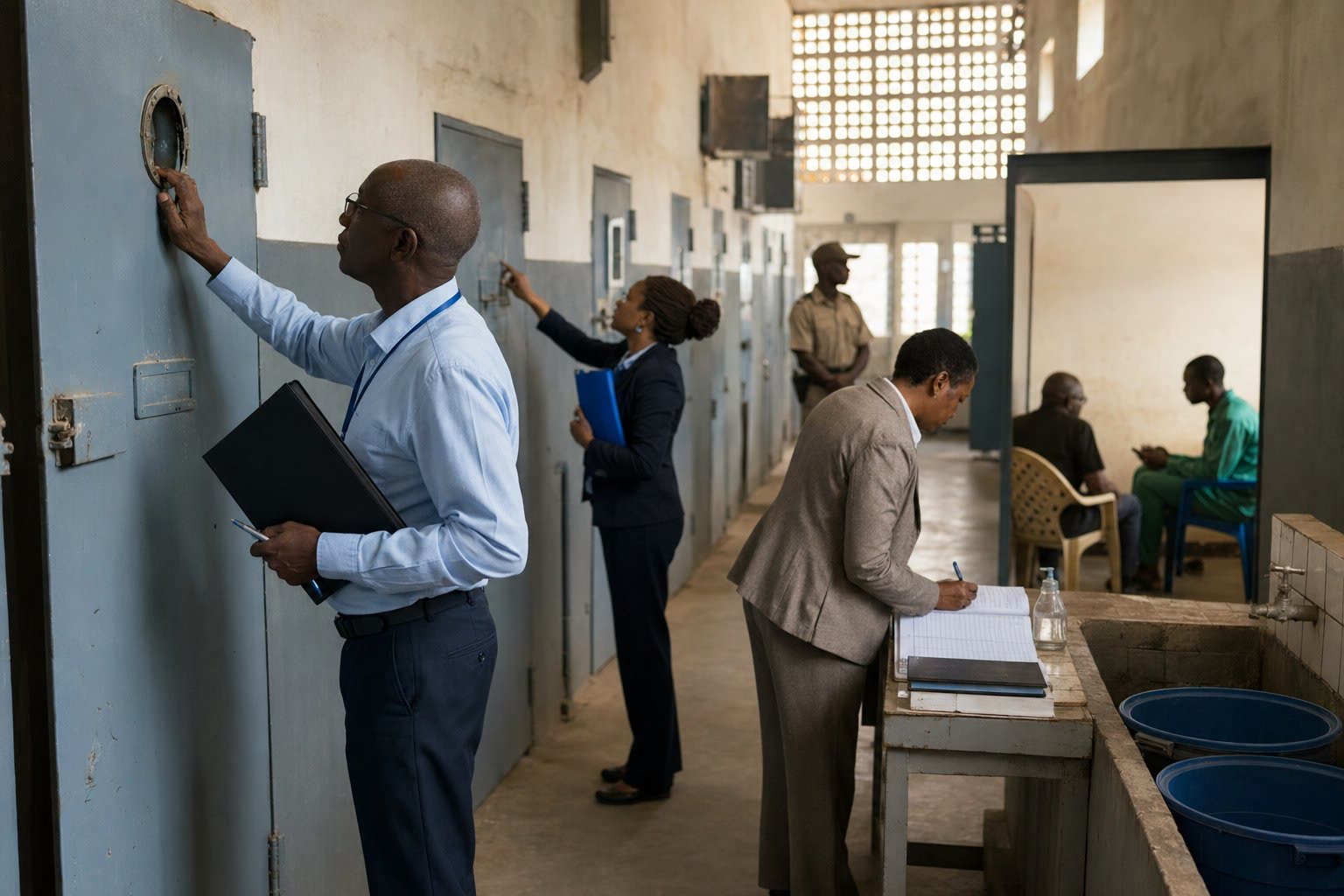
Making peace credible therefore requires making justice accessible. This callsfor independent investigations, fair trials, the protection of victims and witnesses, and appropriate reparations. The acknowledgement of harm and institutional reforms must help to prevent its recurrence.
This requirement also applies to security institutions. Their effectiveness must go hand in hand with respect for rights and oversight mechanisms: an authority that protects inspires a trust that arbitrary power cannot establish.
Rebuilding the conditions for shared development
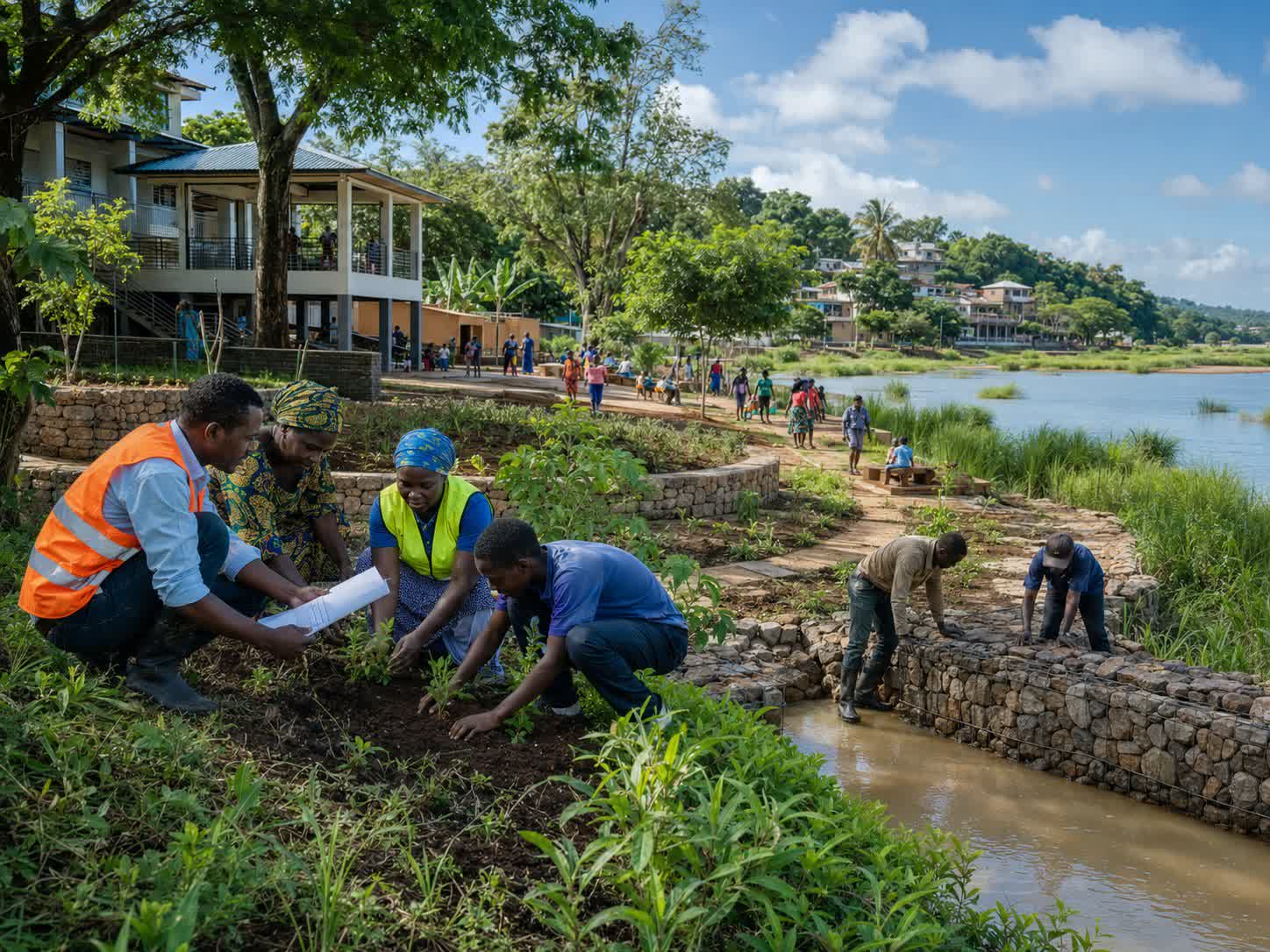
Recovery cannot wait for perfect stability. Maintaining education, restoring healthcare, supporting production and repairing essential infrastructure helps to preserve the capacities that are indispensable for emerging from the crisis.
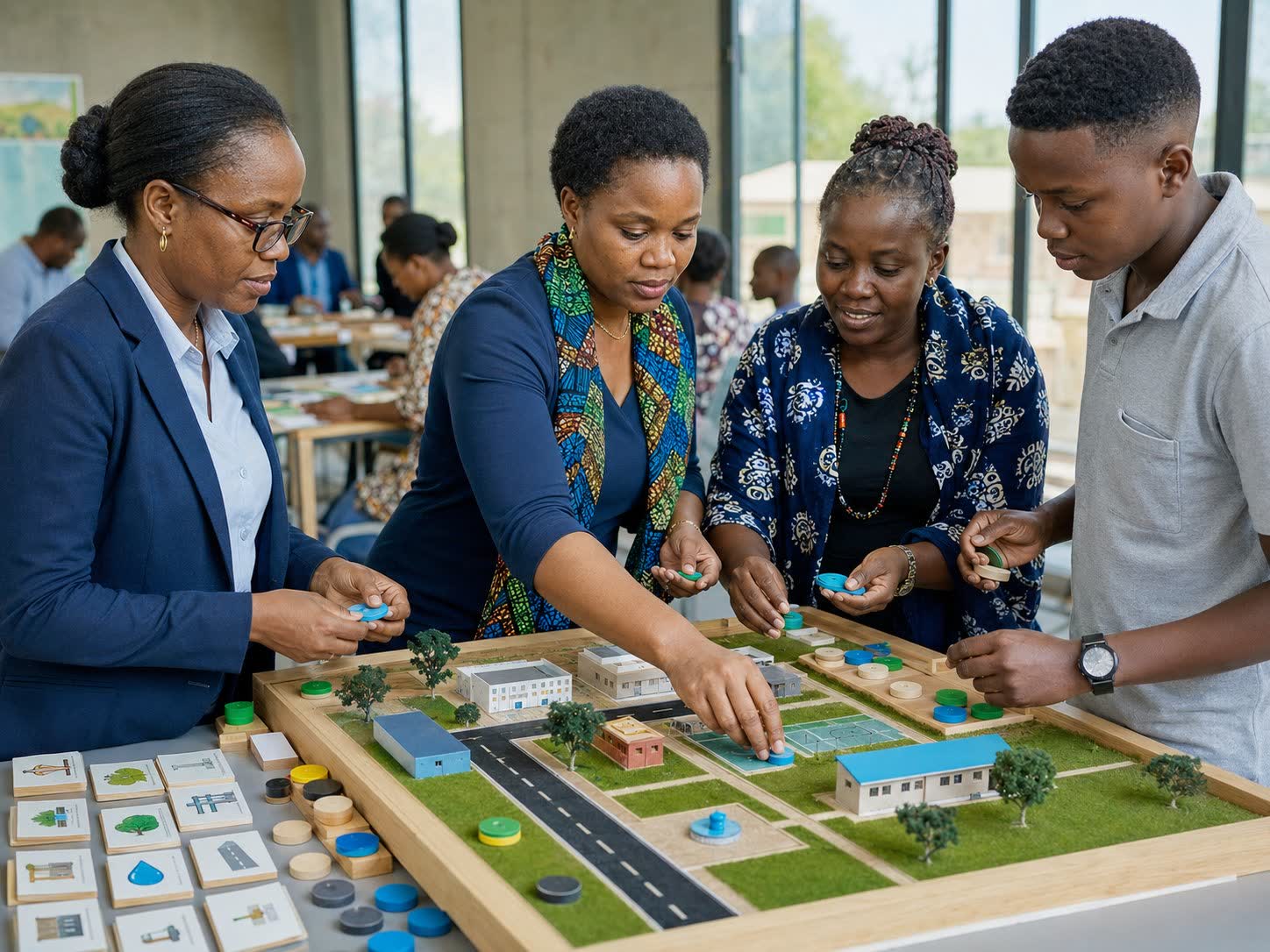
These interventions must go hand in hand with the search for political solutions, mediation and community participation. They must also avoid perpetuating territorial, economic or social exclusion, which can fuel tensions. Poverty does not automatically lead to violence; however, persistent injustices can undermine social cohesion.
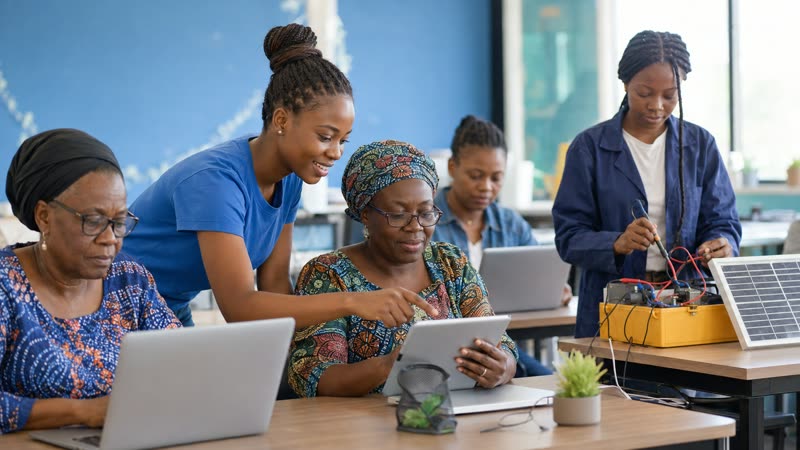
For the World Association for Development, this approach involves linking the protection of people to their opportunities to learn, work, participate and exercise their rights. Youth employment, women’s economic empowerment, equitable access to services and the quality of public administration all contribute to this reconstruction.
The WDA’s perspective thus focuses on the conditions for development that is at once achievable, inclusive and sustainable. Rehabilitating a school matters; enabling children to attend it safely, with high-quality teachers and learning opportunities, determines its real contribution.
In the context of the 81st General Assembly, this coherence must guide cooperation between States, international institutions and local actors. Humanitarian protection, the political resolution of conflicts, justice and development call for distinct responsibilities, but also for coordinated and sustained efforts over the long term.
Making peace a lasting reality requires that decisions on security and cooperation be assessed in terms of their impact on people’s rights, living conditions and future.
Morgan CHOKI