



























AT THE XWLACOME MARKET, THE AMD IS USING LITERACY AS A MEANS OF EMPOWERMENT FOR THE WOMEN AT THE MARKET


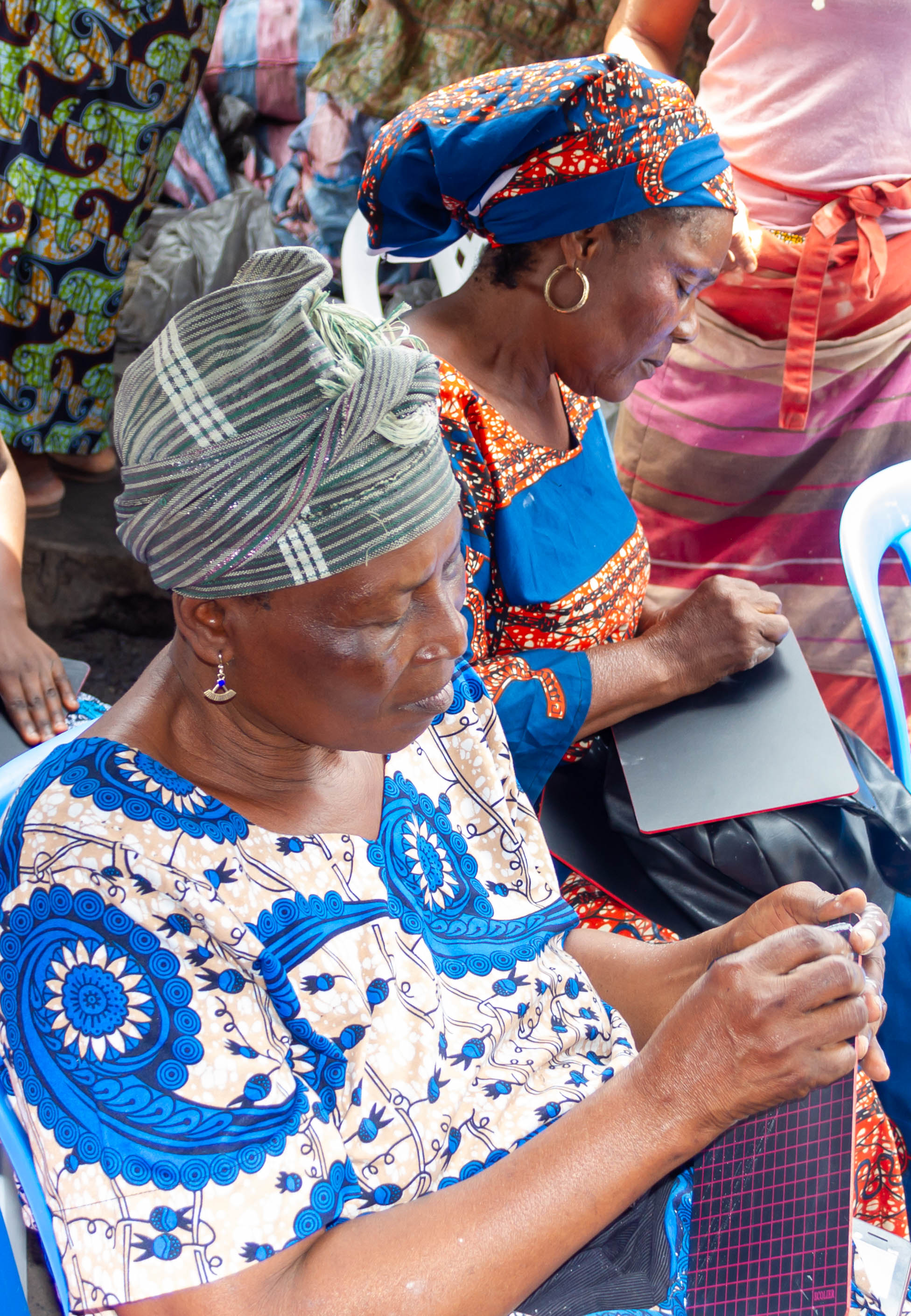
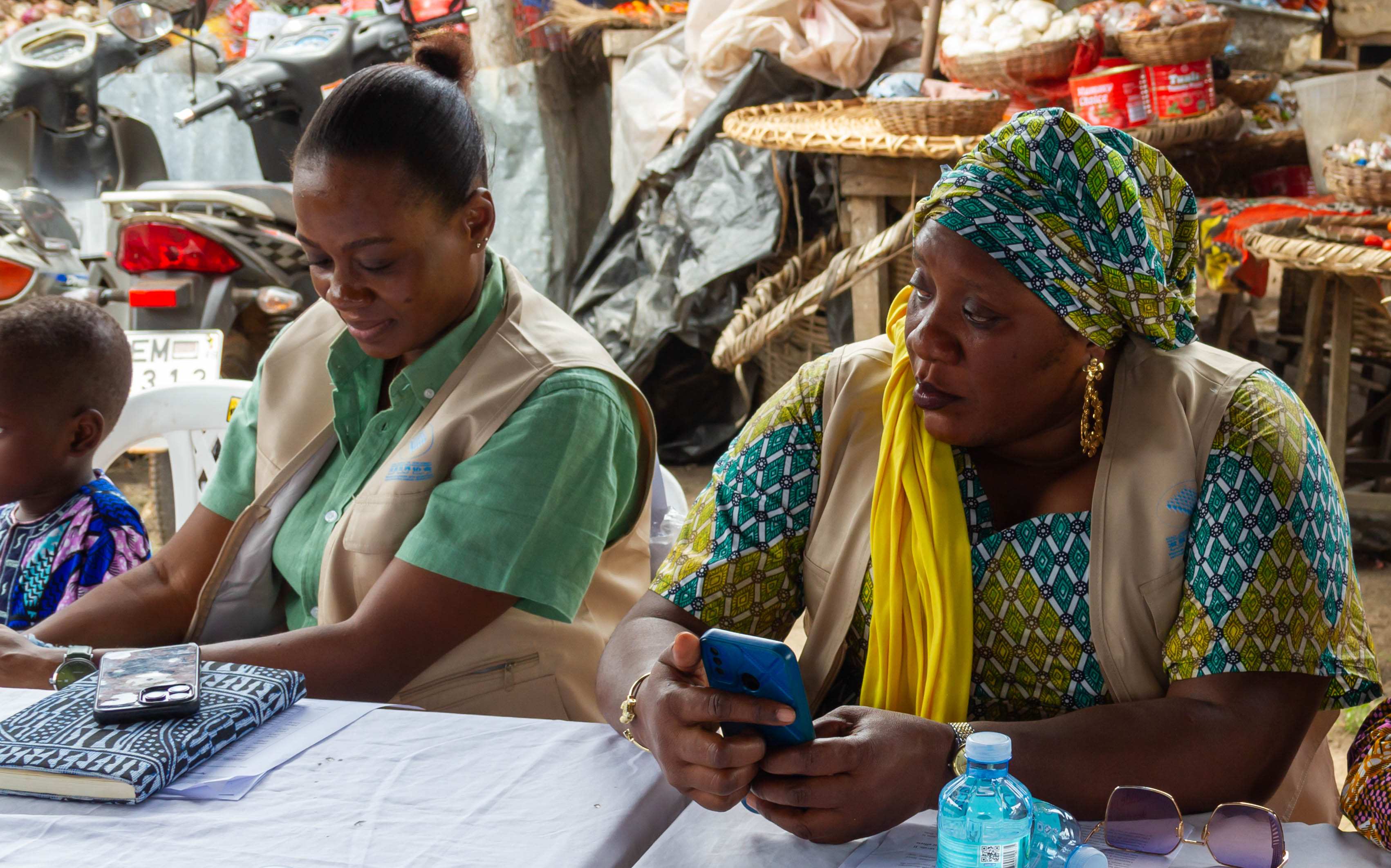
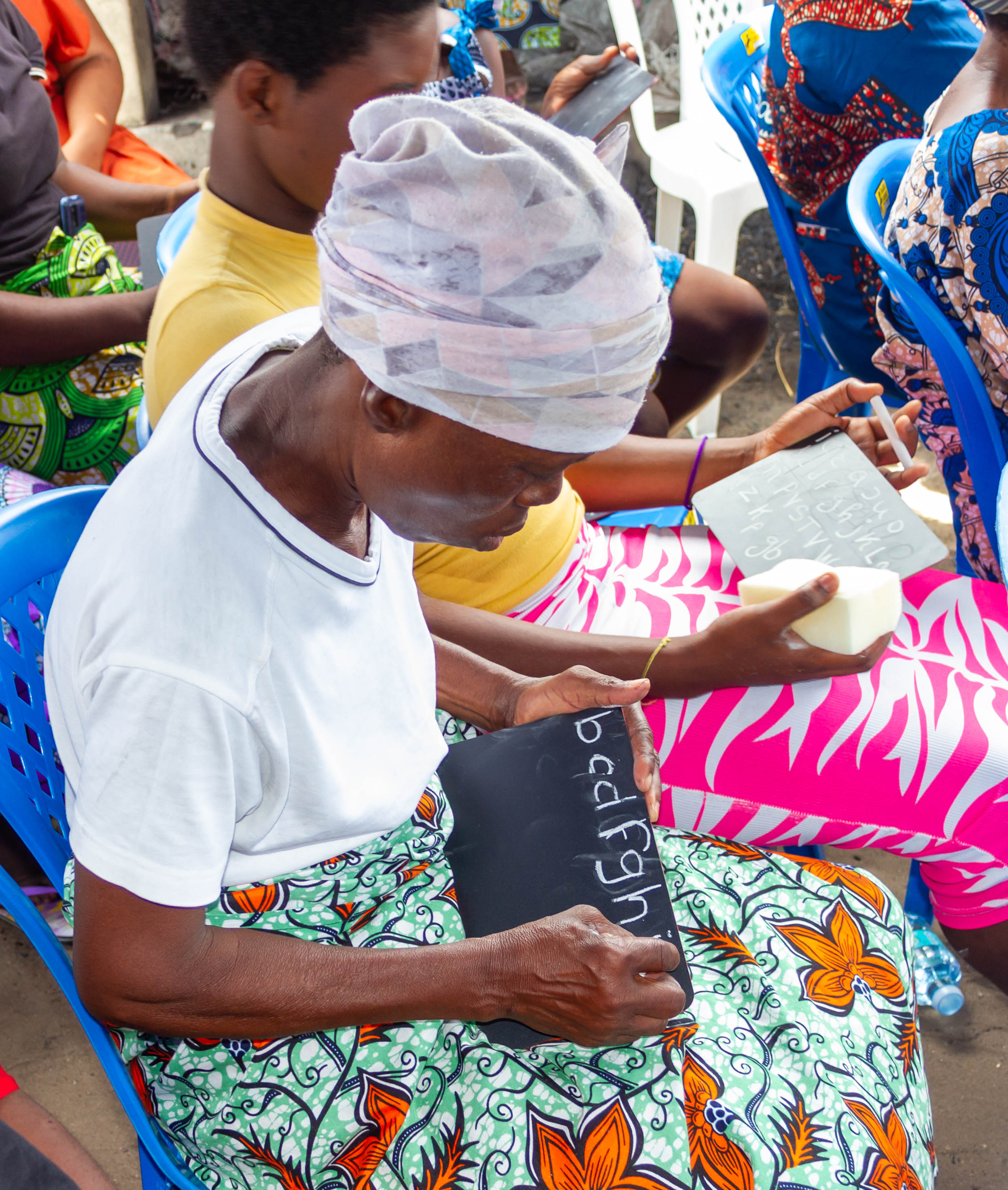
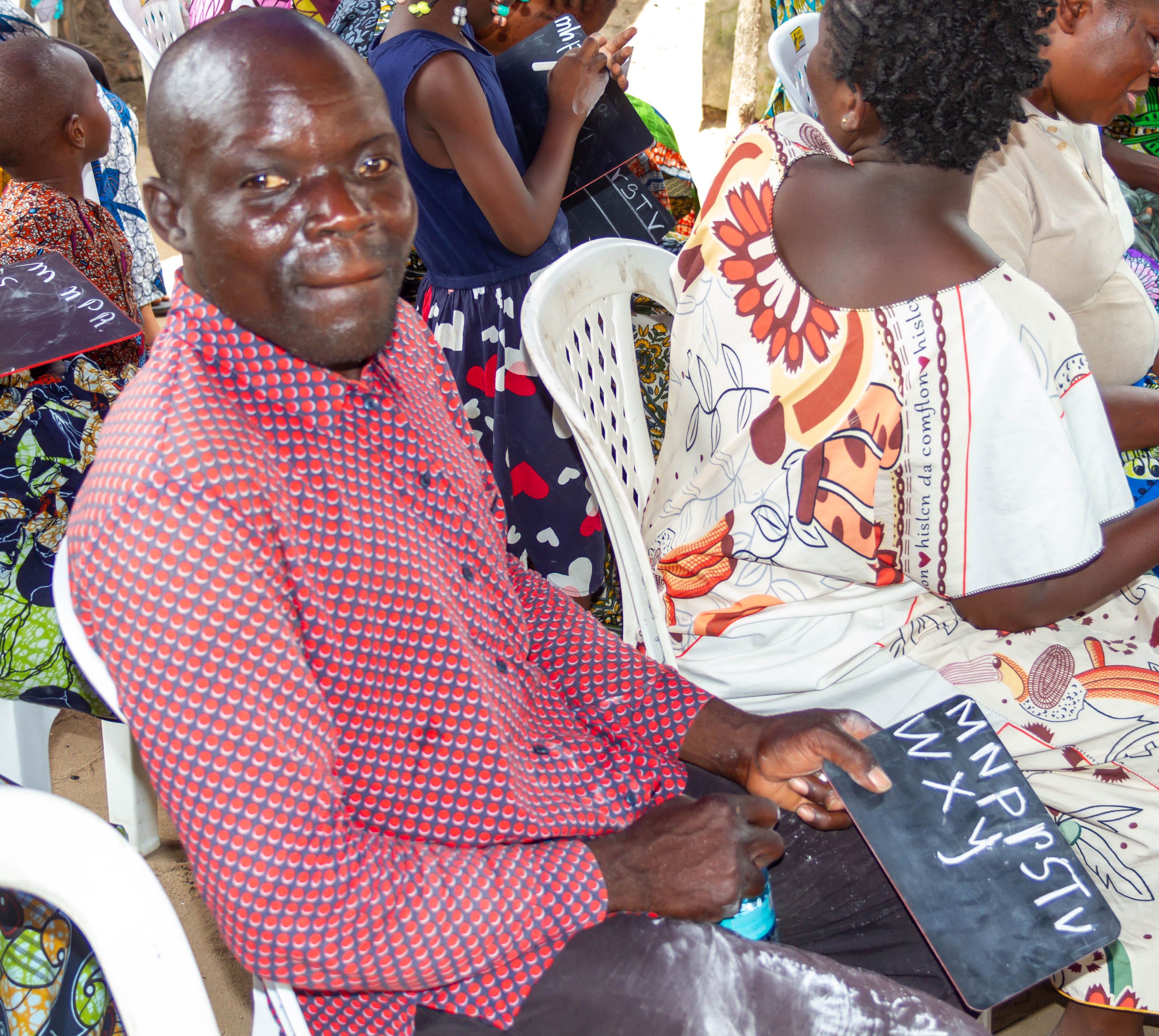
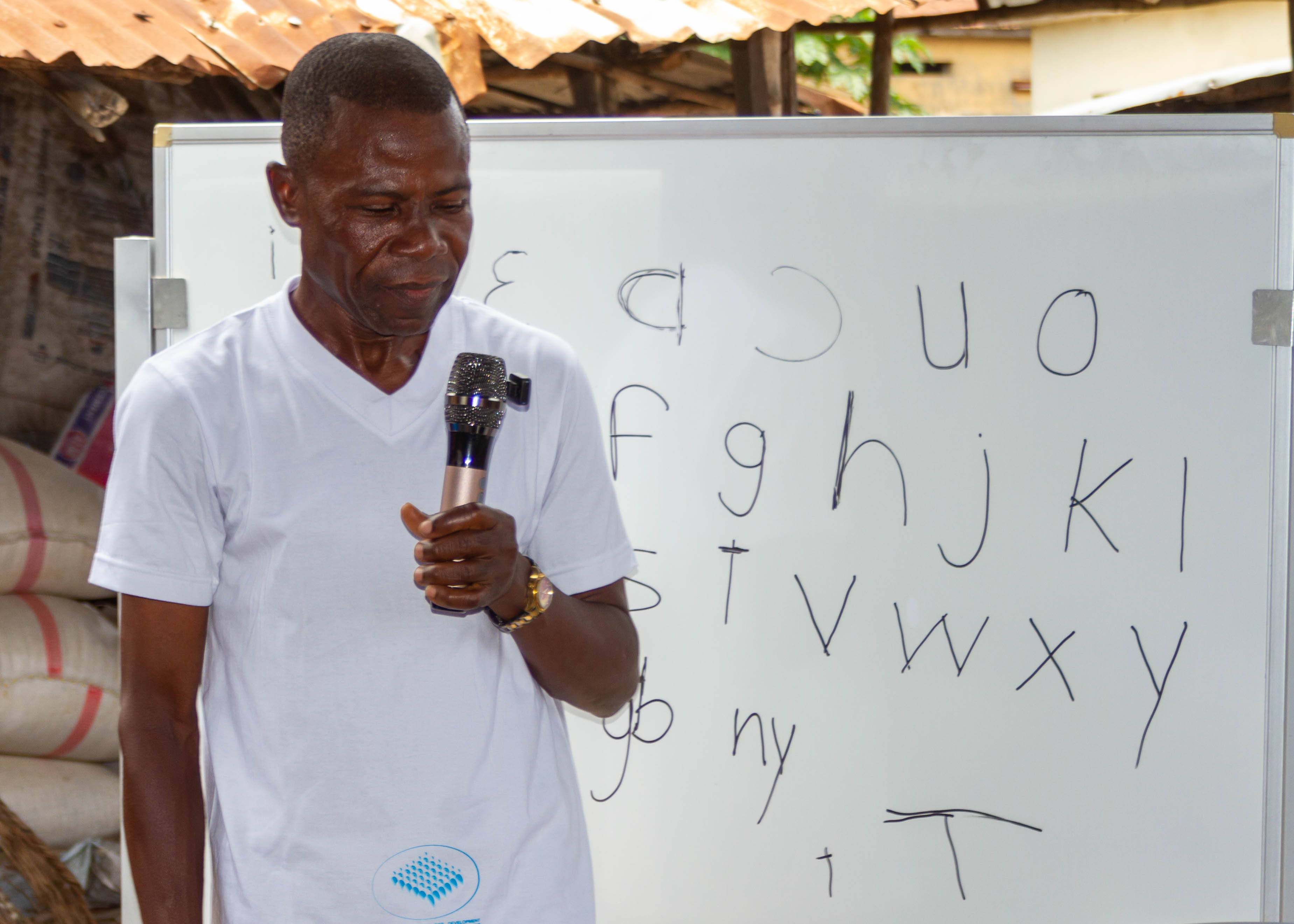
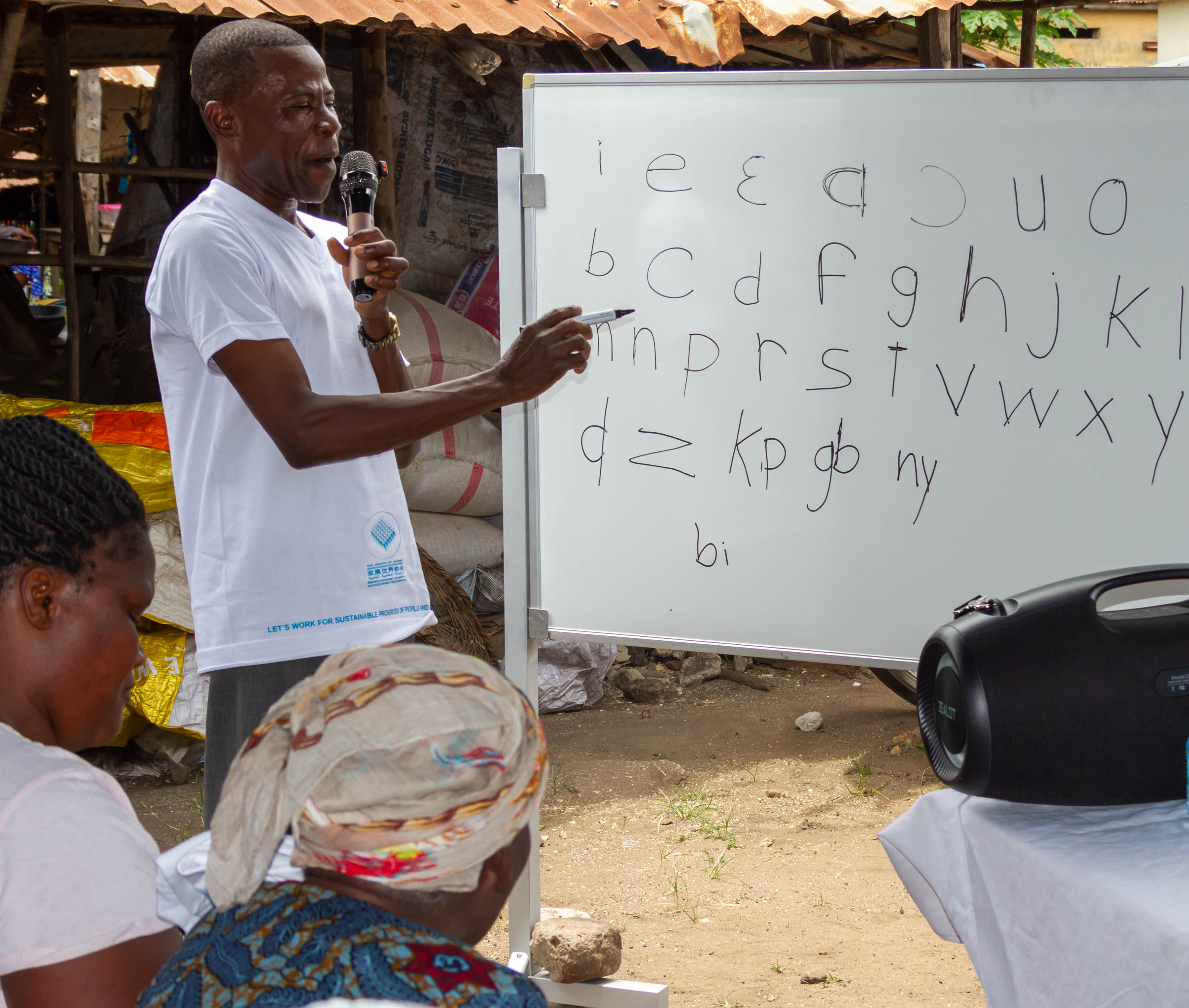
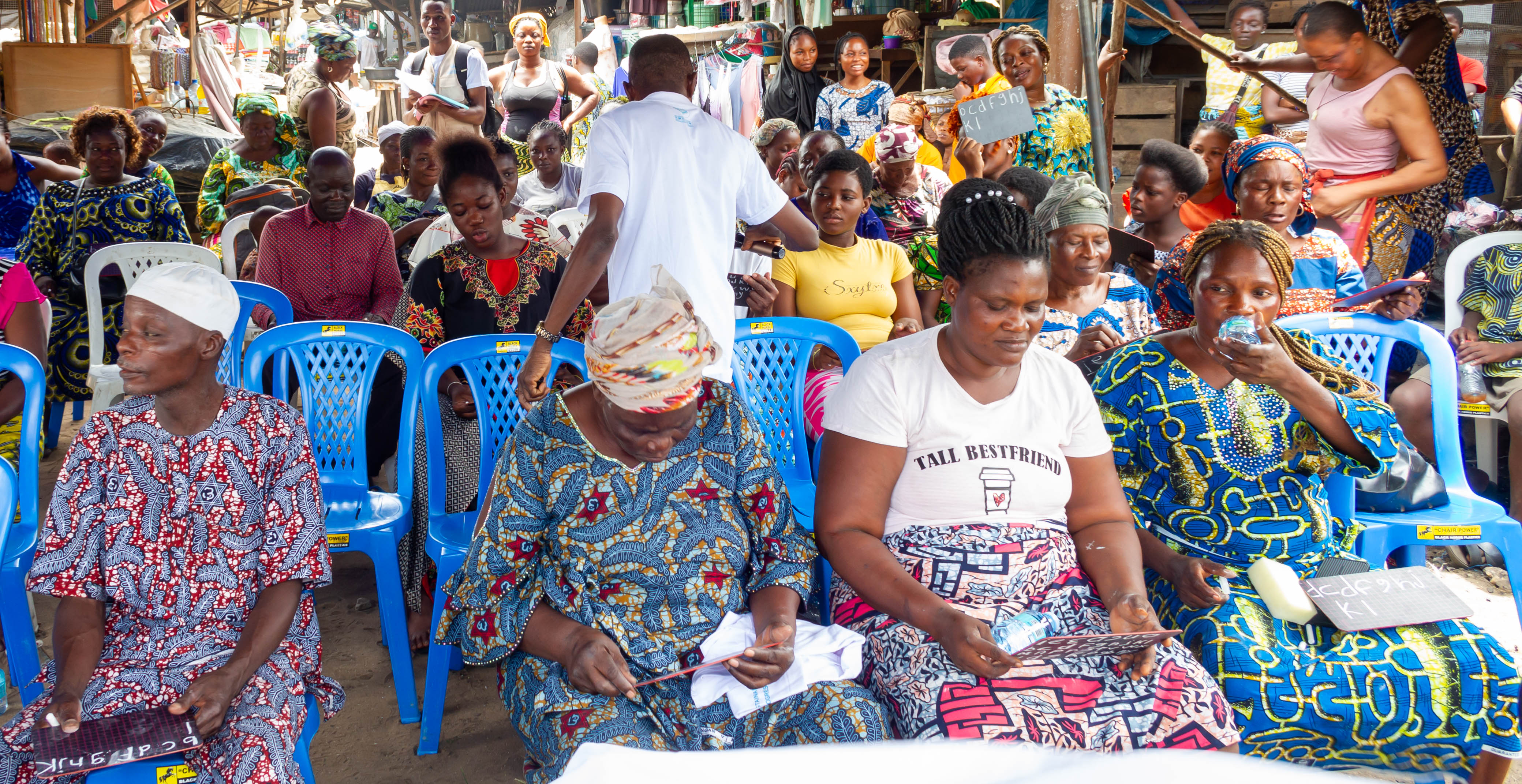
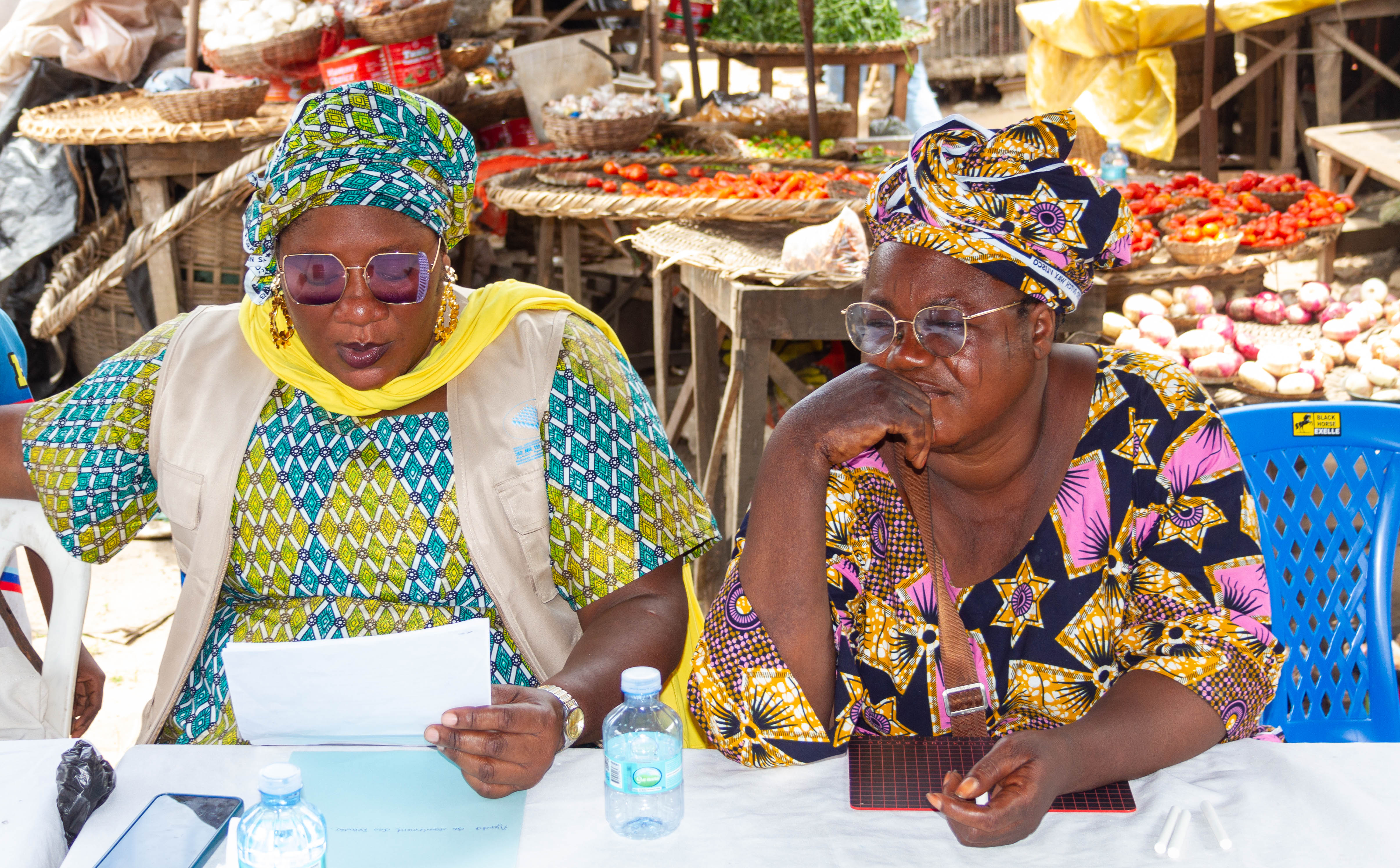
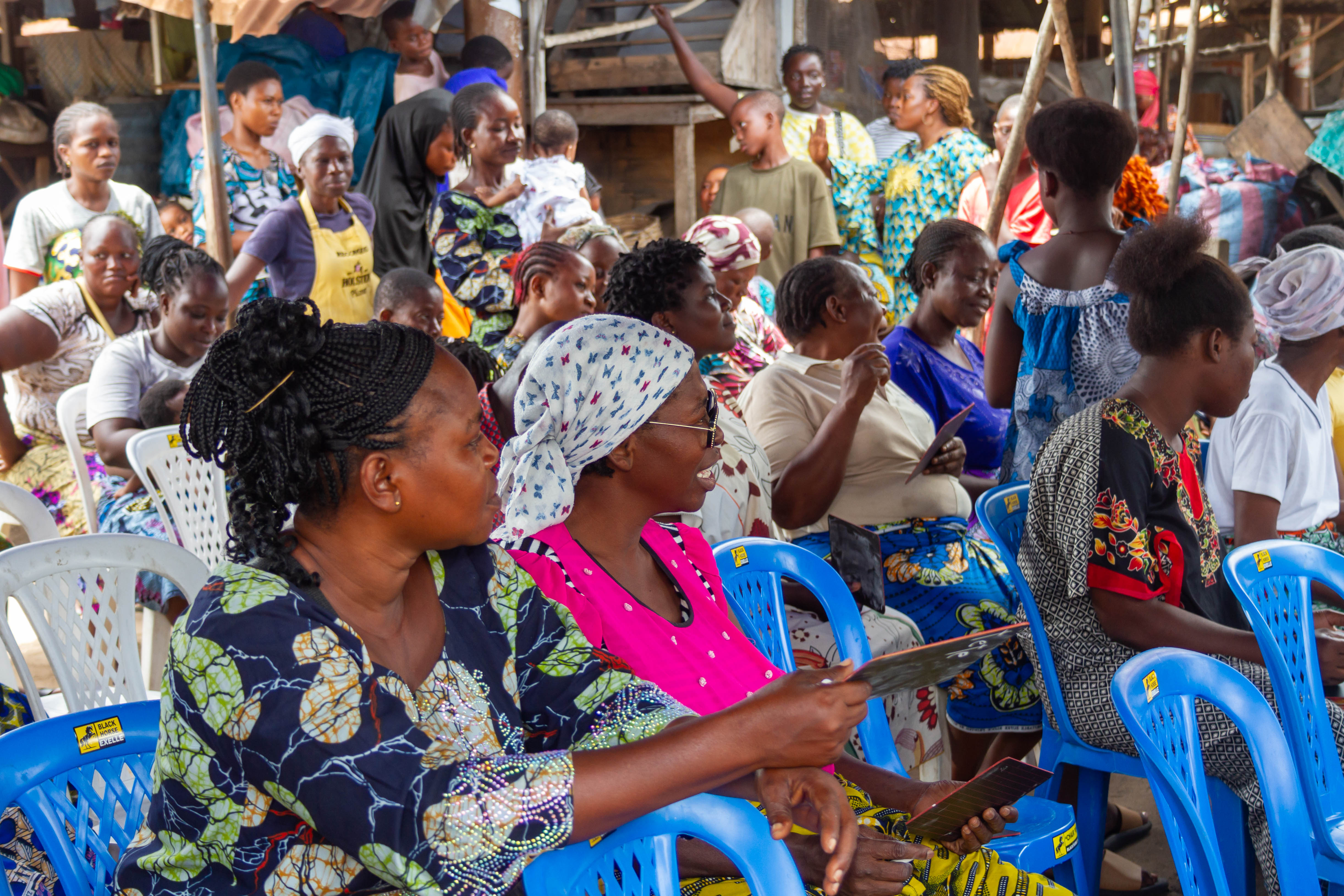
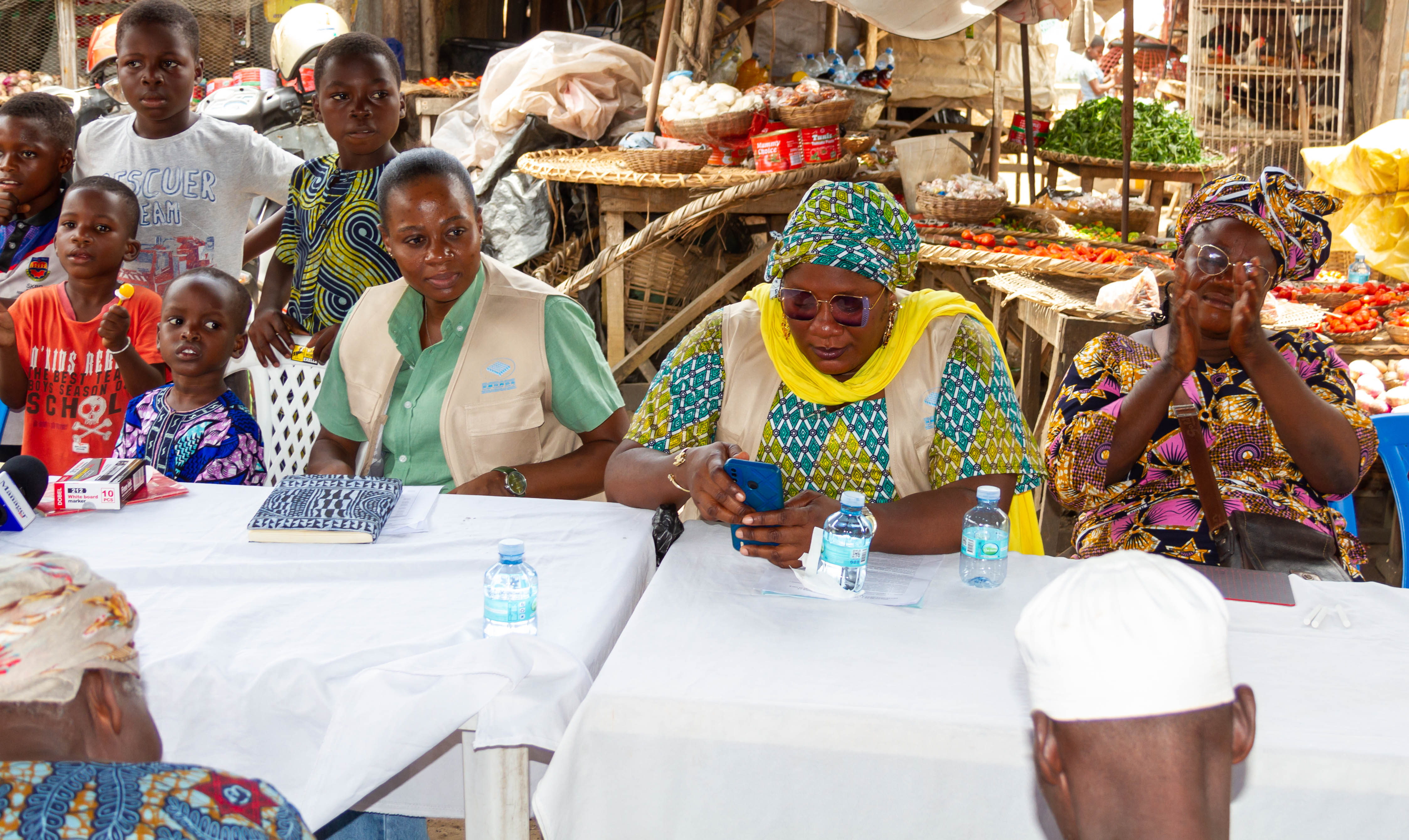
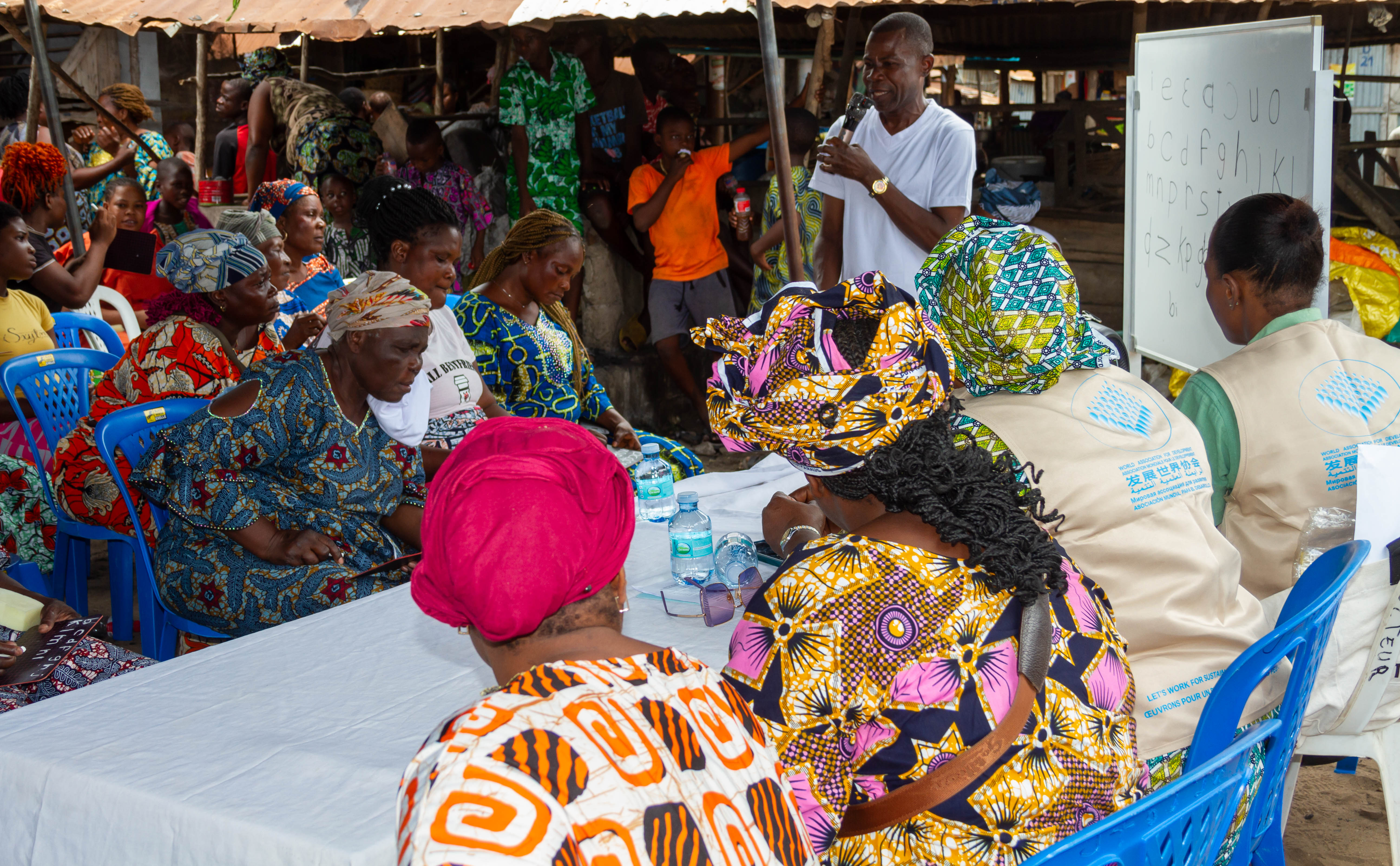
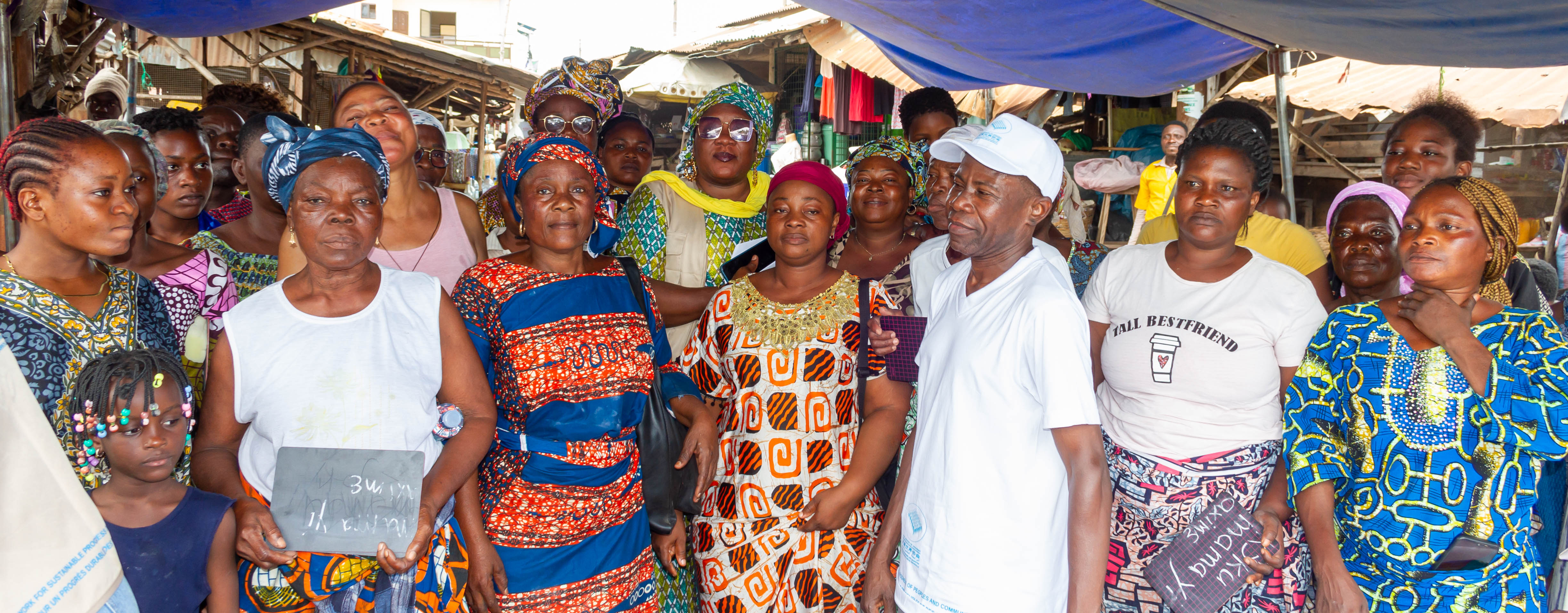
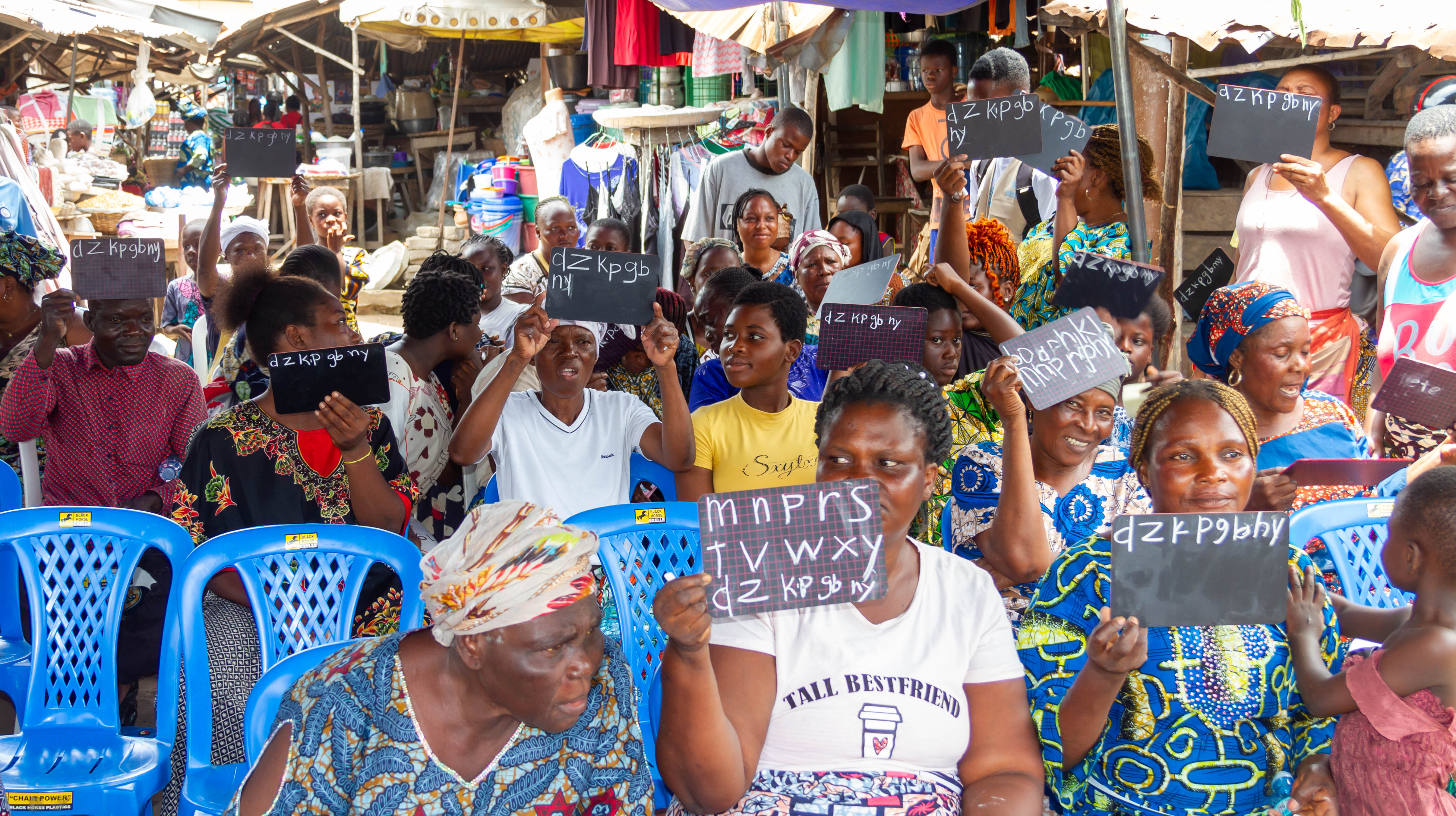
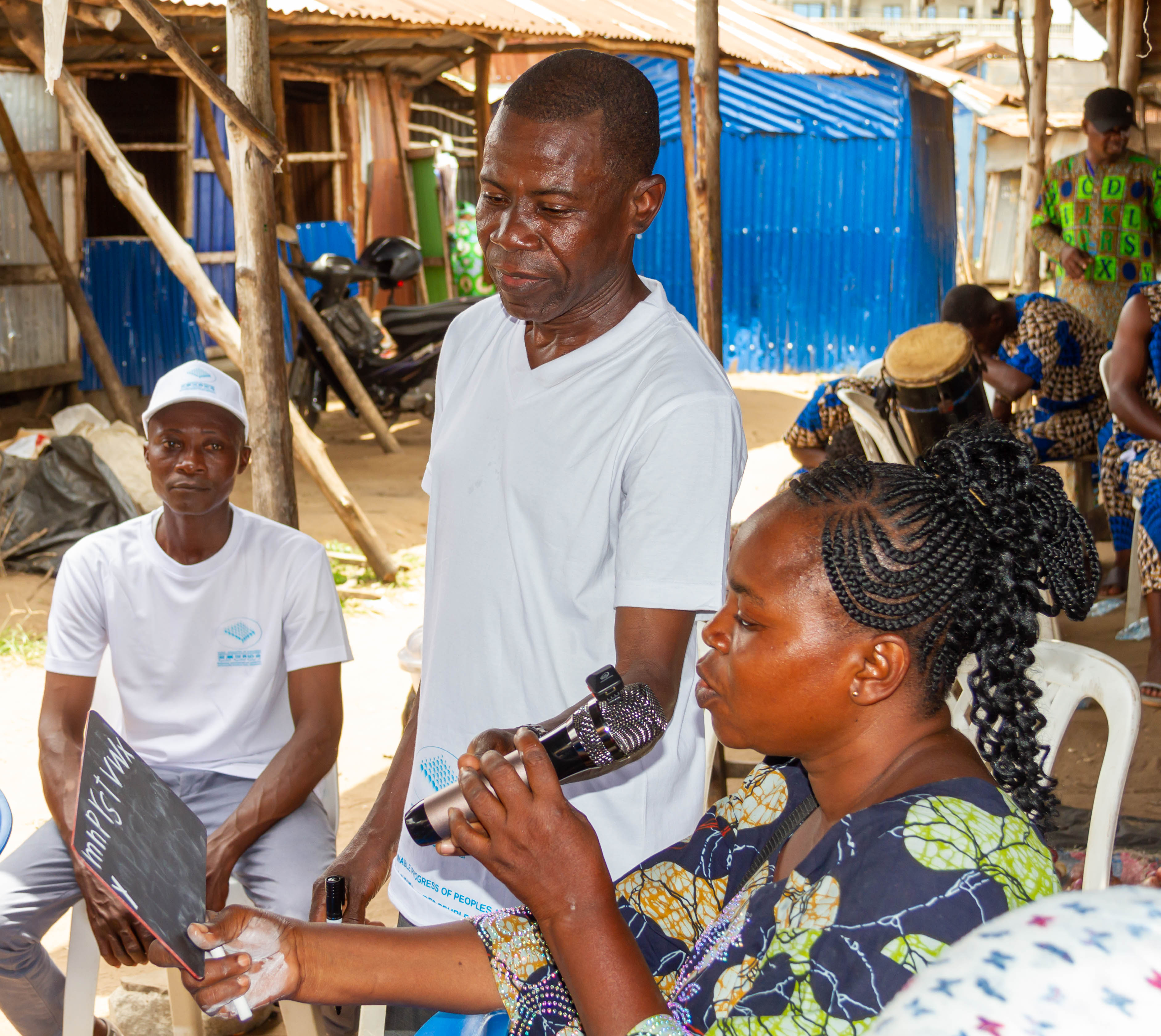
To mark the 60th anniversary of International Literacy Day,the World Association for Development (AMD) organised a public introductory class on 8 September 2026 to teach reading and writing in the Fon language to women at the Xwlacomè market in Benin.
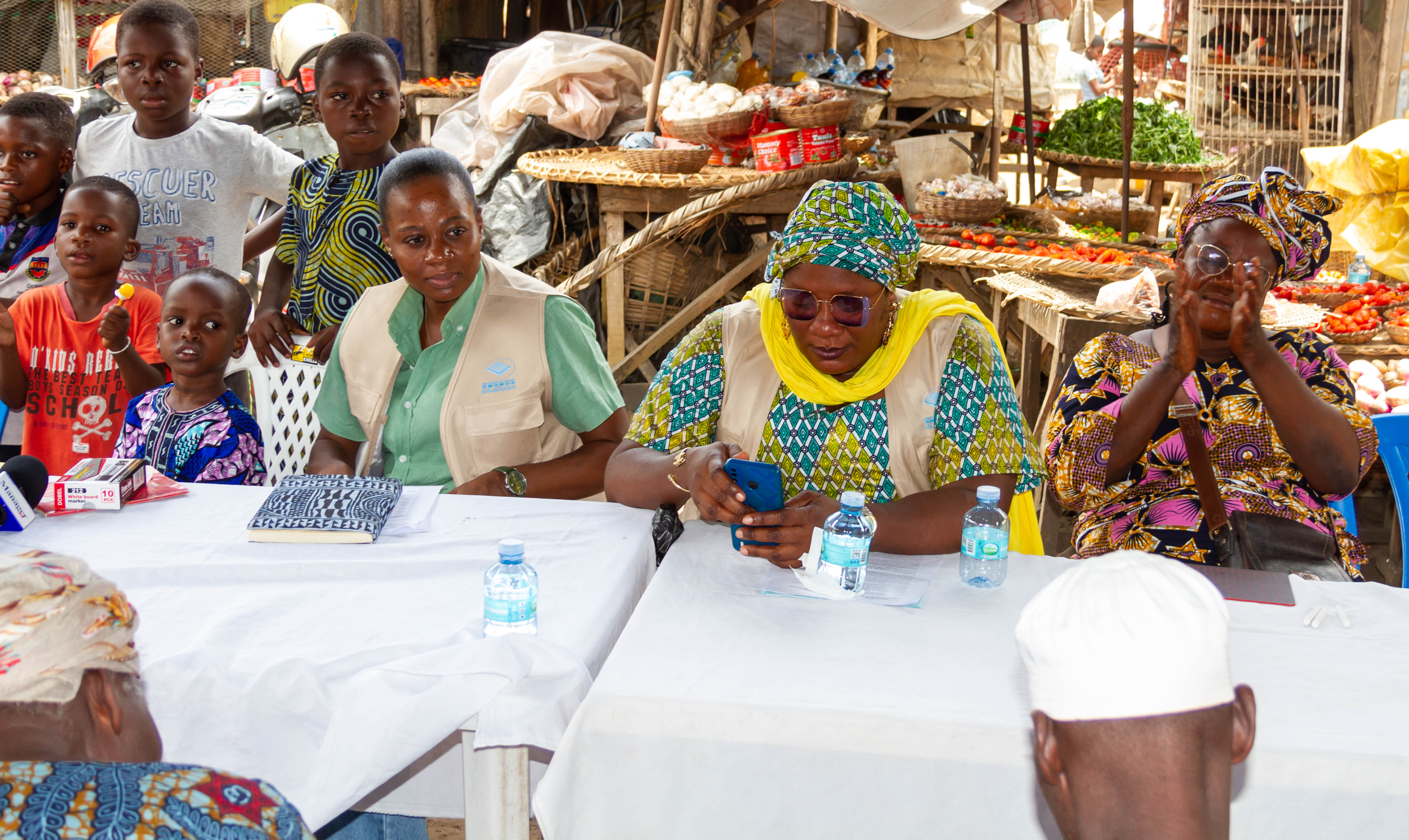
Under the theme ‘Literacy for People, the Planet and Prosperity’, this community-based initiative aimed to bring learning closer to the women’s workplace. The opening ceremony featured speeches by the AMD representative, the organisation’s global programme manager and the chair of the market women’s association.
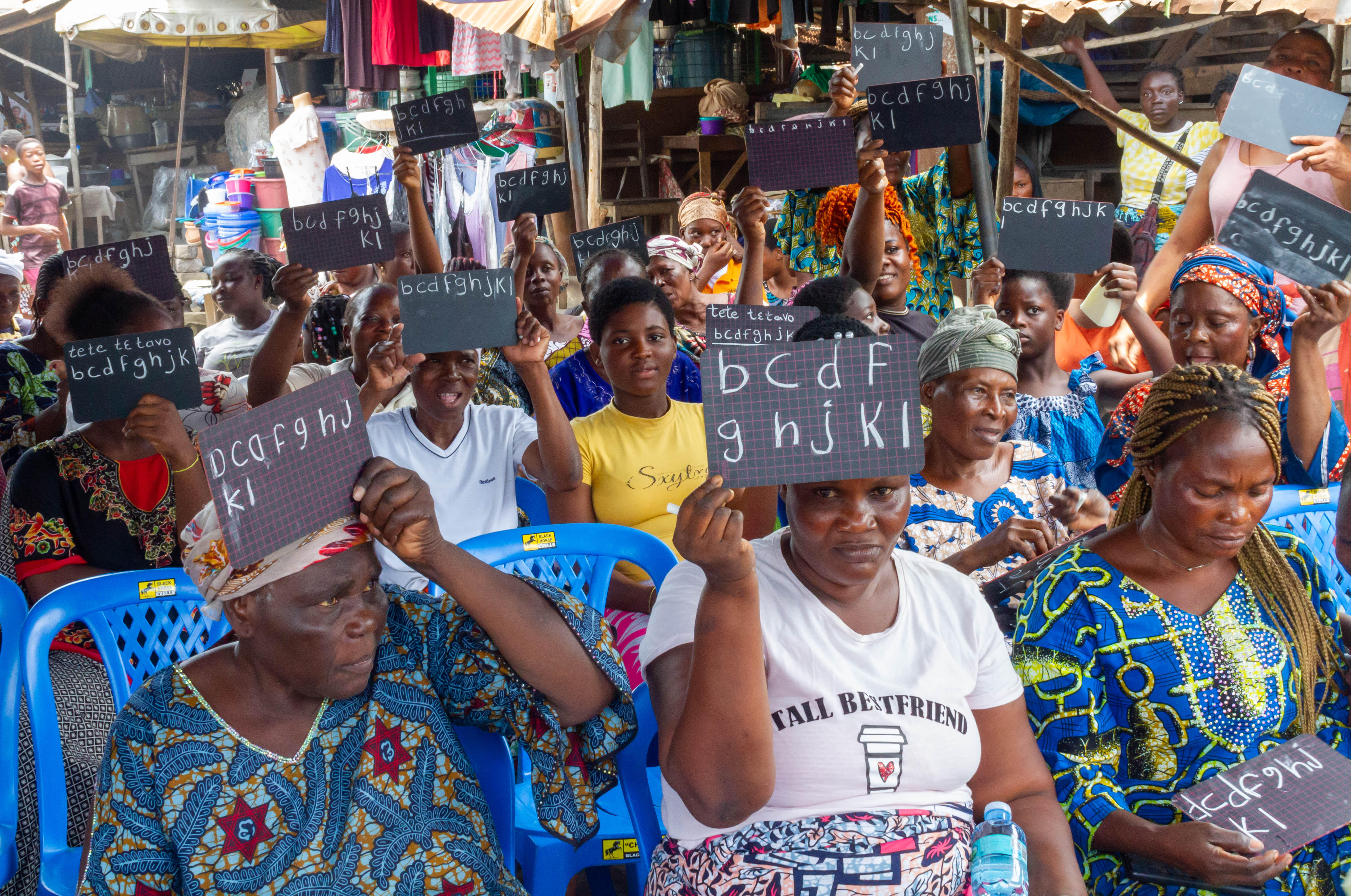
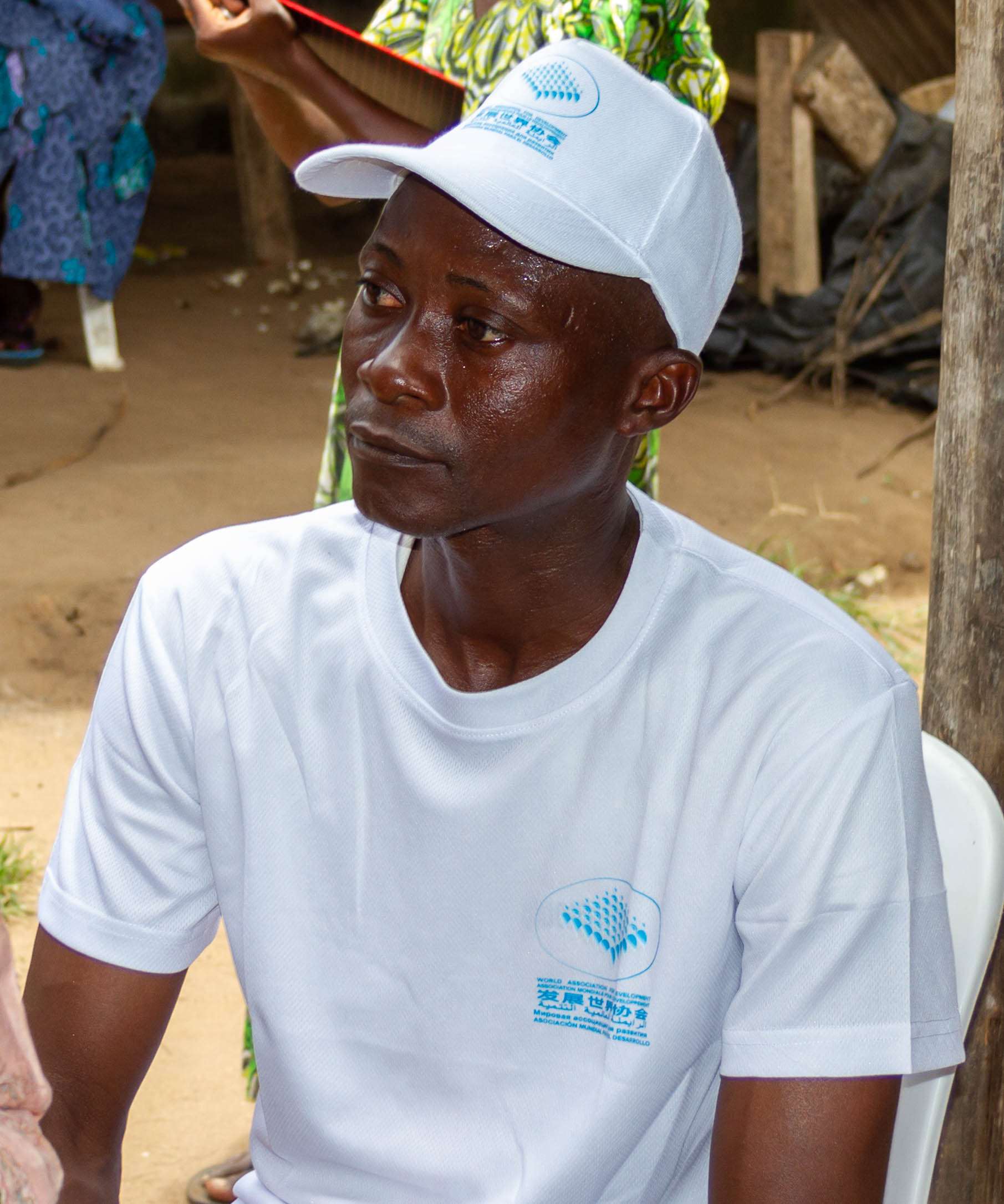
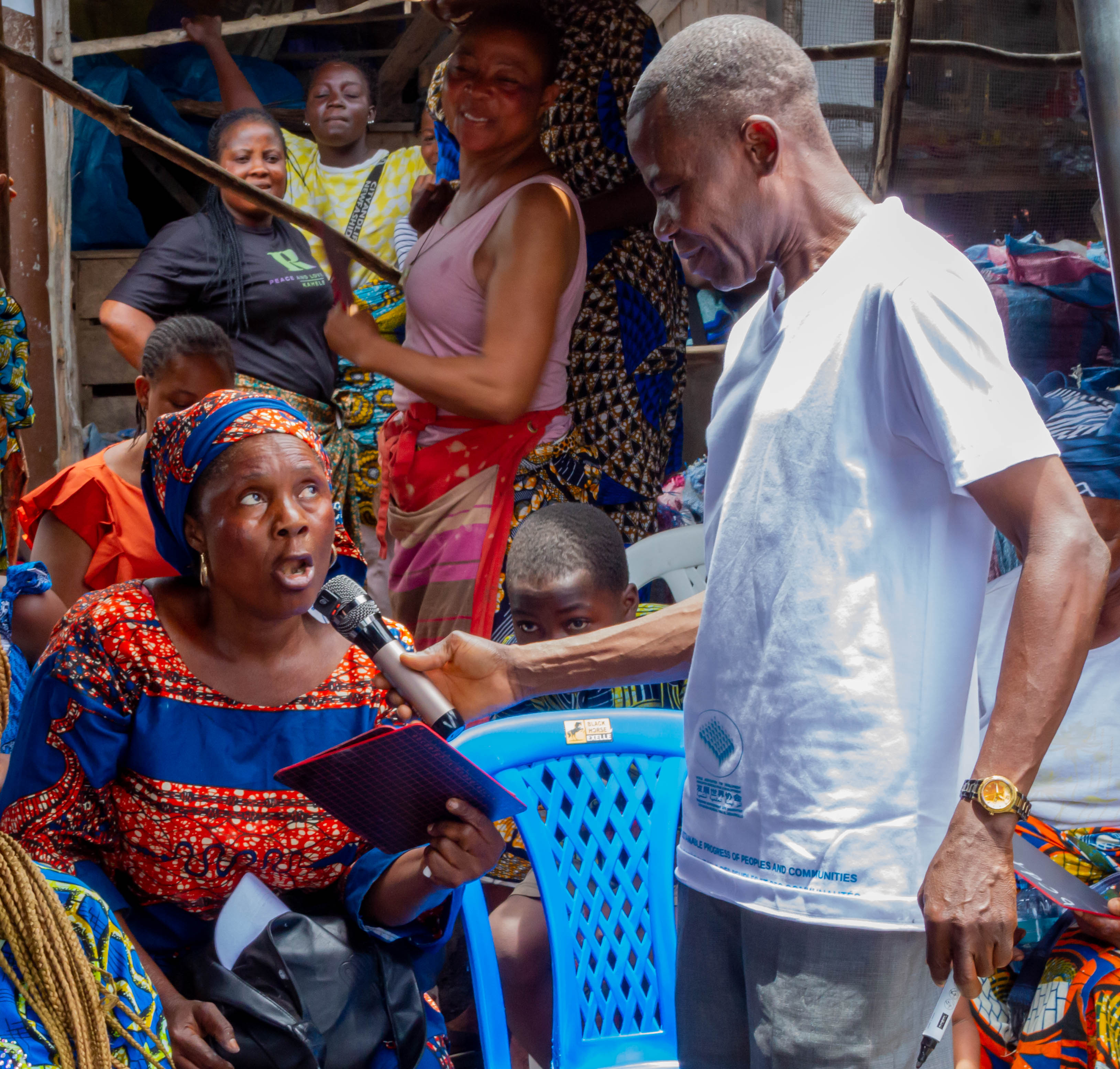
The teaching session focused on recognising, pronouncing and writing vowels and consonants in the Fon language. Equipped with slates, the market women copied the characters shown, took part in oral practice and answered questions from the literacy teacher. Their dedication and enthusiasm demonstrated the interest that can be generated by a practical, accessible method rooted in a familiar language. T-shirts and caps were presented, as a token of encouragement, to the women who stood out particularly for their commitment.
Beyond the exercises, the session provided a genuine space for listening. The women expressed a wish for similar classes to be organised regularly to enable them to understand and write in Fon more effectively. Several also mentioned that they were unaware of the existence of so many written resources in their language, the richness and learning potential of which they have now discovered.
The discussions also highlighted needs that go beyond the scope of literacy. In particular, the women raised the issues of building latrines, setting up waste collection schemes, improving lighting, access to microfinance solutions, and the refurbishment of the market. These concerns highlight the close links between learning, working conditions, safety and economic independence.
Through this public class, AMD emphasises that literacy is not limited to the acquisition of academic knowledge. It provides women with additional means to access information, exercise their rights, safeguard their livelihoods and empower themselves.