



























Capacity-building for women at the CNSS
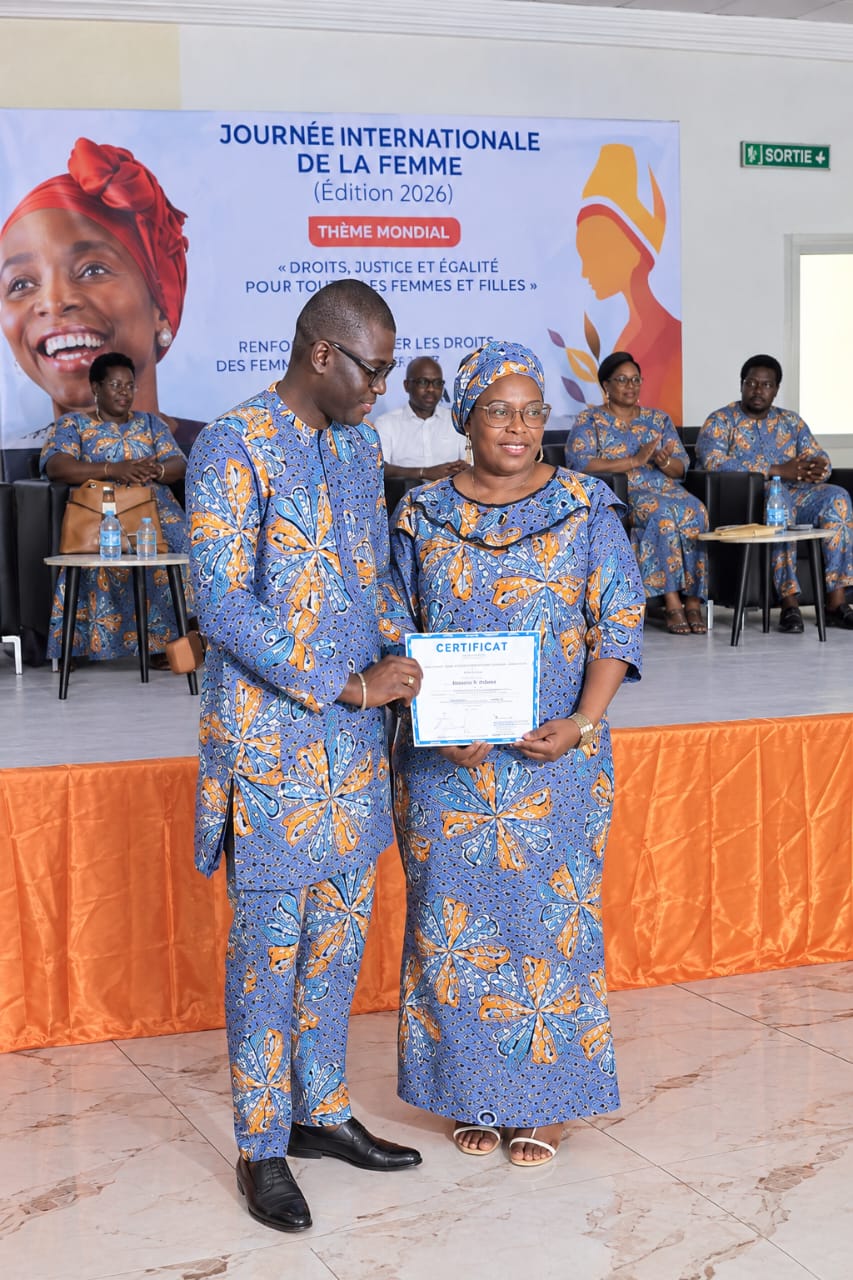
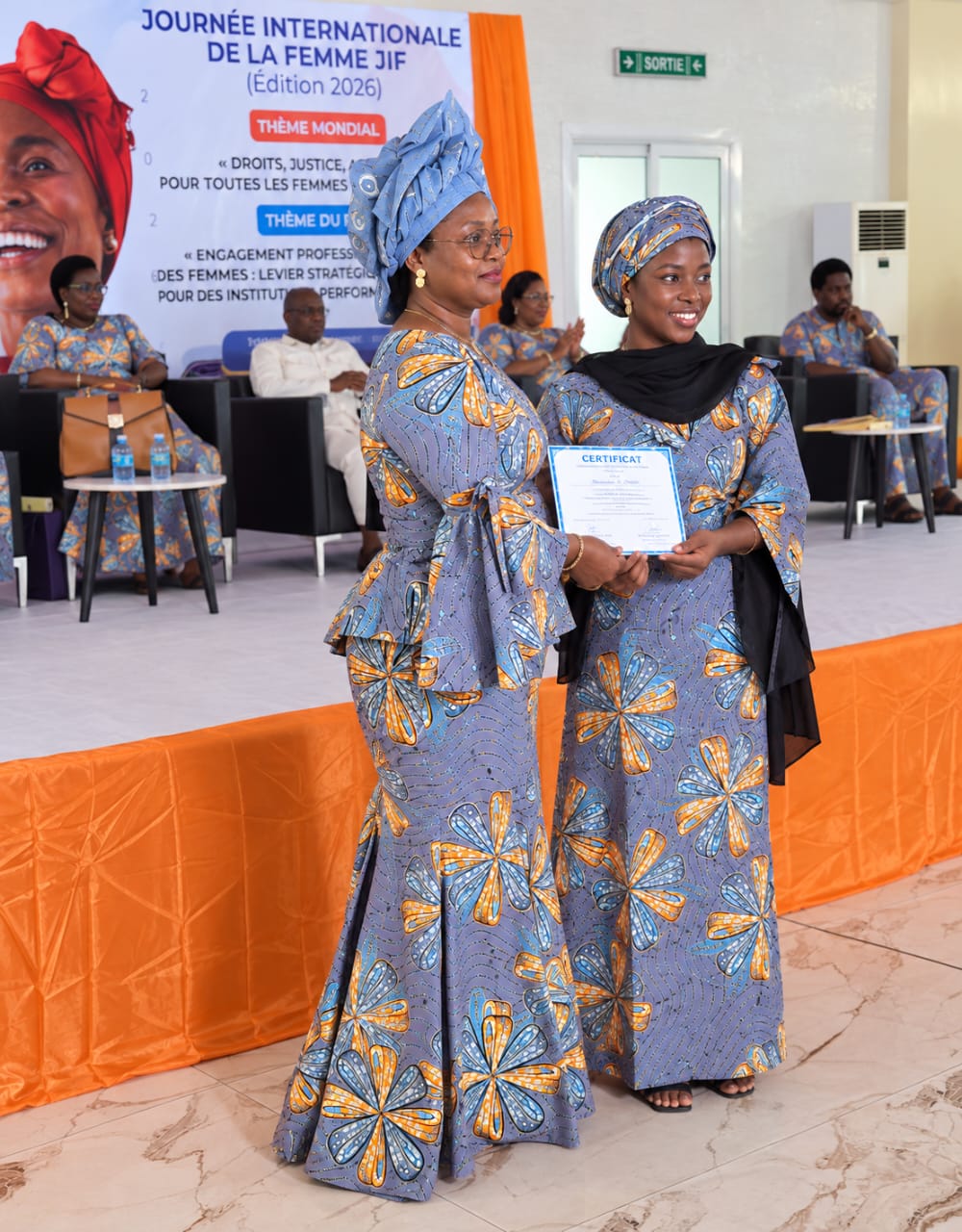
The AMD is investing in women’s skills to strengthen institutional performance and support more inclusive growth
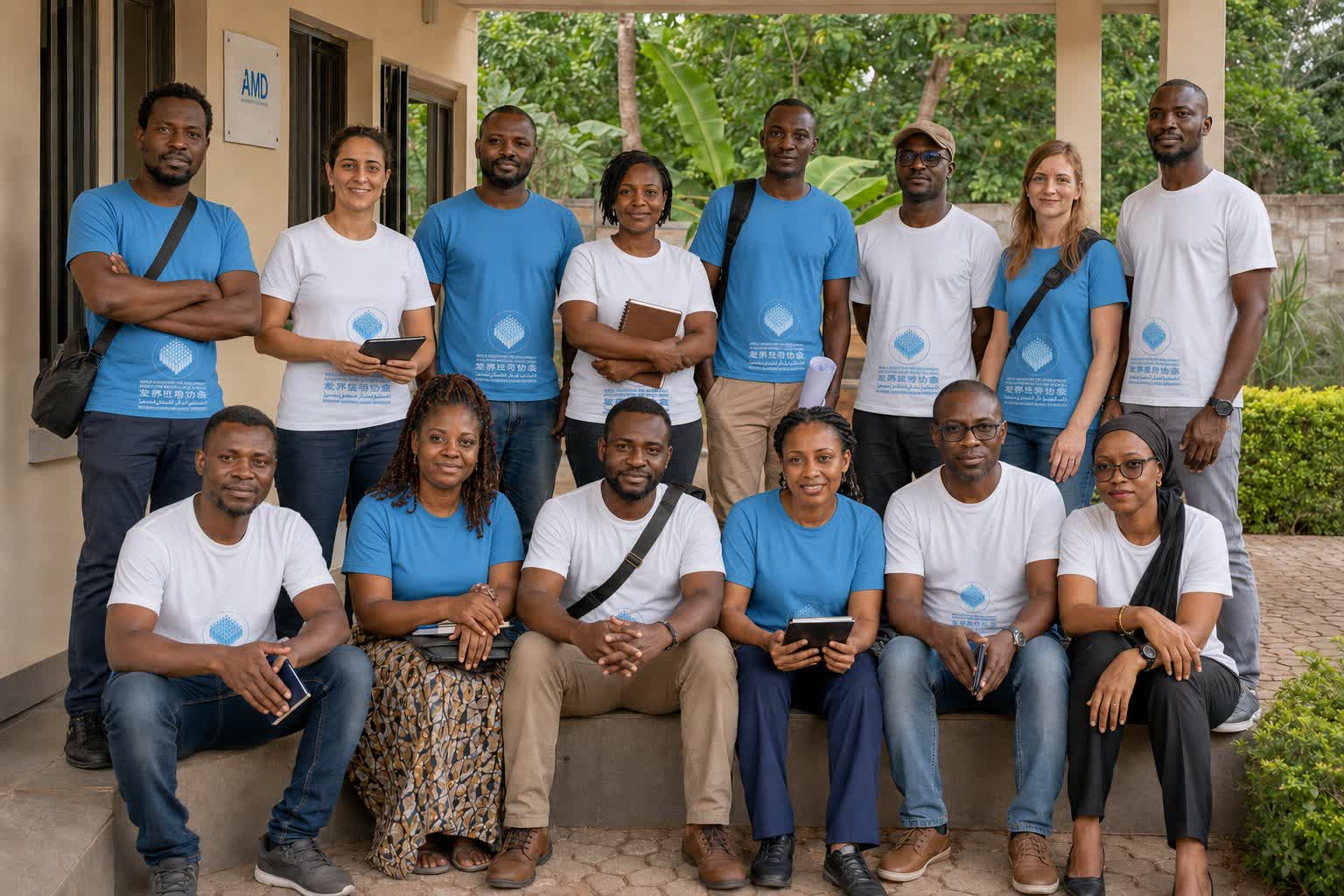
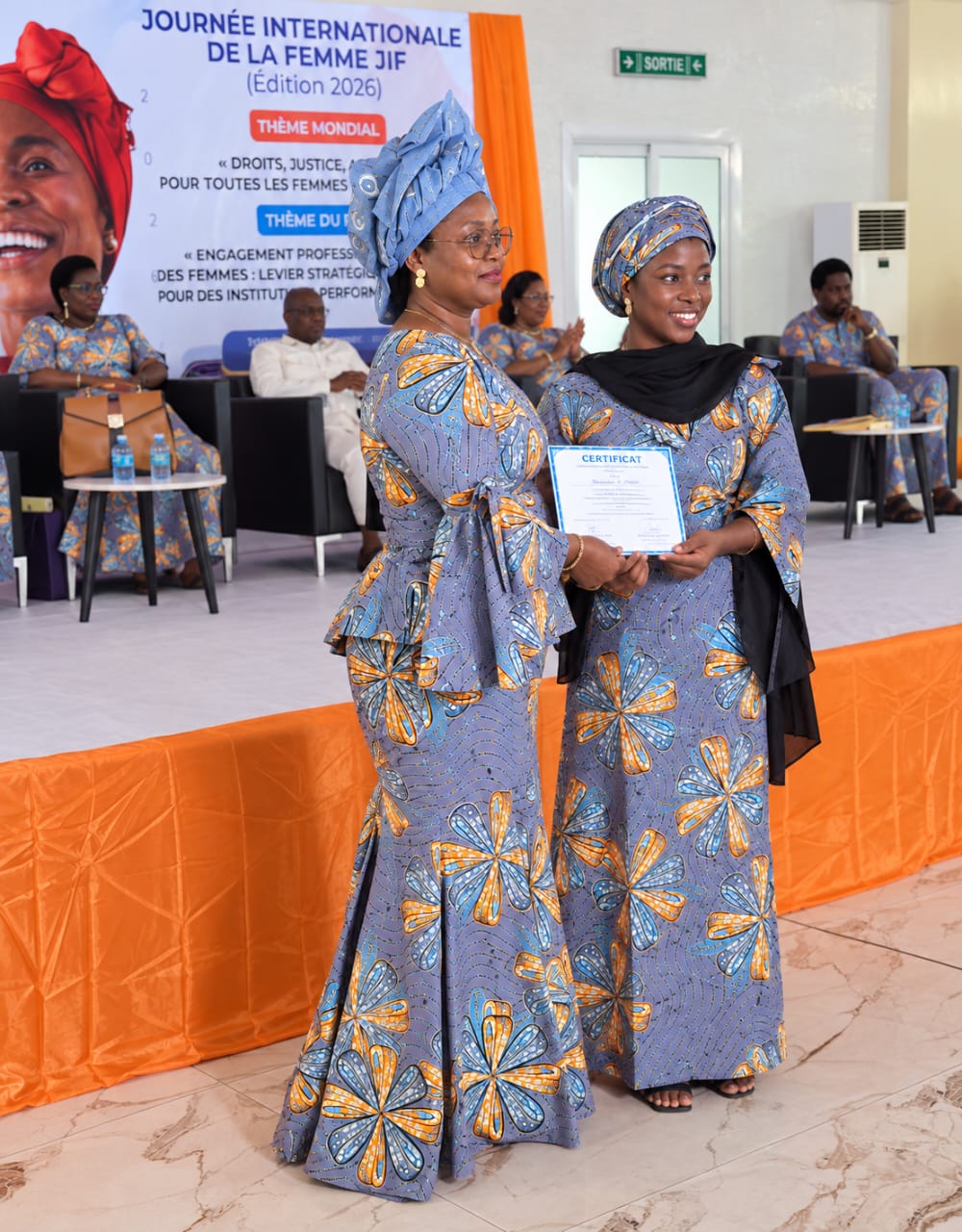
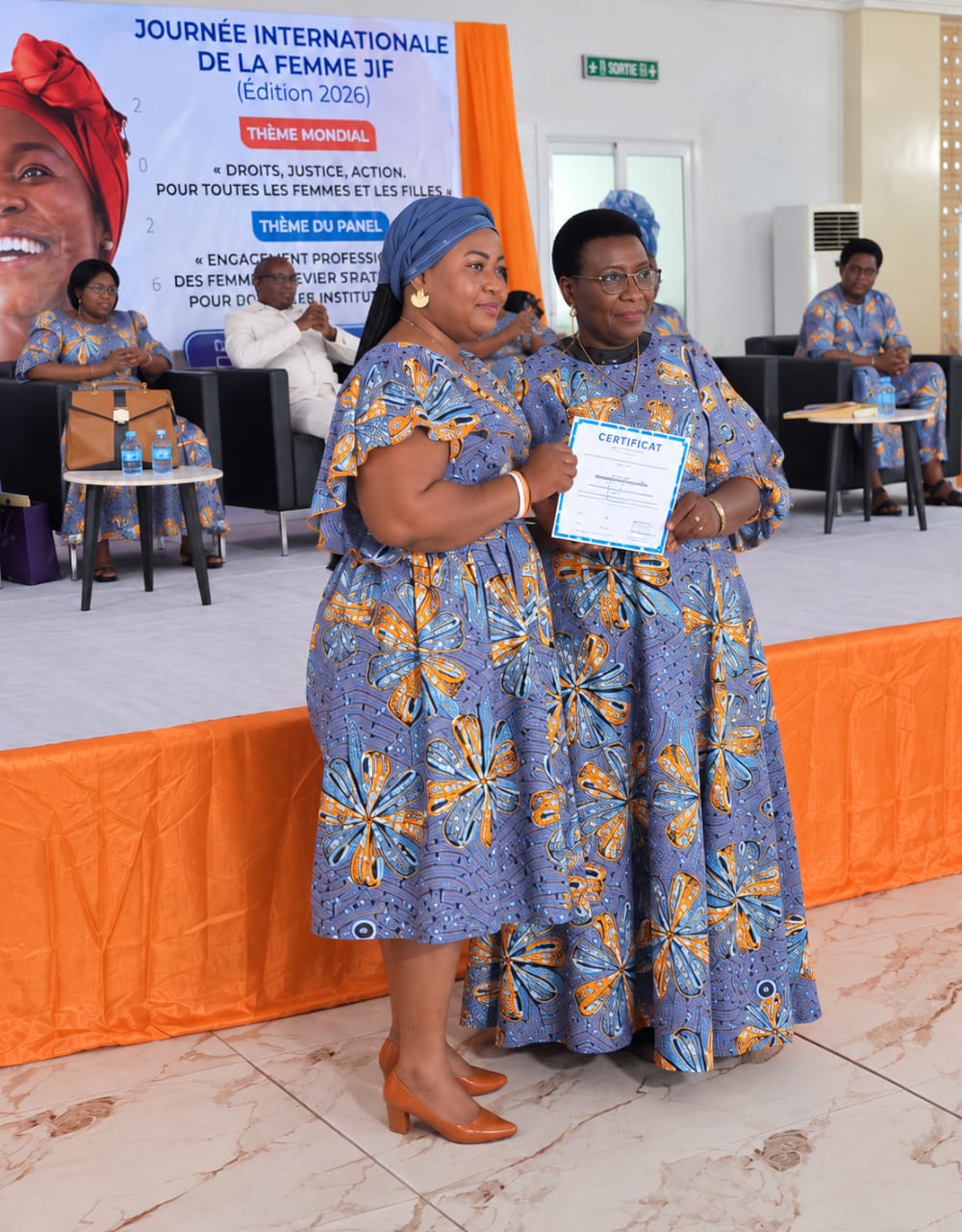
With technical and financial support from the World Association for Development (AMD), a new training course on professional ethics and confidentiality began on Saturday 12 September 2026 for women at the CNSS. Implemented by the International Institute for Capacity Building and Training (IRCF), in collaboration with the CNSS Women’s Association, this initiative goes beyond the acquisition of knowledge: it aims to strengthen the exercise of responsibilities, information governance, institutional trust and, consequently, the quality of the environment in which businesses operate.
Building capacity to bring about sustainable organisational transformation
In a professional world characterised by digital transformation, the acceleration of information exchange and the proliferation of sensitive data, competence can no longer be regarded as a permanent given. It must be nurtured, updated and tested against new responsibilities. It is on this conviction that the initiative supported by the AMD is based: investing in women in order to simultaneously strengthen their career progression and their organisation’s ability to fulfil its mission more effectively.
The AMD’s support combines two complementary dimensions. The technical dimension enables the development of a training programme consistent with current challenges in governance, accountability and performance. The financial dimension enables beneficiaries to access a demanding programme, designed and delivered by the IRCF. This support reflects a clear focus: sustainable development does not depend solely on infrastructure or material funding; it also depends on women and men capable of making sound decisions, safeguarding information and serving their organisations with integrity.
A training programme at the heart of new professional requirements
Entitled ‘Professional Ethics and Confidentiality’, the training programme is organised into four modules and fourteen sessions. It combines lectures, case studies, exercises, key considerations and ongoing assessments. Its aim is to guide participants beyond a theoretical understanding of the rules, towards developing instincts that can be directly applied in the day-to-day performance of their duties.
The programme focuses in particular on sound judgement, integrity, the management of sensitive information, confidentiality, information security, responsible communication and the prevention of data leaks. These skills have become strategic. In a modern organisation, information informs decision-making, underpins relations with users, engages the accountability of senior management and determines the trust of partners. An error in processing, inappropriate disclosure or an insufficiently informed decision can have significant human, legal, operational and reputational consequences.
Training professionals to identify what can be used or shared, with whom, under what conditions and with what precautions, therefore amounts to strengthening a vital link in the chain of governance. The value of the programme will be measured less by the certificate obtained than by the observable changes in decisions, behaviour and practices.
Preparing more women for positions of responsibility and trust
This initiative also aims to promote professional empowerment. It is designed to enable participants not only to perform their current roles more effectively, but also to prepare them for team leadership, the handling of sensitive matters, supporting decision-making and higher-level responsibilities.
Investing in women’s skills is neither a symbolic gesture nor a peripheral measure. It broadens the pool of available talent, enhances the diversity of perspectives in decision-making and enables organisations to make better use of their entire human capital. Research by the International Labour Organisation highlights that gender diversity in management helps companies access a wider pool of talent, enrich decision-making and enhance their reputation. More broadly, the World Bank points out that reducing the gender gaps in employment and earnings holds considerable potential for wealth creation.
It is important, however, to be clear: training alone does not guarantee automatic promotion or immediate growth. It creates new capacity. To convert this capacity into results, the skills acquired must be applied, recognised by the organisation and supported by genuine opportunities for responsibility, participation in decision-making and career progression.
An expected impact on businesses and the development of the private sector
Although the beneficiaries work within the CNSS, the implications extend beyond the institution’s boundaries. The CNSS maintains ongoing relationships with employers, workers and numerous economic stakeholders. The quality of its processes, the reliability of its staff, the protection of the information entrusted to it and the soundness of its decisions directly influence businesses’ experiences and the trust they place in the social protection system.
Better-trained staff can contribute to more rigorous case handling, more responsible communication, better prevention of data-related risks and a more reliable institutional relationship with employers. For businesses, this improvement can translate into greater predictability, a reduction in misunderstandings and errors, enhanced security in communications and a more favourable climate of cooperation.
The link with economic growth must therefore be understood as a chain of effects, rather than as an automatic promise: enhanced skills improve practices; better practices consolidate institutional performance and trust; more reliable institutions reduce certain frictions faced by economic actors; a safer and more efficient environment supports business activity, investment, formal employment and more inclusive growth.
This approach aligns with a central tenet of private sector development: businesses do not thrive in isolation. They require competent institutions, predictable rules, reliable services and responsible information management. By supporting the professional development of women in these roles, the AMD therefore has an impact on human capital, institutional quality and the business ecosystem.
A partnership geared towards tangible results
The training programme brings together complementary responsibilities. The AMD provides technical and financial support and frames the initiative within a vision of transformation through human capital. The IRCF is responsible for the design and pedagogical delivery of the programme. The CNSS Women’s Association mobilises the beneficiaries and fosters their collective commitment. The trainers and speakers translate the objectives into learning outcomes, whilst the participants remain the primary agents of the expected impact.
For the initiative to have a lasting impact, its success must be assessed on the basis of concrete indicators: participants’ attendance and progress, the quality of the analyses carried out, the adoption of best practices regarding confidentiality, improved risk assessment, a reduction in behaviour likely to compromise information, greater involvement in decision-making, and the ability to share what has been learnt within teams.
Through this support, the World Association for Development reaffirms that the advancement of women and organisational performance are not two separate objectives. When supported by rigorous training, genuine responsibilities and a culture of trust, women’s skills become a driving force for the modernisation of institutions, a source of dynamism for the private sector and a catalyst for sustainable progress for peoples and communities.
Samyath. AMOUSSA A.
World Association for Development (AMD)
For the sustainable progress of peoples and communities