

















Democracy: 2,500 years of evolution… and now


Democracy: 2,500 years of evolution… and what now?
For nearly 2,500 years, democracy has evolved in step with the aspirations, struggles and transformations of societies. It is based on a fundamental principle: the exercise of power cannot, in the long term, be separated from the will of the people, their involvement in public affairs and their right to hold those in power to account.
Its history, however, cannot be reduced to either a continuous progression or the experience of a single civilisation. Depending on the region and culture, different forms of consultation, deliberation and collective decision-making have helped to bring to life the idea that authority must be regulated and exercised in the interests of the community.
Democracy has enabled major historical advances in terms of freedoms, representation and the checks and balances on power. However, these institutional achievements do not always translate into greater security, social justice, shared prosperity or a tangible improvement in living standards.
To mark International Democracy Day, the World Association for Development proposes to look back at the key stages of this evolution, to recognise its achievements, to examine its limitations and to reflect on its future.
One central question guides this reflection:
How can democracy be developed so that it protects freedoms, strengthens the accountability of those in power and contributes more to the sustainable progress of peoples and communities?
2,500 years ago, citizens began to exercise power
In the 5th century BCE, the city of Athens saw the emergence of one of the first formalised experiments in direct democracy. A new conception of authority took hold: public affairs were no longer to be the exclusive preserve of a king or a select group. Citizens recognised as such could assemble, debate, pass laws and take part in decisions concerning the city-state.
The word ‘democracy’ derives from the Greek terms dêmos, meaning ‘the people’, and kratos, meaning ‘power’. This experiment ushered in a major political transformation: authority could be debated, shared and exercised on behalf of the citizens. However, it was neither the sole origin of collective participation nor an immediately universal model.
Athenian democracy remained profoundly restrictive. Women, slaves, foreigners and a large proportion of the population were excluded from public decision-making. The ‘people’ called upon to govern still represented only a minority of the city-state’s inhabitants. This first political opening thus appears to be a significant, yet incomplete, achievement.
Despite its limitations, this experiment formalised an aspiration destined to endure through the centuries: to enable people to take part in the running of their society and no longer be solely subject to the decisions of those in authority. It also raises a question that remains relevant today: who can actually share in power, and under what conditions can each citizen influence the choices that shape the collective future?
For centuries, societies have sought to limit absolute power
Following the political experiments of antiquity, direct citizen participation declined in many regions. For several centuries, power was mainly exercised by kings, emperors, religious authorities, traditional leaders or privileged groups, according to structures that varied greatly from one society to another.
However, the idea of power entirely devoid of limits was never universally accepted. In various civilisations, councils of elders, community assemblies, customary authorities and consultative mechanisms played a part in the management of public affairs. Whilst not necessarily constituting democracies in the modern sense, these practices introduced forms of mediation and social control over authority.
From the Middle Ages onwards, certain charters and representative institutions reinforced the principle that the ruler cannot decide entirely on his own. In England, the Magna Carta of 1215 placed certain powers of the king within a framework for the benefit of groups that were privileged at the time. Elsewhere, councils, assemblies and traditions of consultation also contributed to the organisation of power and the resolution of disputes.
These developments did not yet establish a democracy open to the entire population. They often protected particular interests and perpetuated significant exclusions. Nevertheless, they marked a decisive turning point: authority must abide by rules, take other actors into account and accept forms of oversight. The limitation of arbitrary power thus becomes one of the foundations of democratic development.
More than two centuries ago, the people became the source of power
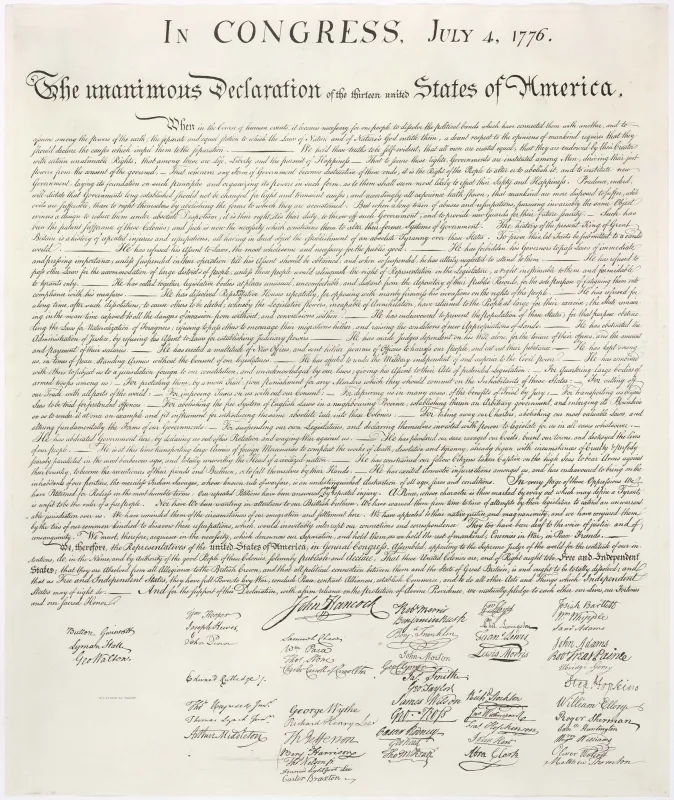
In the 17th and 18th centuries, a major political transformation gathered pace. Thinkers, popular movements and revolutions challenged the notion that authority naturally belonged to sovereigns by virtue of their birth or was conferred upon them by a higher power.
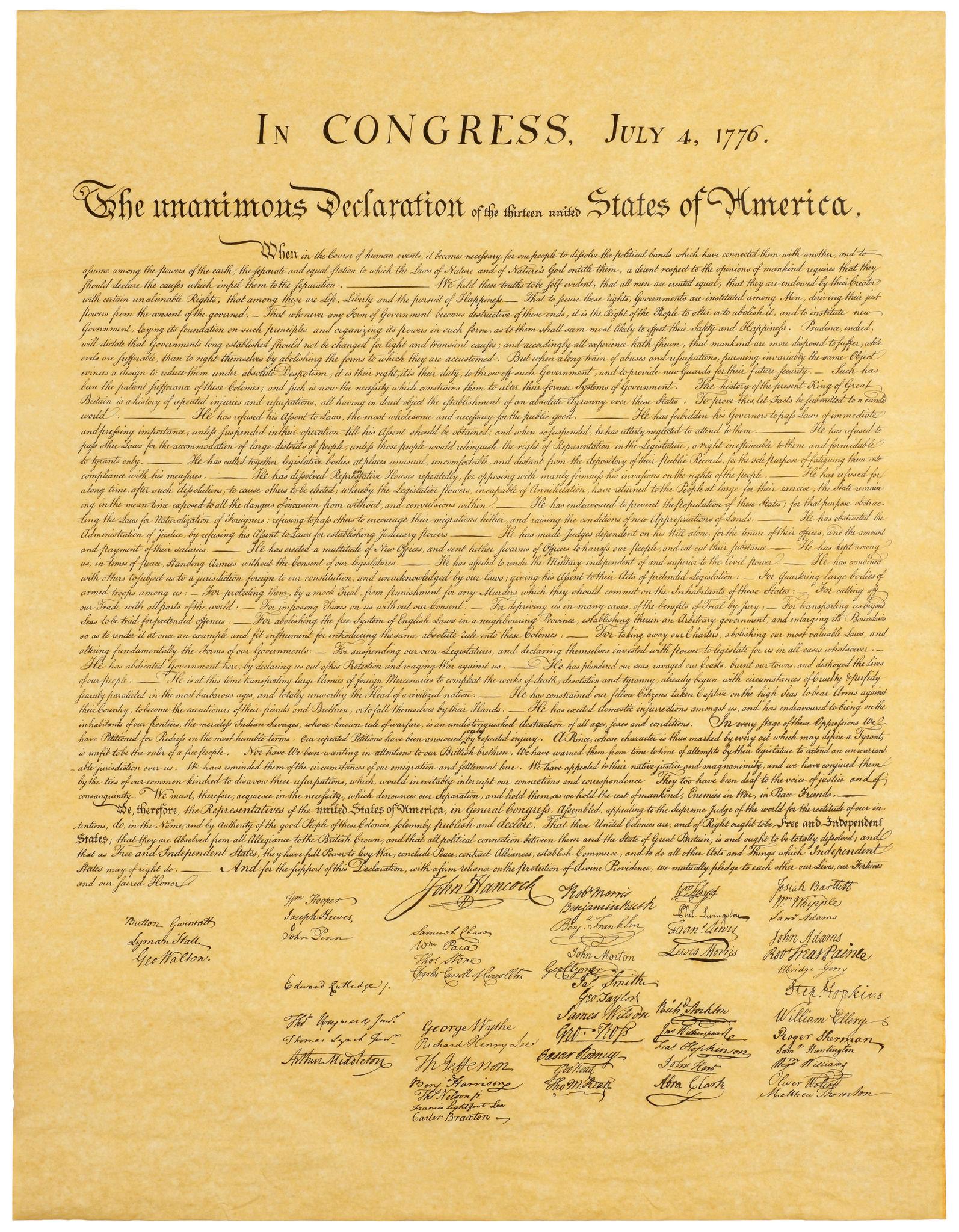
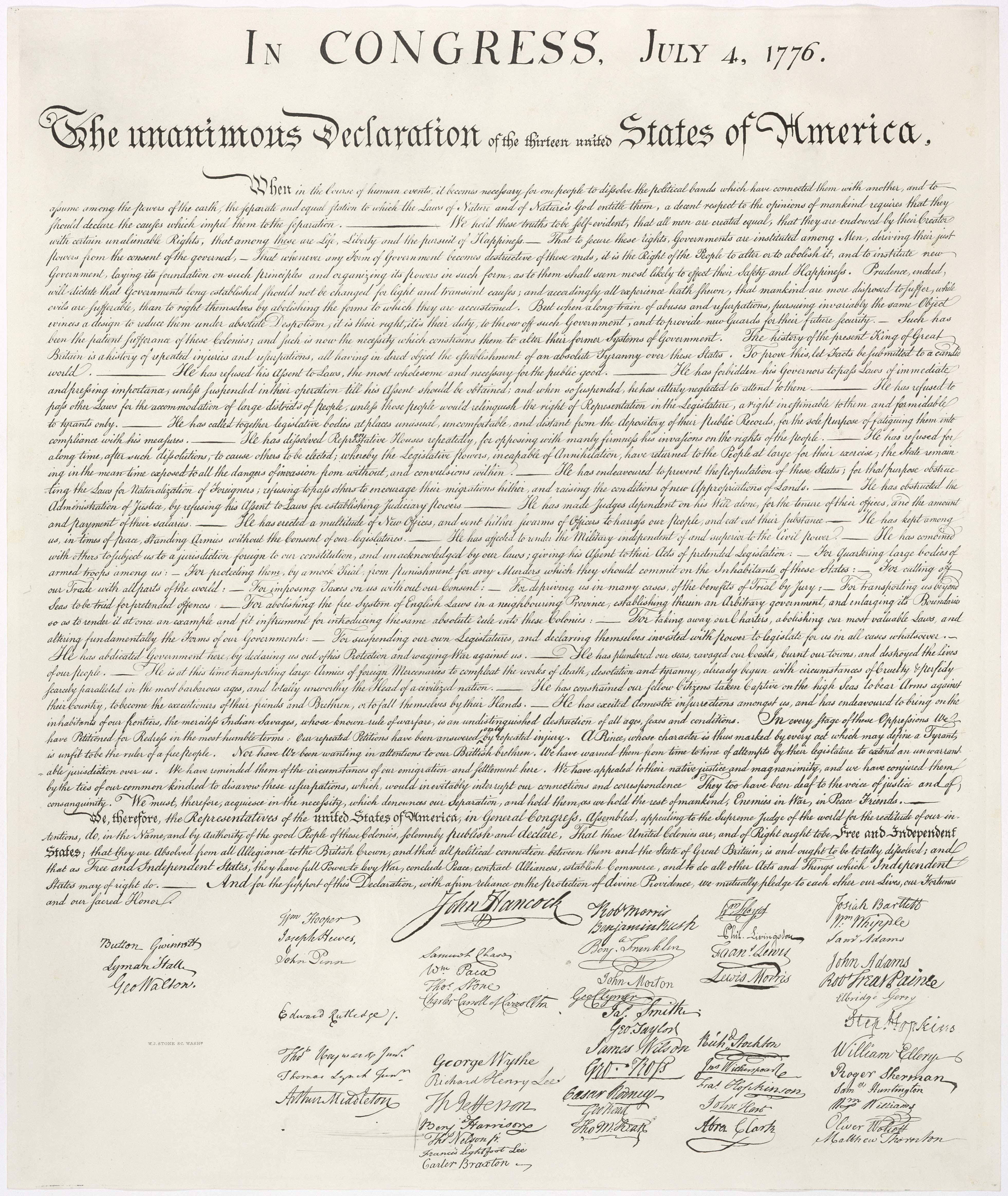
A new principle of legitimacy emerged: power derives from the people. Individual freedoms, equality before the law, the separation of powers and the right of citizens to choose their representatives became essential cornerstones in the construction of modern states.
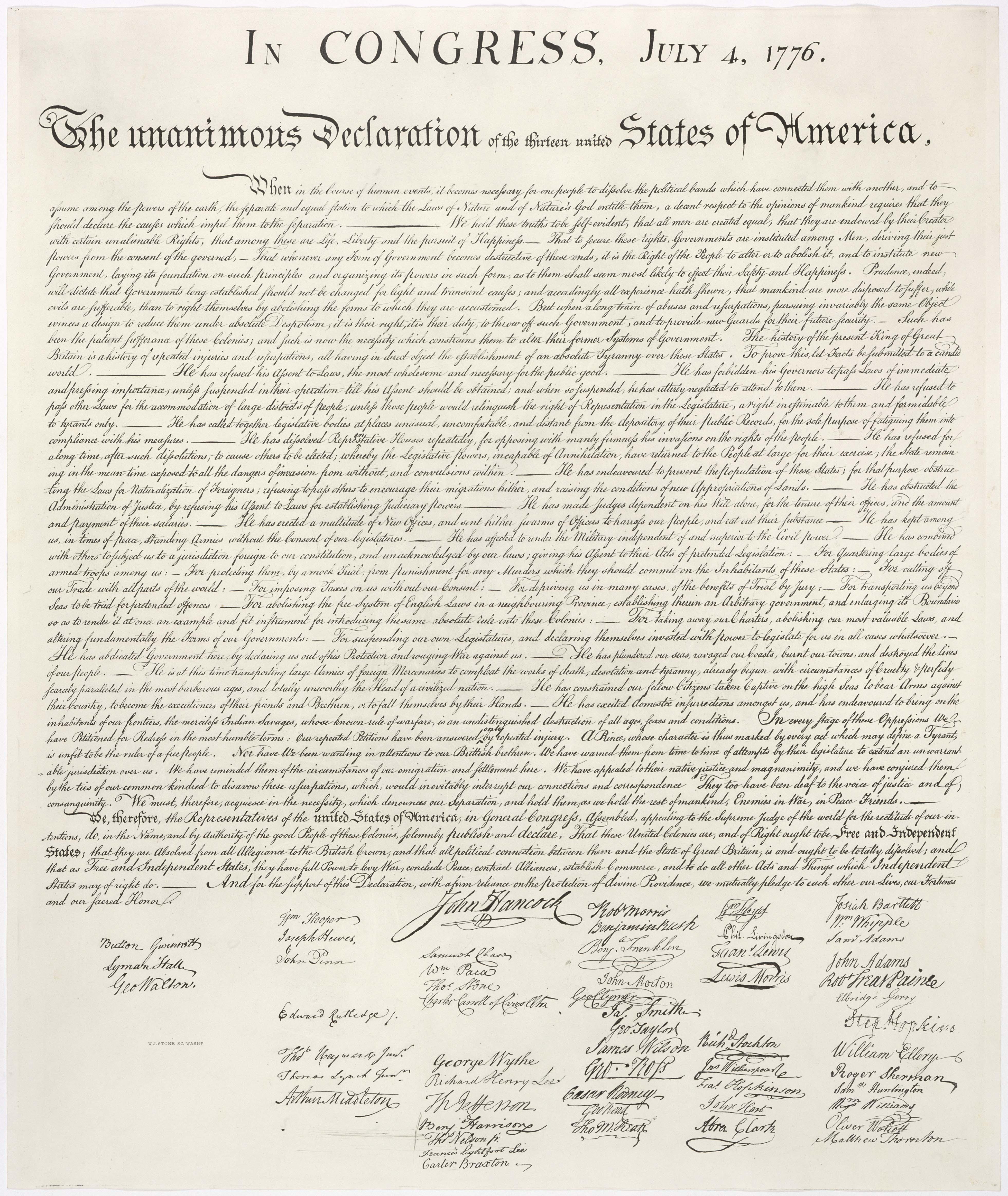
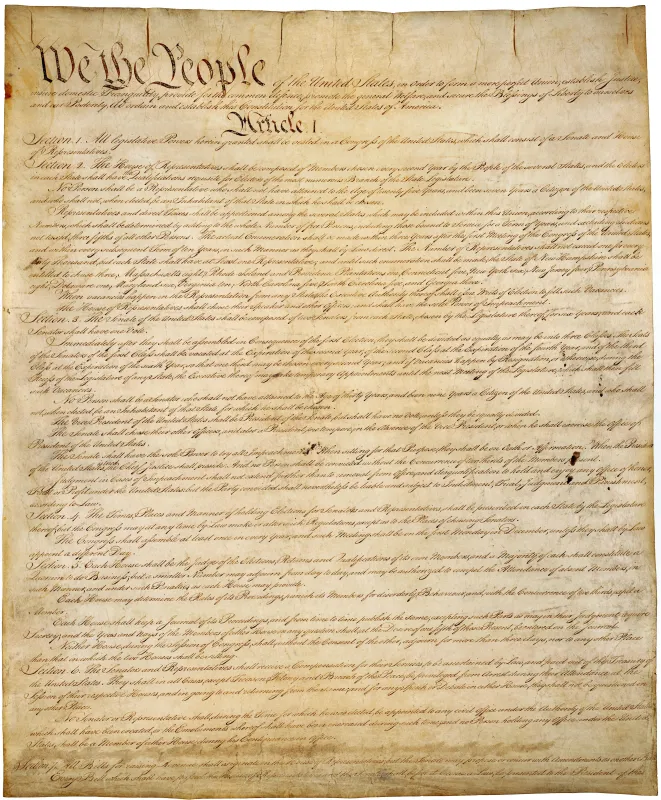
The political upheavals in England, as well as the American, French and Haitian revolutions, contributed, in different contexts, to this historic turning point. Declarations of rights and constitutions were drawn up to regulate the exercise of authority, organise institutions and affirm that those in power must act in accordance with established rules.
A fundamental contradiction remains, however. At the very moment when freedom and equality were proclaimed, women remained largely excluded from political life, slavery persisted, and a large proportion of the population did not have the right to vote. The principles thus acquired universal scope in legal texts before becoming a reality for all.
This period marked the beginning of a long phase of campaigning aimed at extending rights, combating exclusion and making citizenship accessible to as many people as possible. The challenge now was to transform the proclaimed sovereignty of the people into a reality experienced by the entire population.
In the 19th and 20th centuries, democracy was extended to new sections of the population
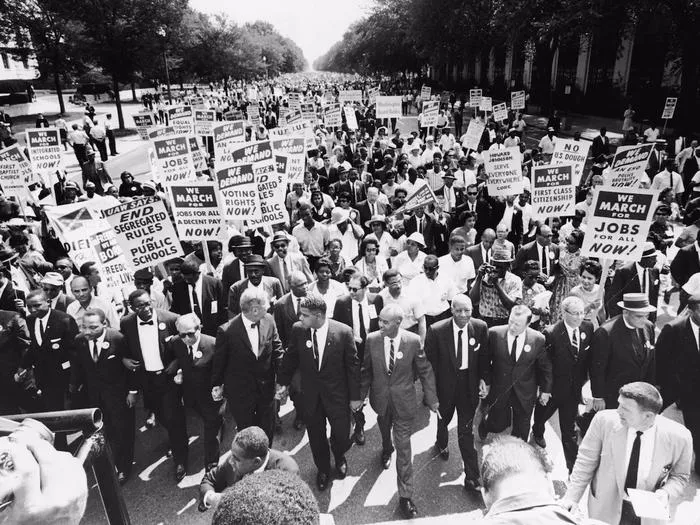
For much of its history, democracy remained the preserve of a minority. The right to vote and access to positions of responsibility depended, in particular, on gender, wealth, social status, origin or skin colour. In many countries, the majority of the population thus remained excluded from public decision-making.
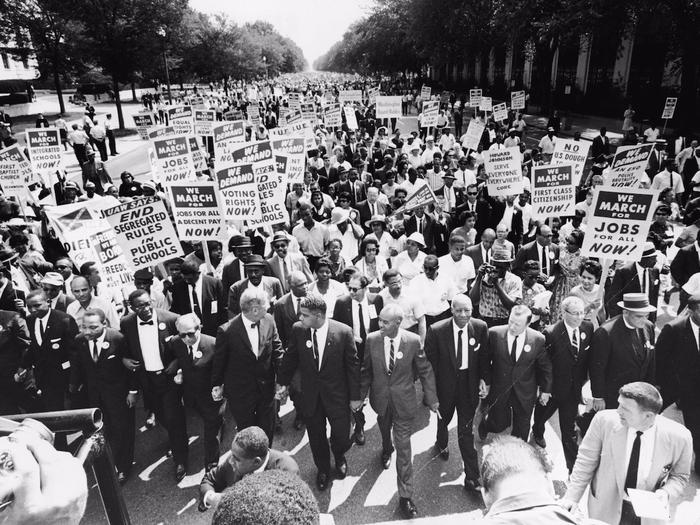
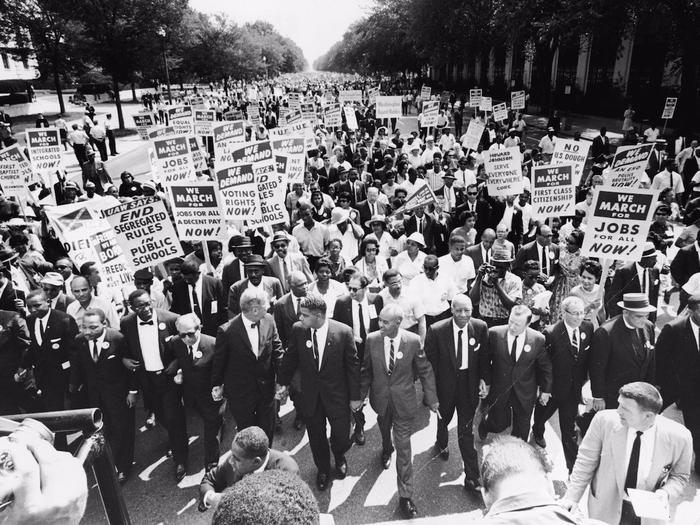
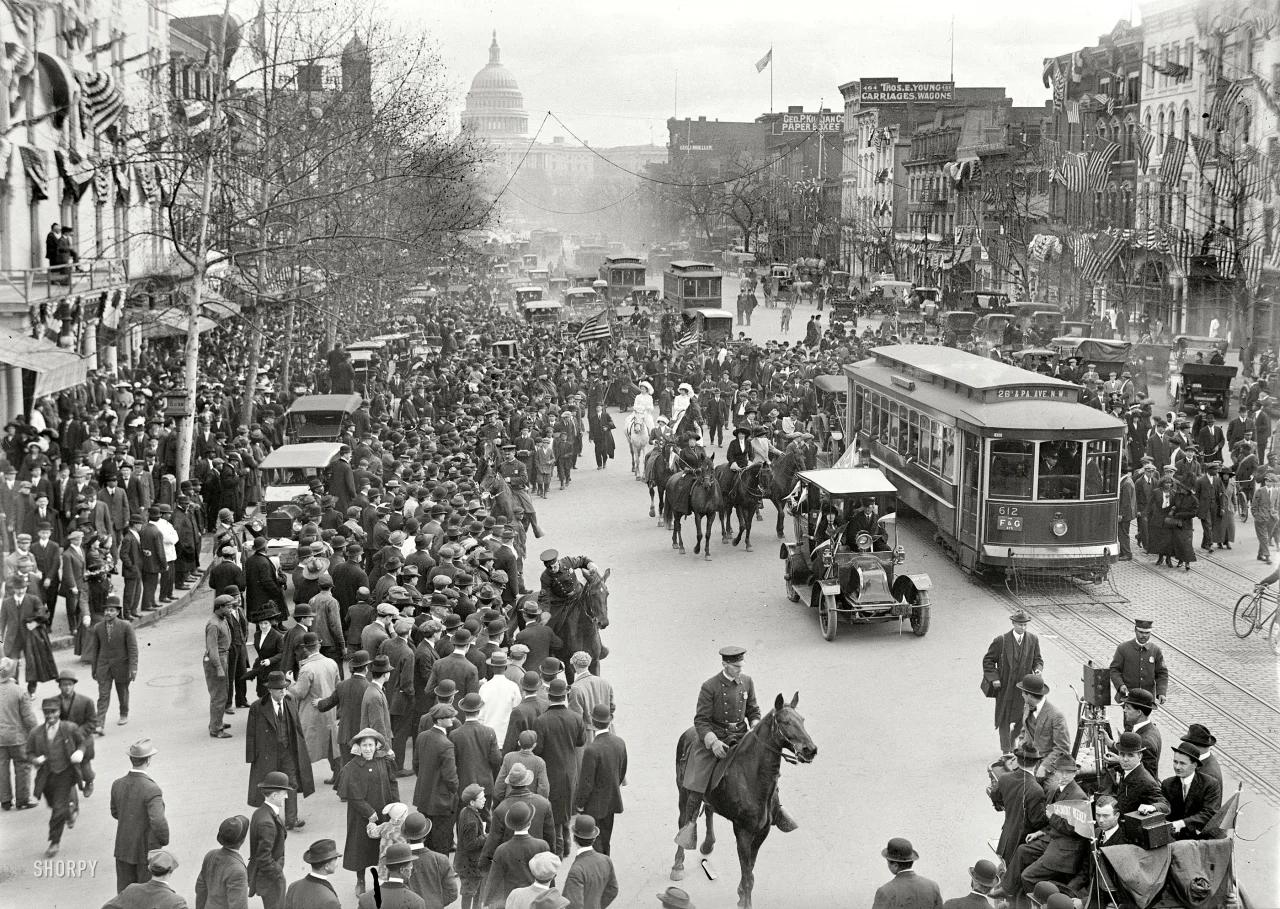
In the 19th and 20th centuries, these restrictions were profoundly challenged. Women, workers, colonised peoples, minorities and citizens’ movements mobilised to secure recognition of their civil and political rights. This evolution did not take place simultaneously or peacefully in all societies. It resulted from long struggles, collective resistance and successive institutional transformations.
The right to vote was extended at different rates. Legal slavery was abolished through processes specific to each country, although contemporary forms of exploitation persist. Women gained the right to vote and gained greater access to public office. Anti-colonial movements led many peoples to win their independence and claim the right to freely determine their own future.
Following the tragedies of the world wars, human rights took on a stronger international dimension. Democracy ceased to be presented as the privilege of a few and became a widely shared aspiration. This progress remains, however, incomplete: equality recognised in law does not always guarantee balanced representation or equitable access to positions of responsibility.
The challenge, therefore, is no longer merely to proclaim political equality, but to create the conditions enabling every individual and every people to exert a genuine influence over their future.
Does democracy today truly meet the expectations of the people?

In the modern era, democracy has largely established itself as a key benchmark of political legitimacy. In many countries, citizens can vote, choose their representatives, take part in public debate and exercise rights enshrined in their constitutions. Pluralist elections, the separation of powers, the protection of freedoms and the existence of representative institutions constitute essential achievements.
These advances remain, however, fragile and reversible. Setbacks occur when the rule of law is weakened, civil liberties are curtailed, institutions lose their independence, or citizens are excluded from decision-making forums.
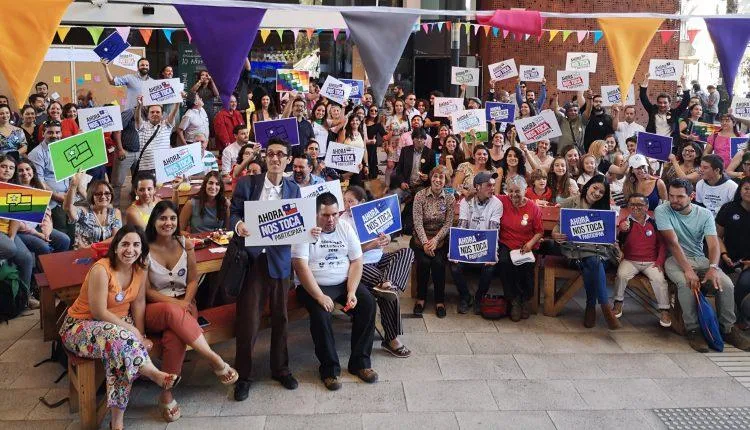
In many societies, trust in institutions is waning, whilst inequalities, corruption, exclusion and the inadequacy of essential services persist. Disinformation, digital manipulation, hate speech and the concentration of political or media influence also undermine the quality of public debate. Women, young people, people with disabilities and marginalised groups remain under-represented in many positions of power.
Elections may be held regularly without sufficient improvements to public services, a reduction in poverty or governments being effectively held to account for their commitments. Democracy alone cannot, of course, guarantee prosperity and development. These also depend on the strength of institutions, administrative capacity, the mobilisation of resources, economic stability and the effectiveness of public policies.
However, a democratic system cannot sustain the trust of the people in the long term if the exercise of power has no perceptible impact on their dignity, their rights and their living conditions. Conversely, the pursuit of results, efficiency or stability cannot justify the suppression of freedoms, pluralism and scrutiny of public authority.
The challenge today is therefore to reconcile two inseparable requirements: preserving fundamental democratic principles and strengthening the capacity of institutions to deliver concrete, fair and sustainable solutions.
Democracy must no longer be assessed solely on the basis of the regularity of elections. Its vitality must also be measured by the effective influence of citizens, the accountability of those in power, the independence of institutions, the protection of rights, the fairness of public action and the progress made in everyday life.
For the World Association for Development, the future of democracy rests on one essential ambition: to ensure that the voice of the people translates into a real capacity for action and oversight, so that public decisions effectively contribute to the sustainable progress of peoples and communities.
Samyath AMOUSSA
Morgan CHOKI
World Association for Development (AMD)
For the sustainable progress of peoples and communities