


















MESSAGE FROM THE EXECUTIVE CHAIRMAN OF THE WORLD ASSOCIATION FOR DEVELOPMENT
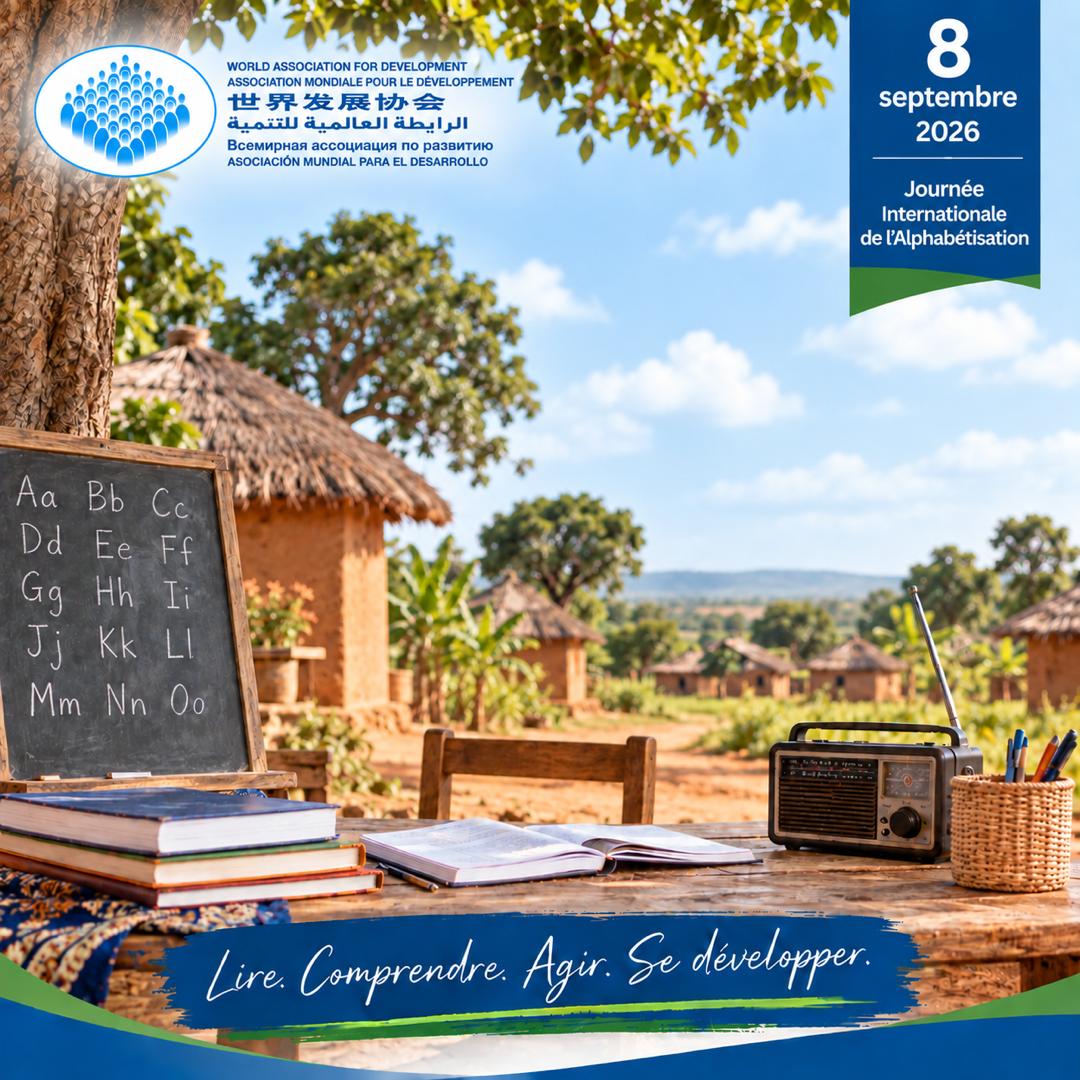
To mark International Literacy Day 2026
Theme: ‘Literacy for people, the planet and prosperity’
On the occasion of International Literacy Day, on behalf of the World Association for Development, I wish to reaffirm the crucial role of literacy in building fairer, more inclusive and sustainably prosperous societies.
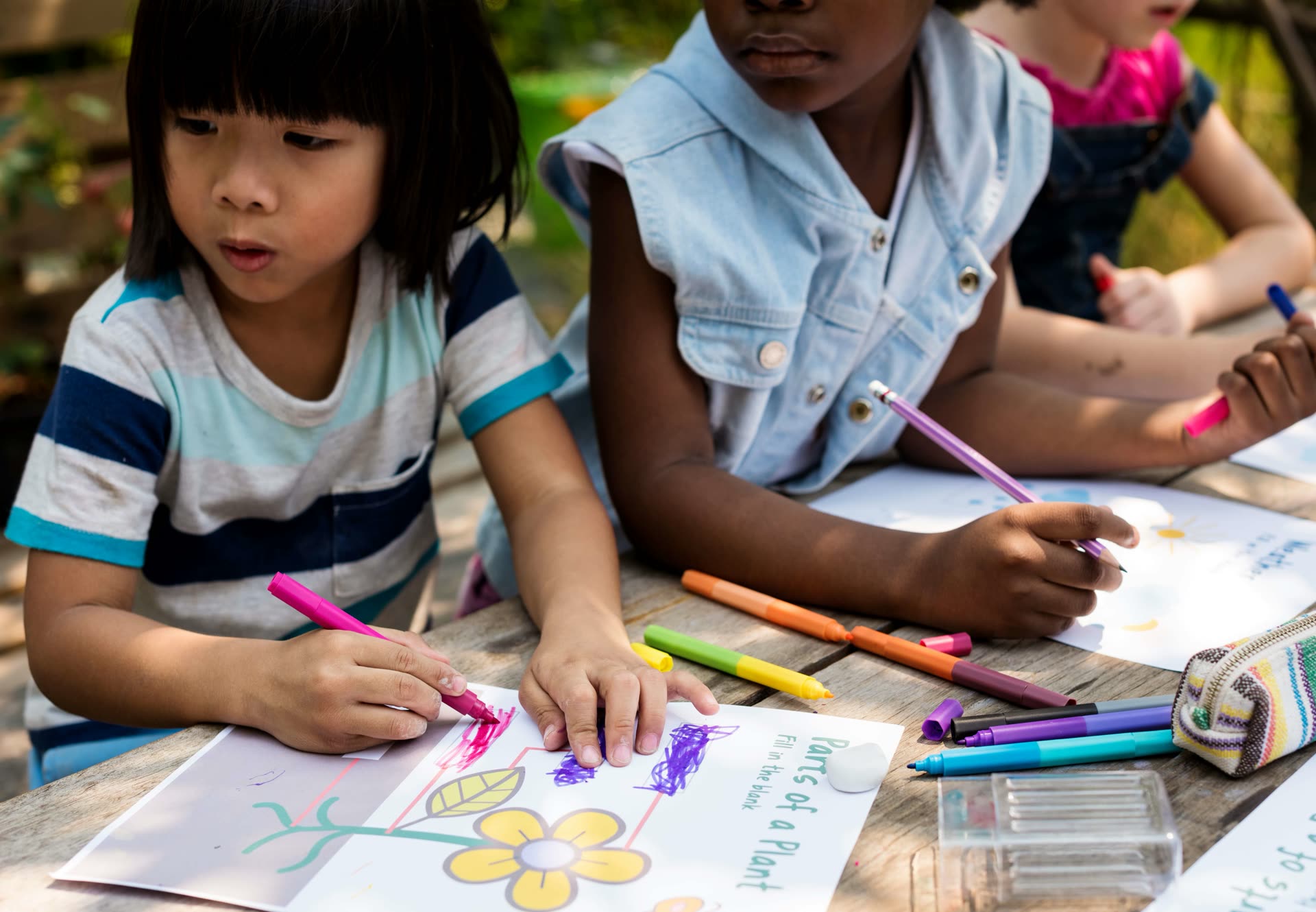
Literacy is a fundamental right and an essential foundation of human development. It underpins access to knowledge, the effective exercise of rights, economic autonomy, civic participation and the ability to embrace digital, social and environmental transformations. Promoting literacy is therefore both a requirement of social justice and a strategic imperative for states and institutions.
The persistence of illiteracy remains a structural barrier to the development of human capital. It perpetuates inequalities, limits access to essential services, undermines productivity and reduces people’s ability to participate fully in the development of their communities. No ambition for progress can be fully realised as long as part of humanity remains deprived of the fundamental skills needed to understand their environment, defend their interests and shape their future.
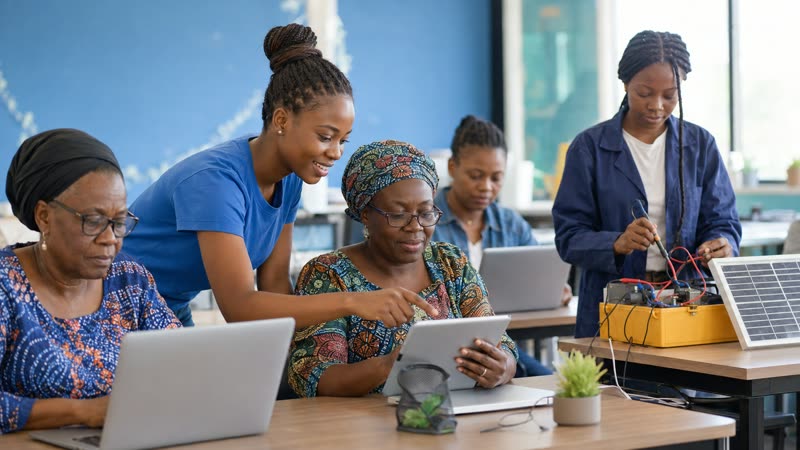
The theme of this year’s campaign, ‘Literacy for People, the Planet and Prosperity’, serves as a reminder that literacy policies must now respond to the economic, technological, climatic and social changes of our time. They must go beyond basic reading and writing skills to incorporate the functional, digital, financial, health and civic skills that are essential for true autonomy.
It is with this in mind that the Global Association for Development has chosen the sub-theme: ‘Literacy for Empowerment: Building Human Capital, Strengthening Communities and Developing Economies’. ’ This focus reflects our conviction that every skill acquired increases people’s capacity for action, strengthens the resilience of communities and opens up new prospects for development.
I call on public authorities, local authorities, educational institutions, civil society organisations, the private sector, the media and development partners to place literacy firmly and sustainably at the heart of public policies, social investment strategies and cooperation mechanisms. Priority must be given to those people and regions most vulnerable to educational, social, economic and digital inequalities.
The World Association for Development reaffirms its commitment to contributing to advocacy, mobilising stakeholders and promoting initiatives likely to sustainably expand access to learning. This Day must serve not only as an opportunity to raise awareness, but also as a renewed call for responsibility, cooperation and action.
Read. Understand. Act. Grow.
The Executive President
World Association for Development