



























From international discourse to local impact: how can we turn commitments into results?
The policy directions discussed at the 81st United Nations General Assembly will shape the future of communities. Their impact will also depend on how they are reflected in budgets, public services and local initiatives. How can this transition be organised and the improvements achieved be monitored? For the AMD, the answer requires cooperation that is mindful of communities’ needs, the responsibilities of stakeholders and the sustainability of results.
On 23 September 2026, during the meeting marking the fortieth anniversary of the Declaration on the Right to Development, the President of the General Assembly, Khalilur Rahman, emphasised the importance of people’s participation and highlighted the financial and institutional barriers that hinder progress. This statement highlights an essential condition: those affected must be able to contribute to the decisions that shape their development.
The issue extends beyond diplomatic debates. An international policy direction must be translated into policy, funding, organisation and accessible services. A breakdown at any of these stages can jeopardise the expected outcomes.
Translating these commitments into local impact is therefore a implementation process in its own right, the conditions for which must be examined from the very moment the commitments are formulated.
Incorporating global priorities into local decisions
Understanding the problem before choosing an intervention
The same global objective may call for different responses depending on the region. Improving access to education may require bringing schools closer to communities, reducing the costs borne by families, or supporting the return to school of girls who have dropped out.
The assessment must identify the key barriers, the populations affected and the resources already available. It helps to prevent a one-size-fits-all response from being applied in situations that require different interventions.
In its 2020 study on the territorial approach to the Sustainable Development Goals, the OECD proposes using the SDGs to guide and improve the strategies of cities and regions. In particular, it emphasises the importance of territorial data in setting priorities and measuring progress.
This approach links international ambitions to concrete choices: which service should be strengthened, in which area, for which people, and with what expected outcome?
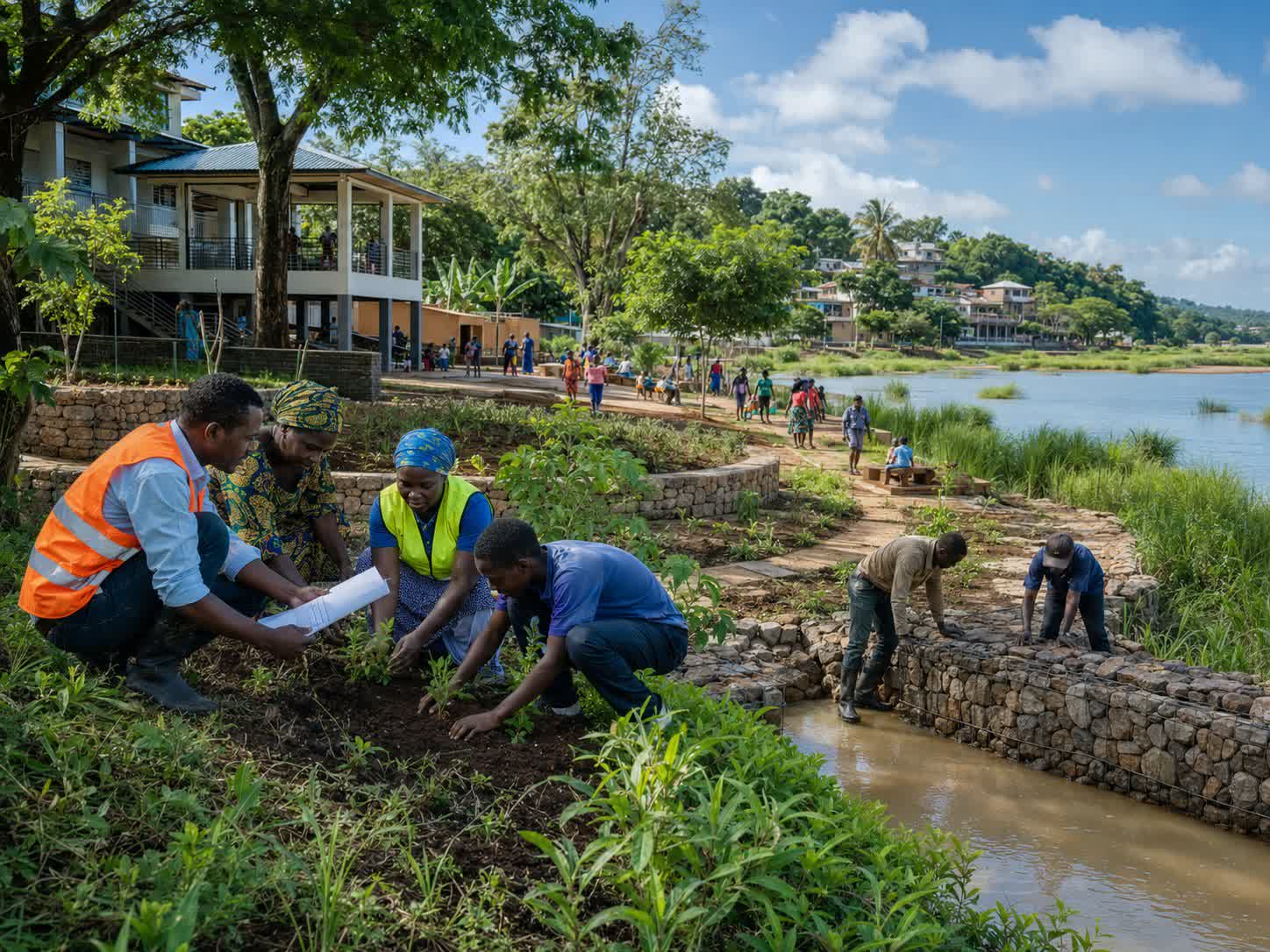
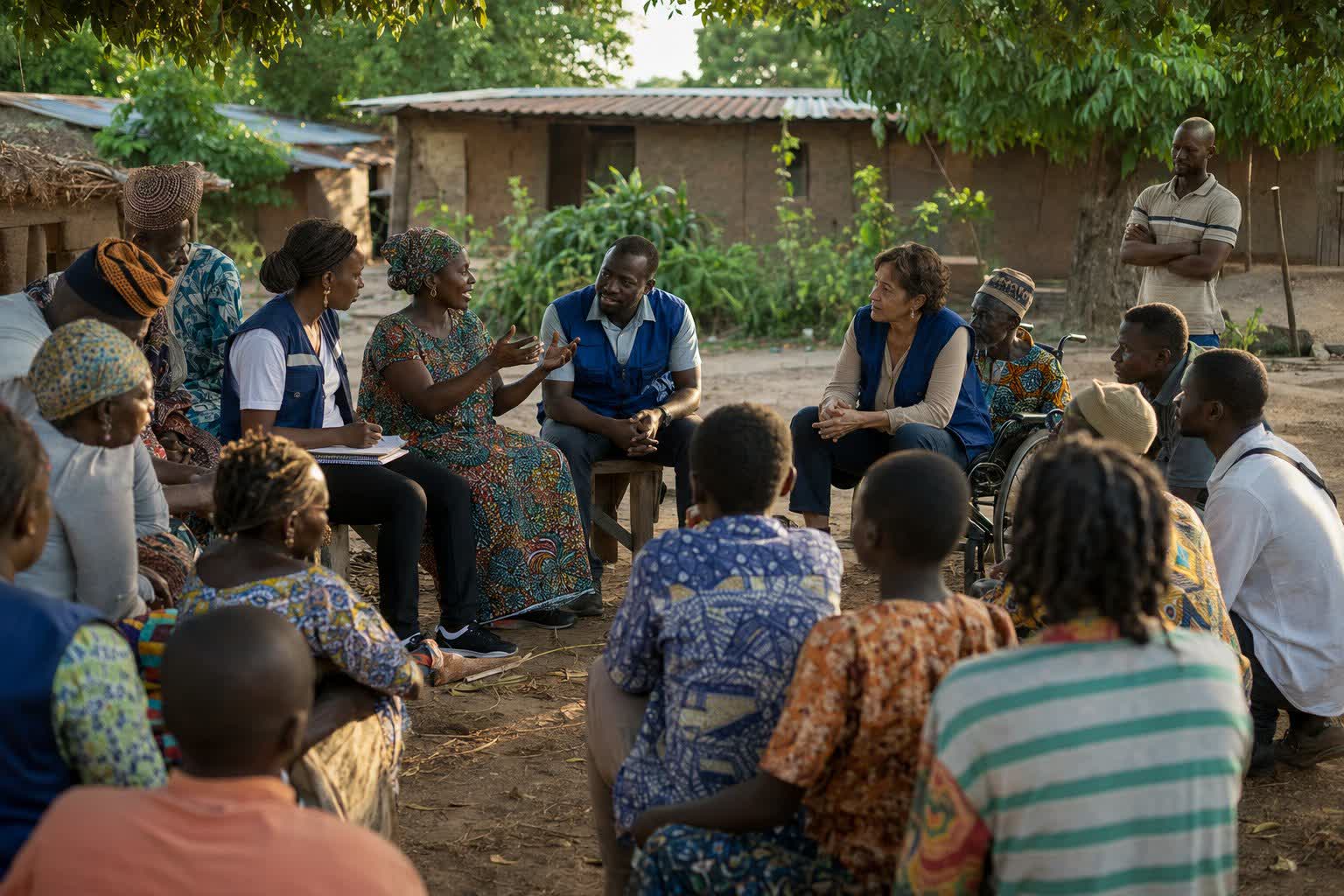
Giving participation real influence
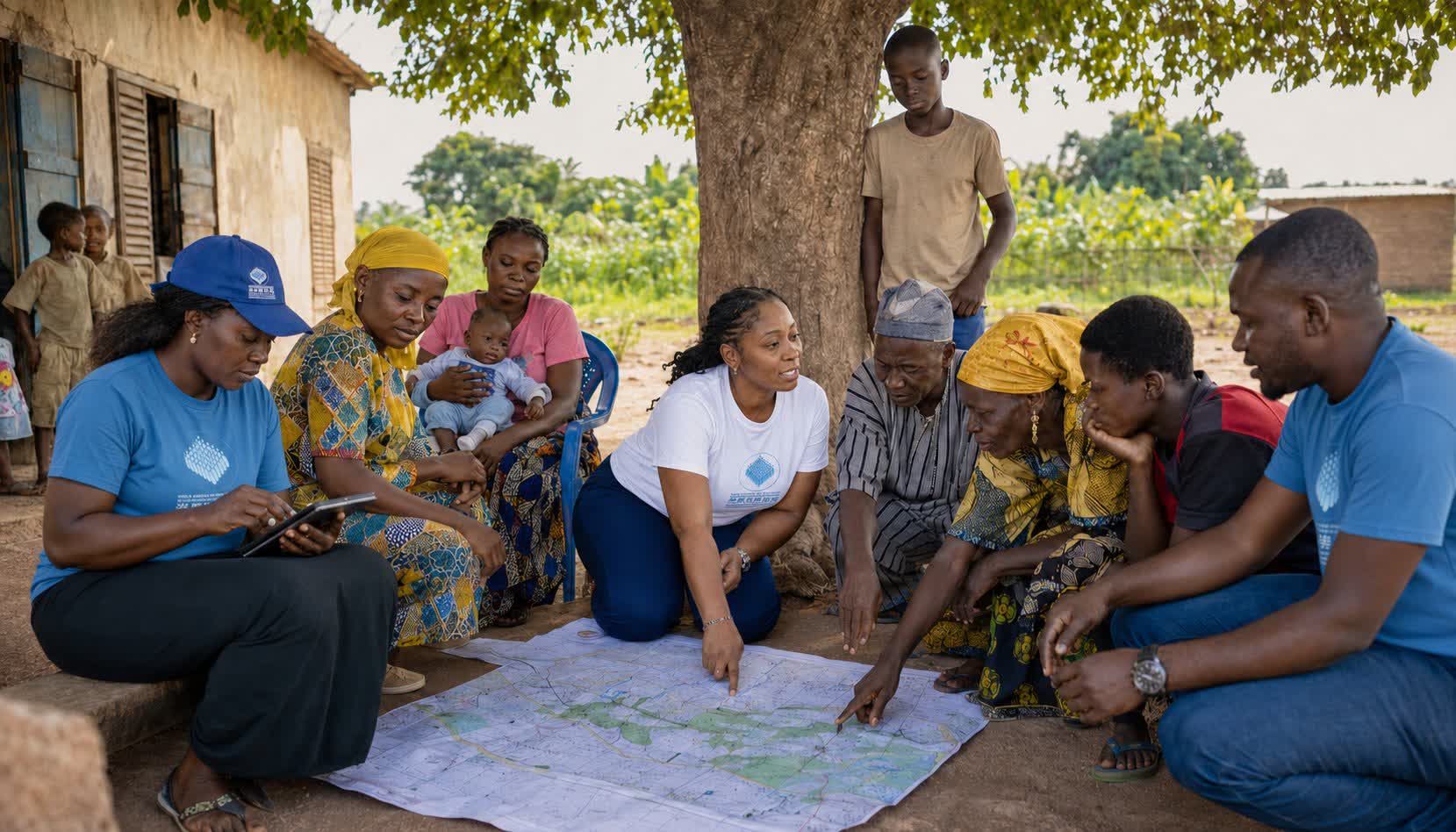
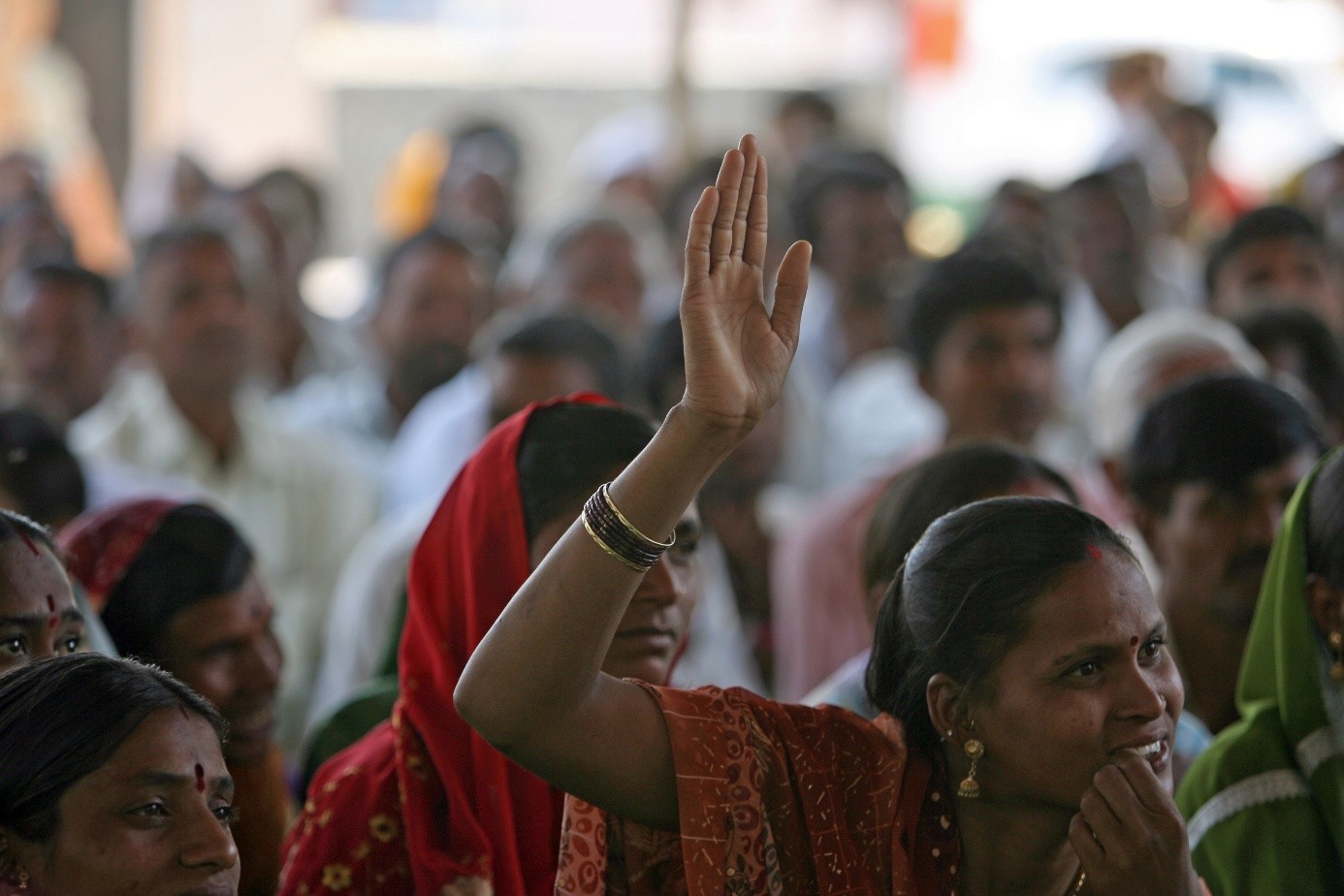
Involving residents provides a better understanding of usage patterns, constraints and needs. However, holding a consultation does not guarantee that all voices will be heard or that proposals will influence decisions.
The World Bank study *Localising Development: Does Participation Work?* examines precisely the conditions for the success of participatory approaches. It highlights the importance of the political, social and institutional context, as well as the shortcomings of many monitoring and learning mechanisms.
For the AMD, meaningful participation therefore requires making information accessible, ensuring the involvement of under-represented groups, and explaining how proposals are acted upon. This is particularly important for women, young people and those whose difficulties in accessing services remain largely unseen.
Linking responsibilities, funding and service continuity
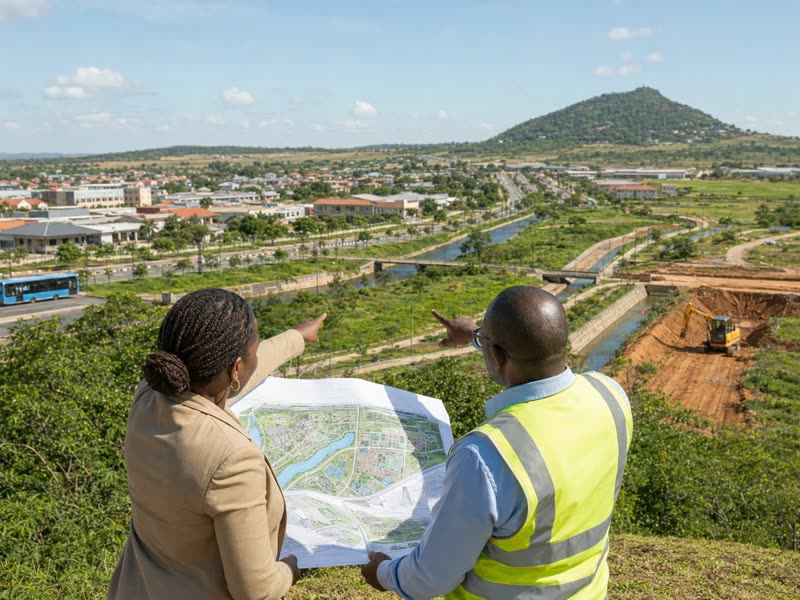
Ensuring operations beyond the construction phase
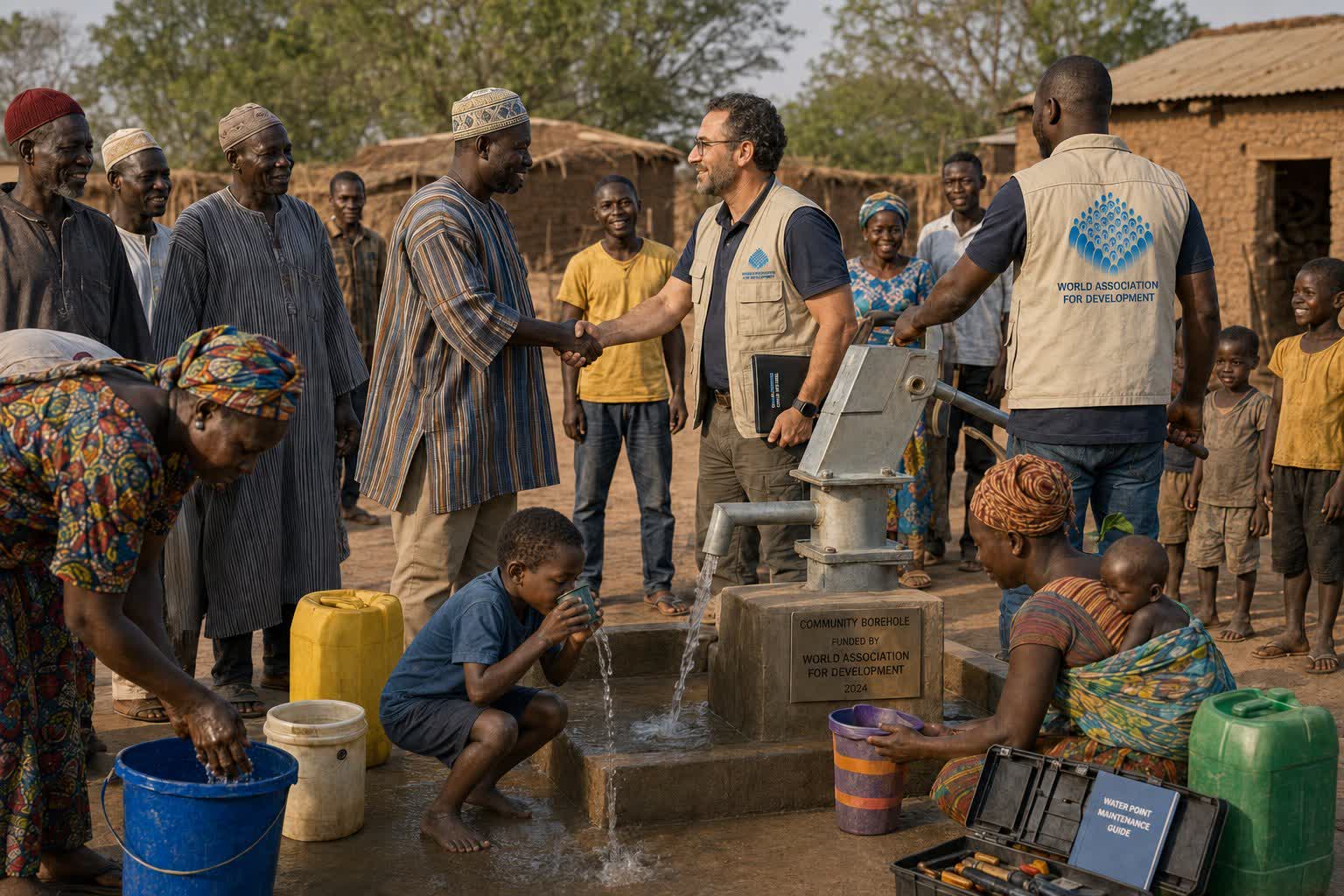
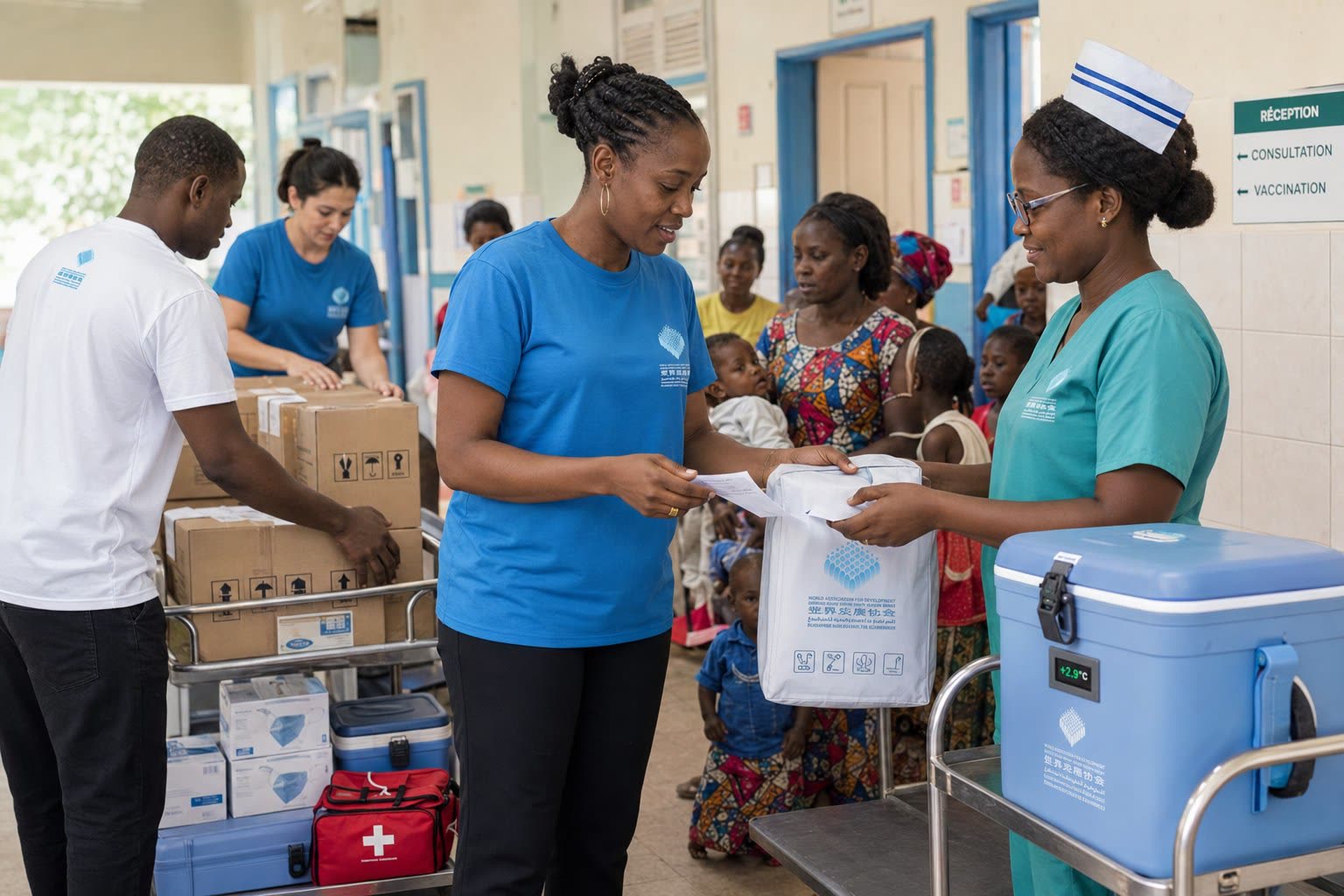
The construction of a facility does not guarantee its long-term operation. A health centre requires staff and regular supplies. A water network requires maintenance, quality monitoring and the means to carry out repairs.
Funding decisions must factor in these costs from the planning stage onwards. The UNDP emphasises that public budgets are a key instrument for implementing development policies and proposes integrating the SDGs throughout the budget cycle.
Each intervention must therefore specify who is funding the investment, who is providing the service and who is covering the recurrent costs. Funding pledges must be distinguished from the resources actually available.
Continuity is of direct importance to communities. A disruption to services can increase household expenditure, keep children out of school or jeopardise economic activity. It can also erode trust in the responsible institutions.
Coordinating stakeholders towards a shared outcome
Local challenges often cut across several sectors. Entry into the labour market depends not only on training but also on job opportunities, transport and access to economic resources. School attendance can be affected by health issues, insecurity or the burden of domestic chores.
An isolated intervention therefore risks leaving a barrier in place that limits its impact.
Lessons learnt from evaluations compiled by the UNDP in 2023 highlight the importance of coordinating across levels of government, strengthening local capacities and supporting dialogue with national authorities.
Cooperation must organise these complementary roles without transferring to local authorities responsibilities that they do not have the means to fulfil.
Measuring change and using the results to take action
Distinguishing between activities and the improvements achieved
A programme may achieve its activity objectives without bringing about all the desired changes. Training young people is an achievement; their sustainable access to employment is an outcome to be assessed.
Measurement begins with a baseline, followed by an objective, a deadline and a data collection method. Depending on the sector, it may focus on:
Education: attendance, learning outcomes and progression through the education system;
Employment: integration into the labour market and income stability following training;
Water: the quality, continuity and accessibility of the service;
Health: actual use of healthcare services and persistent barriers.
The results must be analysed by region and by the groups concerned. An average improvement may mask the persistence of significant exclusions.
It is also necessary to examine other factors that have influenced the observed trends. An improvement cannot automatically be attributed to a single intervention.
Using monitoring as a means of correction
Data must enable decisions to be reviewed when the expected outcomes do not materialise. UN-Habitat presents voluntary local reviews as an approach linking SDG monitoring to planning, financing and policy coherence.
This corrective function is essential: explaining a delay, identifying an obstacle or reallocating resources is part of our responsibility towards communities.
For the World Association for Development, every commitment should therefore be traceable right through to the desired change: an identified need, defined responsibilities, available resources and results discussed with the communities. This approach is in line with its mission to contribute to concrete, measurable and sustainable improvements in living conditions.
The 81st General Assembly places trust and service to all at the heart of its theme. The AMD considers that this ambition is reflected in the ability of institutions and their partners to explain what has changed, for whom, and under what conditions this progress can be sustained.
Global commitments take on local significance when priorities, resources and responsibilities remain linked right through to the evaluation of results. Communities must be able to participate in this process and see its effects in their daily lives.
Morgan CHOKI