


















The right to development, forty years on: what has become of the promise made to the people?
Forty years after its recognition by the United Nations, the right to development cannot be assessed solely in the light of the commitments made. It is measured by people’s ability to participate in decisions that affect them, to enjoy genuine equality of opportunity, and to share in the progress achieved. The high-level meeting on 23 September 2026 places this requirement back at the heart of the international debate. The AMD sees this as an opportunity to assess the progress made against the obstacles that continue to hinder its realisation and their impact on the sustainable development of peoples.
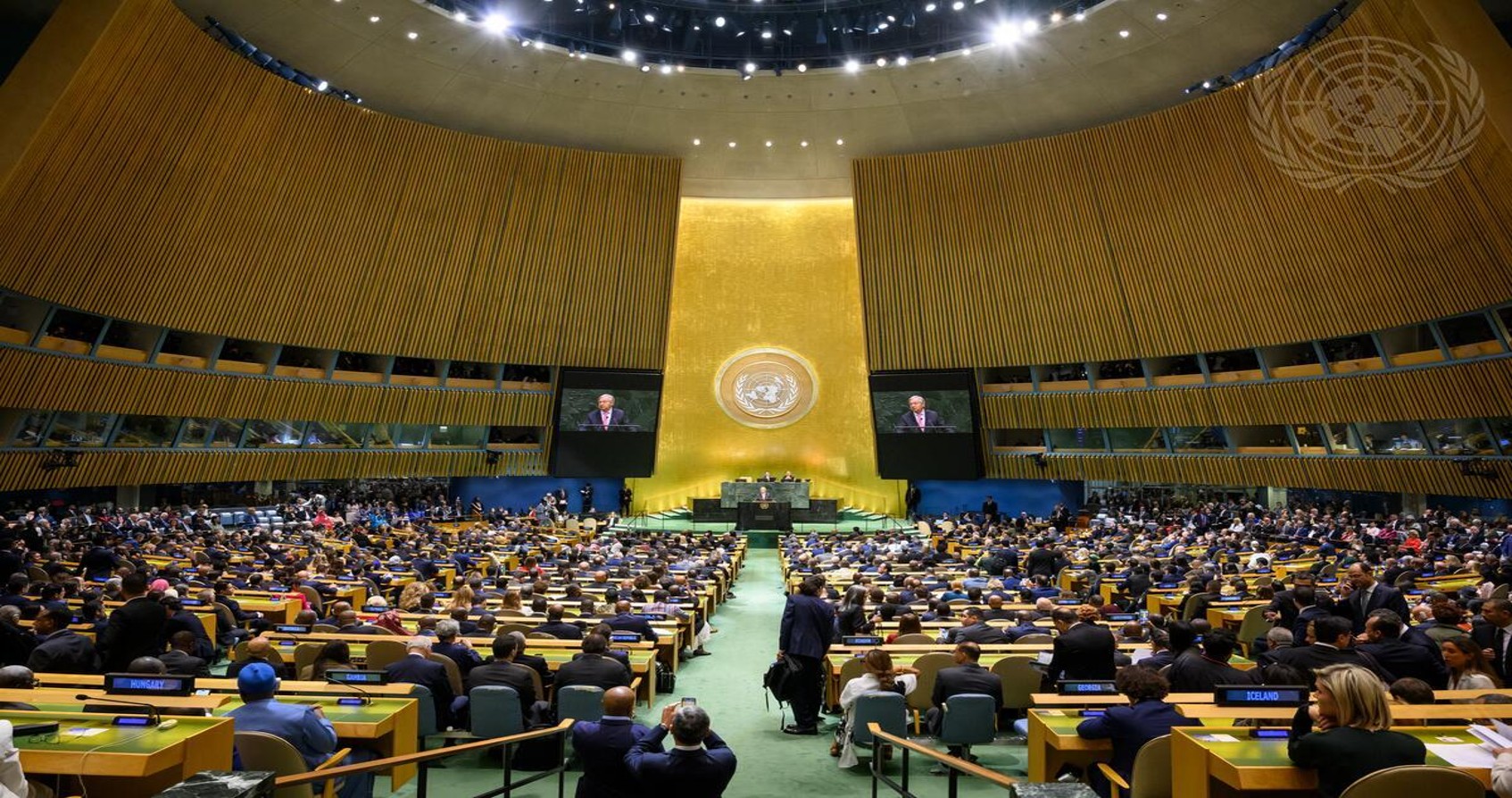
On 23 September 2026, in New York, the United Nations General Assembly held a high-level meeting to mark the fortieth anniversary of the Declaration on the Right to Development. As part of the proceedings of the 81st session, this meeting calls for a comparison between the international recognition of this right and the conditions under which people can actually exercise it.
The issue goes beyond mere commemoration. Forty years after the text was adopted, it concerns the capacity of public policies and international cooperation to make progress accessible, to reduce exclusion and to involve peoples in the decisions that determine their future.
A major milestone, yet progress remains unevenly distributed
In 1986, development became a matter of rights
Adopted on 4 December 1986, the Declaration recognises the right of every person and all peoples to participate in, contribute to and benefit from economic, social, cultural and political development. It places human well-being, participation and the equitable distribution of benefits at the heart of this approach.
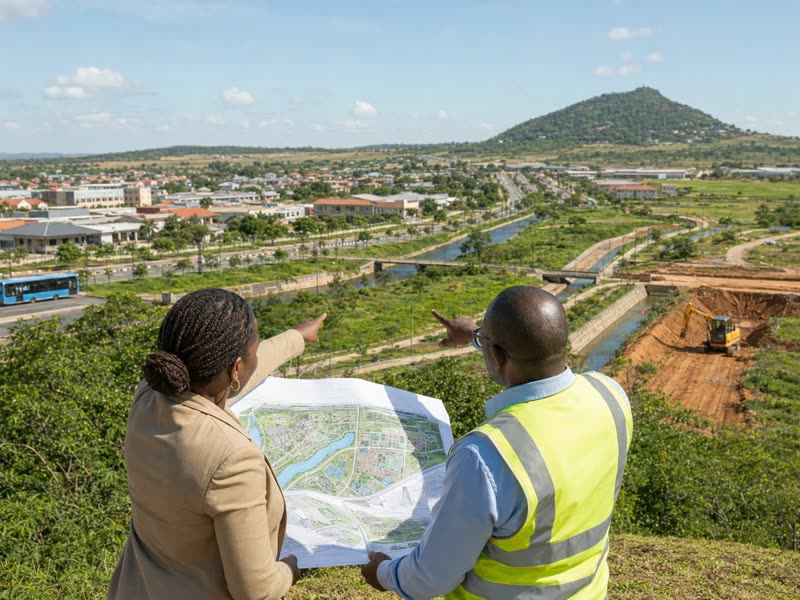
This recognition marks a significant shift in how policies are assessed. The growth of wealth and the construction of infrastructure must be examined in terms of their impact on people: their opportunities to learn, access healthcare, work and participate in community life.
The way in which development is managed is therefore just as important as the results achieved and their distribution. A population must be able to contribute to the choices that affect it, whilst its rights and freedoms are respected.
The Declaration provides an international framework. However, it is not, in itself, a legally binding treaty. Its recognition must be complemented by provisions, institutions and policies that enable its realisation.
Global progress does not reflect all realities
In his address on 23 September, the President of the General Assembly, Khalilur Rahman, highlighted the progress made in health, education, poverty reduction and connectivity. He also emphasised the unequal distribution of this progress across regions and within societies.
These advances are the result of national policies, economic developments, innovations and cooperative efforts. They cannot be attributed solely to the Declaration. Nevertheless, they bear witness to the transformations that have taken place since its adoption.
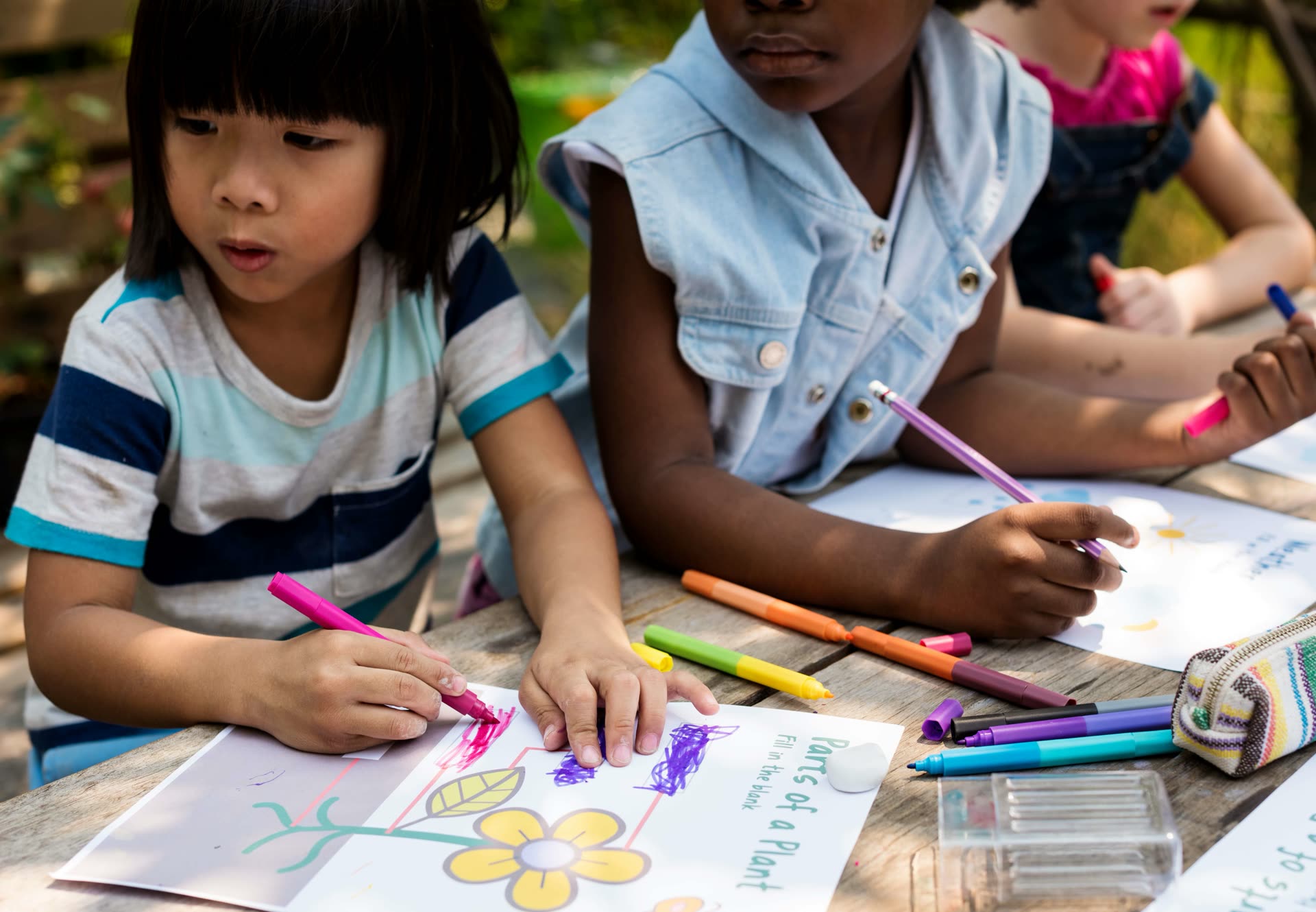
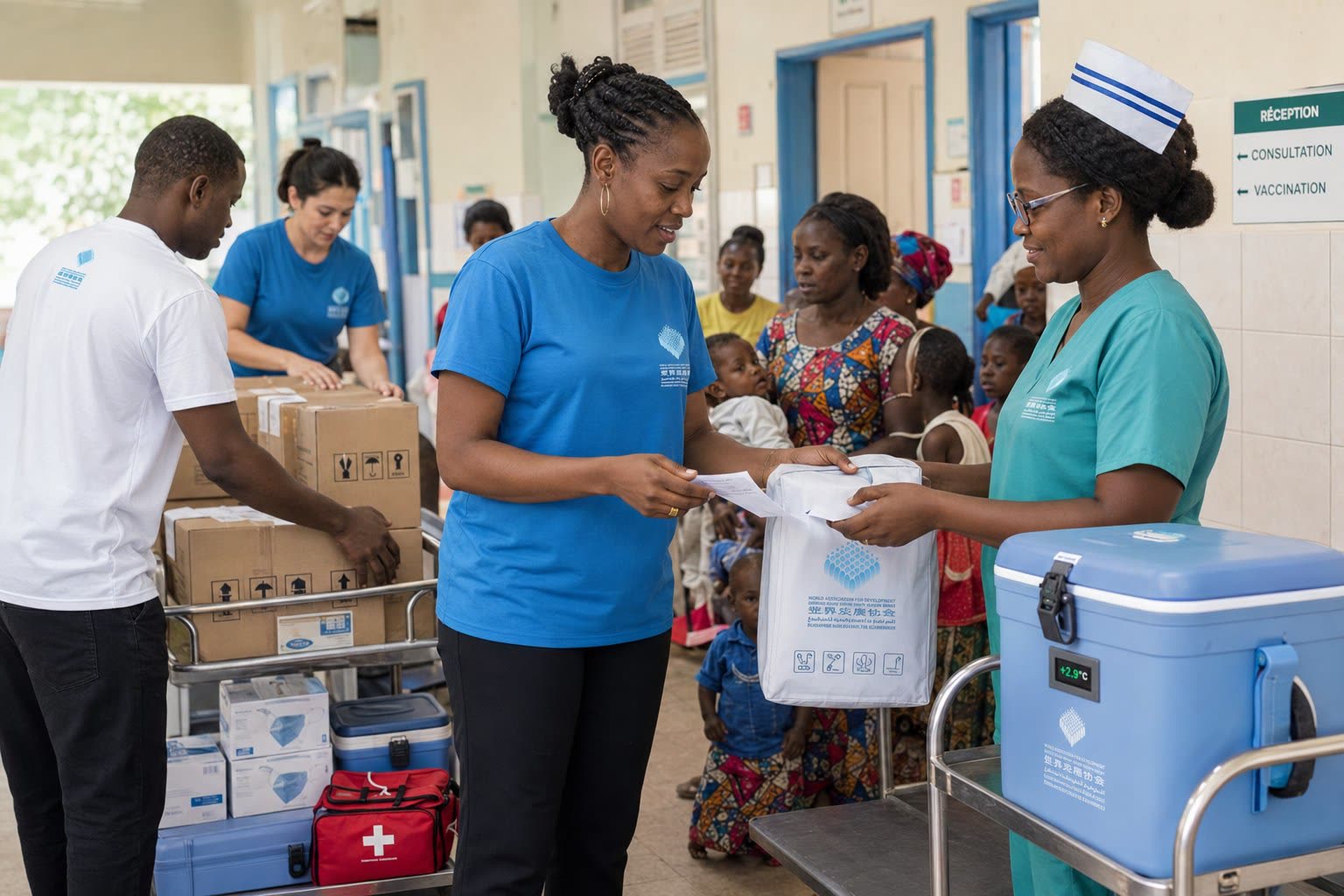
Any assessment must also take into account those who remain left behind. An increase in school enrolment can coexist with persistent drop-out rates amongst disadvantaged girls. The expansion of health services may leave financial or geographical barriers in place. Economic growth may create jobs without guaranteeing adequate incomes or sustainable protection.
The right to development therefore requires us to examine not only what national results reveal, but also what they may conceal.
Why the realisation of this right remains difficult
International constraints with local consequences
Financing is one of the major obstacles. According to UNCTAD’s A World of Debt 2025 report, 61 developing countries allocated at least 10 per cent of their public revenue to net interest payments on their debt in 2024. This burden can limit the resources available for essential investments.
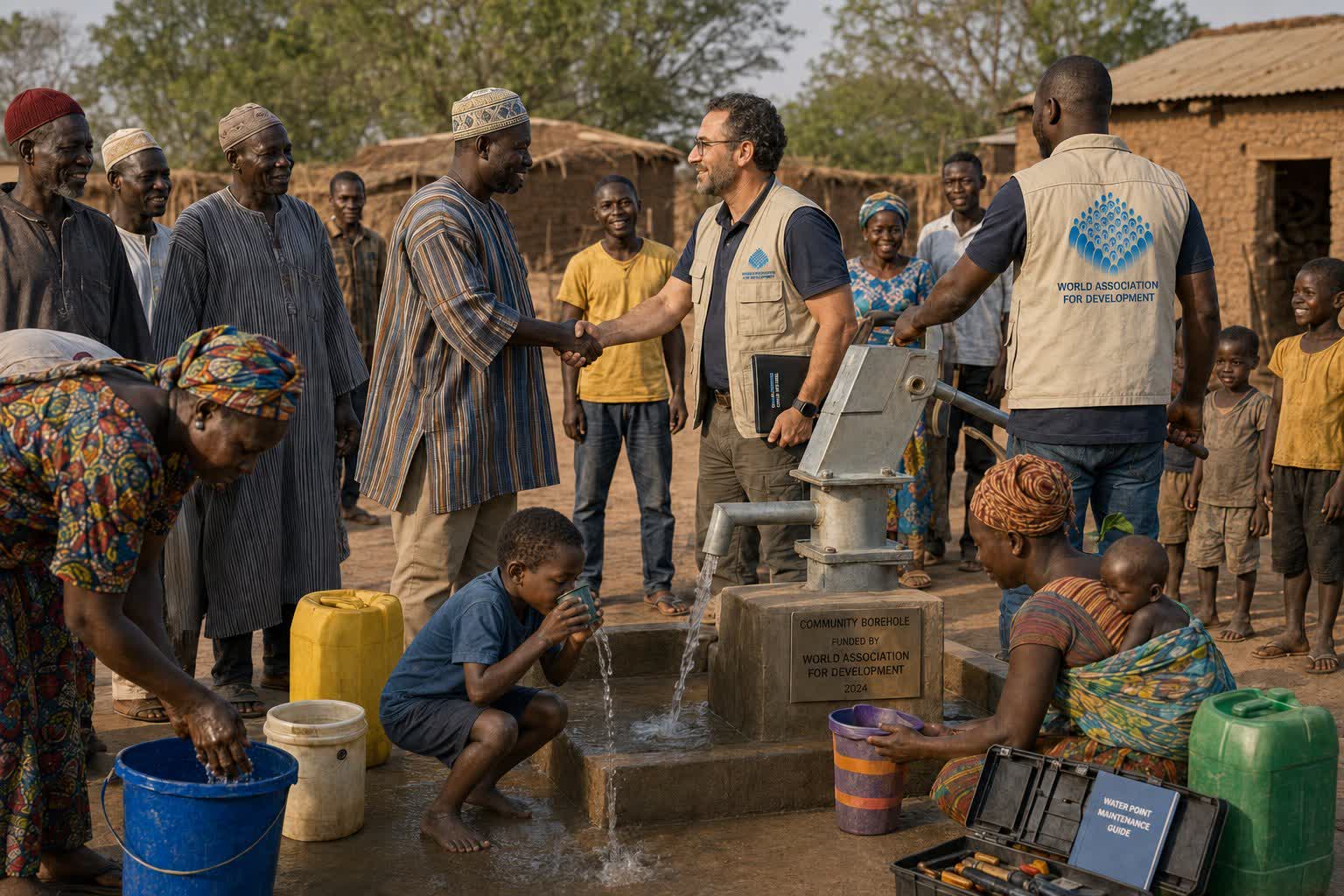
These trade-offs have human consequences. Delays in recruiting teachers, maintaining a water network or equipping a health facility can have lasting effects on communities. Difficulties in accessing funding thus become obstacles to the exercise of rights.
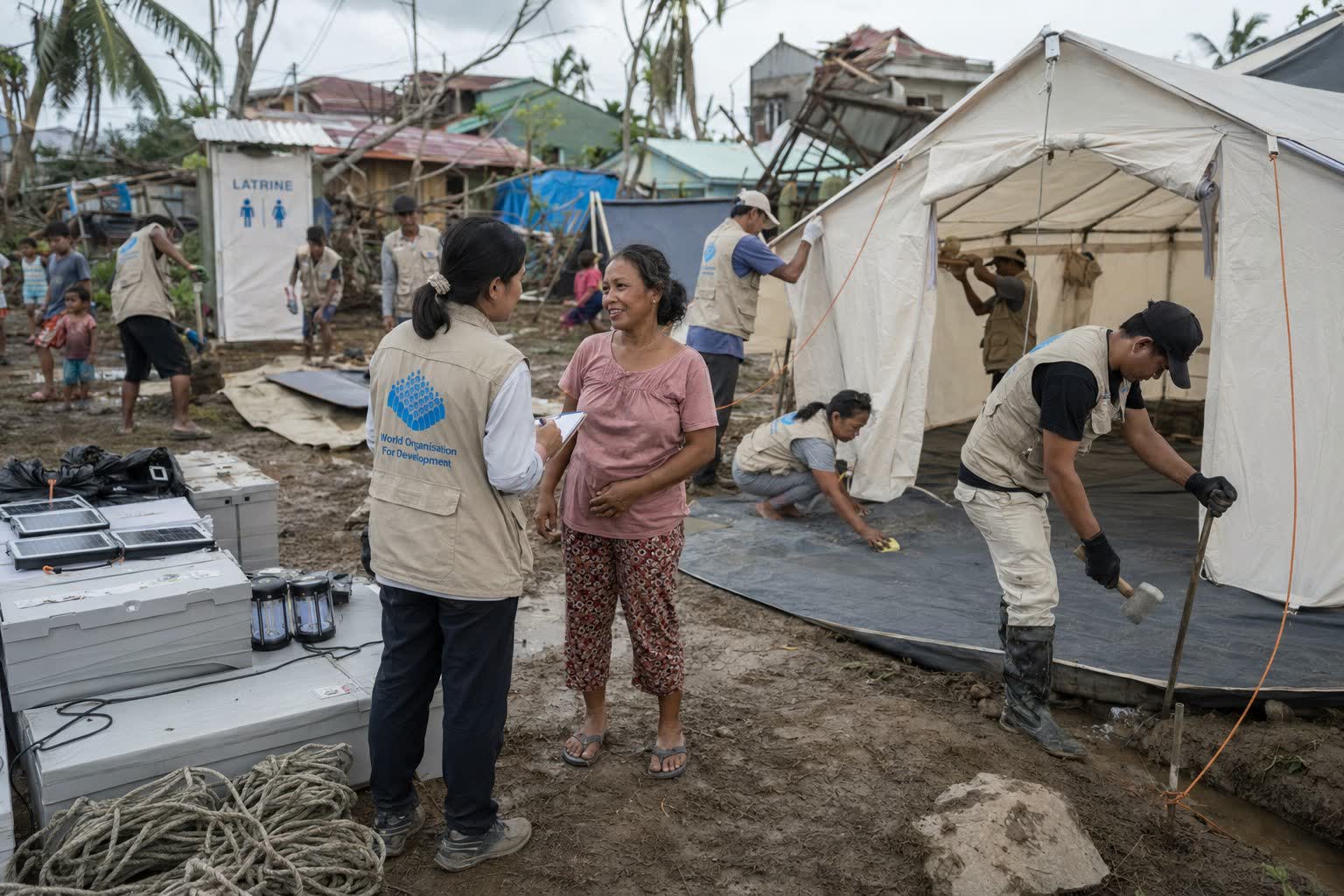
Conflicts can also disrupt education, destabilise public services and destroy livelihoods. Forced displacement prolongs these effects in host communities. Safeguarding development gains therefore requires support for conflict prevention, political settlements and the continuity of essential services.
National policy choices also determine who benefits from progress
External constraints do not account for all shortcomings. Unequal distribution of budgets, a lack of transparency in management or discrimination can limit access to available resources.
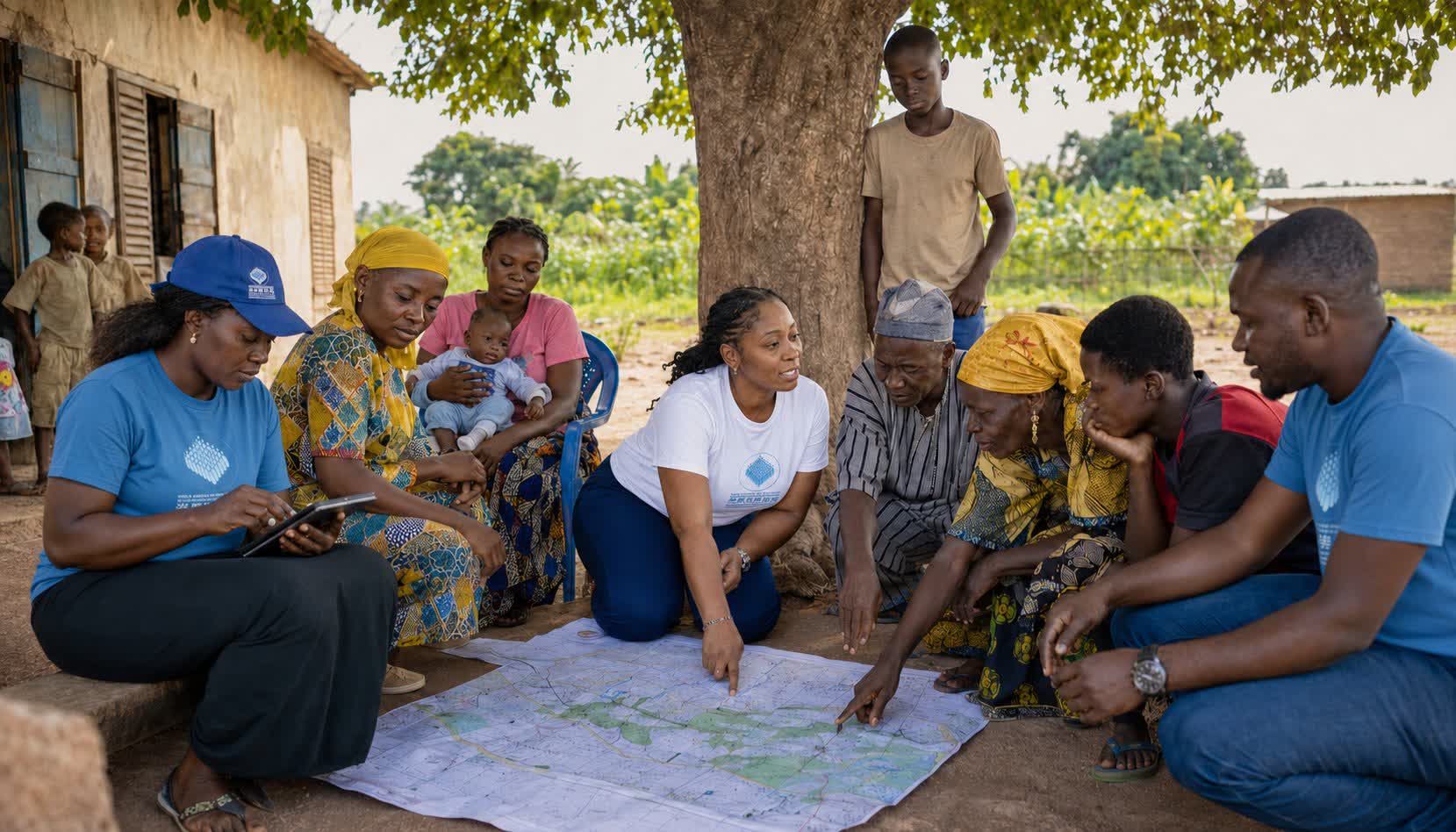
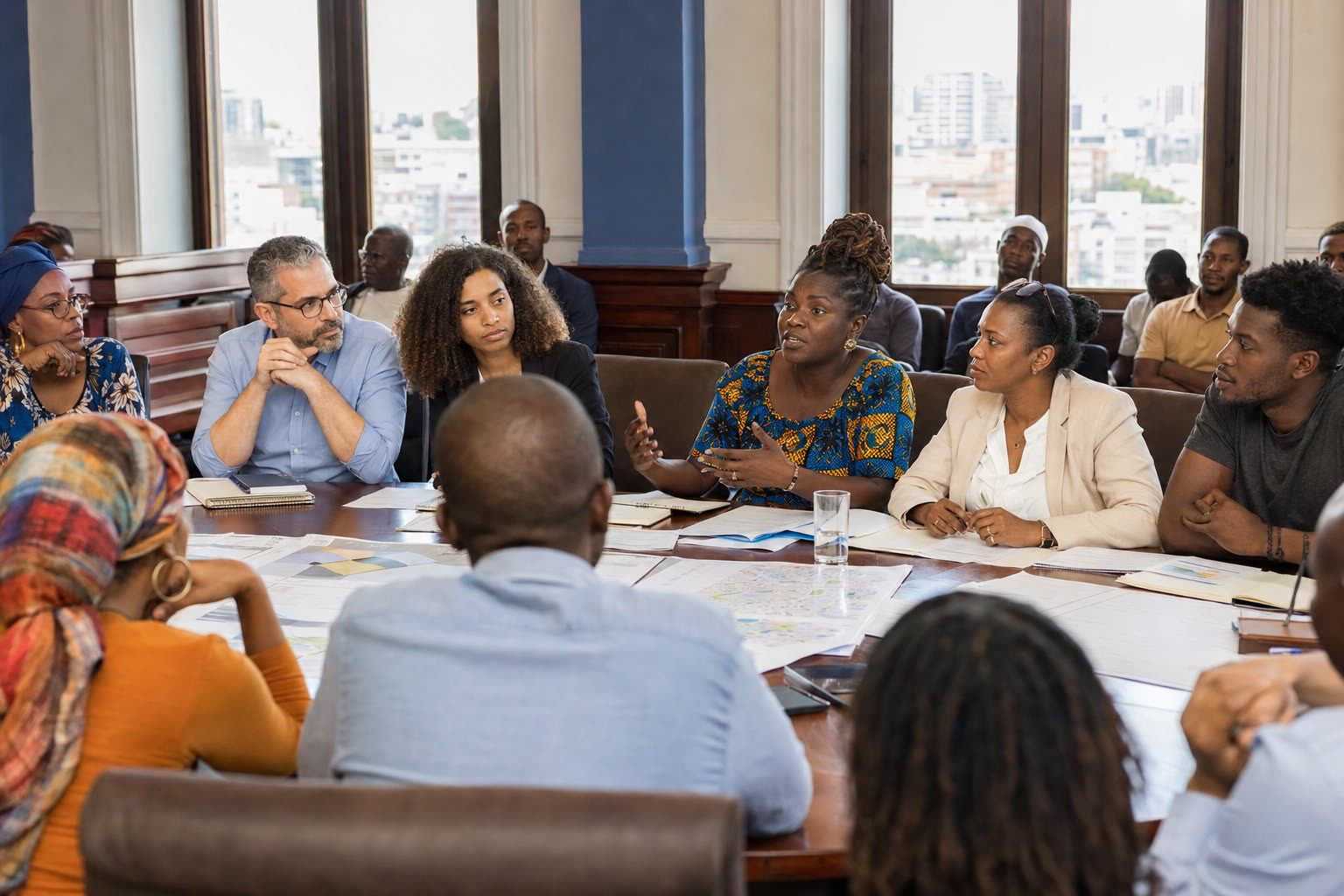
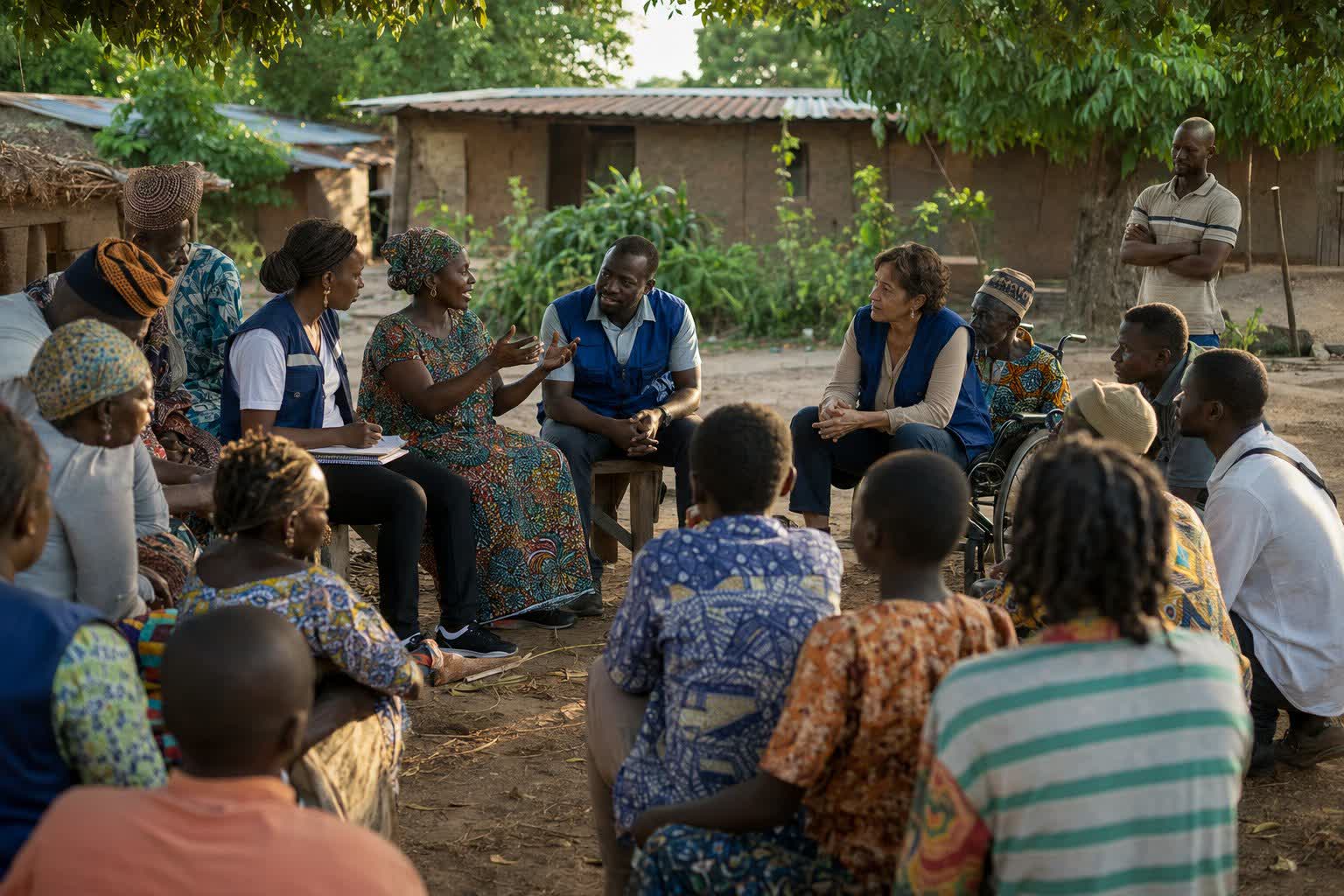
Participation plays a decisive role here. When people have little information or limited opportunities to influence decisions, there is a risk that their needs will not be adequately taken into account.
The realisation of the right to development thus depends on complementary responsibilities: creating a favourable international environment and, at national level, implementing policies that are accessible, equitable and accountable.
23 September: a renewed call for implementation
Guidelines to be translated into concrete measures
During the meeting, Khalilur Rahman emphasised the participation of women, young people and marginalised communities. He also highlighted obstacles relating to financing and debt, as well as the need to bridge the digital divide and develop human rights-based governance of technology.
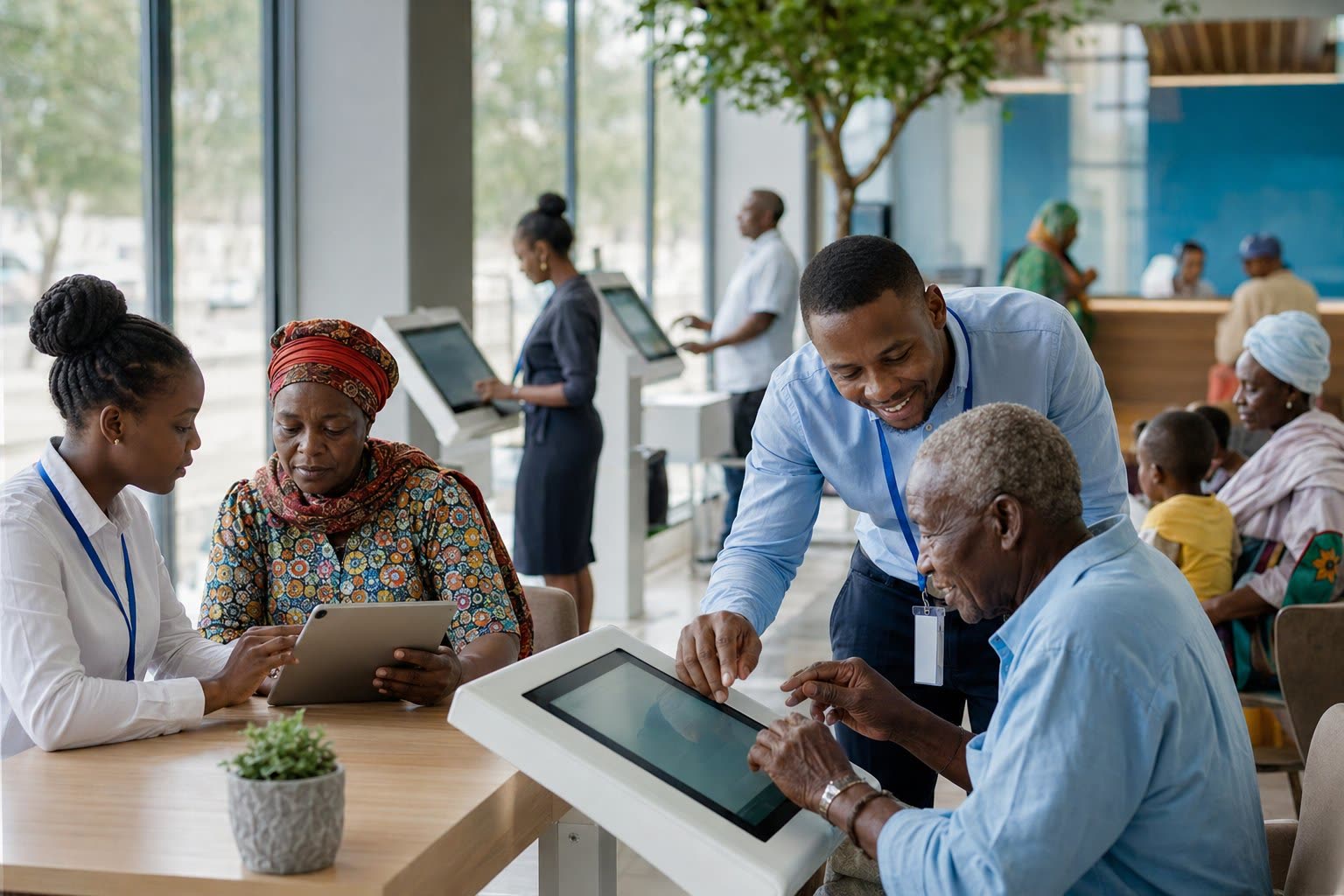
These guidelines serve as a reminder that the conditions for realising the right to development are evolving. Access to skills, digital infrastructure and the means for environmental adaptation now has a greater influence on people’s prospects.
These statements represent political positions. Their significance must be assessed in the light of the decisions, resources and partnerships that will follow on from them.
This requirement ties in with the theme of the 81st session: restoring trust and strengthening a United Nations that serves everyone. For the AMD, trust is strengthened when cooperation helps to reduce identifiable obstacles in people’s lives.
Development beyond the figures: measuring what is changing for people
The right to development is directly linked to the mission of the World Association for Development. It connects international commitments to concrete opportunities to pursue an education, receive healthcare, access employment and participate in decision-making.
In its areas of intervention, the AMD believes that the evaluation of actions must focus on:
Effective access, by identifying those who remain excluded and the barriers they face;
The capacity to act, notably through education, skills, economic empowerment and participation;
The sustainability of results, through institutions, resources and accountability mechanisms that ensure their continuity.
This approach gives concrete meaning to the link between human rights and sustainable development. It encourages us to examine the changes achieved for communities, rather than merely the number of activities carried out.
Forty years after its international recognition, the right to development remains a key benchmark for guiding public policy and international cooperation. The meeting on 23 September highlights the responsibility to ensure that this recognition is put into practice. Its success will be measured by the sustainable opportunities afforded to people to participate in progress, to benefit from it and to shape its direction.
Morgan CHOKI