
















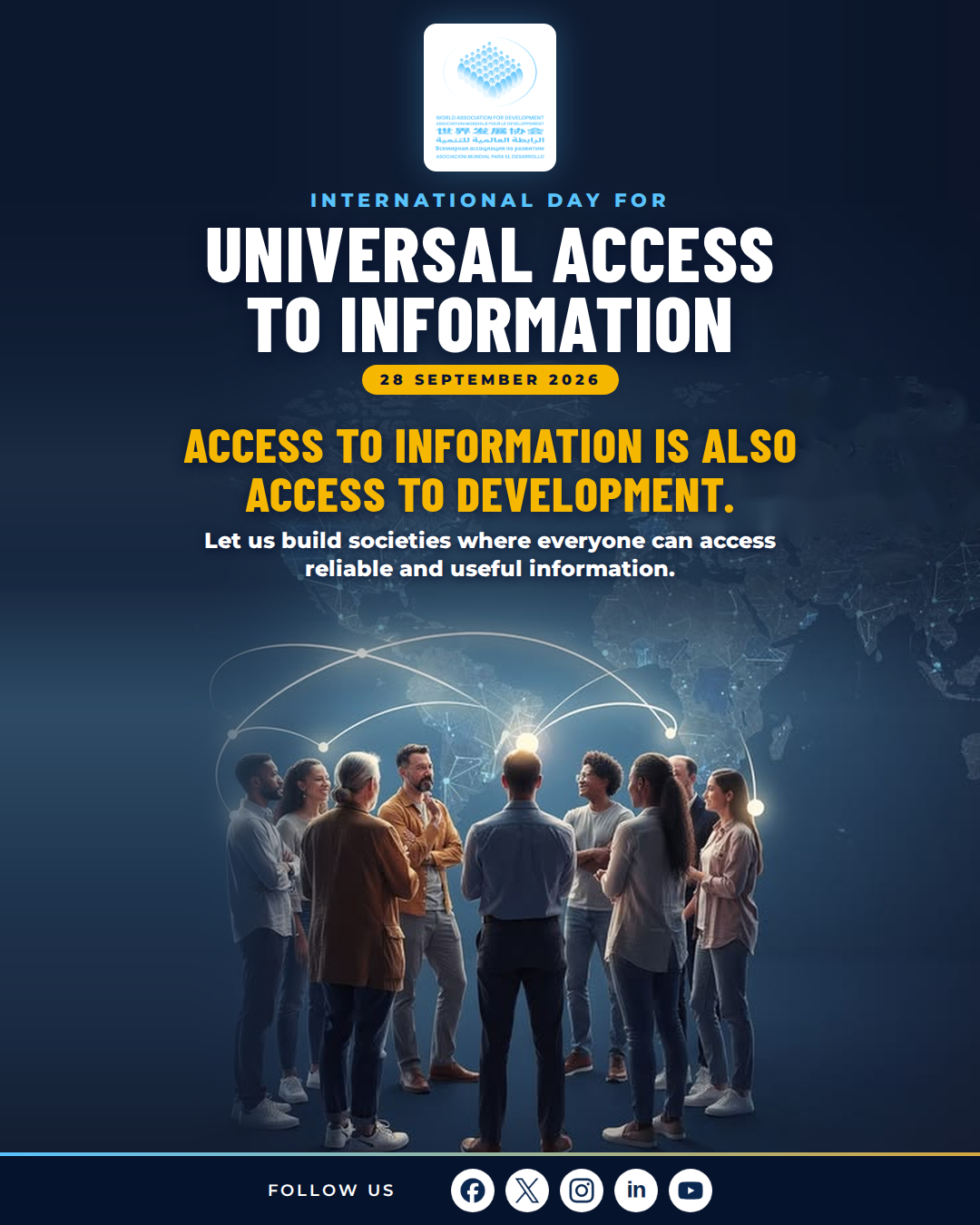
Statement by the Executive President of the World Association for Development on the occasion of International Day for Universal Access to Information
Turning access to information into a real means of empowerment
Never before has our era produced, disseminated and shared so much information. Digital technologies have significantly reduced distances, accelerated the flow of knowledge and opened up new possibilities for accessing services, institutions and public debate.
However, this abundance does not mean that everyone actually has the information they need.
On this International Day for Universal Access to Information, the World Association for Development believes that one fundamental question must guide our thinking: does the available information actually reach people, in a form they can understand, verify and use to improve their living conditions?
Access to information is inextricably linked to development.
Knowing one’s rights, understanding an administrative procedure, accessing health information, discovering a training opportunity, identifying a public programme, knowing the conditions for accessing funding, or having information useful for an economic activity can tangibly change the course of a person’s, a family’s or a community’s life.
Information is therefore not merely a documentary resource. It enables people to exercise a right, make a decision, access a service, seize an opportunity and participate in society.
However, a right recognised in law loses some of its significance when it remains difficult to exercise.
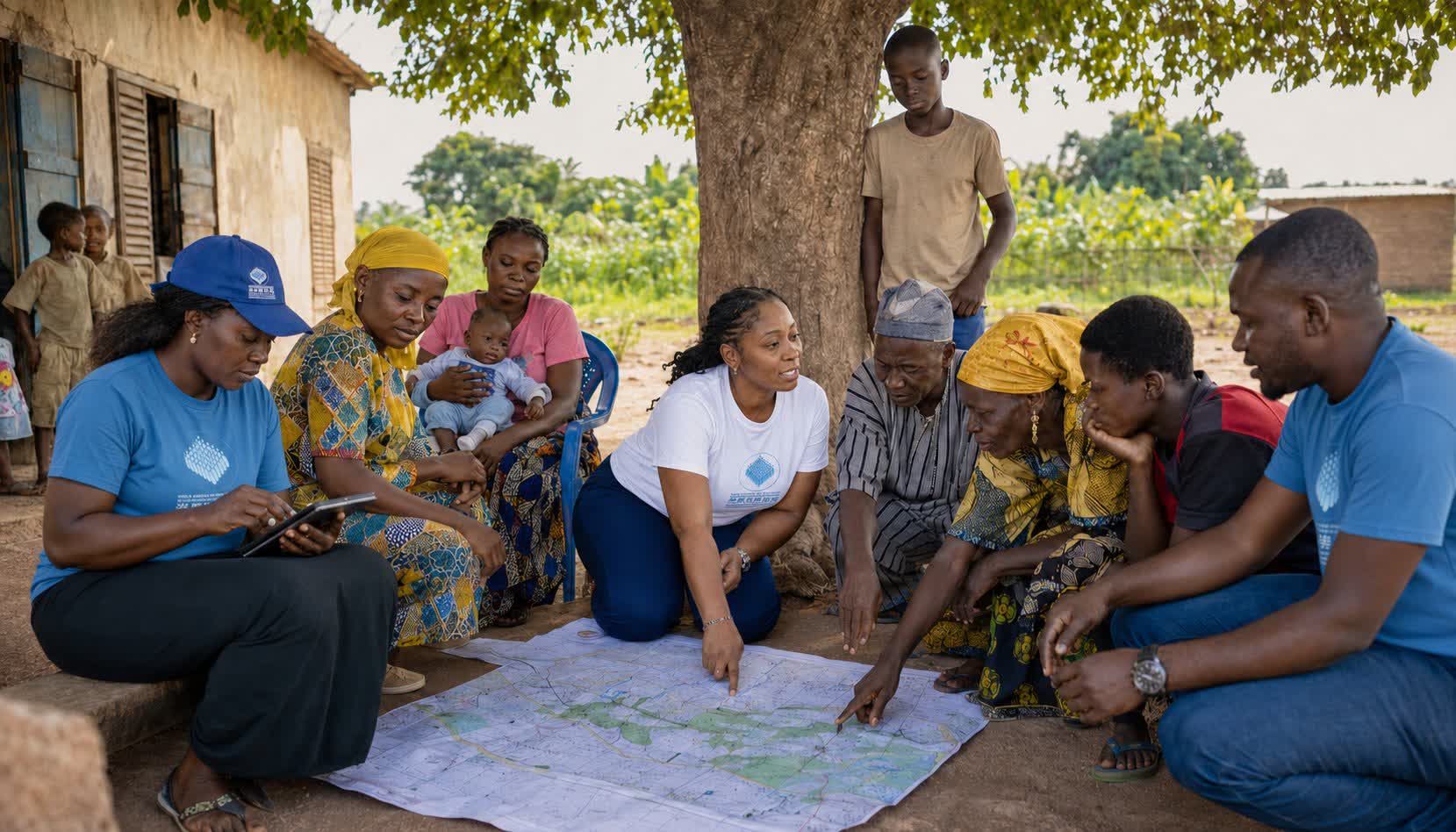
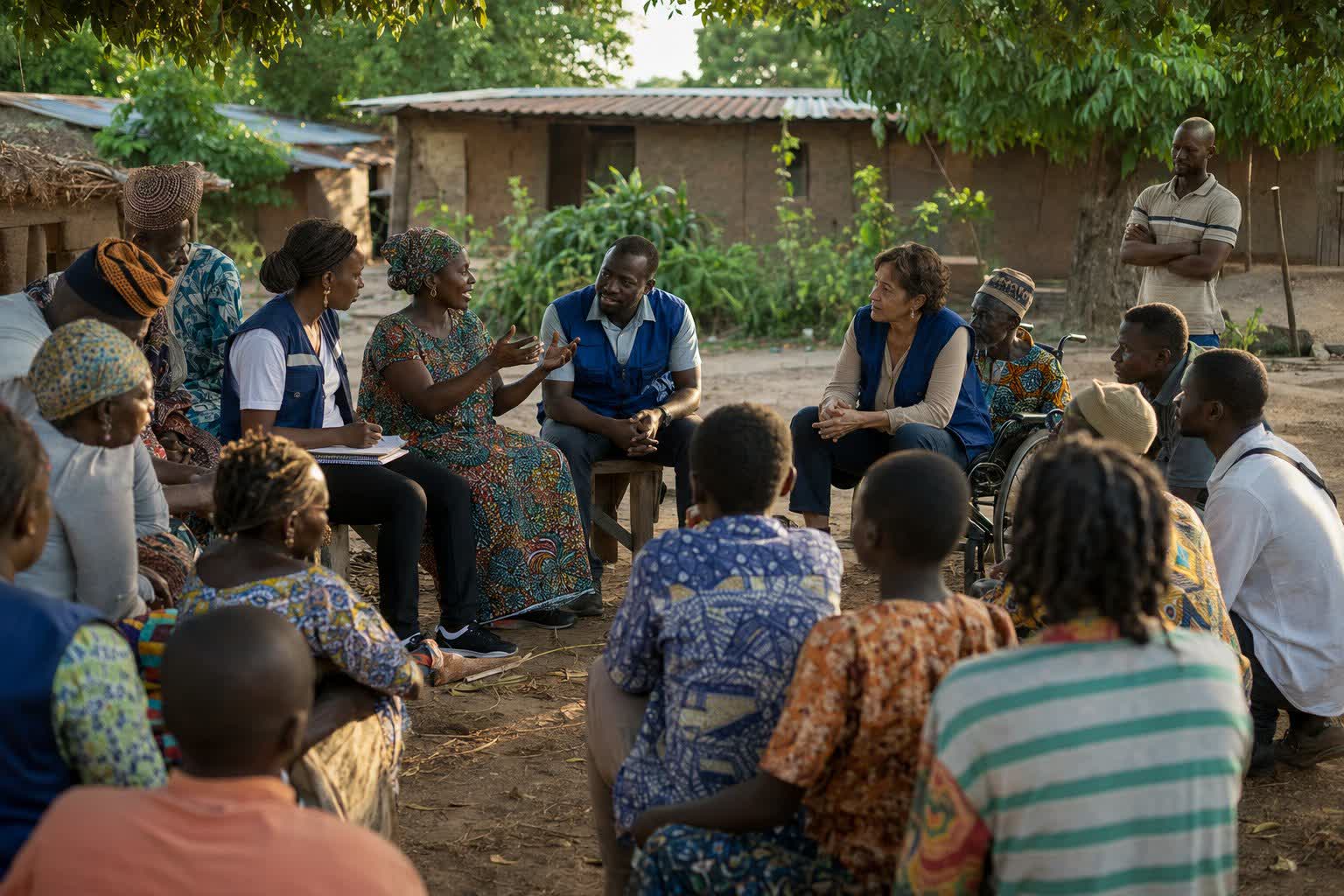
Inequalities in access to information persist between regions, between social groups and between populations with very different levels of digital literacy. These inequalities are particularly evident in rural areas, where the distance from public authorities, inadequate infrastructure, the cost of connectivity, the complexity of procedures, language barriers or even the lack of local services can prevent citizens from simply obtaining information that is nevertheless essential to their development.
This reality compels us to move beyond a purely formal conception of universal access.
Simply making public information available is not enough. It must also be made accessible.
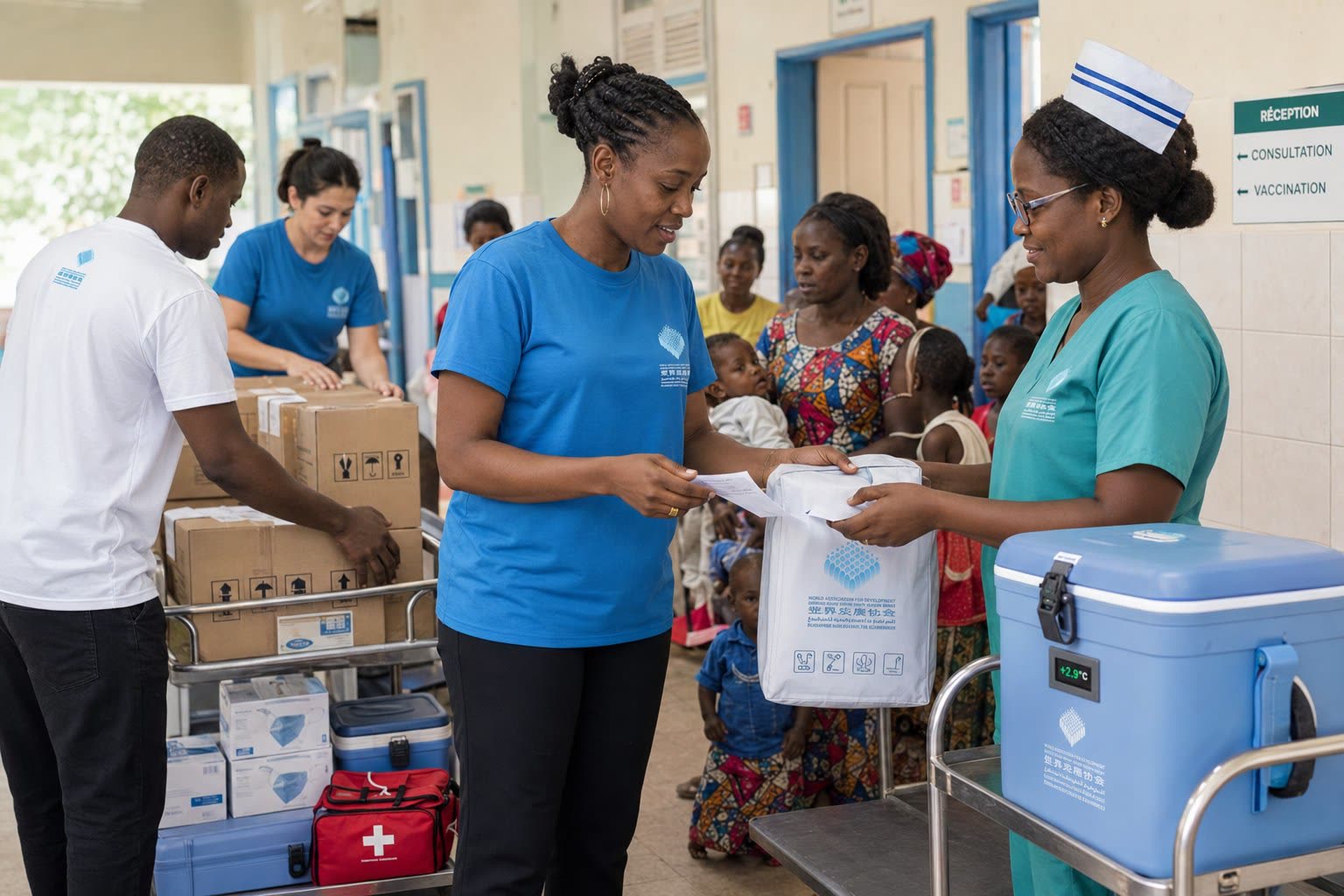
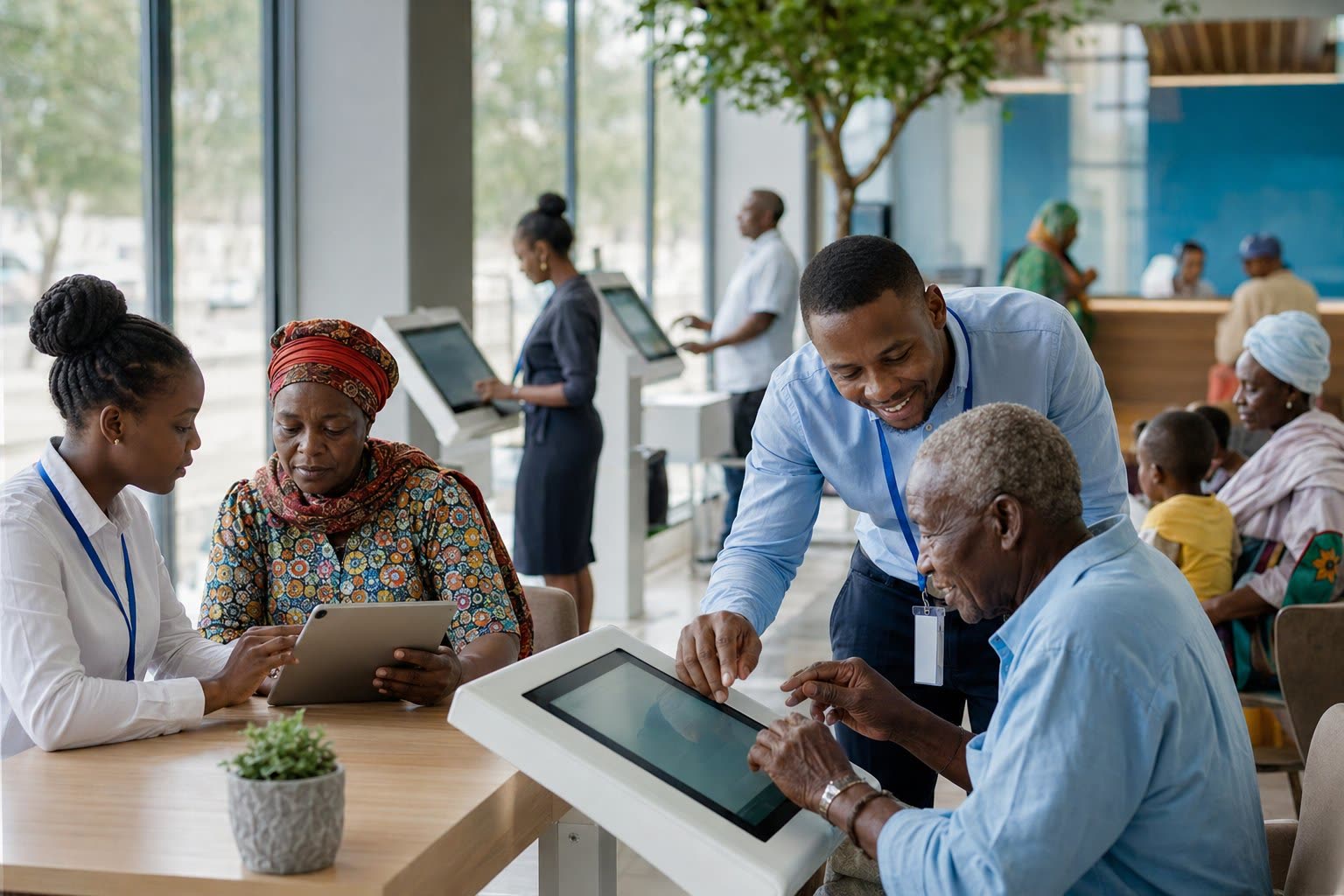
This requires simpler procedures, public authorities that are closer to citizens, information mechanisms tailored to local circumstances, comprehensible content and a variety of channels. Where digital access remains limited, physical, community-based, radio and other local channels must continue to play their full part.
In this respect, digital transformation presents a considerable opportunity, but it must not become a new source of exclusion.
When an essential procedure is moved exclusively online without all sections of the population having the necessary internet connection, equipment or skills to carry it out, modernisation may unintentionally distance certain citizens from the very services it was meant to make more accessible.
Technological progress must therefore also be assessed in terms of its ability to bridge the gap between information and the public.
But our era faces a second challenge.
Alongside those who still lack essential information, millions of people now live in an environment characterised by a constant proliferation of content, where reliable information, opinions, manipulation, rumours and misleading content can circulate simultaneously.
We are thus faced with a paradox: some citizens lack useful information, whilst others are confronted with an abundance of information whose reliability is becoming difficult to ascertain.
This is why the integrity of information must now be a central consideration in any discussion of its accessibility.
The right to information must ensure access to information that is reliable, comprehensible, verifiable and available when it is needed. Without these conditions, information may lose its role in enlightening and, in certain circumstances, may instead contribute to confusion, mistrust or harmful decisions.
For the World Association for Development, universal access to information is therefore based on four inseparable requirements: availability, accessibility, comprehensibility and reliability.
This is a collective responsibility.
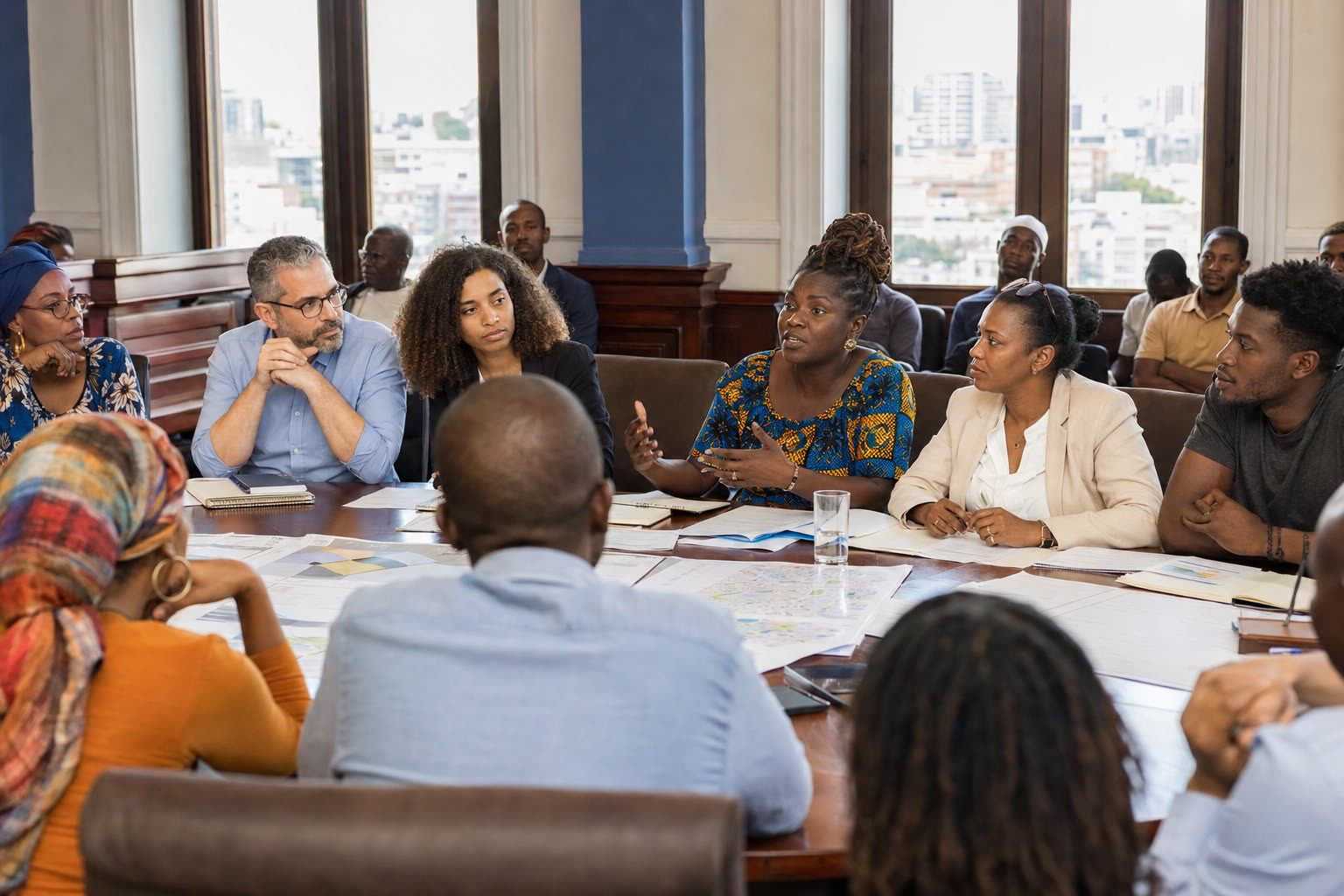
Public authorities must enhance transparency and simplify the mechanisms enabling citizens to obtain information. Local authorities and community organisations must help bring this information closer to communities. The media have a vital responsibility in producing and verifying information. Digital stakeholders must take into account the effects of the information environments they shape. Finally, education must enable citizens to gradually develop the skills needed to seek out, understand and evaluate the information they are exposed to.
Particular attention must be paid to those at risk of being left behind by these developments: rural populations, people living in underserved areas, people with disabilities, and citizens facing linguistic, economic or educational barriers.
For universality is not measured by the quantity of information put into circulation. It is measured by the ability of even the least privileged citizen to access the information they need.
On this International Day, the World Association for Development therefore calls for policies on access to information to be developed into systems that are simpler, more inclusive, closer to the people and better adapted to digital transformations.
Our collective ambition must be clear: to ensure that a person’s place of residence, income, level of education, language or technological proficiency no longer determine their ability to know their rights, access the services intended for them or participate in decisions affecting their future.
For when a citizen can access reliable information, understand it and make use of it, that information ceases to be merely available: it becomes a genuine source of empowerment and a tool for development.
International Day for Universal Access to Information
28 September 2026
Chief Executive
Hugues B. GNIMADI
World Association for Development — AMD
LET US WORK TOWARDS SUSTAINABLE PROGRESS