
















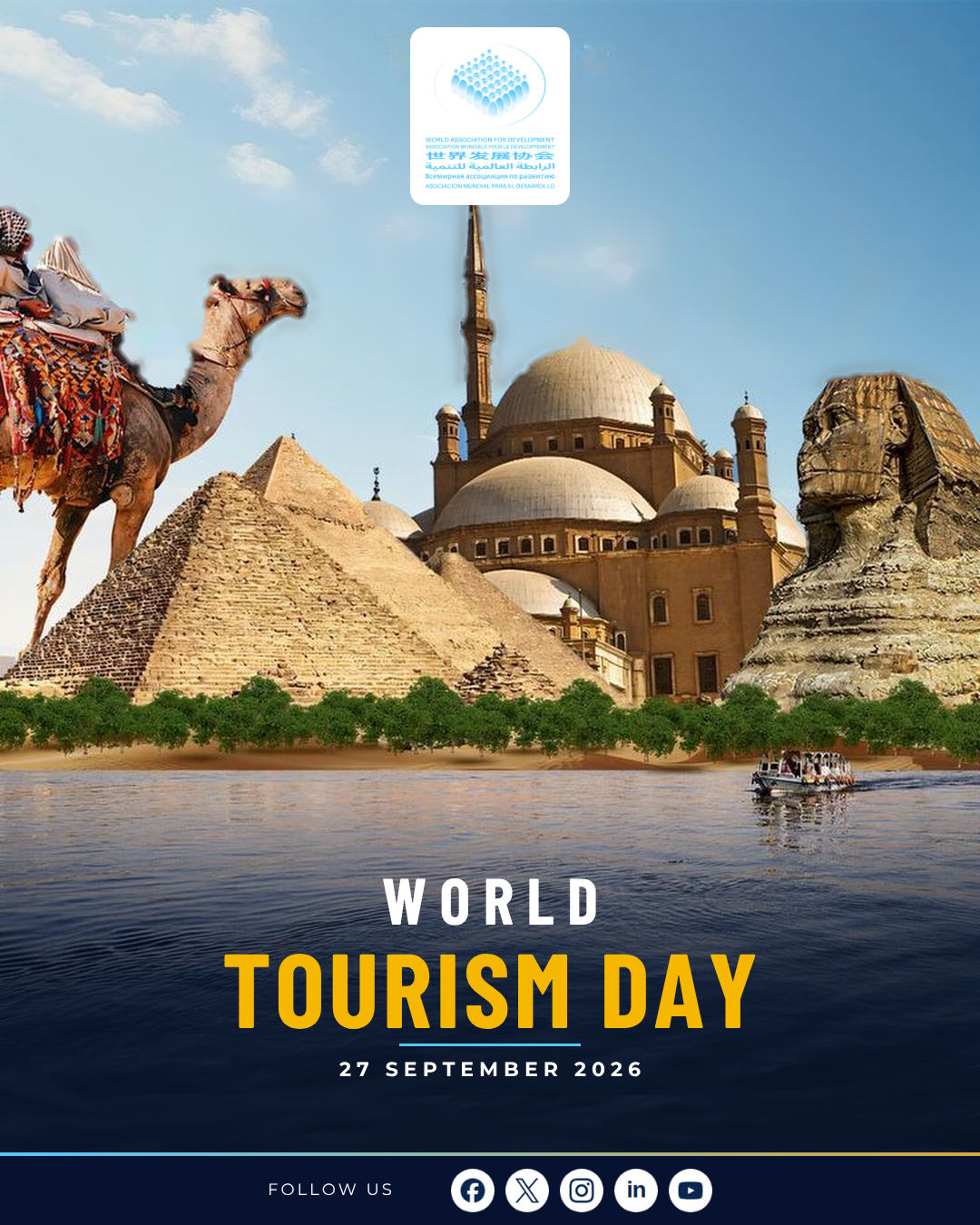
Statement by the Executive President of the World Development Association to mark World Tourism Day
Rethinking tourism for shared progress
Tourism involves much more than simply the movement of people. It brings cultures together, mobilises resources, transforms regions and opens up new opportunities for communities. It can support economies, promote heritage and turn the discovery of others into an experience of mutual understanding.
This contribution confers a particular responsibility upon it: that of developing an industry whose benefits can be shared and whose conditions for existence are sustainably preserved.
World Tourism Day 2026, dedicated to digital technology and artificial intelligence as a means of rethinking tourism, invites us to examine this responsibility in the light of a profound transformation.
Technologies are now changing the way destinations are promoted, trips organised, services offered and choices guided. Their influence extends to the visibility of regions, the competitiveness of businesses and the distribution of income.
Behind the transformation of the tools lies a transformation of economic relationships and decision-making capacities.
Forthe World Association for Development, this evolution must be assessed in the light of a key question: under what conditions will it enable communities to derive greater benefit from tourism and regions to take better control of their development?
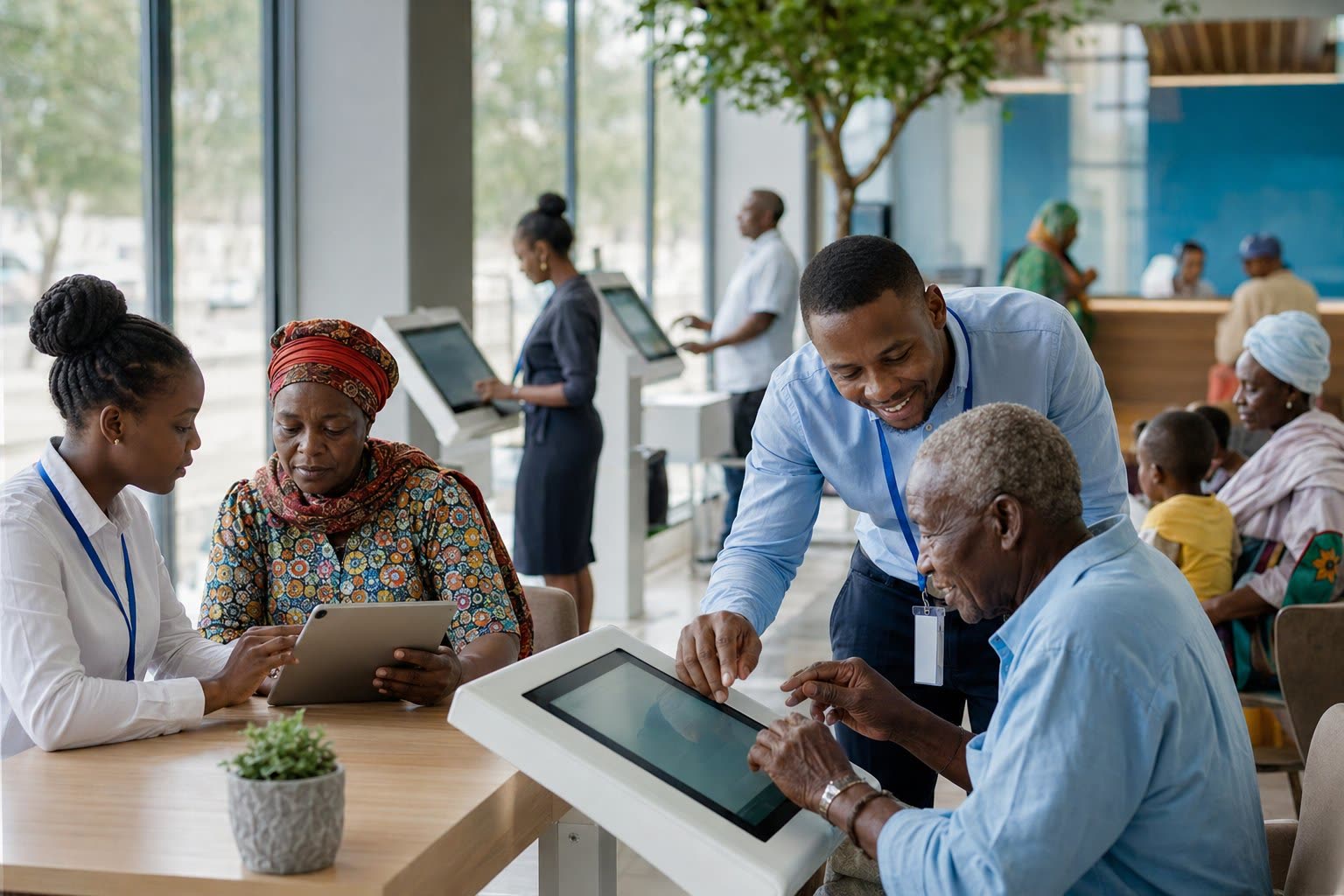
The possibilities are considerable. A business can reach a customer base that was previously out of reach. A professional can raise awareness of their expertise. A destination can forecast visitor numbers, adapt its services and better protect its sites. A traveller can access more readily available information and discover places that would otherwise have remained unknown to them.
These possibilities are worth exploring. They demonstrate that innovation can broaden economic prospects and enhance the quality of the tourist experience.
However, realising them requires resources, skills and regulations. The availability of a technology does not guarantee its accessibility, the appropriateness of its use, or the fairness of its effects.
Businesses and regions are approaching this transformation with varying levels of capacity. Some have the infrastructure, data and resources needed to capitalise on it. Others are still struggling to establish a digital presence, fund their equipment or train their staff.
Without appropriate support, the benefits of innovation risk being concentrated in those areas where the conditions for development are already most favourable.
Added to this inequality of access is the issue of dependency. The players who manage visibility, recommendations and bookings can exert a decisive influence on the activity of destinations. Local businesses must be able to understand the conditions governing their access to markets, maintain their relationships with travellers and retain a fair share of the value they help to create.
A region must be able to participate in the decisions that determine how it is discovered, visited and promoted.
This capacity is essential, as the consequences of tourism are felt locally. They affect employment, income, water use, infrastructure, natural areas and the daily lives of local residents.
Increasing visitor numbers can boost the economy whilst simultaneously intensifying certain pressures. A destination may gain in prominence without its local communities benefiting sufficiently from this recognition. An activity may become more profitable in the short term whilst undermining the resources on which its future depends.
Any assessment of progress in tourism must take these realities into account. It must link economic performance to the quality of jobs, local benefits, heritage conservation and the living conditions of host communities.
Digital technology and artificial intelligence can contribute to this understanding. Their usefulness will be all the greater if the objectives pursued have been clearly defined with the relevant stakeholders.
The transformation of jobs also requires sustained attention. Automation can lighten certain tasks and improve services. It can also alter responsibilities, shift skill requirements and undermine career paths.
Workers must be able to understand these changes, prepare for them and see opportunities within them. Training and dialogue with professionals must accompany technological choices right from the design stage.
In this respect, tourism retains a fundamental human dimension. Hospitality, the interpretation of heritage, knowledge of a region and the passing on of its history are based on experiences and skills that give travel its depth.
Their value must be recognised both in economic models and in digital practices.
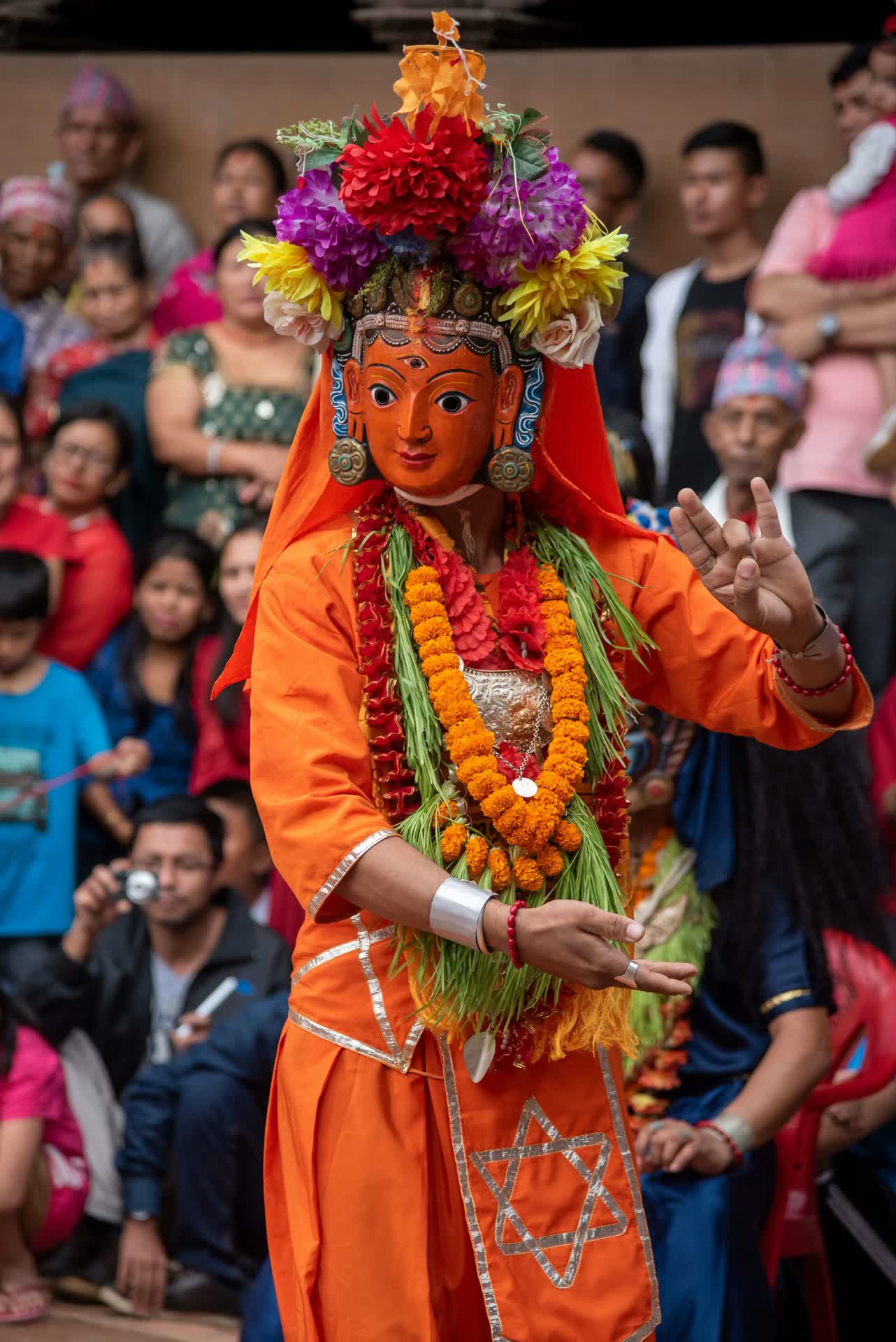
The representation of cultures demands the same standard. Information generated or disseminated on a large scale can shed light on a discovery, but it can also spread misinformation or reduce a tradition to a simplified portrayal. Communities must be able to contribute to the way in which their history and heritage are told.
The trust of travellers and local communities therefore depends on reliable content, effective data protection and clear accountability.
The World Association for Development considers that rethinking tourism requires coherence between innovation, public policy and regional priorities.
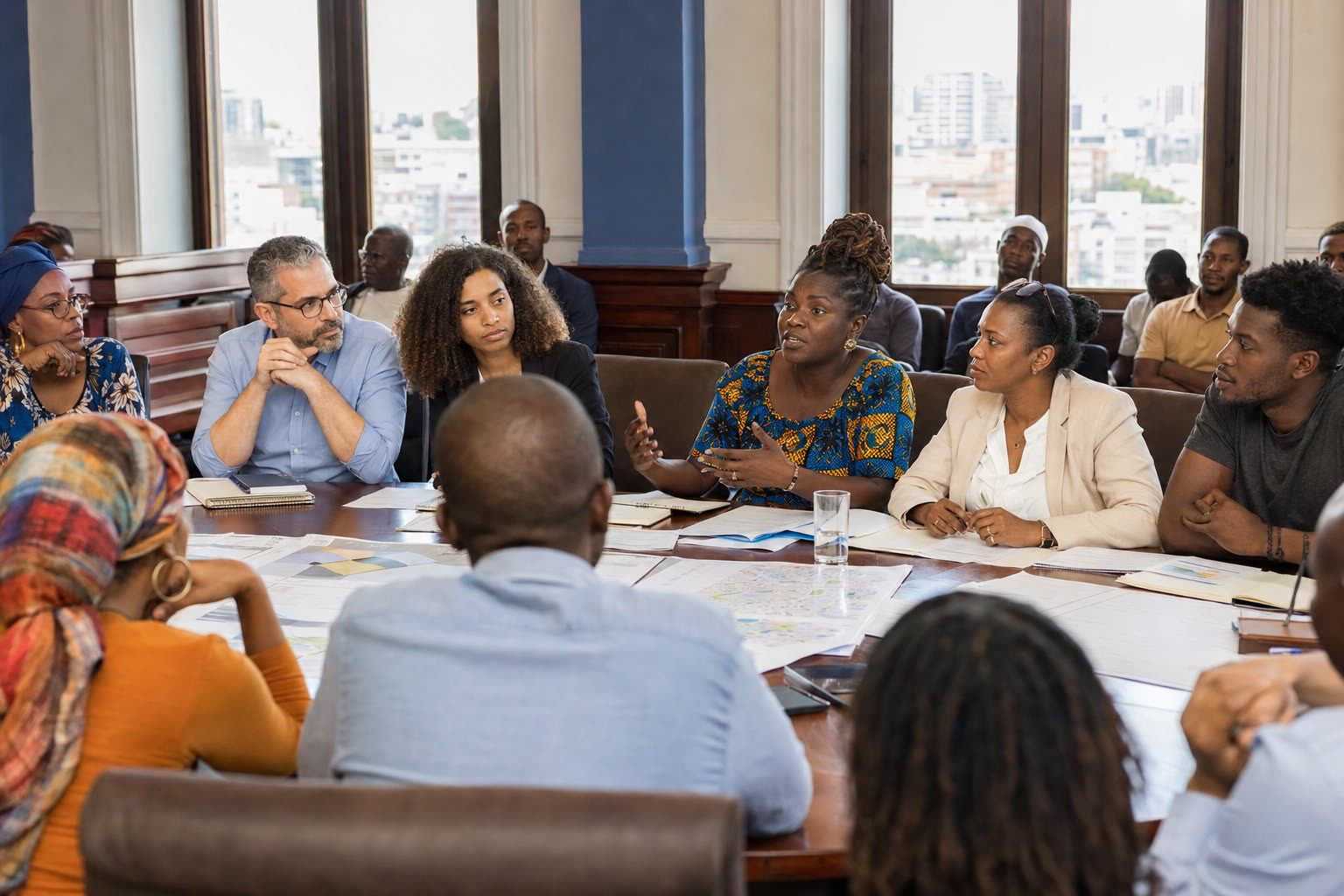
Public authorities bear the responsibility for creating the conditions for an inclusive transformation and for safeguarding the public interest. Tourism and technology companies must be accountable for the impact of their practices. International partners must support the capacity-building of the least well-equipped destinations. Host communities must have a genuine say in the decisions that shape their future.
This shared responsibility must be reflected in investment, training, data governance and the evaluation of results.
The tourism of tomorrow is shaped by the decisions taken today. Its quality will depend on our ability to combine the efficiency of technology with cultural diversity, the dignity of work and the preservation of resources.
Rethinking tourism means giving people the means to share their riches, to benefit from their value and to ensure they are passed on to future generations.
World Tourism Day
Chief Executive
Hugues B. GNIMADI
World Association for Development — AMD
LET US WORK TOWARDS SUSTAINABLE PROGRESS